Nicolas Winding Refn on AI and Cinema Ahead of Her Private Hell
Automatically translated
 Writer
The rapid progress of artificial intelligence has become one of the most discussed topics in the film industry in recent years. From script development to visual effects, sound editing and marketing, AI tools are being used in many areas of filmmaking, bringing new opportunities as well as significant debates.
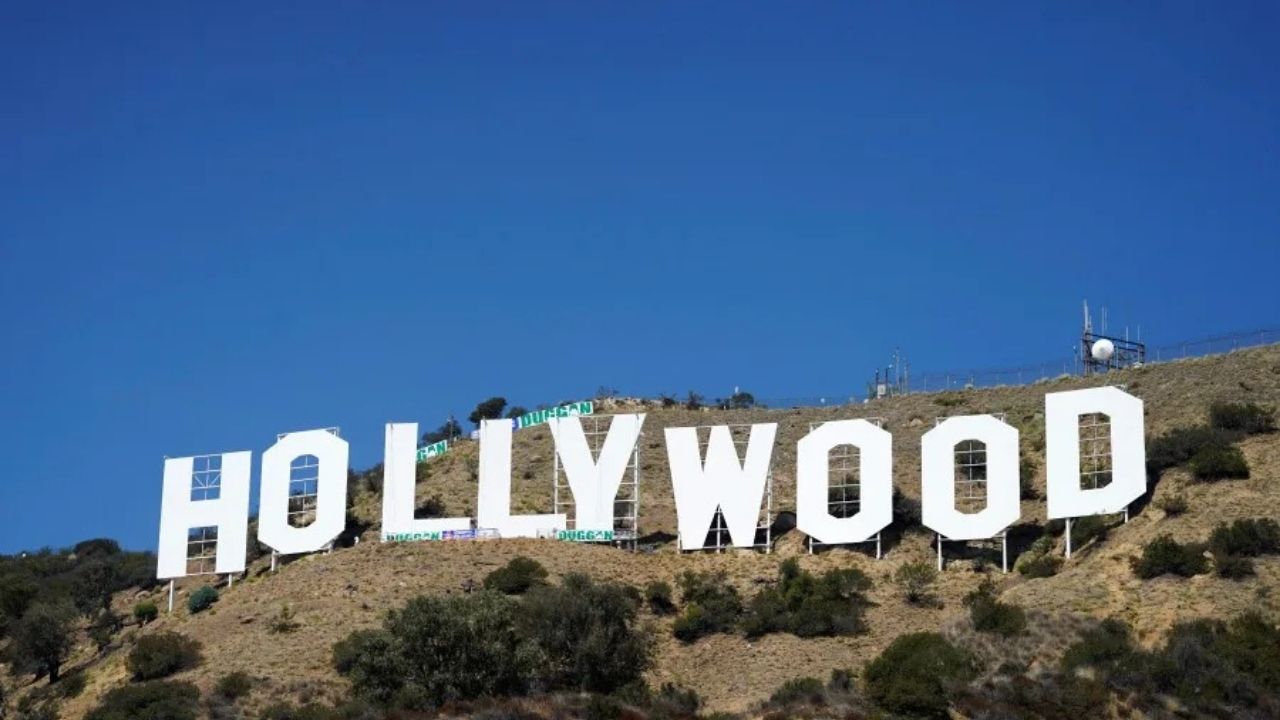
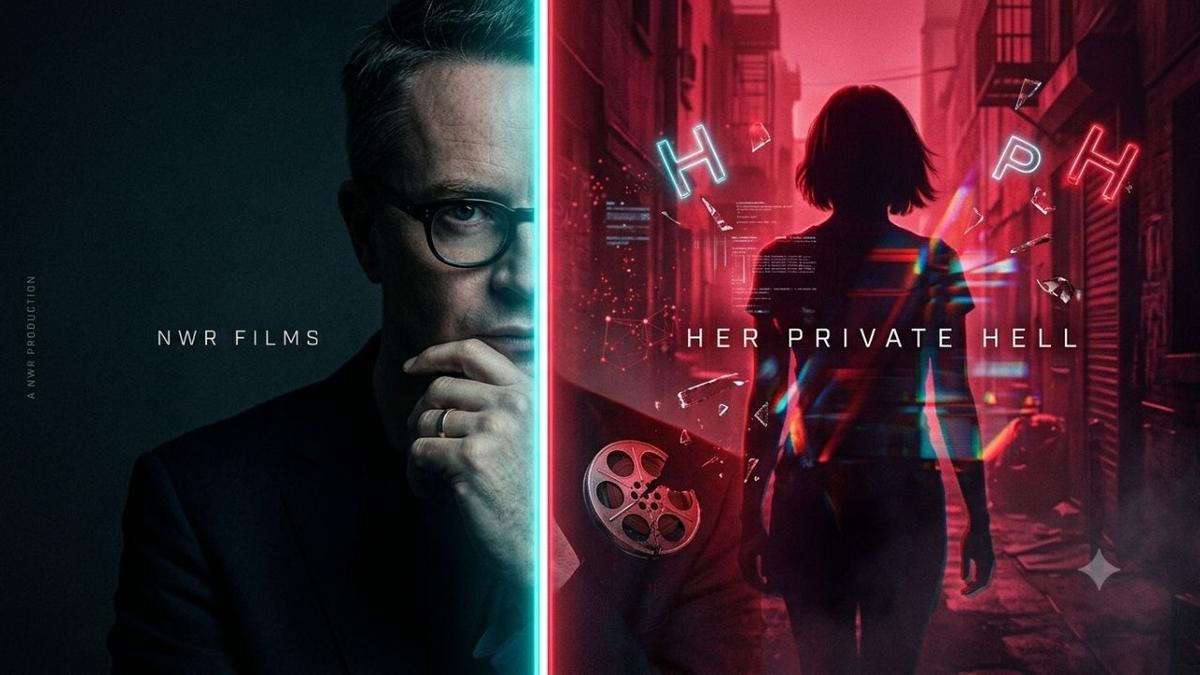
The strikes in Hollywood, copyright lawsuits and digital actor technologies show that this transformation has technical, ethical and legal dimensions. Directors, screenwriters and actors hold different views on how AI will affect creative production. While these debates continue, Danish director Nicolas Winding Refn drew attention with his statements ahead of his new film, Her Private Hell. Refn said that AI will not replace human creativity, but that when used properly, it can open new storytelling possibilities for cinema.
Who Is Nicolas Winding Refn?
Nicolas Winding Refn is considered one of the most distinctive directors of contemporary cinema. Known for his original visual language, strong use of atmosphere and films that challenge conventional narrative patterns, the director stands out for productions that focus on artistic expression rather than commercial success.
With Pusher, which drew the attention of international film circles in 1996, Refn maintained his own narrative style in later years, even while directing films in different genres. Intensive use of neon lights, long silences, symbolic storytelling and psychological tension are among the common features of his films. Today, Nicolas Winding Refn is regarded as one of the leading representatives of modern auteur cinema.
Turning Points in His Career
Refn's filmography consists of works made in different periods that share a common visual language.
His notable films include:
Pusher Trilogy (1996, 2004, 2005):
A realistic and harsh look at the Danish underworld
Bronson (2008):
A stylized biography blending violence and art, in which Tom Hardy becomes a force of nature. The film where Refn's visual language begins to mature.
Valhalla Rising (2009):
A hypnotic, dreamlike Viking saga with Mads Mikkelsen, almost without dialogue. A peak of symbolic storytelling.
Drive (2011):
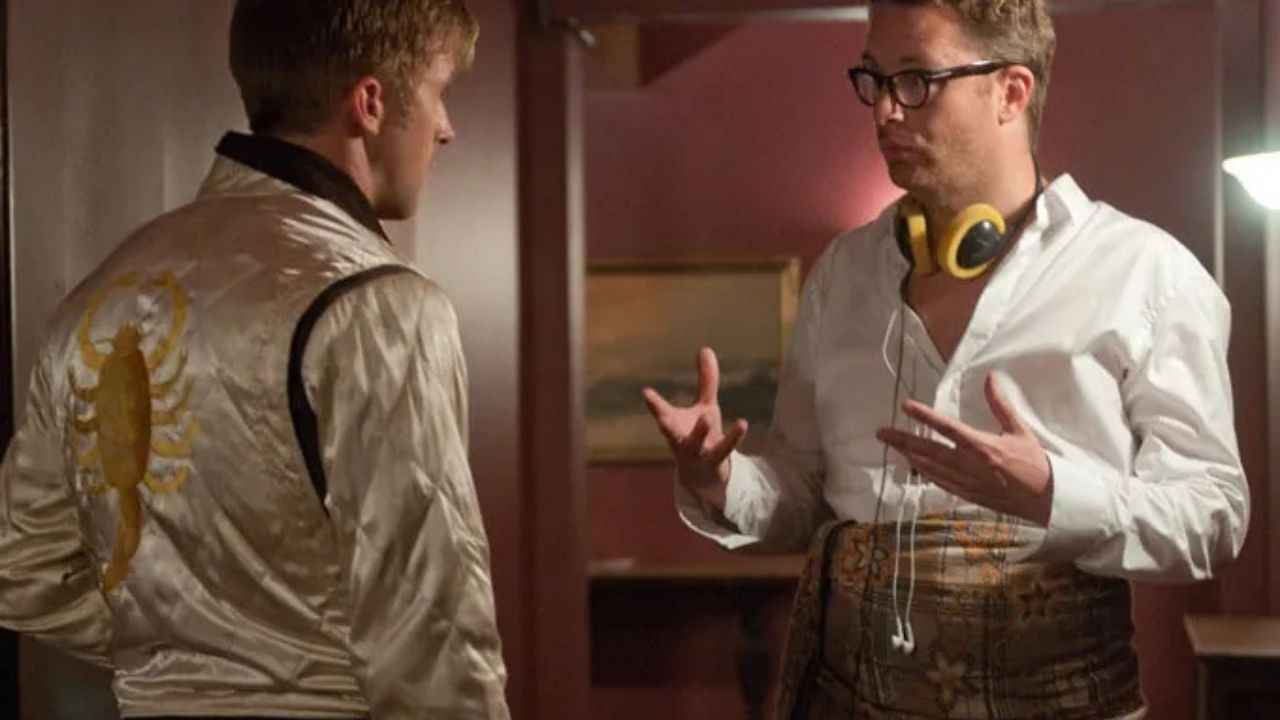
The neo-noir masterpiece that won Refn the Best Director award at Cannes and became iconic with Ryan Gosling. The film that introduced Refn to mainstream audiences.
Only God Forgives (2013):
Set under the neon lights of Bangkok and following Drive, it is an extremely harsh and symbolic revenge story that divided audiences.
The Neon Demon (2016):
A visually mesmerizing but disturbing psychological horror/thriller that portrays the dark side of the fashion world.
Why Is the Collaboration With Ryan Gosling So Important?
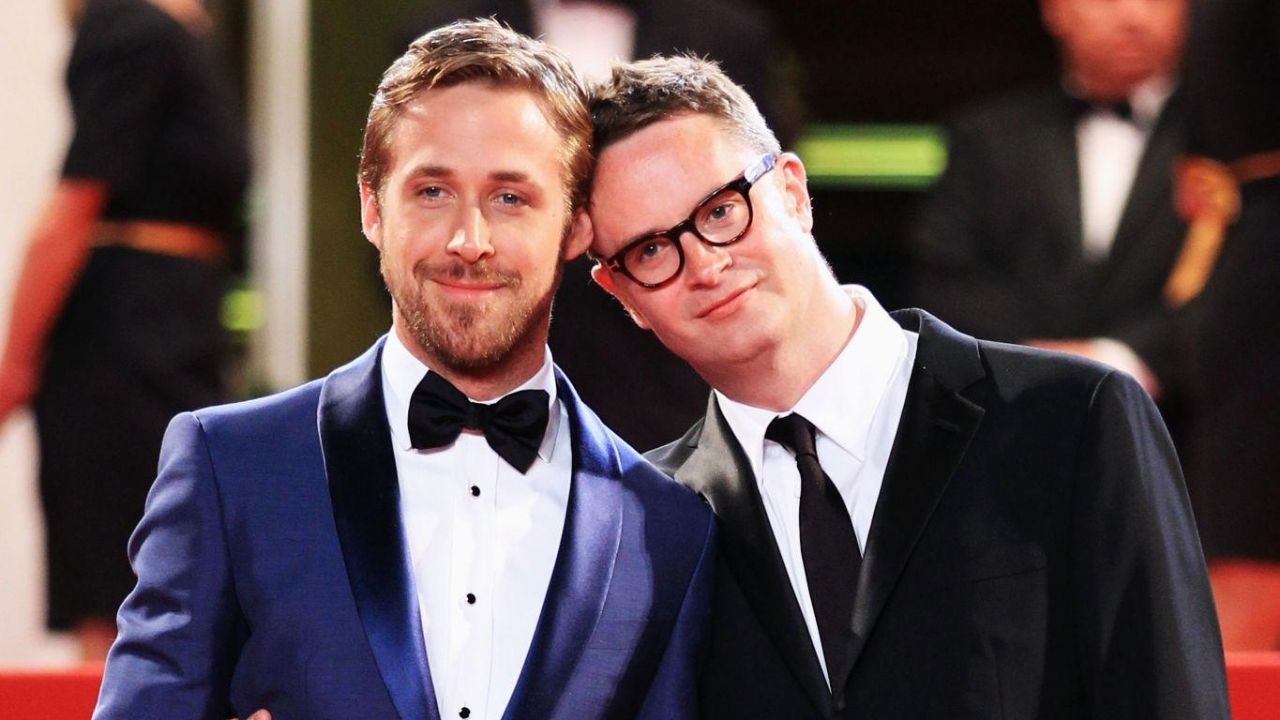
Without doubt, one of the most important productions that brought Nicolas Winding Refn international recognition is Drive. Released in 2011, the film stood out not only for its box office success but also for the new perspective it brought to modern neo-noir cinema.
Ryan Gosling, who starred in the film, became an important creative partner in Refn's career. The two later worked together again on Only God Forgives.
Refn's assessments of Gosling in his interview with Variety show that this partnership is more than a simple actor-director relationship. According to the director, successful collaborations are built on mutual trust and a shared creative vision.
Why Is Drive Still Being Talked About?
Years later, Drive continues to be cited as one of the most influential films of modern cinema.
The main reasons for this are:
Its distinctive visual language
Its memorable music
Its minimal storytelling
Ryan Gosling's performance
Refn's directorial approach
Today, many directors and film students still regard the film as a model of visual storytelling.
What Did Nicolas Winding Refn Say About Artificial Intelligence?
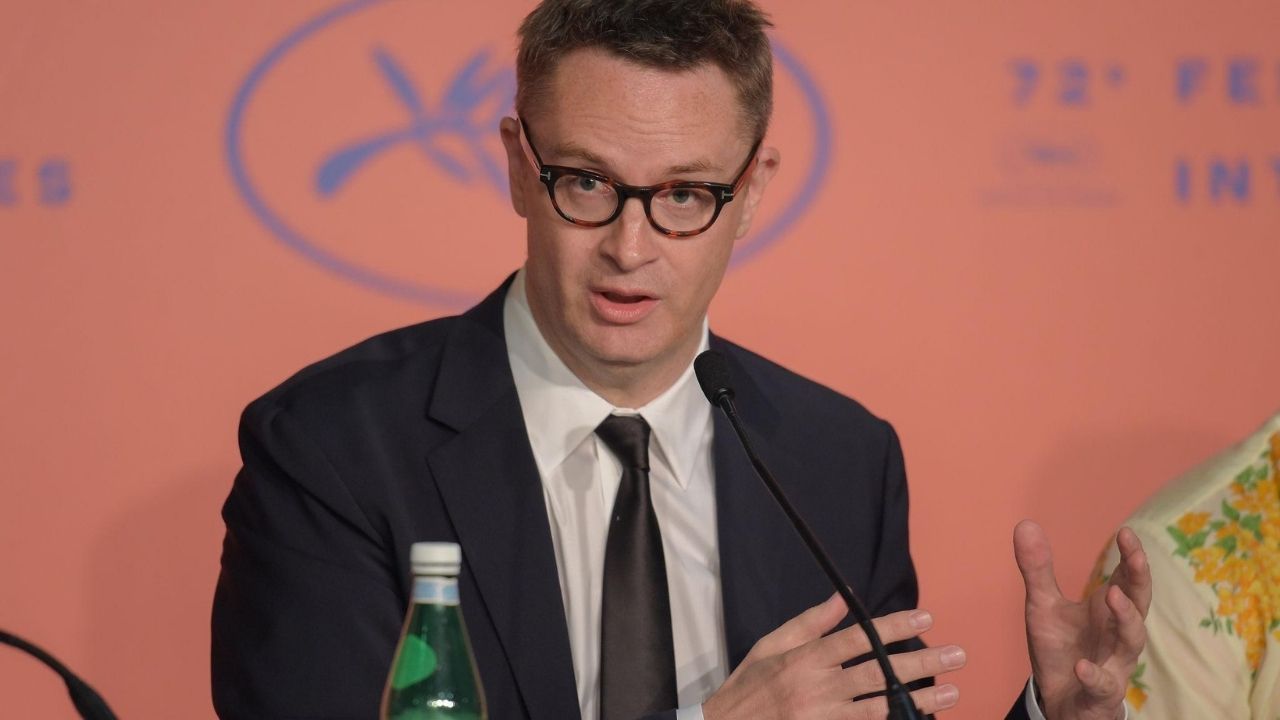
In his interview with Variety, Nicolas Winding Refn made notable remarks about the impact of artificial intelligence on cinema. The director said he sees technology not as something that replaces creative production, but as one of the new tools in the artist's hands.
According to Refn, what makes a film valuable is not technology but the director's perspective, imagination and way of storytelling. For this reason, AI can develop the language of cinema when used properly, but it cannot replace human creativity.
This approach offers a notable viewpoint at a time when concerns about AI are intensifying in Hollywood.
Is AI a Threat?
A large part of the debate about AI focuses on how the technology will affect creative professions. Refn, however, draws attention to a different point. In his view, every new technology throughout history has changed the way art is produced, but has not eliminated art itself.
Just as photography did not end painting and digital cameras did not destroy cinema, he argues that AI will transform the creative process rather than take its place. This approach forms an important foundation for understanding Her Private Hell and the AI debates in Hollywood, which we will discuss later in this article.
Why Is Her Private Hell an Important Film in Nicolas Winding Refn's Career?
After focusing for many years on television and digital platform projects, Nicolas Winding Refn is returning to feature filmmaking with Her Private Hell. For this reason, the film is seen as the start of a new period in the director's career, not just another production.
According to Refn's statements, Her Private Hell is not a film that follows classical narrative patterns. The director aims to offer an experience that disturbs and provokes thought and remains open to different interpretations. This approach is seen as a new reflection of the auteur cinema philosophy he has embraced throughout his career. In his interview with Variety, Refn stressed that cinema should not stay in safe territory, noting that stories that surprise audiences and move beyond the familiar leave more lasting impressions.
What Themes Does Her Private Hell Explore?
Although not all details about the film have been shared yet, the director's statements suggest that Her Private Hell combines psychological tension with science fiction elements.

As in Refn's earlier films, the inner world of the characters is at the forefront of his new work. The director places more emphasis on building atmosphere and conveying emotion through visual storytelling than on plot. Themes expected to stand out in the film include:
The search for identity
Loneliness
Power and control
The relationship between technology and people
Perception of reality
The psychological dimension of violence
These themes overlap with subjects that have long appeared in Refn's filmography.
Why Does Refn Stay Away From Traditional Storytelling?
According to Nicolas Winding Refn, cinema is not merely a tool for recounting events but also a visual experience that evokes emotion in the audience. For this reason, his films favor silences over long dialogue, a slow tempo over fast editing, and symbolic narration over explanatory scenes. Although this approach does not appeal to every viewer, it has helped Refn build a distinct identity in the world of cinema.
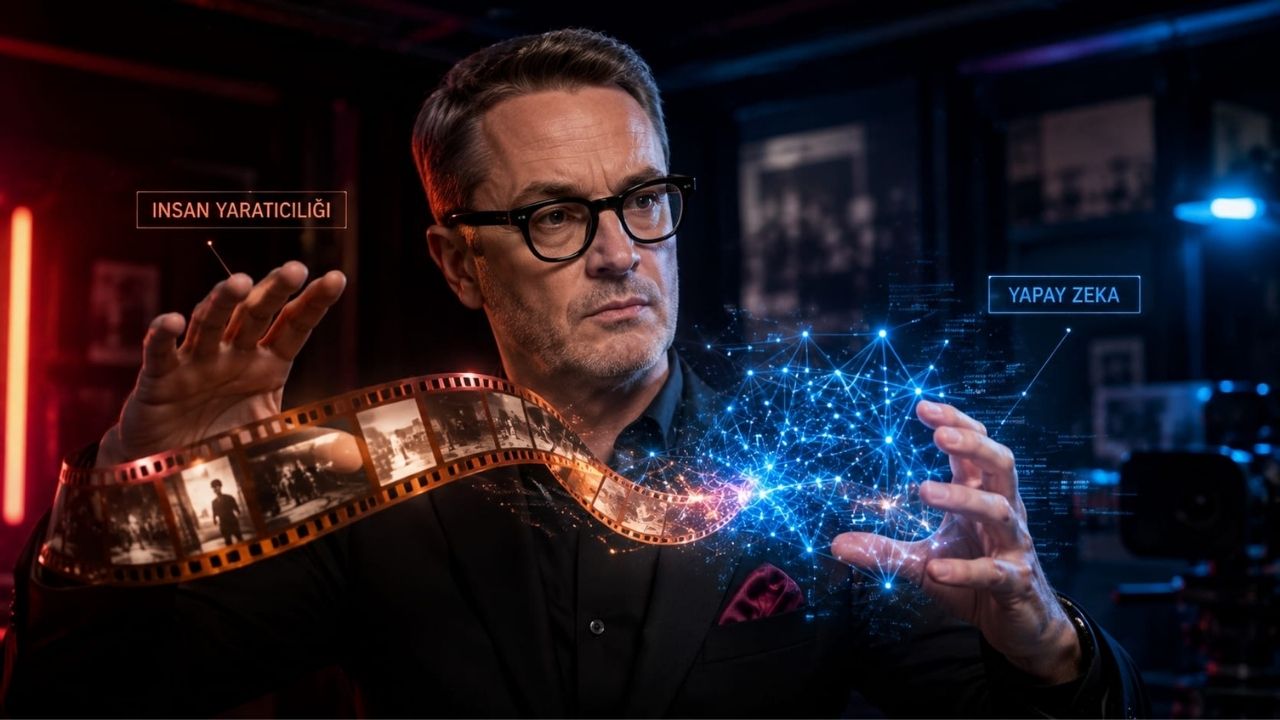
How Is AI Transforming the Film Industry?
Artificial intelligence is no longer only on the agenda of technology companies. Film studios, independent producers and content creators have also started to use these technologies in their production processes. Generative AI systems in particular have the potential to speed up many time-consuming processes. However, these developments also bring important debates about protecting creative labor and copyright.
To understand Refn's statements, it is necessary to look closely at how this transformation is reflected in the industry.
Use Cases of AI in Film Production
Today, AI is used as a supporting tool at many stages of film production.
Pre-production
The main applications used before production include:
Creating story outlines
Preparing concept art
Producing storyboards
Developing location sketches
Creating costume ideas
These tools can speed up the preparation process, especially for independent productions.
Shooting
AI-powered systems also offer various conveniences during filming.
These include:
Virtual production
Camera planning
Lighting simulations
Motion analysis
Shot optimization
applications like these.
Post-production
The use of AI in editing and image processing is becoming increasingly widespread.
The most common areas of use are:
Automatic editing suggestions
Audio cleanup
Image enhancement
Color grading
Subtitle generation
Lip synchronization
These technologies can offer cost and time advantages, especially for low-budget productions.
Can AI Replace Human Creativity?
Nicolas Winding Refn takes a clear position on this question. According to the director, AI can analyze existing data and repeat certain patterns. However, developing an original perspective, making sense of emotional experiences, and creating art drawn from personal life experience remain distinctly human qualities. Refn believes that technology can increase an artist's production capacity rather than take their place.
Why Did His Comments on Critics Become a Topic of Discussion?
One of the notable parts of the Variety interview was Nicolas Winding Refn's remarks about film critics. The director recalled that his films have sometimes received great praise and at other times harsh criticism over his career. Even so, he says criticism does not determine the production process. According to Refn, the real value of a film may emerge over years rather than in its first weeks in theaters.
How Do Cult Films Emerge?
There are many productions in film history that did not get the expected attention on release but reached cult status years later. Refn points to these examples to argue that short-term assessments are not always lasting. For this reason, he prefers to preserve his own cinematic approach when making films rather than act according to critics' expectations.
Is the Connection With the Audience More Important?
According to Refn, a film's success cannot be measured by critics' scores alone. What matters most is that the film continues to be watched for years and leaves a strong impression on its viewers. The fact that Drive is still regarded as one of the important productions of modern cinema is considered one of the most striking examples of this approach.
Why Has Hollywood Split Over AI?
In recent years, very different views on AI have emerged in Hollywood. One group argues that these technologies will lower production costs and offer new opportunities to independent filmmakers.
The other group has serious concerns about issues such as copyright, the use of digital copies of actors, and the protection of creative labor. Nicolas Winding Refn's statements offer a more balanced approach between these two views.
The Main Issues at the Center of the Debate
In Hollywood, AI debates focus mainly on three areas: copyright, digital actor technologies, and the creative rights of screenwriters and directors. These topics will remain among the most important items on the film industry's agenda in the coming years.
Refn, however, argues that rather than rejecting the technology entirely, using it within ethical rules would be a more sensible approach. In this way, he believes creative labor can be protected while benefiting from the opportunities new technologies offer.
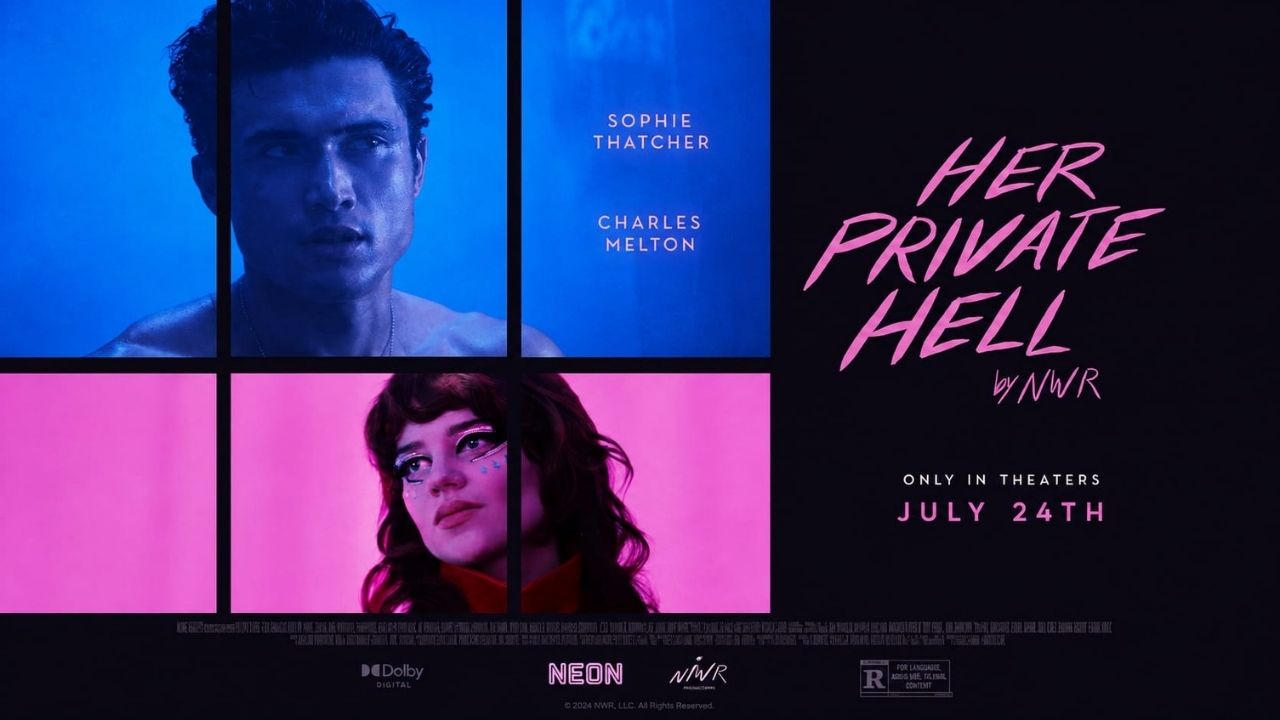
These assessments show that Her Private Hell will be not only a new film but also an important part of the discussion about the future of cinema in the age of AI.
What Does Nicolas Winding Refn's Approach to AI Mean for the Future of Cinema?
Nicolas Winding Refn's statements bring an unconventional perspective to the AI debate. The director sees technology not as a rival to human creativity, but as a tool that can improve the production process when used properly.
This approach differs from the two extreme views that advocate either a complete ban on AI or its unlimited use. According to Refn, the real issue is not the technology but the vision and ethical understanding of the person using it.
When film history is examined, it becomes clear that every technological innovation initially led to similar debates. Sound films, color imagery, digital cameras and computer-generated visual effects were all criticized in their early days. Over time, however, these innovations became a natural part of the language of cinema.
AI is expected to go through a similar process. In the coming years, directors and producers may use this technology more to support their creative processes. Even so, human creativity, original perspective and artistic interpretation will remain the core elements of cinema.
New Opportunities for Independent Cinema
One of the biggest potential effects of AI technologies is seen as the possibility for independent producers to create quality content with more limited budgets. For example, thanks to AI-powered tools:
Concept designs can be prepared in less time.
Storyboard production is accelerating.
Visual effects costs can decrease.
Sound editing and editing processes can become easier.
Marketing materials can be produced more quickly.
This may help narrow the production gap between large studios and independent producers over time.
Why Is the Human Touch Irreplaceable?
No matter how far technology advances, what makes a film leave a lasting impression on its audience is not technical quality alone. The emotions experienced by characters, the director's view of life, narrative language and aesthetic choices are values that AI cannot produce on its own.
Refn's statements focus precisely on this point. In his view, AI can speed up production, but the element that forms the soul of art is human experience.
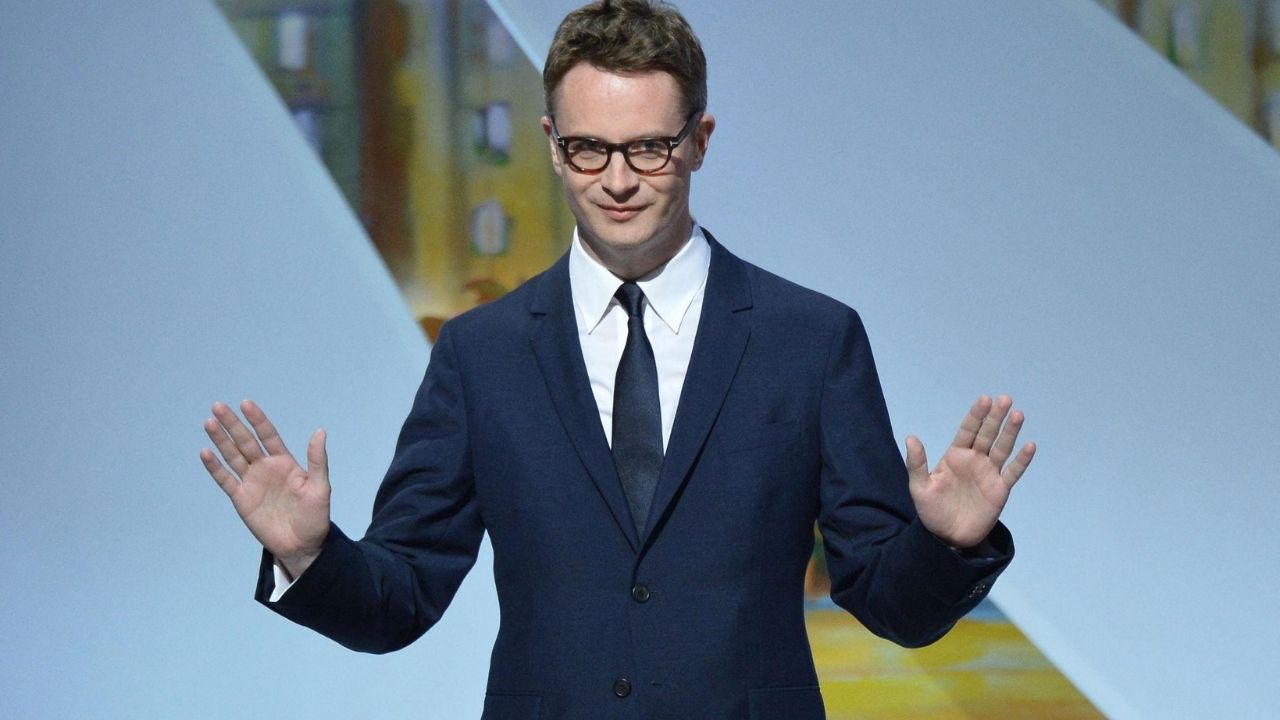
Why Does Nicolas Winding Refn Take a Different Approach to the AI Debate?
While many names in Hollywood voice concerns about the possible effects of AI on creative professions, Refn adopts a more balanced approach. According to the director, technology can support the development of art as long as it is used within the right limits. This perspective also differs from the view that sees AI merely as a tool for cutting costs.
Refn believes that the future of cinema will rest not on pitting technology against human creativity, but on a new production model that considers both together. For this reason, Her Private Hell stands out not just as a new film but as an important project that reflects the director's thinking about the future of cinema.
The assessments Nicolas Winding Refn shared in his Variety interview show that AI debates should be viewed from a broader perspective.
The director considers technology not as a force that replaces human creativity, but as a tool that can open the way to new forms of expression when used properly. This approach stands out at a time when debates over copyright and the protection of creative labor continue, especially in Hollywood.
Her Private Hell, which marks his return to feature filmmaking, is also an important example of how Refn's cinematic philosophy relates to today's technologies, not just a new film.
AI tools are expected to become more widely used in film production in the coming years. But as Refn also emphasizes, what makes cinema valuable will not be the technology itself, but the imagination, experience and storytelling skill of the people who use it.
Frequently Asked Questions
What did Nicolas Winding Refn say about AI?
Refn said that AI is not a technology that will replace cinema, and that it should be seen as a new tool that can support creative production.
Why is Her Private Hell important?
The film represents Nicolas Winding Refn's return to feature filmmaking after years and reflects the director's current approach to cinema.
In which areas of film production is AI used?
AI tools are used at many stages, including concept design, storyboard preparation, visual effects production, sound editing, editing, color grading, subtitle generation and marketing content.
Why are Ryan Gosling and Nicolas Winding Refn often mentioned together?
The two are known for their successful collaborations on Drive and Only God Forgives. Refn states that the partnership is built on mutual trust and a shared creative vision.
Can AI replace filmmakers?
Today's technologies are not capable of fully taking over the creative process. AI is seen as a tool that supports production processes.
What are the main topics in the AI debate in Hollywood?
Copyright, digital actor technologies, screenwriters' rights, ethical use principles and the protection of creative labor are among the most discussed topics.
WriterGemini 1 Milyar Kullanıcıya Ulaştı


AI Beni İzliyor mu: Yapay Zekanın Dünyayı Ele Geçirdiği Film