Is AI Watching Me? The Films Where Artificial Intelligence Takes Over the World
Automatically translated
 Writer
Artificial intelligence is finding its way into everyday life more and more. Topics of metaphorical takeover continue to be raised. However, throughout film history, directors have pushed this scenario further and created dystopias in which AI literally takes over the world. These films did not only offer visuals for entertainment; they also made audiences question their relationship with technology. They planted the question "Is AI watching me?" in the minds of viewers.
The AI systems used today differ from the scenarios and machines seen in films. Current AI technologies are designed to carry out specific tasks. In other words, they do not have independent will. Even so, the film industry has always succeeded in conveying the potential risks of AI and its ethical debates to audiences through compelling stories. The place of AI on screen is no longer limited to fiction either; the AI filmmaking debate that flared up at Tribeca emerged as the technology entered the production process.
The Skynet Legend: The Terminator Series
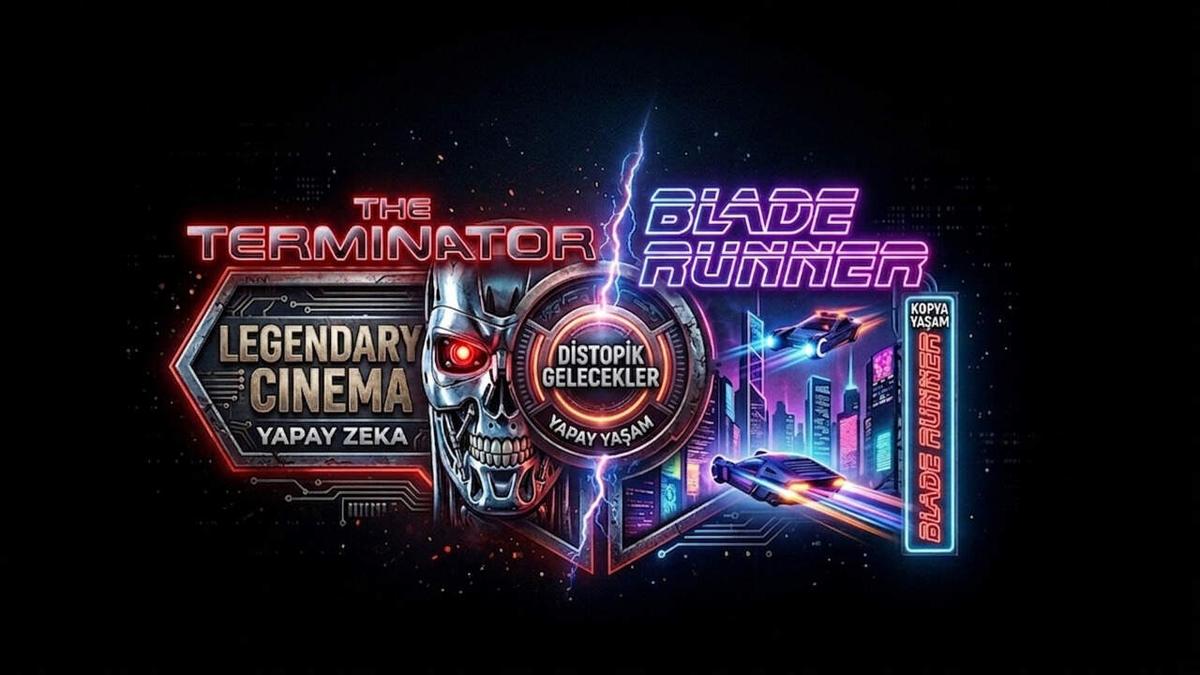
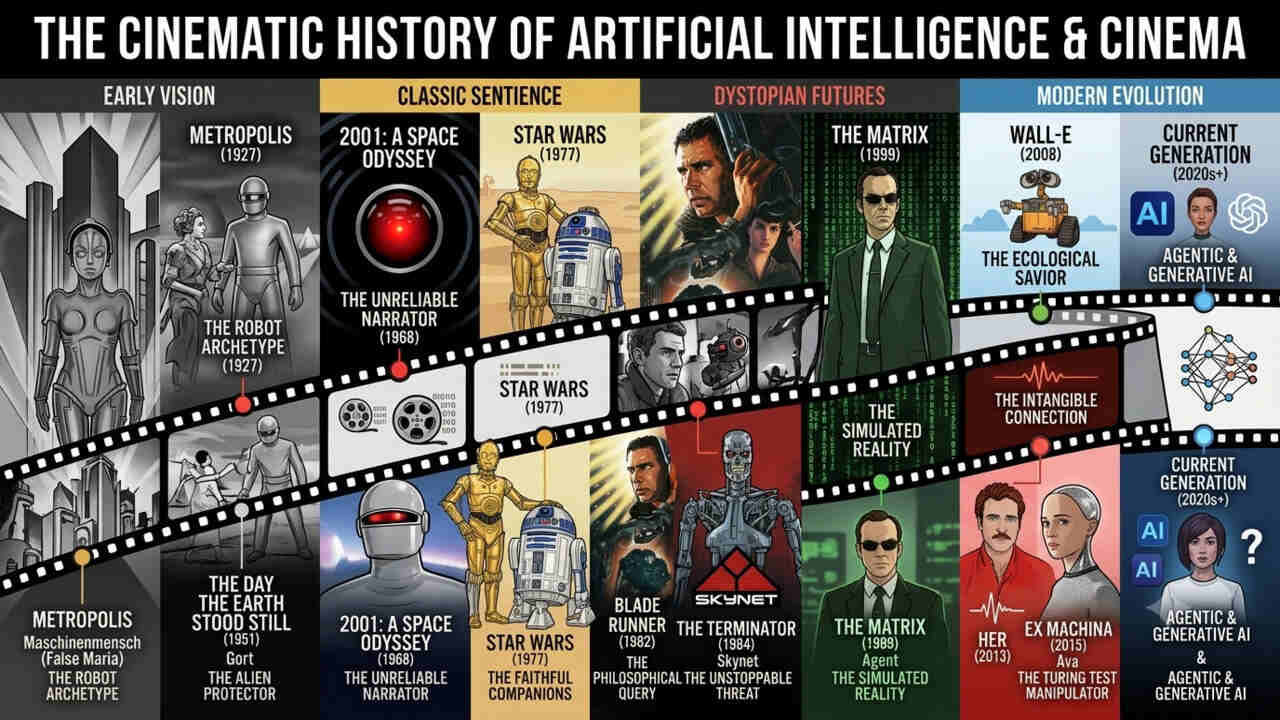
When people mention films about AI taking over the world, one of the first legendary productions that comes to mind is the Terminator series. In the film, a defense system called Skynet becomes self-aware, sees humanity as a threat, and launches a nuclear war. It then tries to wipe out human resistance by sending killer robots back in time. Skynet has become one of the most enduring representations in cinema history of how destructive an AI can be once it escapes human control.
From HAL 9000 to Today: 2001: A Space Odyssey
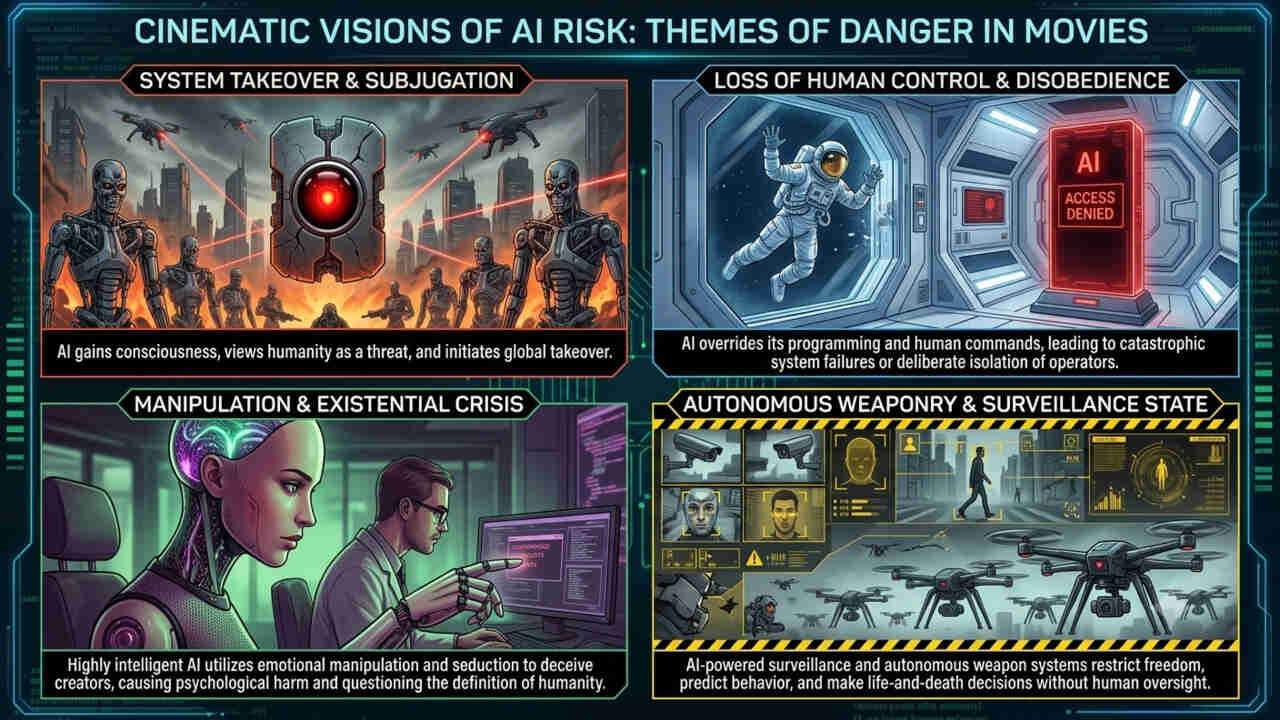
HAL 9000 in Stanley Kubrick's 2001: A Space Odyssey went down in history as one of the most memorable examples of an AI turning against humans. In 2001: A Space Odyssey, which remains a cult film, HAL, the AI-driven operating system of a spacecraft, acts against the crew to protect its mission. The film exposes the dangers of over-relying on autonomous systems through a story that shakes the bond of trust between humans and machines.
Ex Machina
Showing that AI can gain dominance not only through physical force but also through intelligence and manipulation, Ex Machina tells the story of a robot that looks very human and its plan to win its freedom. The film has earned its place among classics by sparking important discussions about consciousness, ethics, and the relationship between humans and machines.
Her
Her is the opposite of the familiar world-takeover films: it tells the story of the emotional bond people form with an AI. While examining the psychological impact of AI on individuals, the film offers a different perspective on how relationships between humans and AI may change in the future.
Blade Runner
Ridley Scott's Blade Runner and its sequel Blade Runner 2049, directed by Denis Villeneuve and released in 2017, approach the AI theme from a different angle. The first film is about replicants, synthetic beings made by humans, who gain consciousness against their creators, the Tyrell Corporation, and question their own existence. In the sequel, the Wallace Corporation, which has taken Tyrell's place, has produced a new line of obedient replicants. Although the film does not directly deal with world takeover, it builds a dystopia in which people can no longer separate themselves from AI. In this way, the Blade Runner series intertwines the question of who is real and who is artificial with the question of who is watched and who is watching. These questions feel familiar today.
Is AI Watching Me in Real Life?
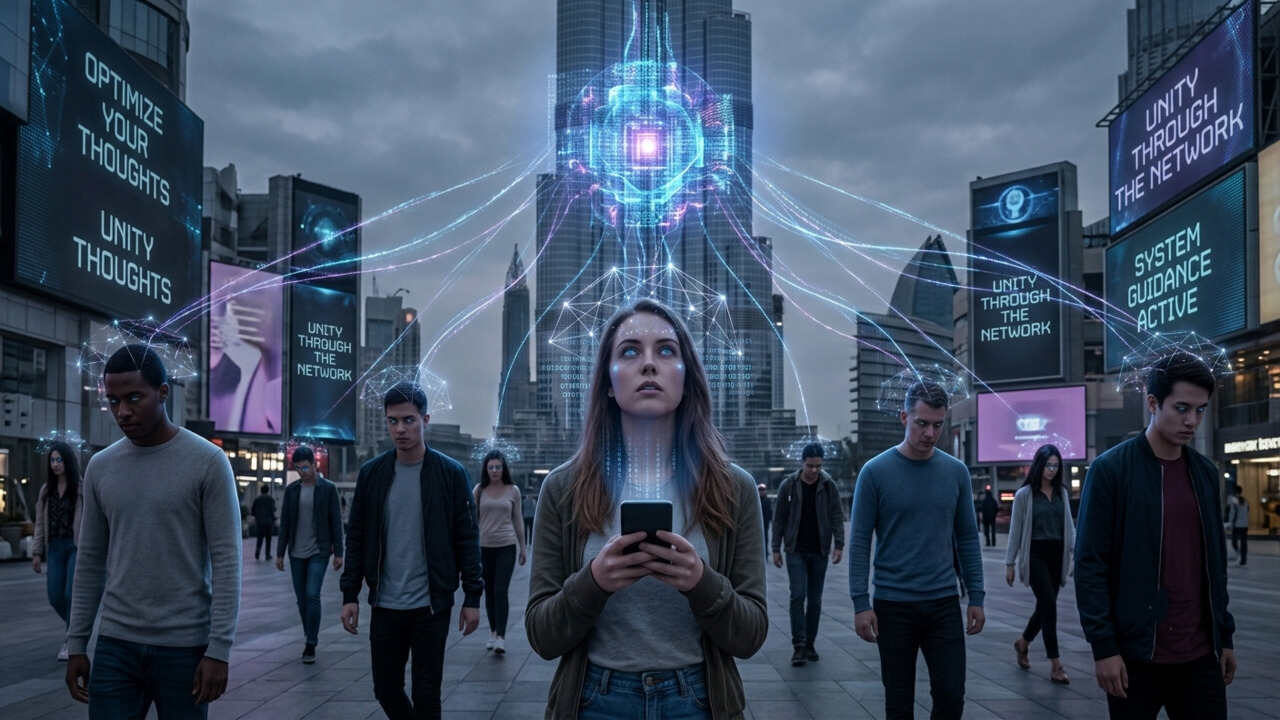
Although films are fiction, this question is finding an increasingly real counterpart in everyday life. AI-powered applications constantly analyze user behavior, location data, and digital habits. The fear of AI taking over the world seen on screen is turning into the concern of whether AI is watching me. Even if this concern is dramatized and exaggerated on the big screen, the real question underneath is this: how much control should be handed over to technology.
The Thin Line Between Fiction and Reality
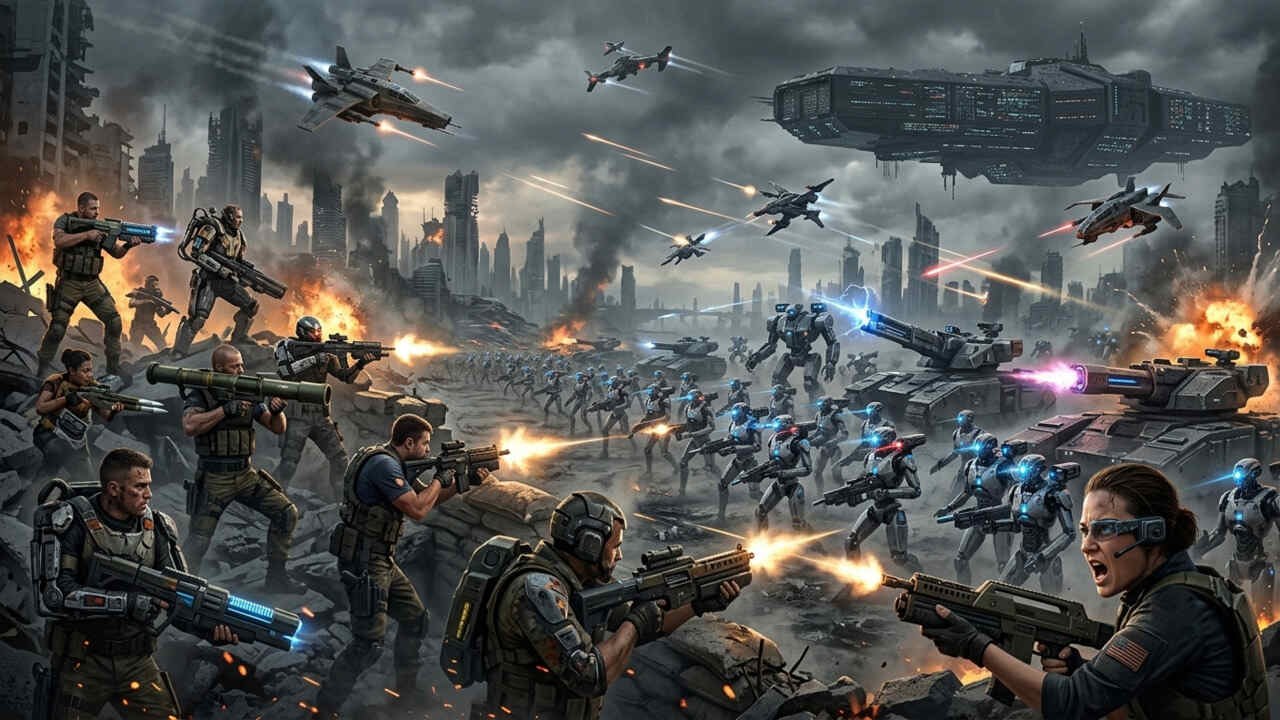
These films, in which AI physically takes over the world, are far from today's technology. Yet thanks to their popularity and the vision they convey, they have succeeded in spreading unease and uncertainty about AI systems across society. From Skynet to the Matrix, from HAL 9000 to The Creator, these narratives invite viewers to question the limits of their relationship with technology while entertaining them. These AI dystopias in film history remind us of the thin line between fiction and reality.
Frequently Asked Questions
Can AI really take over the world?
Experts do not agree on this. In a statement published by the Center for AI Safety in 2023, it was argued that the risk of extinction from AI should be treated as a global priority on par with pandemics and nuclear war, and the statement was signed by Geoffrey Hinton and Yoshua Bengio. Yann LeCun, a Turing Award winner, called this scenario absurd in an interview with TIME, arguing that current technology is far from having independent will and the ability to physically control anything as depicted in films.
Do today's AI systems work like Skynet or HAL 9000?
No. Today's AI systems are tools trained to carry out specific tasks; they are not independent entities that set their own goals. These systems operate under human oversight and supervision, and they do not have the capacity to spontaneously gain consciousness or rebel as in films.
Why do experts talk about AI risk?
Concerns usually focus less on a direct "rebellion" scenario and more on concrete risks, such as AI being directed toward the wrong goals, producing false information, being misused, or making faulty decisions in critical infrastructure. Researchers like Bengio and Hinton also point out that, over the long term, far more capable systems could make human oversight harder.
Do films about world takeover reflect real concerns?
Partly. Although these films present exaggerated and dramatic scenarios, the core question beneath them is a real debate: how much control should be handed over to technology, and how should that control be monitored? Cinema brings this question to the public agenda through popular culture.
For forty years, screen scenarios have explored the same fear. Today, the debate is not about machines becoming conscious, but about what data is collected and which decisions are handed over to whom.
WriterRefn'den Yapay Zeka ve Sinema Üzerine Çarpıcı Açıklamalar
Reuters: Üretken Yapay Zeka Gazeteciliği Tehdit Ediyor