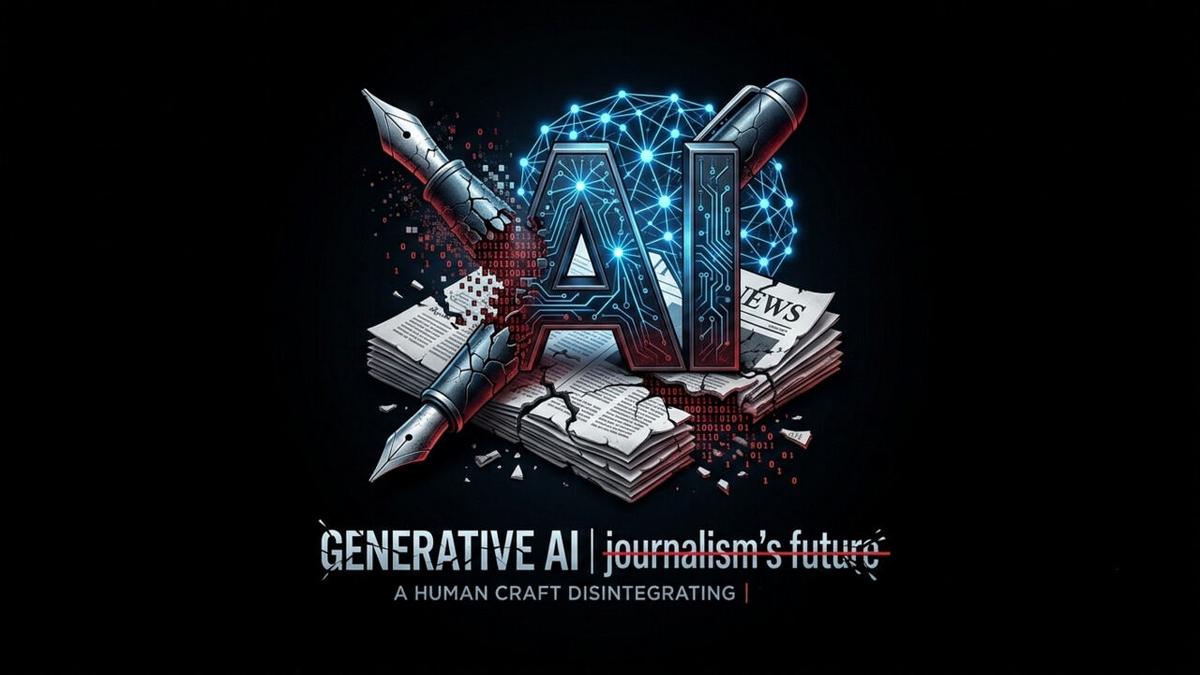
Reuters: Generative AI Threatens Journalism
Automatically translated
 Writer
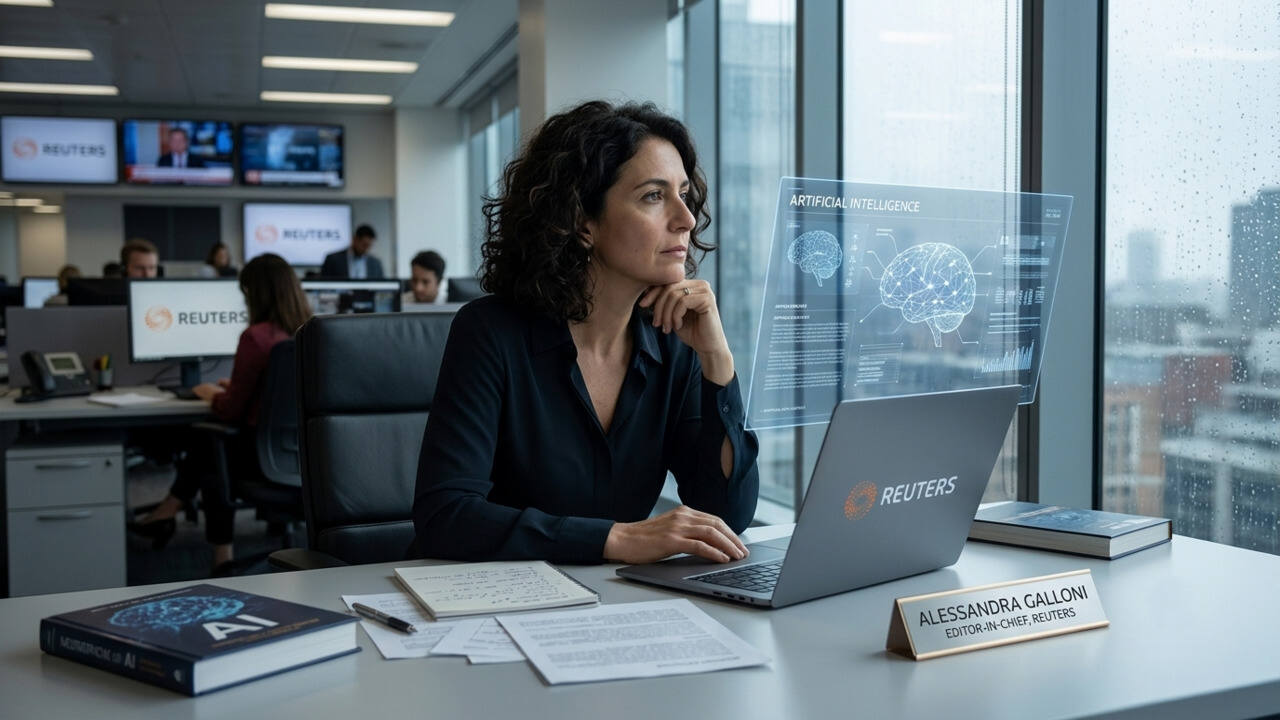
Reuters Editor-in-Chief Alessandra Galloni warned that the use of generative AI poses a potential threat to news organizations. In her speech at the Andrew Olle Media Lecture in Sydney on July 21, 2026, she said AI companies are using content produced by news organizations without paying for it. She also added that AI brings efficiency to the media sector in areas such as news summarization, content drafting, translation and data analysis.
According to Galloni, if accuracy, trust and editorial perspective, the foundations of journalism, are not protected, the benefits of AI may remain limited. She stated that human involvement will remain indispensable in news production.
Journalism Is at Risk Without a Sustainable Business Model
Alessandra Galloni said that trust is the most valuable asset of the news industry, adding: "Readers need not only fast information, but verified and reliable news." Established news companies such as Reuters view AI not as a replacement for journalists, but as an assistant. Galloni emphasized that democracy would suffer without reliable and independent journalism, and that journalism would be in danger unless a sustainable business model is established.
According to Galloni, users increasingly access information through generative AI-powered products rather than news websites and apps. As a result, the question of intellectual property rights is becoming more important than ever.
AI Is Both an Opportunity and a Threat
Galloni describes AI as both an opportunity and a threat for journalism. She acknowledges that the technology can improve processes such as news flow and help journalists work more efficiently. However, she stresses that this potential can only be realized through responsible use. She therefore emphasizes that this power must be used correctly. The editor-in-chief says mainstream media can sell its verified news to AI companies on the condition that sources are cited and paid for. According to AAP, she also adds that unless something changes, everyone will lose in this process.

What Risks Does AI Pose to Journalism?
The spread of generative AI in the media sector brings several risks. One of the most notable is what is called hallucination. AI models can sometimes present documents or statements that do not exist as if they were real. When content that seems correct at first glance but turns out to be inaccurate after checking is published, it spreads false information. AI content detection tools developed to identify such content are also on publishers' agendas. Another risk concerns copyright and content ownership. How AI is used with news content remains a subject of debate worldwide. Industry companies are calling for clearer measures on data security and sourcing.
Growing Concern Across the Sector
Galloni's warnings come at a time when concerns are growing about AI companies using journalistic content without cooperation. At the 77th World News Media Congress in Marseille on June 1-3, 2026, publishers discussed how generative AI is changing news distribution, engagement and licensing. Publishers continue to develop legal strategies to protect copyrighted journalism, and on the last day of the congress it was announced that 30 new publishers joined the SPUR Coalition. Galloni's call emphasizes protecting licensing agreements with AI companies. The copyright lawsuit that The New York Times filed against OpenAI and Microsoft reflects a similar situation in court.
The advantages AI brings to the news production chain and the risks it creates often exist side by side within the same function.

Topic | Advantage | Risk |
|---|---|---|
News Writing | Prepares news drafts within seconds, saving time for editors. | Can produce content containing incorrect or incomplete information (AI hallucination). |
Fast News Flow | Enables faster processing of breaking news developments. | Speed-focused production can lead to verification processes being neglected. |
Data Analysis | Analyzes large data sets to reveal trends with news value. | Misinterpretation of data can lead to erroneous stories. |
Translation and Localization | Enables news to be translated quickly into different languages. | Translation errors can cause loss of meaning and misinformation. |
Content Summarization | Summarizes long reports and documents in a short time. | Critical details or context may be missed. |
Visual and Video Production | Can create visual drafts that may be used in news stories. | Deepfake content and fake visuals can increase trust problems. |
Editor Efficiency | Reduces the routine workload of journalists, allowing them to devote more time to investigative reporting. | If human editorial oversight is sidelined, quality and ethical standards may decline. |
Personalized News | Can offer readers content suited to their interests. | Can create filter bubbles and limit access to different viewpoints. |
Cost Management | Can reduce operating costs in repetitive content production processes. | Can increase concerns about staff employment. |
Trust and Reputation | Supports news production processes when used correctly. | If false information spreads, the credibility of the media organization can suffer. |
Frequently Asked Questions
What is Galloni's main concern?
That AI companies will continue to use content produced by news organizations to train their models without permission or compensation. Galloni argues that this threatens the future of the journalism sector.
What solution does Galloni propose?
She argues that mainstream media should be able to license its verified news to AI companies, on the condition that it is represented accurately, sources are cited and it is paid for.
Does Reuters not use AI at all?
No. Reuters allows journalists to use approved AI tools for certain editorial tasks, but requires that people remain responsible for all published news.
The scope and pricing of licensing agreements have not yet been standardized across the sector. Publishers' joint efforts and ongoing court cases will show in the coming period who will set this standard.
WriterAI Beni İzliyor mu: Yapay Zekanın Dünyayı Ele Geçirdiği Film


ABD Özel Şirketlere Siber Operasyon Yetkisi Verdi