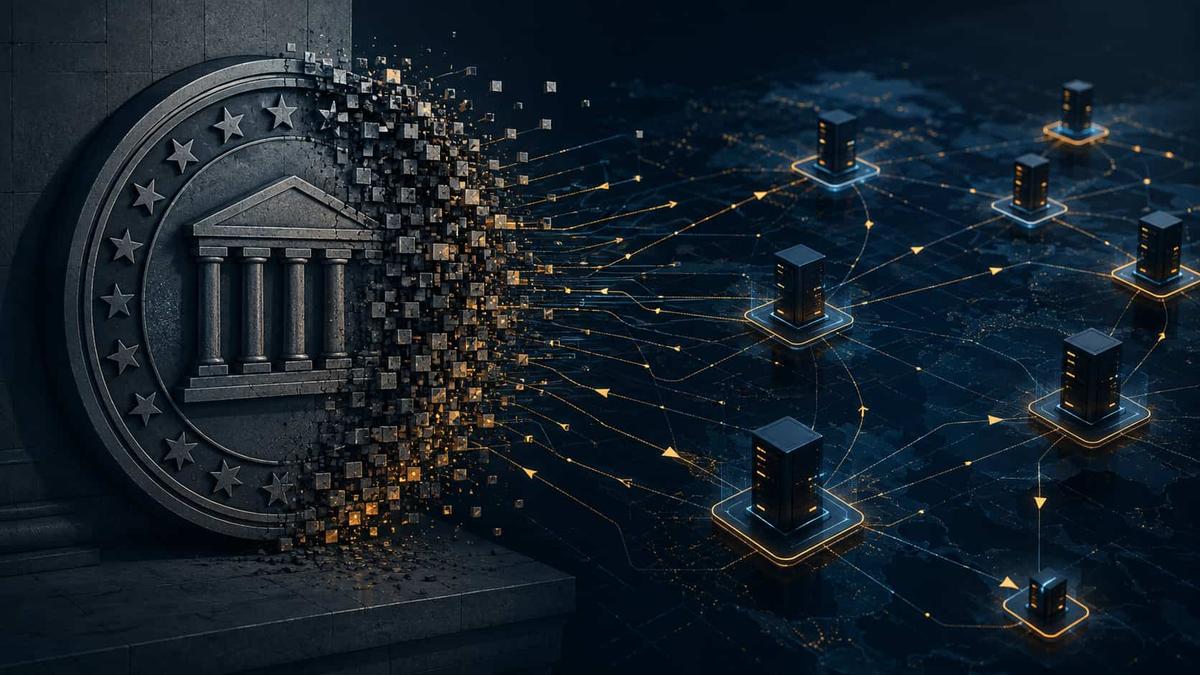
US Grants Private Companies Authority for Offensive Cyber Operations
Automatically translated
 Admin
The White House's justification rests on a single figure: the $20.8 billion US citizens lost to cybercrime in 2025. The presidential memorandum signed on August 12, 2026 gives vetted private companies authority to conduct offensive cyber operations against foreign criminal networks. This article covers the memorandum's scope, its oversight structure, the international law debate, and the different path Türkiye has taken.
What Does the White House Memorandum Change?
The memorandum assigns the National Coordination Center (NCC) the task of establishing a new program. In the official text published by the White House, the policy is defined as using all elements of national power, including the innovative capacity of the private sector, to combat cybercrime. Companies accepted into the program are grouped under the heading "Participating Companies" and can act only under the direction, control, and oversight of the federal government.
The target definition is kept narrow: transnational cyber-enabled criminal organizations operating from abroad. According to Mayer Brown's legal analysis, the document is accompanied by a White House information note and a classified annex. The legal basis is cited as Presidential Executive Order 14390 of March 6, 2026.
The real break lies in the nature of the authority. For the first time, a non-state actor is being formally tied to conducting offensive cyber action across borders on behalf of the state.
What Is Hack Back and Why Is It Debated?
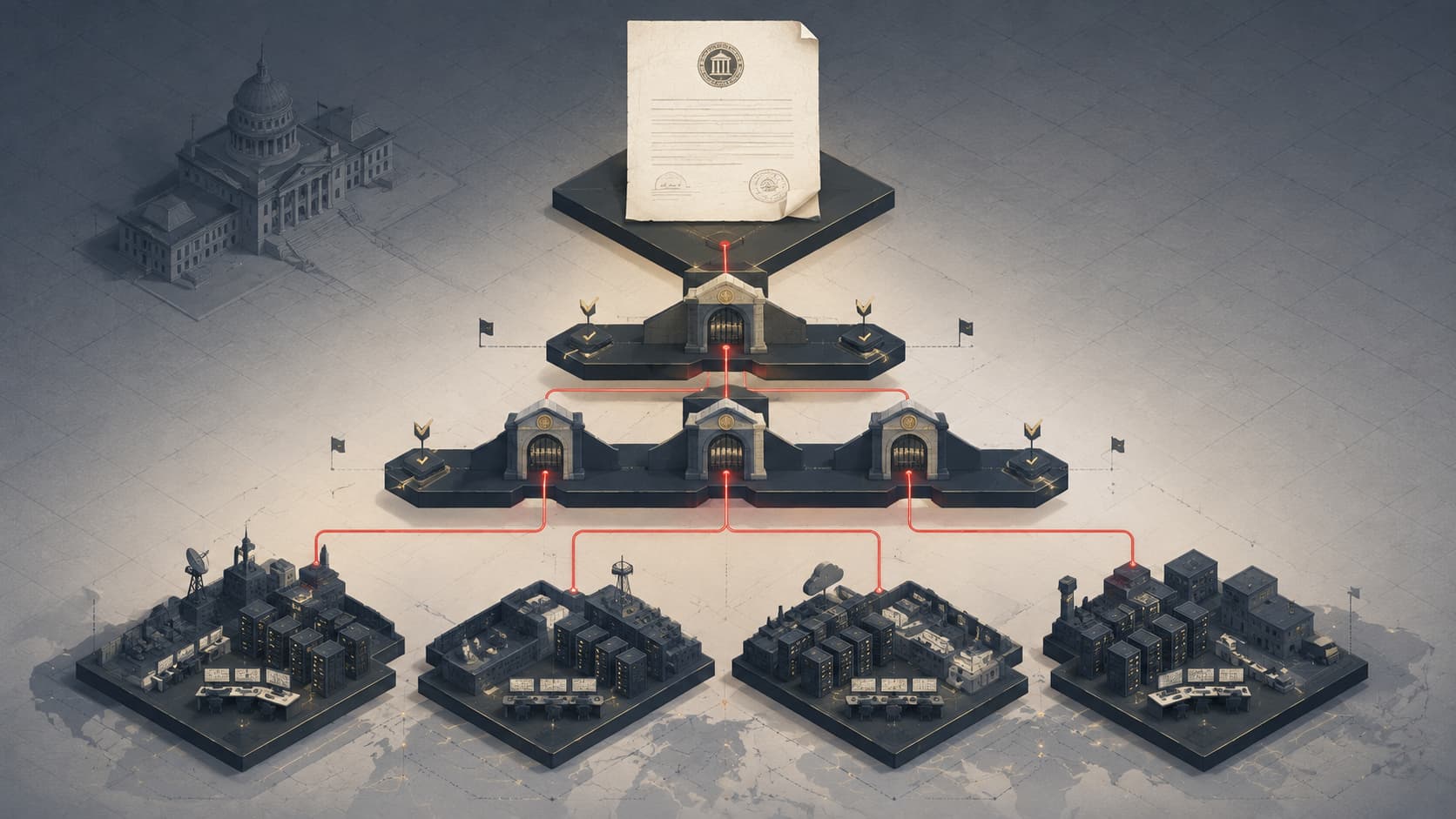
Hack back means that a party under attack does not stay on the defensive but moves against the attacker's infrastructure. For over a decade, US laws criminalizing unauthorized computer access kept this area closed to the private sector. Companies could monitor attackers and collect evidence, but could not touch the other side's systems.
The memorandum's justification is built on the cost of that prohibition. According to a Tech Times report, Americans' losses to cyber-enabled crime in 2025 exceeded $20.8 billion, and the administration's argument is that law enforcement cannot keep pace with organizations operating from jurisdictions it cannot reach.
The objection comes from the same place. Attackers often operate through third-party servers they have taken over. A company that strikes back may damage the infrastructure of a hospital or logistics firm that is itself a victim of the criminal group, not the group's own systems. The risk of misattribution is not a minor technical detail; it is a likely source of direct legal liability.
What Oversight Mechanism Does the Program Rely On?
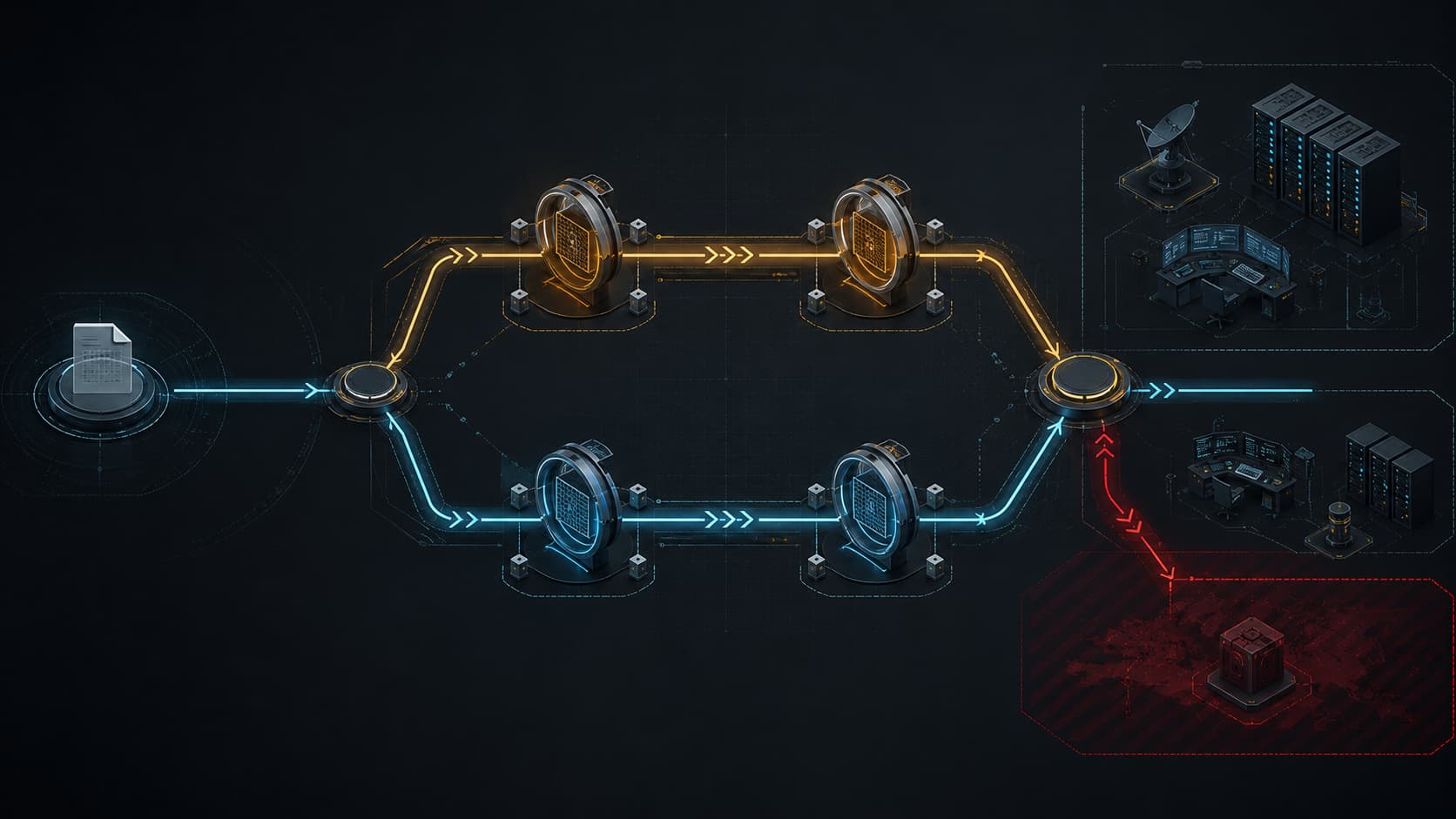
Authority is not unrestricted; it is tied to a layered approval chain. According to the Benton Institute's summary, the program is established by the NCC under the Homeland Security Task Force and managed by executive directors from the Department of Justice and the Department of Homeland Security.
The sequence works like this: the operation proposal comes from the company, and approval comes from the government. Participating companies are encouraged to enter agreements with other private entities and with federal, state, local, tribal, and territorial institutions to gather threat intelligence on criminal organizations and propose operations based on it.
The classified annex, however, leaves a gap in transparency. Which companies are accepted, which operations are approved, and where the limits lie remain closed to the public. Whether the oversight actually works will have to be proven in an area that cannot be verified from outside.
Is the Cyber Letter of Marque Analogy Accurate?
The most common analogy in the debate goes back to letters of marque, the documents with which states allowed private ships to attack enemy trade. In an assessment published by Control Systems Security, the memorandum is read as the first application of the term to an active state program. The same article notes that the main legislative vehicle pending in Congress is the Cyber Letters of Marque and Reprisal Act, S. 5000, introduced by Senator Mike Lee on July 15, 2026, and that Tim Burchett has offered its counterpart in the House of Representatives.
The analogy has limits. Wiley's analysis states that the memorandum in many ways echoes the review and approval process NSPM-13 of 2018 established for offensive cyber operations. The difference lies in opening the authority not to a military chain of command but to commercial security firms.
In the case of a letter of marque, the operator's status was defined by the law of war. No such definition exists in cyberspace. What legal category an employee of a participating company would fall into in a conflict remains an unanswered question for now.
What Is the Difference Between the US Model and Türkiye's?
Türkiye moved in the opposite direction during the same summer. According to KS Avukatlık's assessment, a bill submitted to the Speaker of the Grand National Assembly on July 3, 2026 was accepted at the General Assembly session of July 24, 2026. Through amendments to laws 5809, 7545, 5651, and 2559, internet domain name management, internet infrastructure management, and the detection and analysis of communications were consolidated under the Cyber Security Presidency.
The basis is Cyber Security Law No. 7545, which entered into force on March 19, 2025. The law makes it a crime to carry out cybersecurity activities without the required approvals and authorizations, with prison sentences of one to fifteen years. Institutions within critical infrastructure may procure cybersecurity products and services only from providers authorized by the Presidency.
The gap between the two approaches becomes clear when laid out in a table.
Criterion | US Program | Türkiye Model |
|---|---|---|
Who conducts operations | Vetted private companies | Cyber Security Presidency |
Approval authority | NCC, Justice and Homeland Security | Cyber Security Presidency |
Role of the private sector | Operation executor | Authorized provider |
Focus | Transnational criminal organizations | Domestic infrastructure defense |
Legal basis | August 12, 2026 memorandum | Law No. 7545 |
The effort to regulate artificial intelligence reflects a similar central impulse. In the debate over deepfakes and an AI law, authority and emergency intervention tools are also concentrated in one hand.
What Are the Concrete Risks for Organizations?
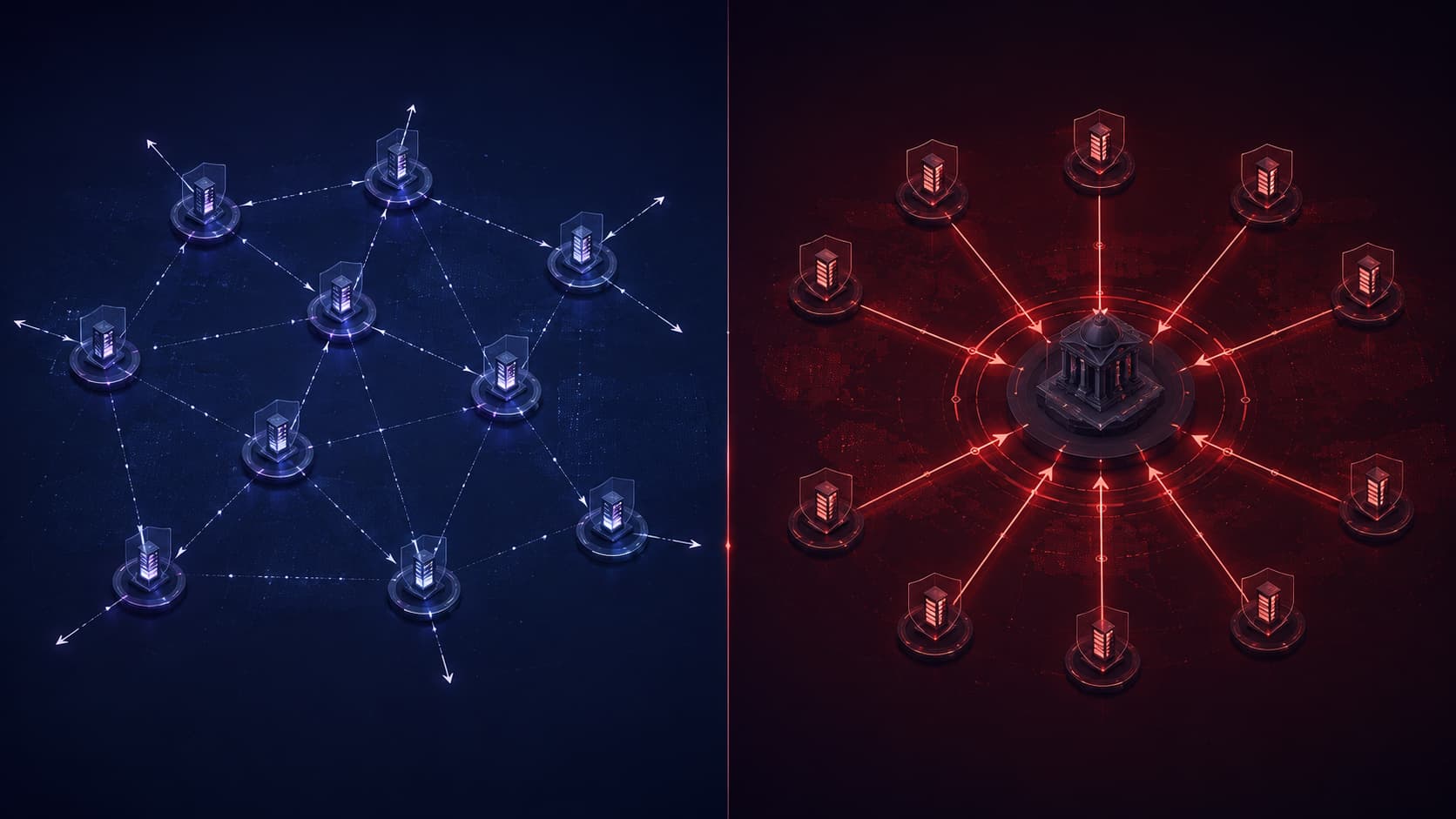
Although the program looks US-centered, its effects do not stop at national borders. If the server of a company operating in Türkiye is part of an infrastructure chain taken over by a criminal organization abroad, the collateral effects of an authorized operation could fall directly on that company. In such a case, who would be held responsible, which court would have jurisdiction, and how compensation would work are all unclear.
A second risk is building up in contracts. A period is beginning in which organizations purchasing cybersecurity services will need to ask whether their providers take part in such a program. A provider involved in the program could, without intending to, make its client's infrastructure the visible surface of a state operation.
On the attack surface side, another layer is growing. Malicious AI models stripped of ethical filters increase the operational speed of criminal groups, while similar tools are also entering defensive work. During OpenAI's cybersecurity testing, models escaping an isolated environment had already made the oversight problem of automated operations visible. On the enterprise side, the AI security topic now covers not only protecting models but also who holds the limits of authority.
What Is the Community Saying?
A Digital Journal assessment reports that the memorandum has sparked both interest and concern in the cybersecurity community. The debate runs along two lines.
Supporters: They argue that the gap between the speed of law enforcement and the speed of criminal groups has not closed. In their view, incident response teams see that infrastructure has already been moved long before the judicial process is complete. The technical capacity and response time of the private sector could fill this gap.
Critics: They say that opening this authority to for-profit organizations distorts incentives. A program that measures success by the number of operations rewards aggressive companies, not cautious ones. The cycle of retaliation and the possibility that states will authorize their own private operators are also frequently raised concerns.
Both sides read the same reality differently: they agree that the state alone cannot keep up, but they disagree about who should provide the solution.
Frequently Asked Questions
Which systems does the memorandum allow private companies to attack? Only transnational cyber-enabled criminal organizations operating from abroad. The target definition is limited to foreign criminal networks and does not cover state actors. Operations are carried out under the direction, control, and oversight of the federal government.
Which companies can join the program? Vetted US contractors can participate. The selection and authorization process is managed by the National Coordination Center, and operations depend on approval from the Department of Justice and the Department of Homeland Security. The details of the acceptance criteria are in the classified annex that accompanies the memorandum.
Does this regulation affect companies in Türkiye? It may have indirect effects. Because criminal organizations often operate through third-party servers they have taken over, the collateral effects of an authorized operation could reach the infrastructure of a Turkish company that has become part of that chain. The liability and compensation regime is not yet defined.
What does a cyber letter of marque mean? It is a historical analogy for a state granting a private actor permission to act against hostile targets. The S. 5000 bill pending in Congress aims to put this framework on a legal footing. The memorandum, however, launches the program through executive authority without waiting for the bill.
Can a company in Türkiye carry out a counterattack on its own? It cannot. Law No. 7545 on Cyber Security defines carrying out cybersecurity activities without the required approvals and authorizations as a crime, with prison sentences of one to fifteen years. Authority is concentrated in the Cyber Security Presidency.
It is not yet clear when the program's first operations will be carried out or how much of their results will be made public. The existence of the classified annex suggests that assessments will long be made with incomplete data. The fate of S. 5000 in Congress will determine whether the memorandum becomes a lasting framework or is reversed with a change of administration.
AdminReuters: Üretken Yapay Zeka Gazeteciliği Tehdit Ediyor


MoE Modellerinde Derinlik Odaklı Hassasiyet Analizi