


AI-Written Book Removed from Goncourt Prize
Automatically translated
 Writer
Literary history has witnessed countless crises, from masterpieces written under pseudonyms and plagiarism scandals to ghostwriters and censorship disputes. However, the latest news from Paris's intellectual circles has taken traditional debates about copyright and originality into entirely uncharted territory. The jury of the Goncourt Prize, considered France's oldest and most prestigious literary award, announced that it had removed C'était ça ou mourir (This or Death), a novel featured on its 2026 longlist and sitting at the top of the country's bestseller charts for weeks, from the competition. The reason behind the decision is a claim that has sent shockwaves through the literary world: a significant portion of the book was allegedly written by generative artificial intelligence.
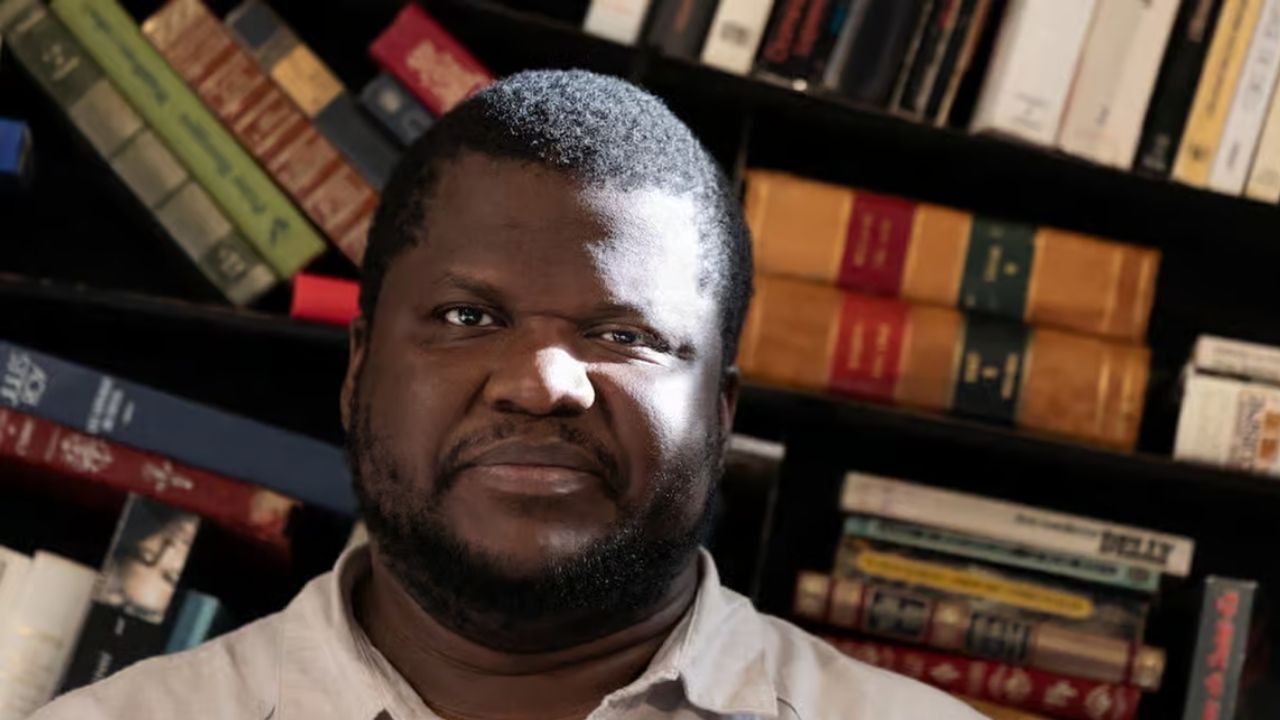
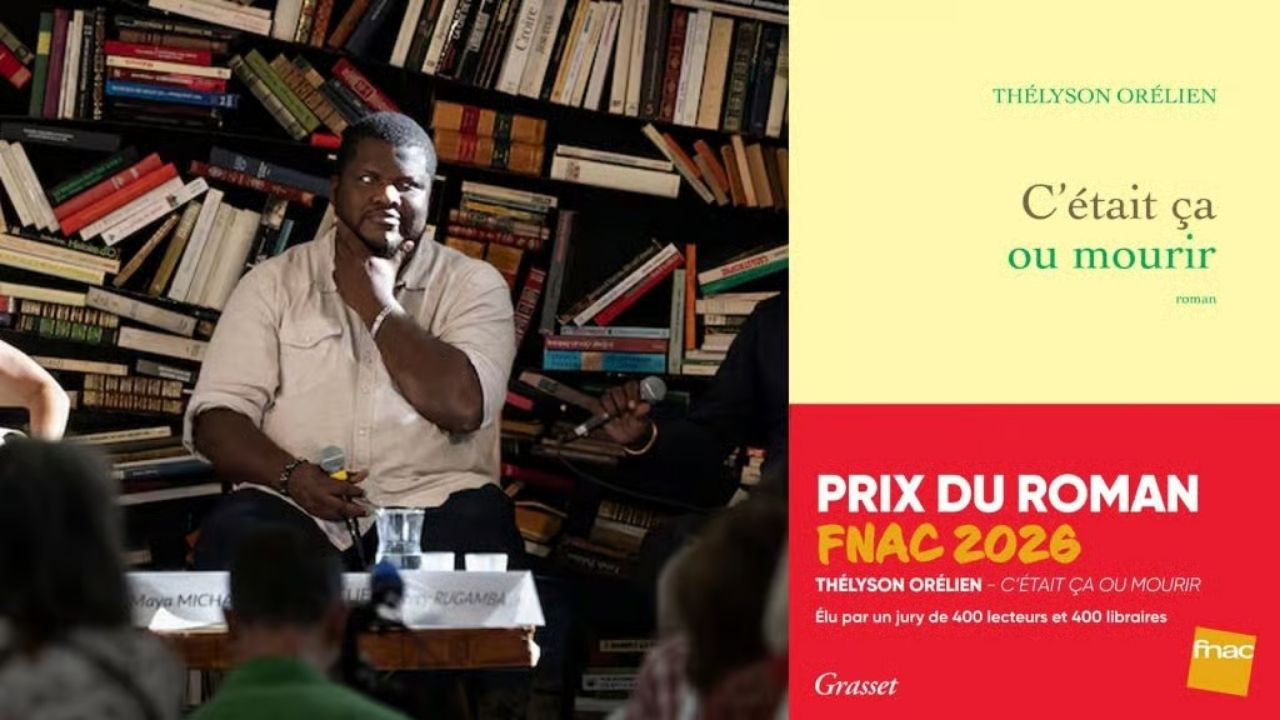
Written by Haitian-Canadian author Thélyson Orélien, the novel had won another of France's prestigious literary awards, the Prix du roman Fnac, just weeks earlier and had been hailed by critics as the freshest literary voice of the year. However, recent developments reveal how the reality of AI-written books has penetrated even the traditional strongholds of art and how fragile the concept of "authorship" has become in the digital age.
A Cold Announcement in Paris: Académie Goncourt's Uncompromising Stance
Shortly after announcing its 16-book longlist, Académie Goncourt was shaken by an unexpected decision. After evaluating technical analyses presented by independent researchers, journalists, and linguists, the jury concluded that the text's structure was "most likely compiled from artificial intelligence outputs" and disqualified the novel from the competition.
In its official statement, the Academy emphasized the award's historical mission: “The Goncourt Prize was established to recognize literature produced by living women and men, that is, by the human mind and spirit.” By considering the involvement of generative algorithms in the literary production process a clear violation, the jury drew a firm red line that could set a precedent in literary history. As detailed in Dexerto's in-depth report covering the background of this controversy, the scandal was actually sparked not in Parisian literary salons but by a digital detective investigation that erupted on social media.
"Balance ton Claude" and a Social Media Investigation
It all began with posts from an anonymous account on X called "Balance ton Claude" (Expose Your Claude), a reference to Anthropic's famous language model. The account announced that it had uploaded lengthy passages selected from Orélien's novel to Pangram, one of the popular AI detection tools on the market.

The results were shocking: More than 90% of the key passages analyzed were allegedly machine-generated. Although it later emerged that one of the people behind the account was French essayist Samuel Fitoussi, the debate had already spread far beyond the confines of literary circles.
Immediately following these allegations, the Montreal-based newspaper La Presse took a closer look at the author's previous works. Investigations revealed that Orélien had used unauthorized excerpts from French writer Louis Pauwels in a 2012 short story and from The Philippine Star newspaper in a 2013 opinion column. These past plagiarism incidents became one of the strongest factors reinforcing the Goncourt jury's suspicions.
Although the book's publisher, Boréal, argued that the first drafts of the work had been submitted in 2019, long before generative AI entered our lives, it suspended promotional activities for the novel. Firmly denying the allegations, Orélien stated that he had withdrawn from public life to protect his psychological and physical health, declaring: "If you handed me a pen today, I would write exactly the same book, word for word."
The Algorithmic Dilemma Behind the Scenes: How Reliable Can a Detector Really Be?
Beyond the literary and ethical dimensions of the incident, the issue has an entirely different side for technology enthusiasts and software developers: How technically reliable is the claim that a text was written by artificial intelligence?
Nearly all AI detection tools currently in use rely on two fundamental probability metrics:
Perplexity (Surprise / Predictability): Measures how easily a language model can predict the next word in a text it reads. Low perplexity indicates that the text closely matches the model's learned patterns and is written in a "predictable / average" style.
Burstiness (Sentence Rhythm Variation): When writing, humans frequently vary sentence lengths and structures; sometimes they use very short sentences, while at other times they construct complex sentences that span entire pages. AI, on the other hand, generally produces outputs with more uniform and balanced sentence lengths.
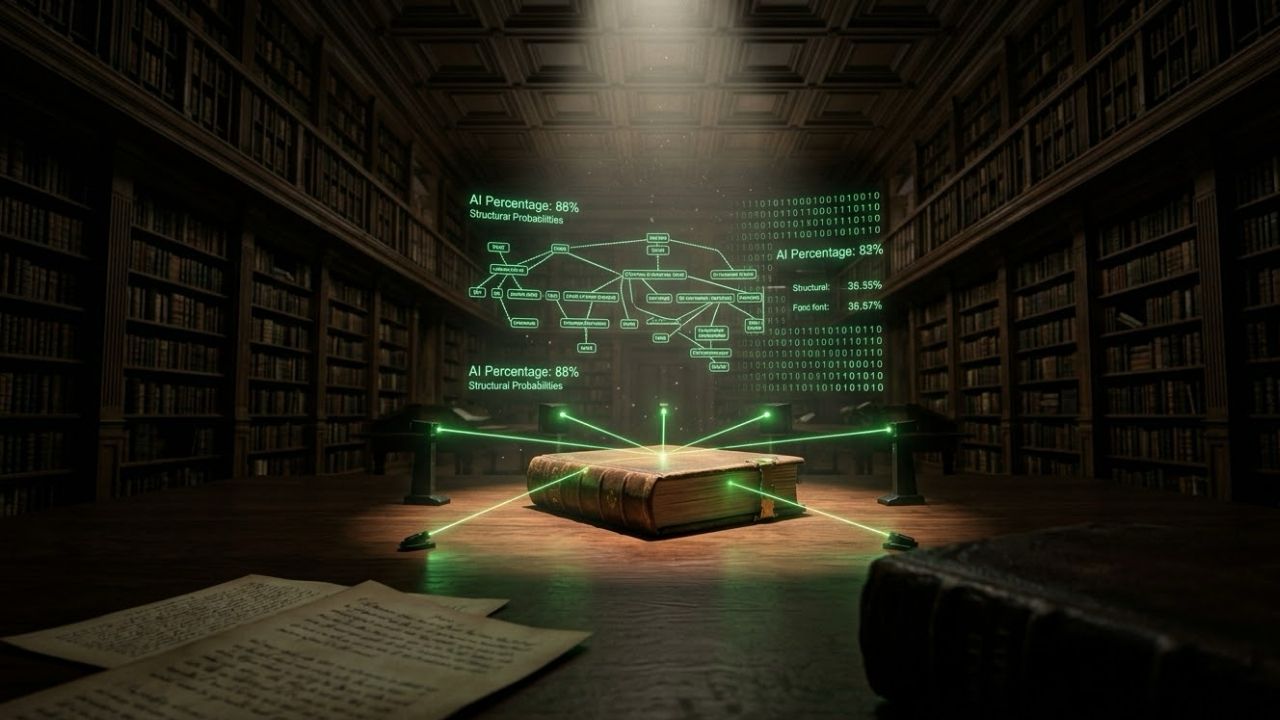
This is precisely where the problem begins: Literary style is an art form that already stretches the rules of language and sometimes deliberately creates a uniform rhythm. When Orélien's novel was tested using different detection tools (GPTZero, CopyLeaks, Turnitin, etc.), the results were completely contradictory. While one tool labeled the text as "98% AI-generated," another classified the exact same passage as "80% human-written." The underlying mechanics of large language models are also relevant here.
Stanford Research: Algorithmic Bias Faced by Non-Native Writers
The most concrete scientific evidence that the tech community should not overlook in this case comes from a study on bias in AI detection tools conducted by Stanford University. In independent tests carried out by Stanford researchers, TOEFL essays written by international students whose native language was not English were scanned using seven different AI detection engines. The results showed that more than 61% of the texts were incorrectly labeled as "AI-generated" (false positives).
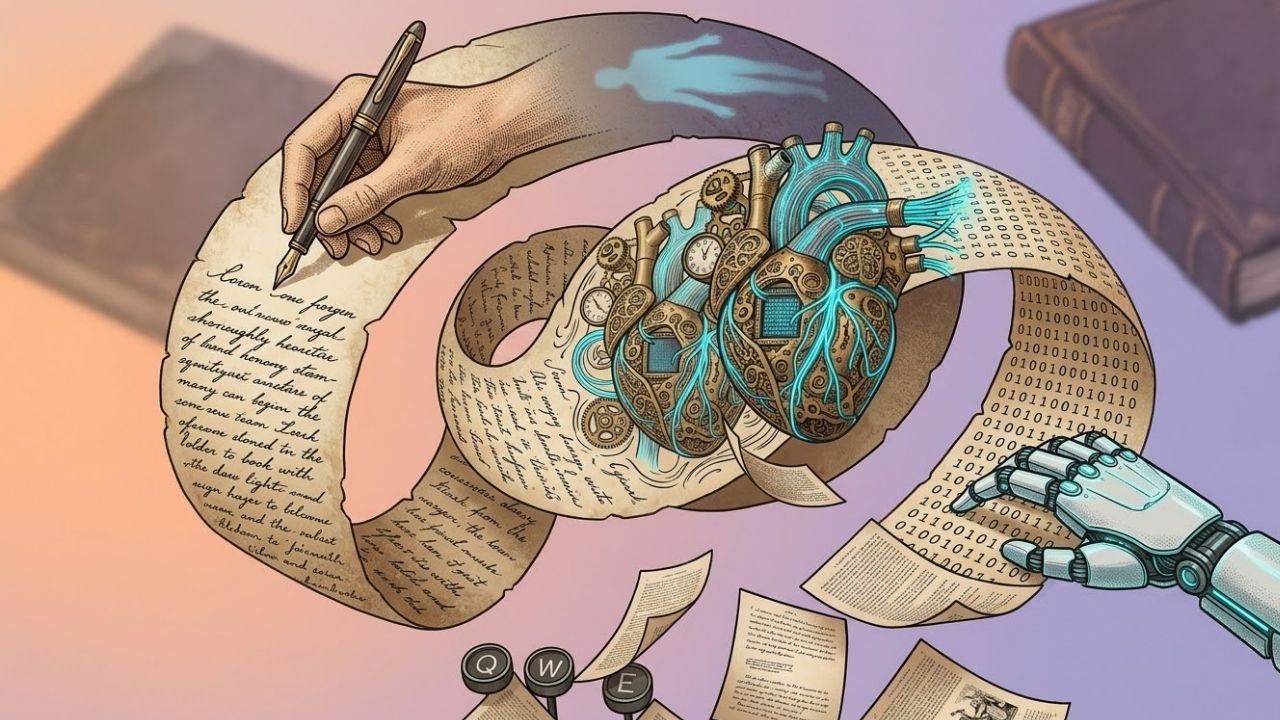
The technical explanation is quite straightforward: Writers whose native language is not French or English, or those attempting to blend regional dialects such as Caribbean or Haitian French with standard French conventions, tend to use a simpler, more error-free, and more controlled vocabulary. Algorithmic software interprets this smoothness as "low perplexity" and mistakes the text for machine-generated output. This finding raises a crucial question in the Orélien scandal: Are we dealing with an author secretly running language models, or a victim of a flawed algorithm that has misinterpreted the writing style of a Caribbean-born author?
AI Book Writing in Literature: The Rie Kudan Case and the Limits of Transparency
In fact, AI book writing is not making headlines in a literary competition for the first time. In early 2024, Japanese author Rie Kudan, who won the prestigious Akutagawa Prize, openly admitted that she had written approximately 5% of her novel, Tokyo-to Dojo-to, with direct assistance from ChatGPT. However, the jury appreciated how honestly the author had incorporated this into the concept of the novel and did not revoke the award. The critical distinction here lies in how the process of writing a book with AI is positioned. For technology enthusiasts and content creators, generative AI has now become an indispensable brainstorming assistant.
What sparked outrage in Orélien's case, however, was the lack of transparency, the denial process, and the author's history of plagiarism. If the author had transparently disclosed that he was using models as an instrument, the Goncourt jury might still have rejected the work for being contrary to tradition; however, the public might have remembered it not as a fraud scandal but as an avant-garde experiment of the digital age.
The Future of Authorship: Will Novels Now Need to Come with a "Git Commit" History?
The fundamental truth highlighted by the Goncourt scandal is this: Looking at a text from the outside and determining whether it originated from human consciousness or a deep learning network with billions of parameters is becoming technically close to impossible. Detection tools are unreliable, while human intuition is highly susceptible to manipulation.
Perhaps in the very near future, prestigious literary awards and major publishing houses will no longer be satisfied with simply asking authors to submit a finished Word or PDF file. Much like the version control systems software engineers use when writing code, authors may also be required to provide their Google Docs revision history, handwritten draft notebooks, and digital footprints documenting every word of the writing process.
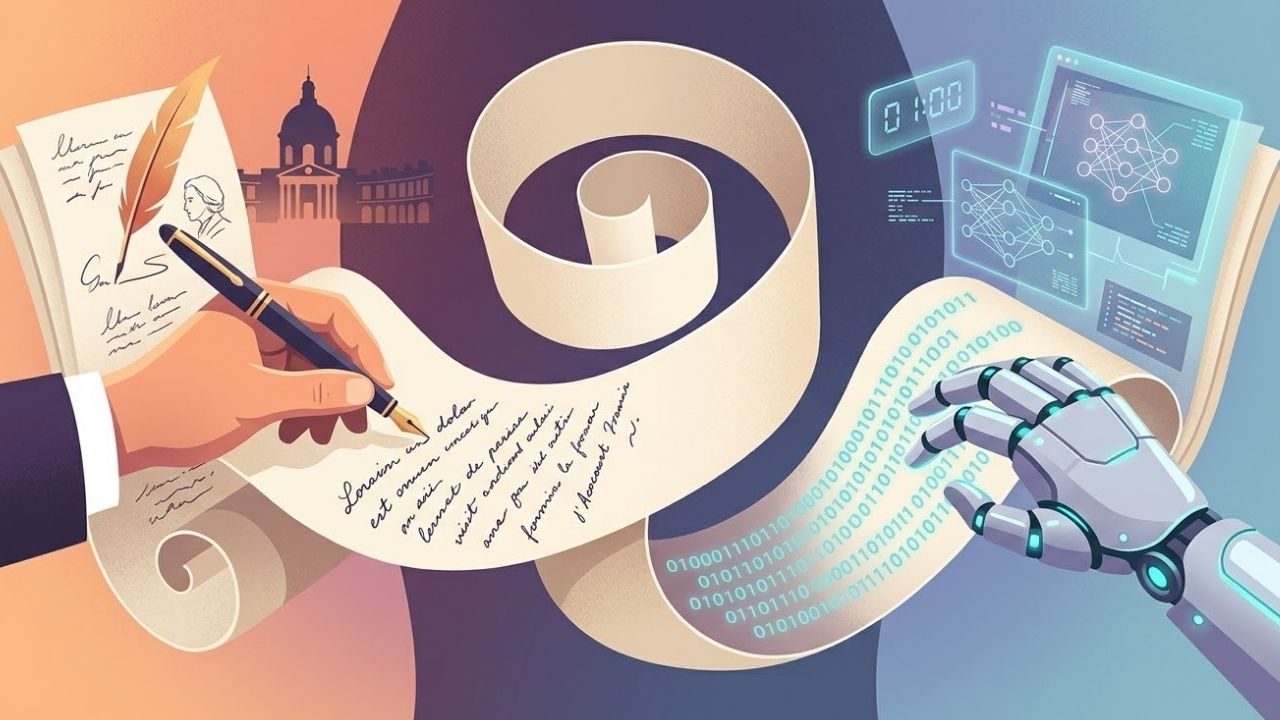
The debate over AI-written books did not begin with Thélyson Orélien, nor will it end with his removal from the longlist. However, this incident has already made its mark on literary and technological history as the first major turning point in a new era where the boundaries between art and technology have become more blurred than ever before.
WriterTürkçe İçin En İyi Yapay Zeka Hangisi? 2026 Karşılaştırması


Otonom Yapay Zeka Ajanları : Kurumsal Dönüşümün Yeni Yüzü