AI Filmmaking Debate Erupts at Tribeca
Automatically translated
 Writer
Cinema has grown through technological revolutions since the first moving images appeared on screen, and each time it has redefined itself. Ever since the Lumière Brothers' famous train scene made audiences flee in alarm at the station, every technological innovation brought to the screen has initially met strong resistance. During the transition from silent films to sound, it was claimed that the pure visual magic of cinema would be ruined; the move from black and white to color was dismissed as a "commercial gimmick." The rise of computer-generated imagery (CGI) spread fears that it would put set crews out of work. Yet history shows that people have always managed, in one way or another, to tame these disruptive technologies, turning them from soulless machines into powerful brushes that enhance art. Today, we stand at a more radical and unsettling turning point at the doors of movie theaters, one unlike any previous revolution. When we consider this long history and evolution of technology, the question of how the relationship between artificial intelligence and cinema will shape the future of the screen becomes more critical than ever. AI is no longer just a visual effects tool working behind the scenes; it now aims directly at the director's chair, the screenwriter's desk, and the editing room.
The most heated, sharpest, and most philosophical clash of this unsettling period has erupted at the Tribeca Film Festival, one of the world's most prestigious independent film platforms. The official screening of Dreams of Violets, a film entirely generated by artificial intelligence and included in the festival program, has set off a massive wave of AI cinema debate, reaching from movie theaters to global tech forums. AI visionaries celebrate this step as the democratization of cinema, the breaking of budget barriers, and the future of the industry, while film lovers, directors, and critics warn that the soul, humanity, and enduring identity of the silver screen are at risk of being lost.
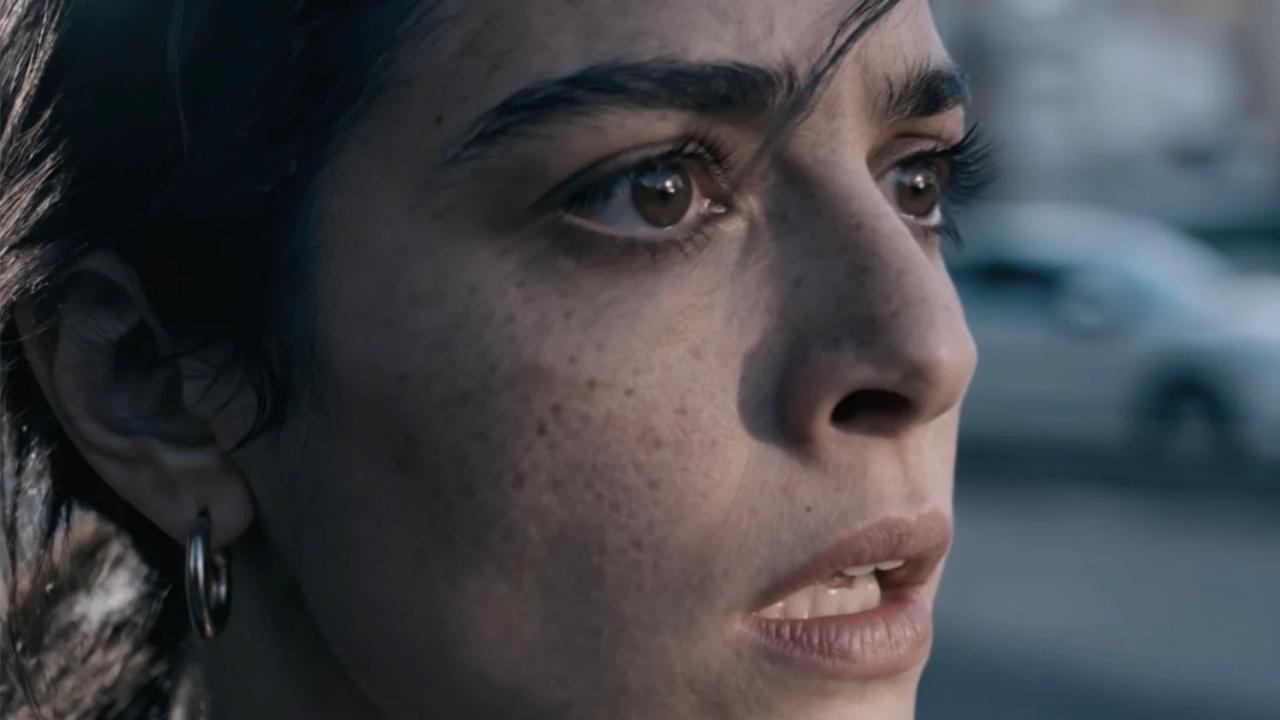
A Film Shot Without Cameras: "Dreams of Violets"
At the center of the debates and the tense atmosphere of the festival is the program's most talked-about and most contested work, whose tickets sold out within minutes: Dreams of Violets.
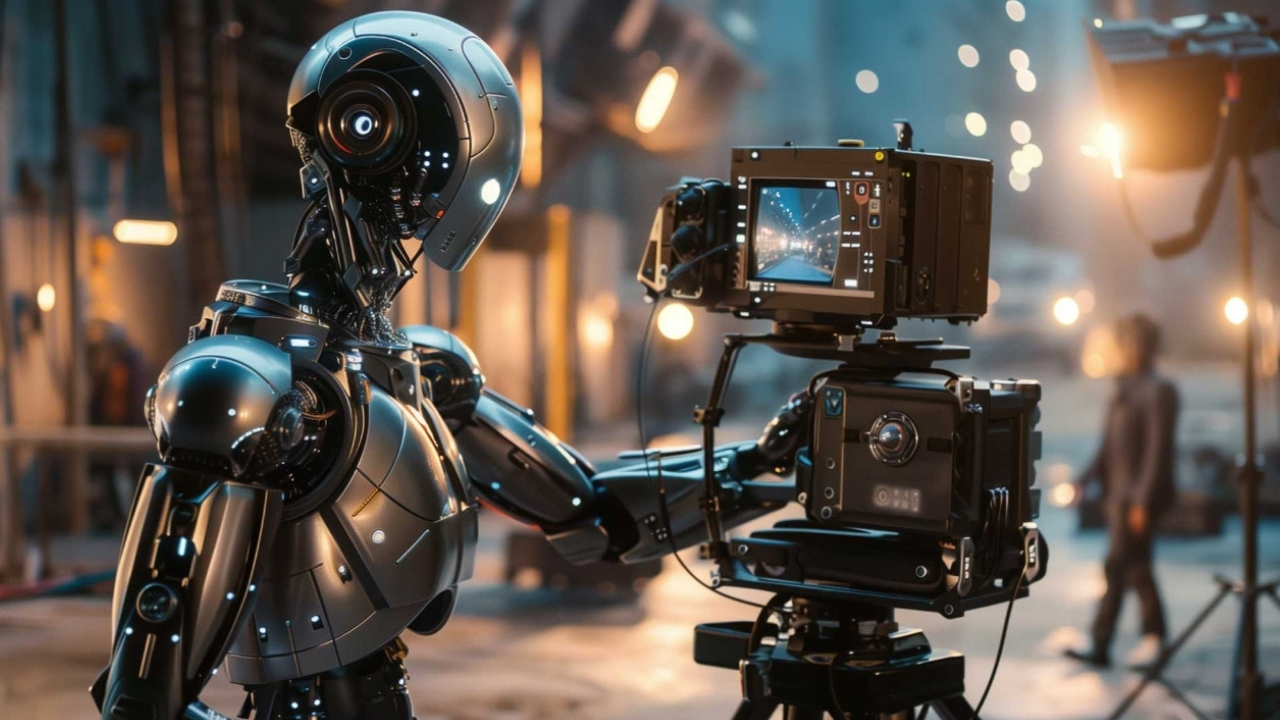
What sets this production apart from every other film in cinema history and makes it a truly futuristic turning point for the industry is that its production involved no human actors, no physical camera looking through a viewfinder, and no set crew covered in mud on a traditional location. The film was built from start to finish using advanced generative AI models, entirely bypassing traditional production stages, lighting technicians, costume designers, and makeup artists. Created from scratch through purely digital code, vast visual databases built from billions of data points, and complex algorithms, this production carries all the known rules of cinematography into a virtual space.
Every detail, from the sense of depth in the scenes to the fake tears in the characters' eyes, from the mathematical lighting of the frame to the emotional tone of the dialogue, is a product of radical AI filmmaking that appears without any physical human touch. This process, in which studio lights are replaced by command lines and real locations by pixel-based digital worlds, transforms cinema from an art of physical recording into a purely software-driven design form.
The Reality Behind the Illusion: What Does the Film Tell Us?
So what kind of story does this AI-made production, which has been stirring the whole world for days, actually carry? Dreams of Violets draws its power not from fictional fantasy but from 47 years of ongoing civil resistance in Iran and real events. It is a gripping 75-minute docudrama. Directed by Ash Koosha, the film conveys decades of struggle in the shadow of censorship and repression to the screen not through traditional cinematic methods but entirely through the eyes of artificial intelligence, with the following storyline:
Through the Eyes of Five Strangers:
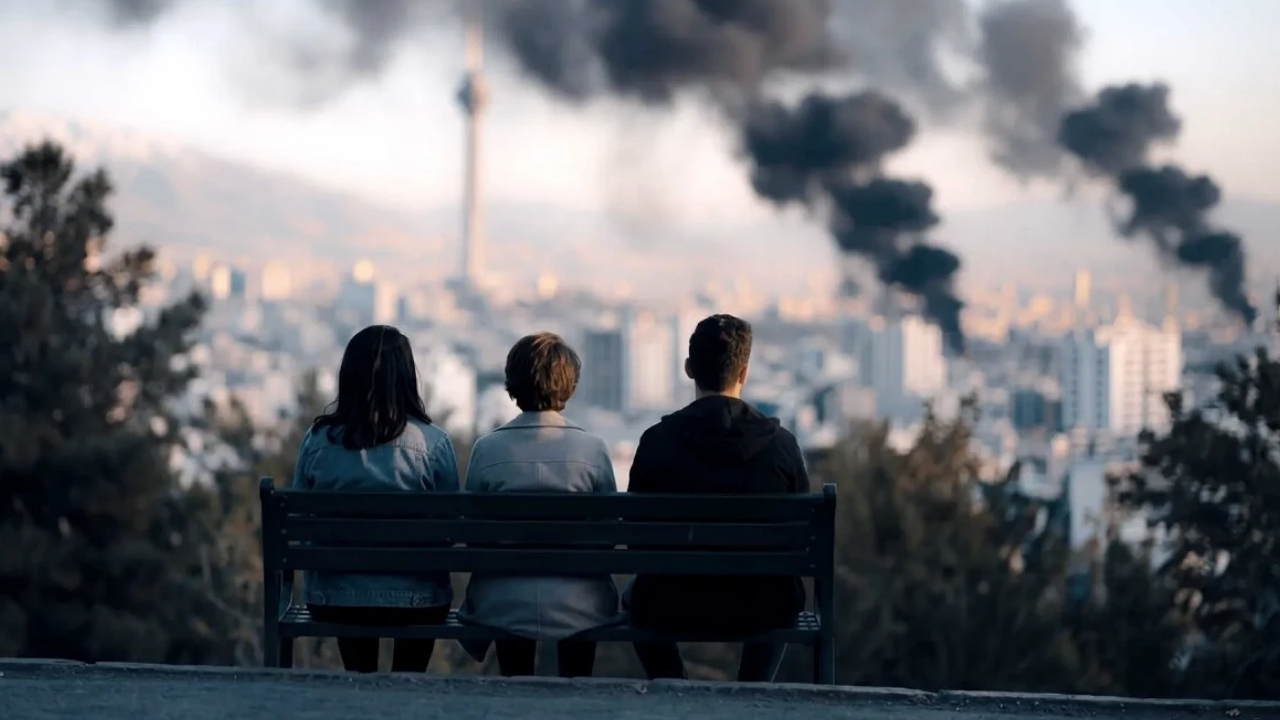
Generative AI models build, from scratch, five different strangers whose paths cross in the middle of repression, chaos, and street protests. The faces, clothing, and background stories of each of these characters are generated by systems fed by real archival documents and eyewitness testimonies. Through these figures, created from digital pixels, the way individual helplessness turns into a shared fate is carried to the screen in a neutral chronology.
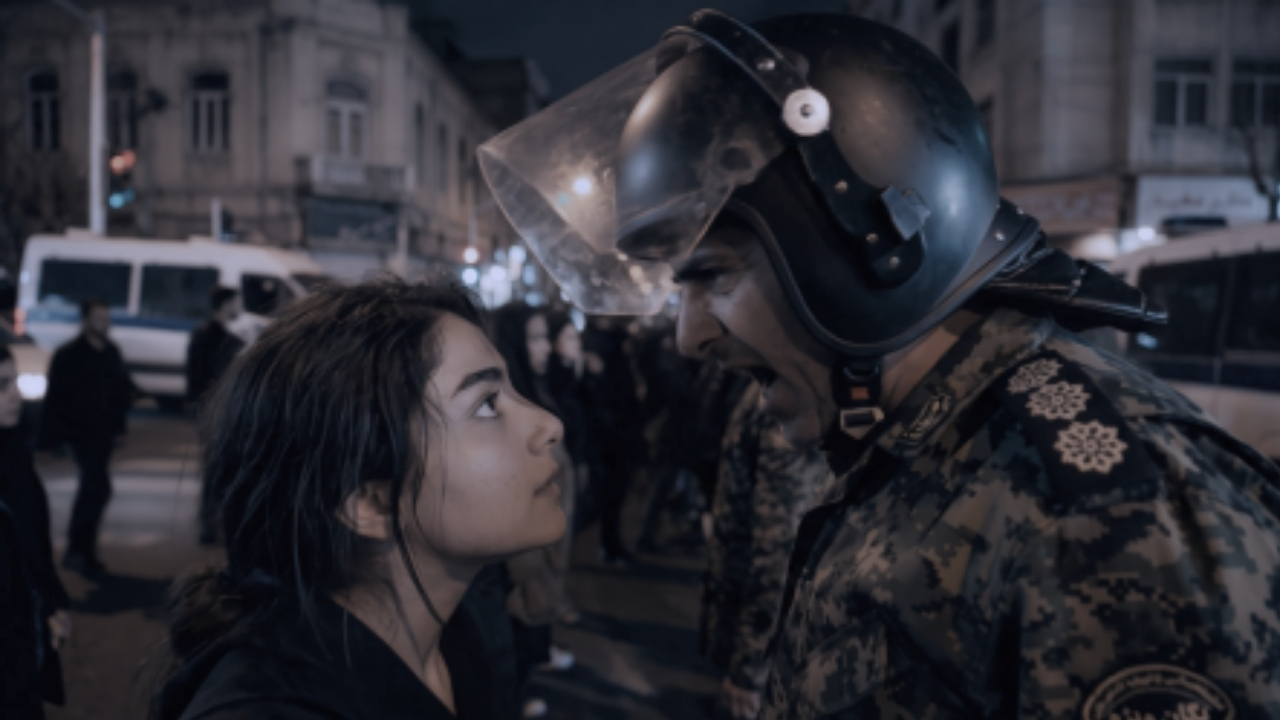
The Critical Moment of Conflict:
At dawn, while government forces execute wounded protesters, the film's main turning point is formed by the highest-tension moments, when a brutal soldier finds these five people hiding in a dead-end street. Without physical cameras, set lights, or stunt doubles, this claustrophobic and chaotic atmosphere, produced entirely through algorithms, is conveyed in a smooth yet equally tense visual language that gives the viewer the feeling of a real-time archival recording.
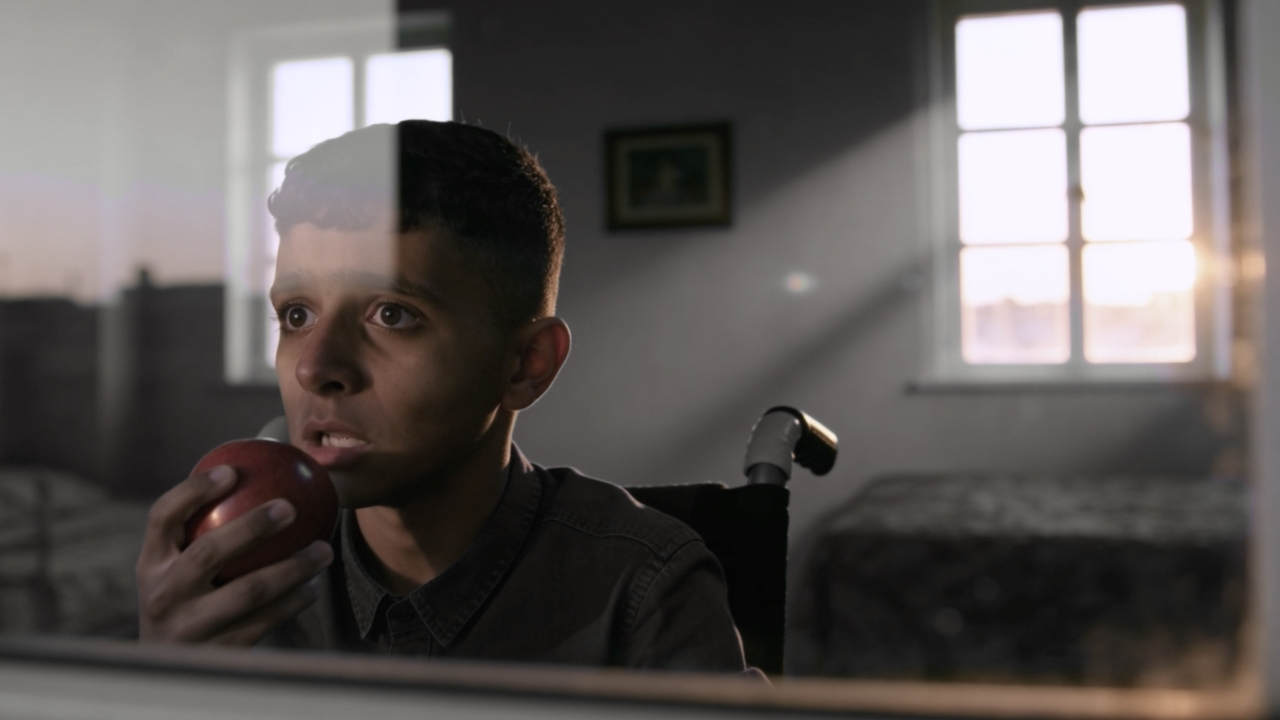
Amir's Window:
Even the most striking breaking point, in which a boy named Amir in a wheelchair, watching this dead end from his apartment window, cannot remain silent in the face of the brutality and decides to act beyond his limits, is shaped by a computer program's commands. Conveying a child's silent act of resistance to the screen through data analysis alone, without a real actor's performance, forms the most debated philosophical dimension of the production in terms of cinematography.
The most striking aspect, and perhaps the most chilling for the film industry, is its cost. Under normal circumstances, creating this historical atmosphere would require huge production budgets and crews. Instead, the film was completed in 3 months with a symbolic budget of only around 2,000 dollars, using Kling AI for video generation, Claude AI for script revisions, and Gemini for visual research. Every human face and every location seen in the film is an output of digital commands.
Speaking to CBS News, the film's director and producer Ash Koosha explained why he chose AI over real actors, highlighting speed and budget constraints. Koosha argues that telling this sensitive story through traditional methods would require budgets of millions of dollars, whereas AI allowed him to bring this independent narrative to the world much faster and with greater freedom.
A Clash of Art and Code at the Tribeca Film Festival
The acceptance of Dreams of Violets into the official Tribeca program has set two completely opposing visions for the future of the film industry against each other, immediately sparking fierce debate in the film world. In truth, this is not a new crisis for the silver screen; the industry already felt the first serious signals of this philosophical divide in recent periods. As may be remembered, the appearance of AI-themed films and productions pushing the artistic boundaries of generative AI tools at the Cannes Film Festival earlier had led to major disagreements and heated intellectual battles among film authorities.
The question echoing through the Cannes corridors at that time, "Is technology corrupting the aesthetics of cinema?", has now evolved into a far more advanced crisis at Tribeca: "Is AI completely replacing human creativity?" The first wave that began in Cannes, questioning how festivals should set legal and aesthetic boundaries for this digital transformation, copyright, and AI-generated visuals, has now reached a point of no return with Dreams of Violets and its world entirely independent of cameras. On one side are the visionaries of the tech world who argue that AI will free cinema from studio monopolies and liberate art. Jane Rosenthal, one of Tribeca's co-founders, defended the film's selection, stating that AI is not merely an innovation tool but can also be a "deeply human storytelling tool" for people whose voices go unheard because of budget or censorship barriers.
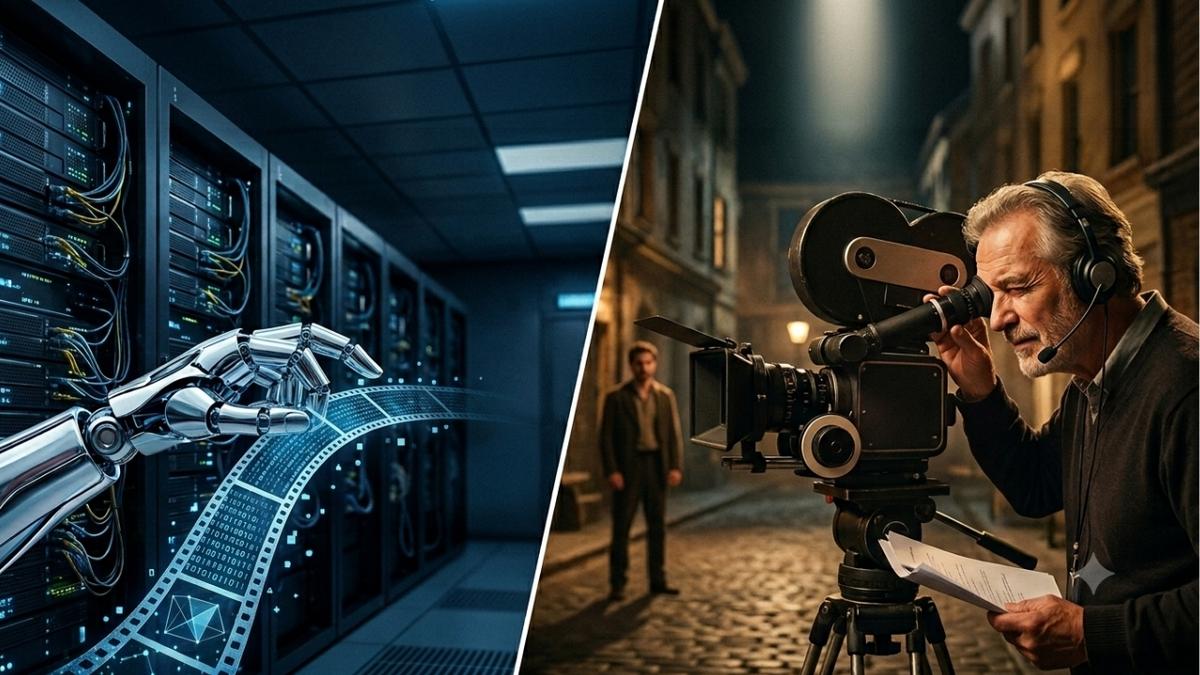
On the other side, however, stand the harsh criticisms from those who defend the traditional and philosophical structure of cinema. The main reason critics and film lovers keep their distance from this production is the mechanical, flawless mathematics that AI produces. When a real director stages a scene, or an actor brings to the screen an emotional reflex not written in the script, there is an immense "unpredictability" that comes with being human. AI, by contrast, scans billions of film data points and produces only the "most optimized image that should be." This creates a sharp disagreement between the tech mindset, which sees cinema as a data processing task, and the artistic approach, which sees it as pure human intuition.
A New Front on the Silver Screen: AI or the Director?
In conclusion, this AI cinema debate that flared up at Tribeca makes us rethink the limits of AI in the art world and the role it will take on. A production made entirely by artificial intelligence proves that it can bring tremendous efficiency to the industry in terms of budget optimization, set design, and logistical ease. However, the central question of the debate comes down to whether software, even when it produces technically brilliant work, can build the deep emotional connection with an audience that comes from human experience on its own. Especially when the subject is the real and painful civil resistance in Iran and the helplessness of characters like Amir, trying to tell these tragedies through the smooth world of algorithms seems likely to keep dividing the industry on ethical and aesthetic grounds.
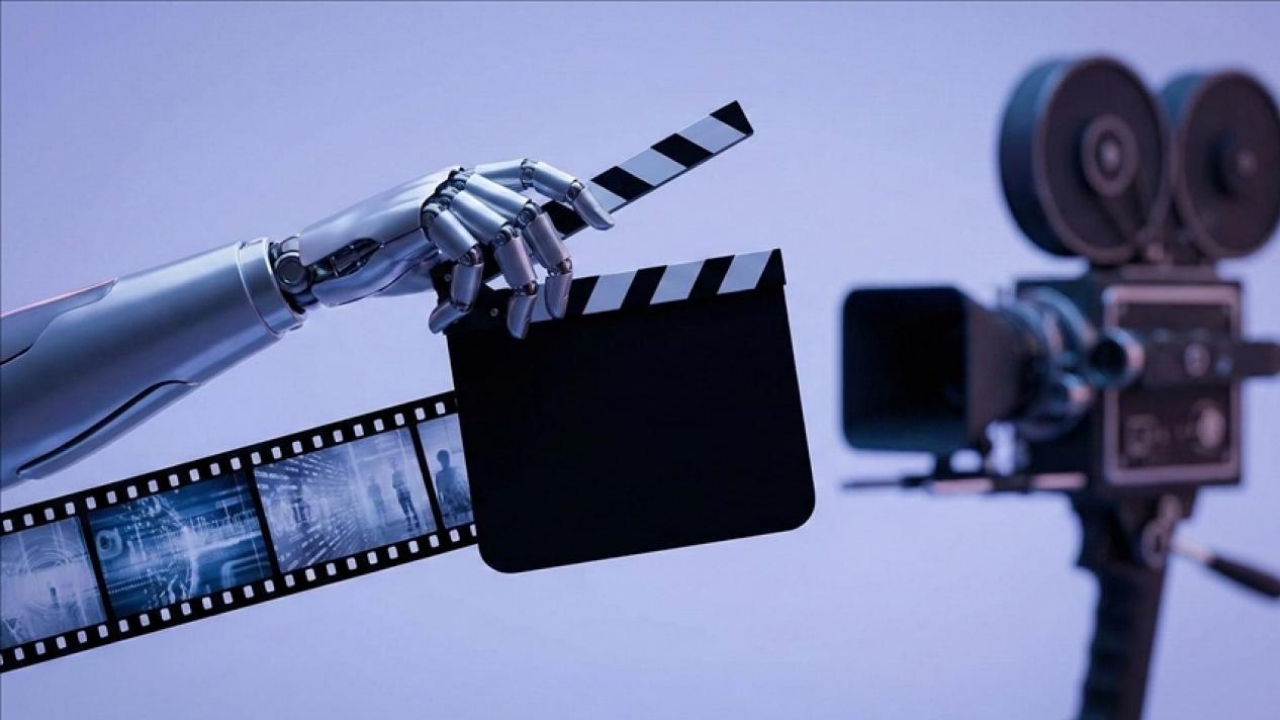
AI has the potential to transform cinema as a very powerful "assistant" that helps a director visualize the boundless world in their mind and overcomes production obstacles. Yet the clearest truth these sharp industry debates reveal is that the masterpieces of the future will come neither from those who unleash algorithms alone nor from those who reject technology entirely. The ones who shape the future will be a new generation of creators who walk the immense processing power of AI side by side with the fragile, unpredictable, and experience-born emotional flexibility of the human heart.
Industry forecasts and the voices rising at international festivals suggest that AI will not so much take over cinema entirely as fundamentally change its production processes. In the future, the speed and cost advantages of AI may bring more independent projects to cinema, but the shared view in the industry is that the real emotional bond with an audience can only be preserved through human vision.
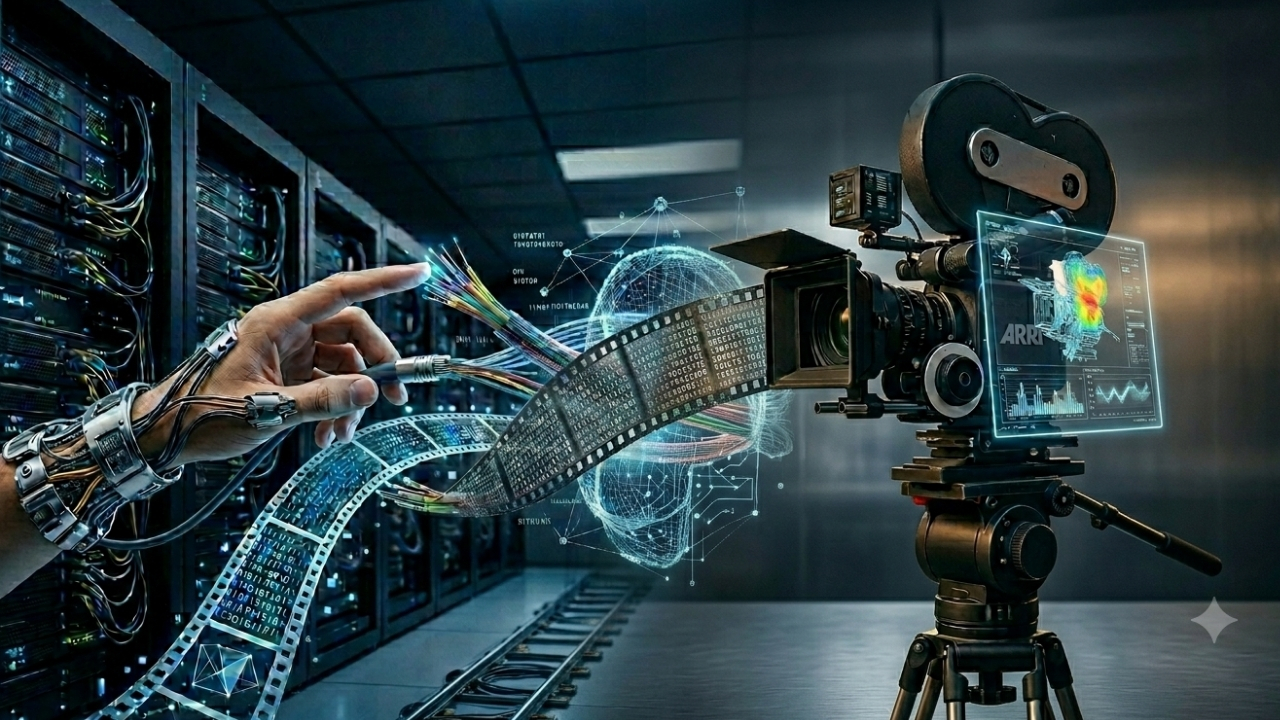
Alongside the creative dimension of this transformation, discussions about how laws on copyright, data security, and the protection of film workers' rights will take shape are also gaining momentum on a global scale. The standards that festivals and professional organizations set for these new digital production methods appear likely to form the most critical dataset in determining AI's lasting place in cinema. Because no matter how flawless technology becomes, cinema will ultimately remain humanity's effort to tell its own stories and dreams to other humans, and it will continue to stand at the very center of this great philosophical debate.
WriterLexus Elektrikli Otomobil Planı Neden İptal Edildi?


Sahte FIFA Siteleri Dolandırıcılığına Karşı FBI Uyarısı