AI-Themed Film Sparks Major Debate at Cannes
Automatically translated
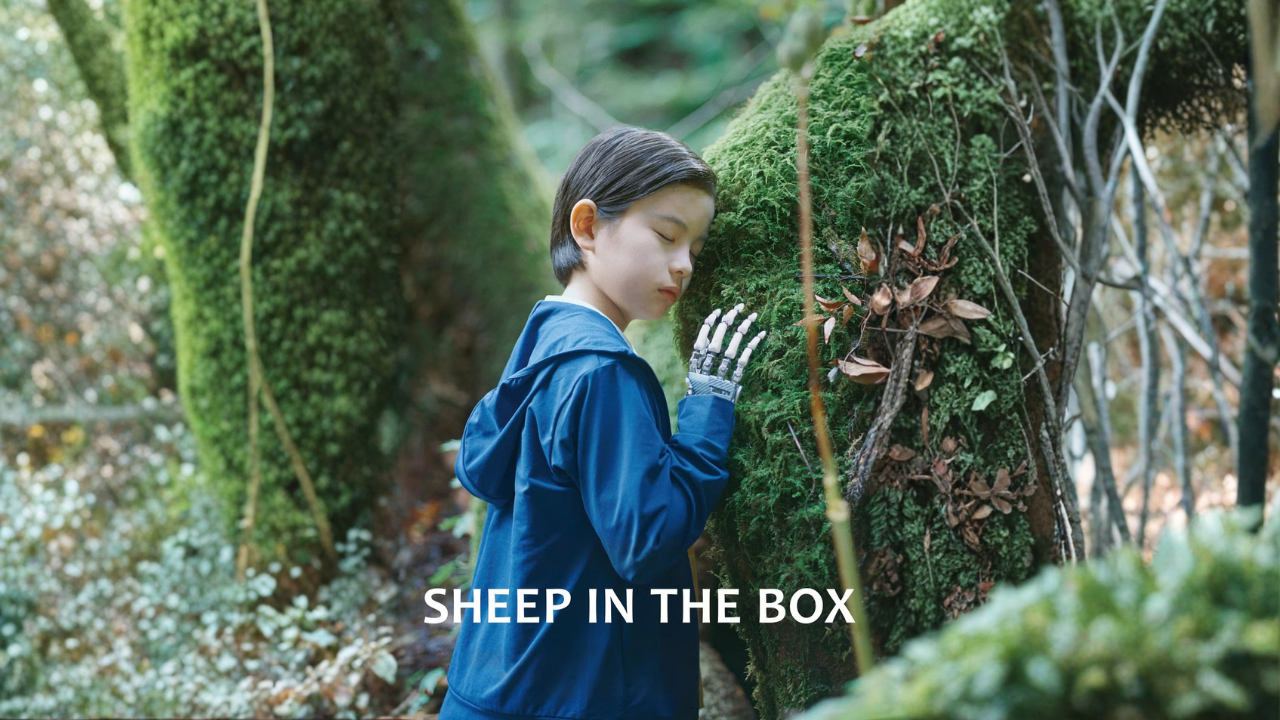
What comes to mind when you hear the name Hirokazu Kore-eda? Most likely fragile family relationships, quiet dramas, and stories focused on the inner lives of characters. That is exactly why, when Sheep in the Box (Koyun Kutuda) was first announced, many people paused and asked, "Has Kore-eda moved into AI?"

What is interesting here is this: the director is not really changing his style, only widening his focus. So there is still family, there is still loss, but this time artificial intelligence is part of the story. And this combination hits harder than expected.
From my point of view, this film sits in a separate place within "AI cinema" because it moves forward through emotional manipulation rather than technical showmanship. That is the most critical point that sets it apart from others.
What Is Sheep in the Box About?
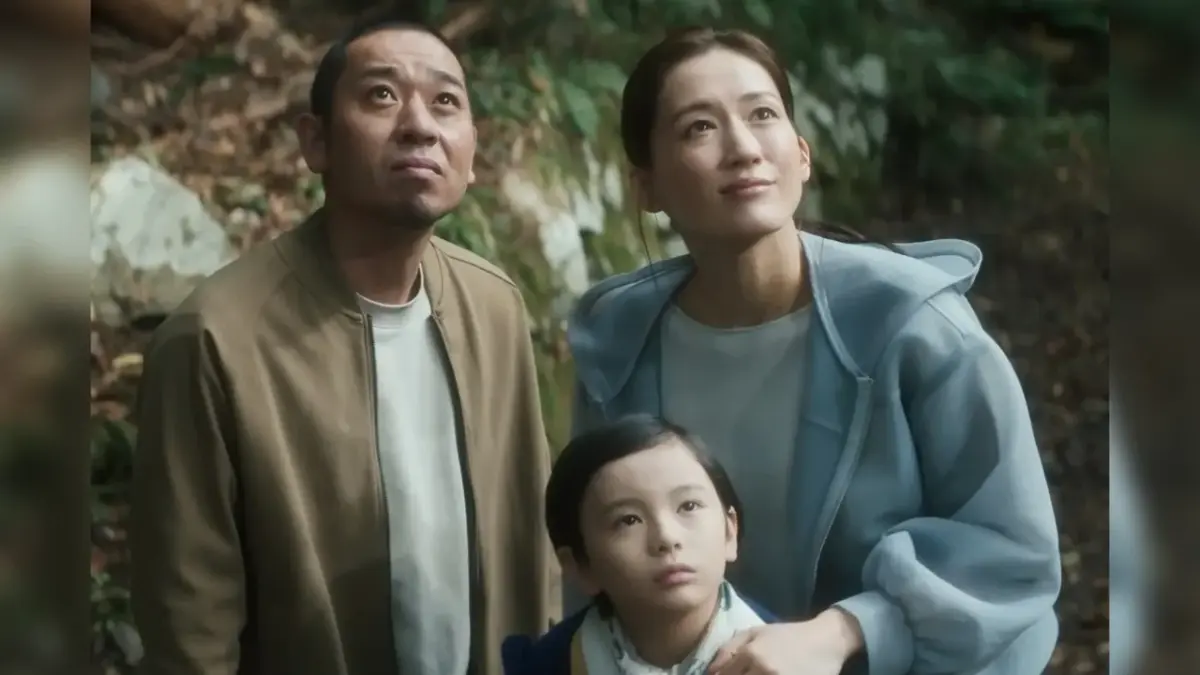
The story opens from a deeply uncomfortable place. Imagine a couple who has lost their child. Then a company offers them this:
"We can create a digital copy of your child."
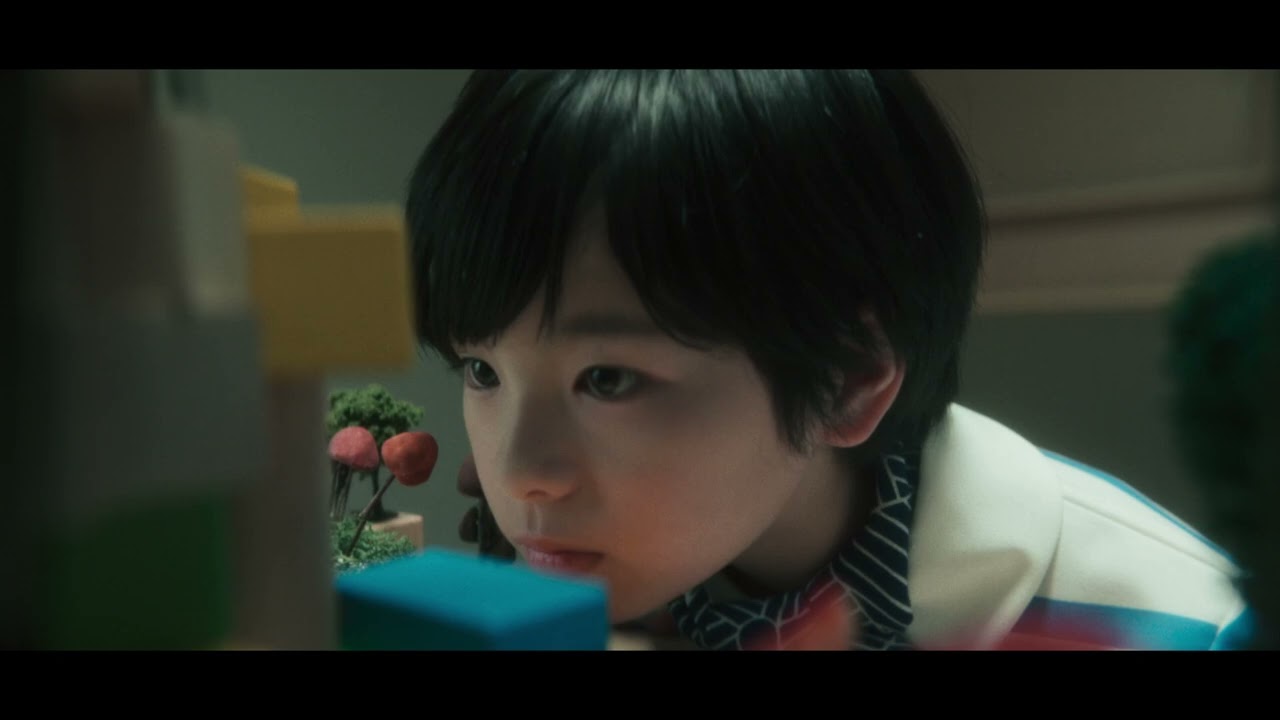
At this point the film could have slipped into classic science fiction. But Kore-eda does not do that. Rather than explaining the process technically, it focuses on the weight of the moment of decision. The process of "bringing back" the couple's child is really a data problem. Old videos, voice recordings, messages... all come together and a synthetic personality emerges. Looking at it today, this is not entirely impossible. It is even surprisingly close.
To see how close the tools we use today actually come to the film's scenario, a good reference is the article Yapay Zeka Avatar’da Yeni Çağ: HeyGen Avatar V Geldi! .
The system described there can create a digital twin from just a short video and make that avatar speak from text. Moreover, details such as facial expressions, lip sync, and speech rhythm are also built into the model. This clearly shows that the idea of "digitally recreating a person" seen in the film is no longer pure fiction, and its parts are actively in use today.
Grieving with AI: The Real Issue of the Story
The film plays more with psychology than with technology. And to be honest, this is where it is strongest. Here AI is not a tool but a trigger. It becomes something that prolongs, blurs, and in some moments completely blocks the grieving process.
The idea of digital immortality (a person continuing to exist through their data) has been debated for a long time. But this film does not romanticize that idea. On the contrary, it presents it as a deeply unsettling reality.
Think about it this way: if the voice of someone you lost can still talk to you, are you really considered to have lost them?
This is exactly the question the film walks into. And it does not offer an easy answer.
Why Did This AI-Themed Film Attract So Much Attention?
For the past few years, artificial intelligence has been at the center of the agenda. But in cinema there were generally two extremes: either dystopia (a dark future) or romantic tech narratives.
Sheep in the Box stands somewhere between these two extremes. It is neither completely dark nor full of hope. It mostly asks, "How would you feel if this happened?"
This approach directly captures an audience that lives closely with technology. Because what is described here is not a distant future. It is a little beyond today.
Is AI Cinema Entering a New Phase?
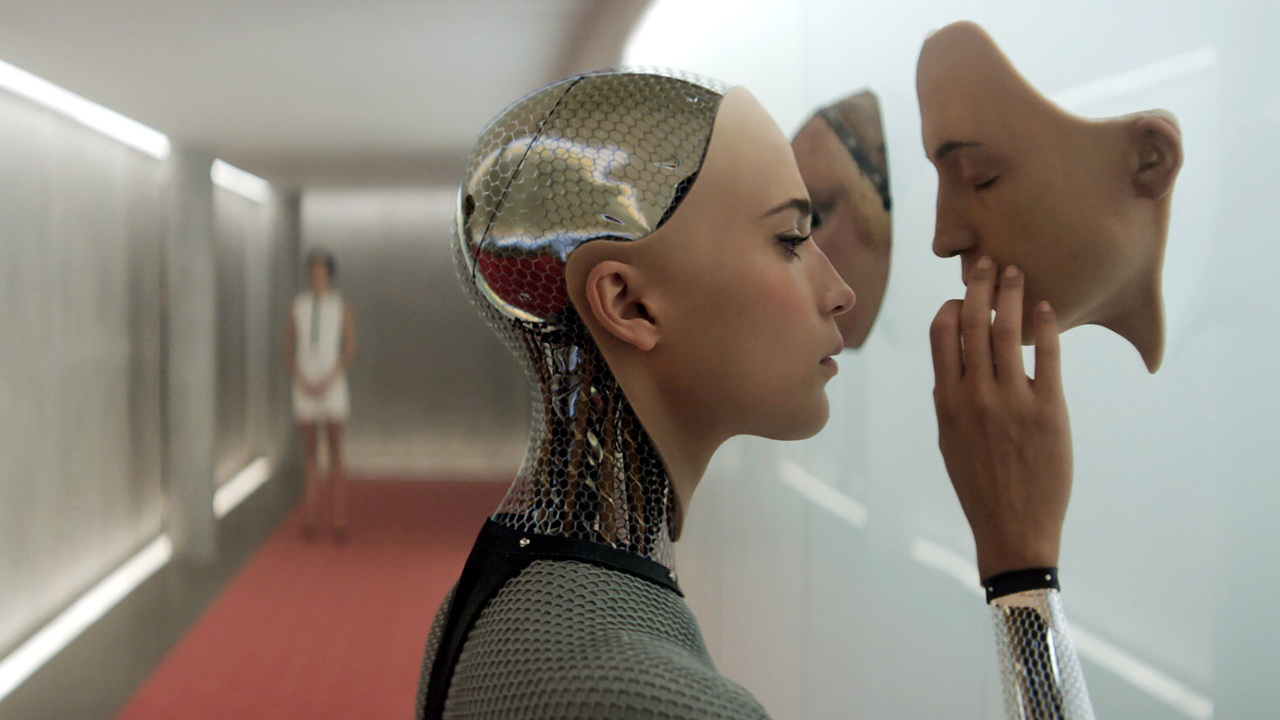
We have seen earlier examples such as Her (the film "Her") or Ex Machina (the film "Ex Machina"). But those focused more on the relationship between humans and AI. The new wave is different: the issue is no longer relationship, but replacement.
So AI stops being a partner and turns into something that "takes the place" of someone. This is a much more sensitive area.
I think this change is critical. Because technology is moving in this direction in real life too. Voice cloning, image generation, personality modeling... When they all come together, a picture quite close to the film's scenario emerges.
One of the most striking layers of the film moves through the reproduction of voice. Not only the child's image but also their voice is rebuilt, and this pulls the audience directly into an ethical gap.
To see its real-world counterpart at this point, the content ElevenLabs’ın Ses Klonlamadaki Devrimi offers a very relevant reference.
How Possible Is the Film's Technology in Real Life?
Short answer: Partly possible, but incomplete.
Today AI models can imitate a person's voice quite realistically. Likewise, they can generate a certain level of their face, expressions, and speaking style.
But the critical missing piece is this: context.
In other words, a model can imitate you, but it cannot fully capture what makes you "you." This is exactly where the film gets tense. As data increases, the sense of realism grows, but at the same time artificiality becomes more visible. It is a very thin line.
Turkey Perspective: How Close Are We to Such Technology?
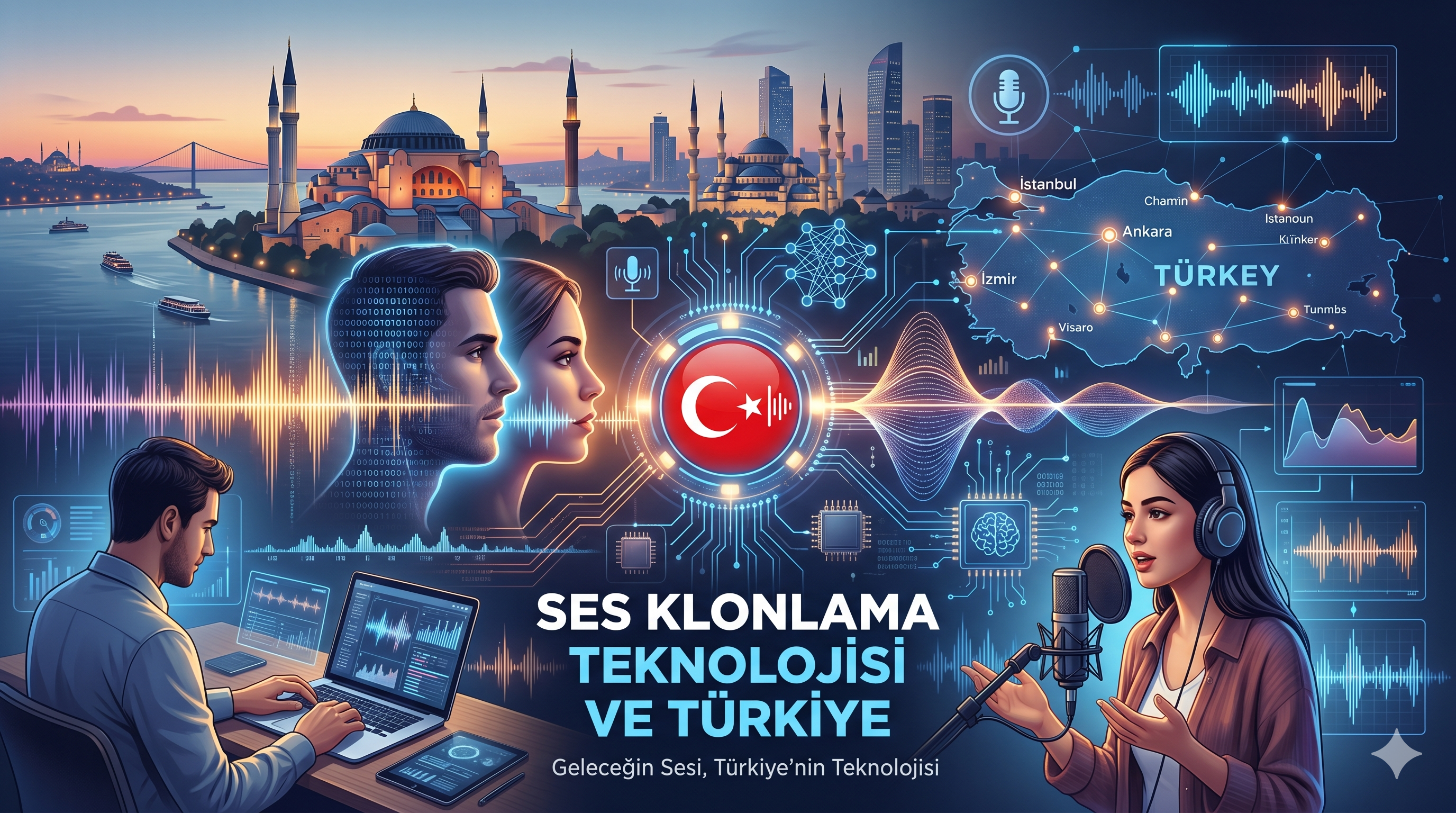
In Turkey there is no product at this level yet, but the components are available.
Access to voice cloning tools is possible
Image generation has become widespread
Conversational AI is already part of daily life
When you combine these, a similar system could theoretically be built. But the ethical and legal side comes into play here. To be frank, regulation (legal framework) in Turkey lags well behind this pace. This creates gray areas.
Can Kore-eda's Cinematic Language Carry This Story?
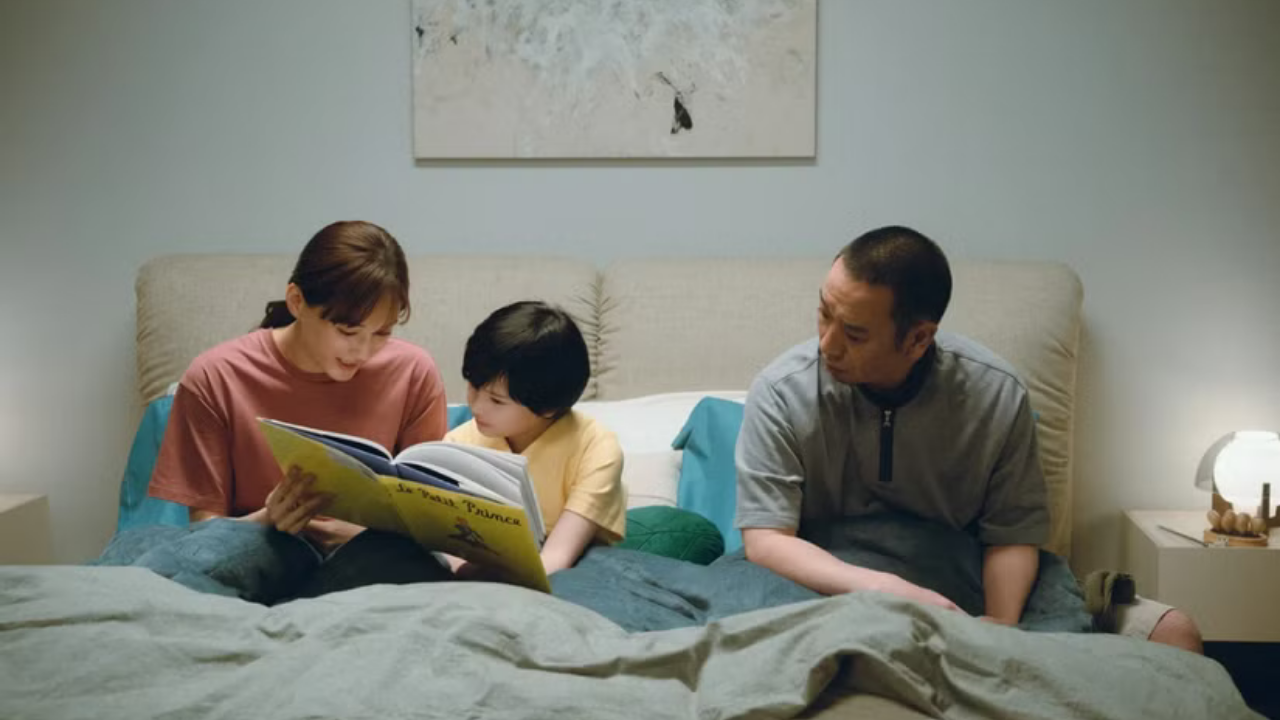
This is debatable.
Kore-eda's minimal storytelling works incredibly well in some scenes, especially in the moments when characters first encounter AI. But for some viewers the pace may feel too slow. Even though the film seems to tell a technology story, it is actually a completely inner journey.
Why Are Critics Divided?
The IndieWire review takes a distant approach to the film. The main criticism is this: the idea is strong but the narration is occasionally scattered.
On the other side, there is an audience that finds the film very bold. In particular, they consider it important that it portrays the idea of emotional bonding with AI so simply.
AI and Human Emotion: What Does This Film Tell Us?
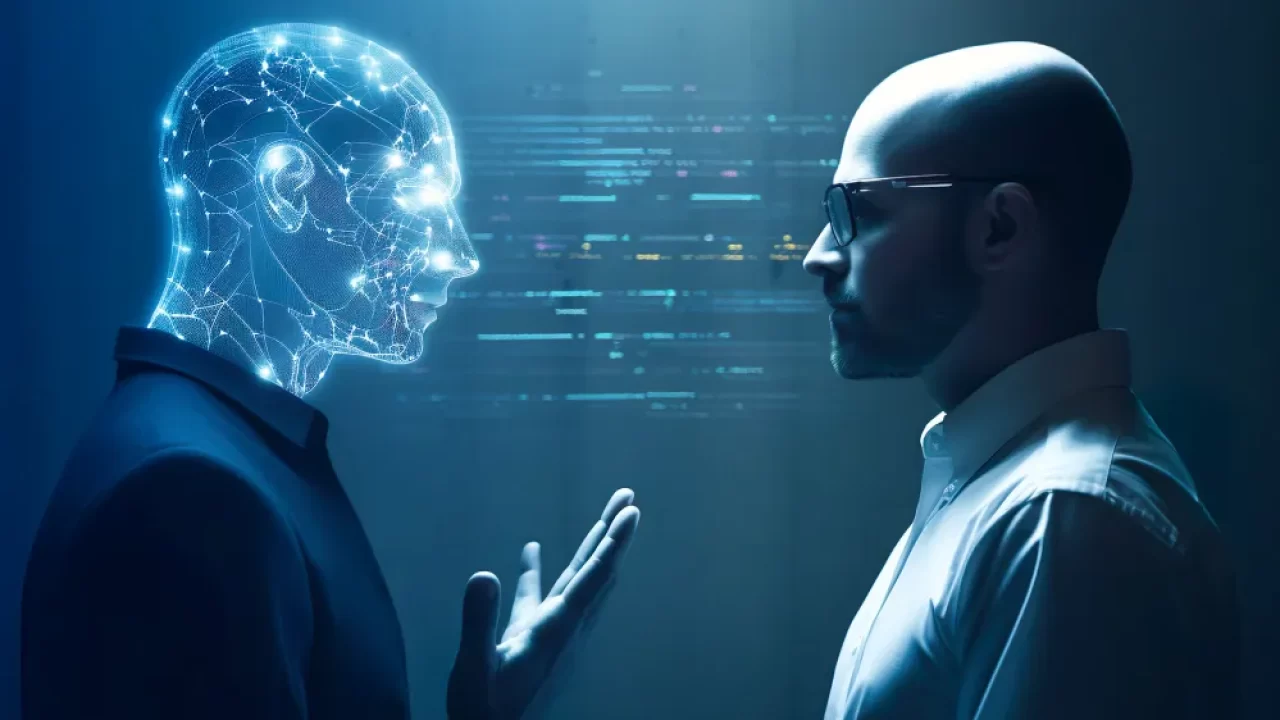
This is where the film truly hits. As AI develops, we keep coming back to the question: "How real is it?" But this film asks a different question: "Do you need it to be real?" If something makes you feel the person you lost, does it matter whether it is real? This question is not technical. It is entirely human. And that is why Sheep in the Box is not just an AI-themed film. It is also an experiment showing the most fragile state of our relationship with technology.
Final Note: Can It Be Used in Turkey?
The film's technology does not exist exactly as shown. But its parts exist and are accessible. So the question is not "Will it happen?" but "When will it come together?" And honestly, when that time comes, we will be having the same debates seen in this film in real life.
AI Siber Saldırı Tehdidi Şirketleri Alarmda Tutuyor

Anthropic’in Mythos Kararı Avrupa’da Neden Tepki Çekti?