FBI Warns of Fake FIFA Websites Targeting World Cup Fans
Automatically translated
 Admin
At least 35 fake domain names. The FBI's Internet Crime Complaint Center (IC3) issued a warning with this figure on May 27, 2026. The target is football fans searching for tickets and information in the excitement of the 2026 World Cup. Group-IB researchers, meanwhile, measured more than 4,300 fake FIFA sites. This article covers the scope of the warning, how the fraud works, and how you can protect yourself.
FBI Warning About Fake FIFA Sites
According to the warning published by the FBI's Internet Crime Complaint Center (IC3), threat actors are setting up fake pages that imitate the official FIFA website. The warning is dated May 27, 2026, and was published under the number I-052726-PSA. The number of fake domains identified is at least 35.
The purpose of these pages is to collect personal data entered by users. The data listed by the FBI includes names, home addresses, phone numbers, email addresses, and bank details. According to a report published by TechRadar, the fake pages are hard to tell apart from the real ones at first glance; branding, product listings, and other details have been carefully put in place.
As an example, the agency pointed to a domain such as fifa[.]city. It is not new for major events to become a basis for fraud. The Olympics, the pandemic period, and various global events have previously been used as themes in phishing attacks. The 2026 World Cup, however, surpasses all of them in scale.
How Do Fake FIFA Sites Work?
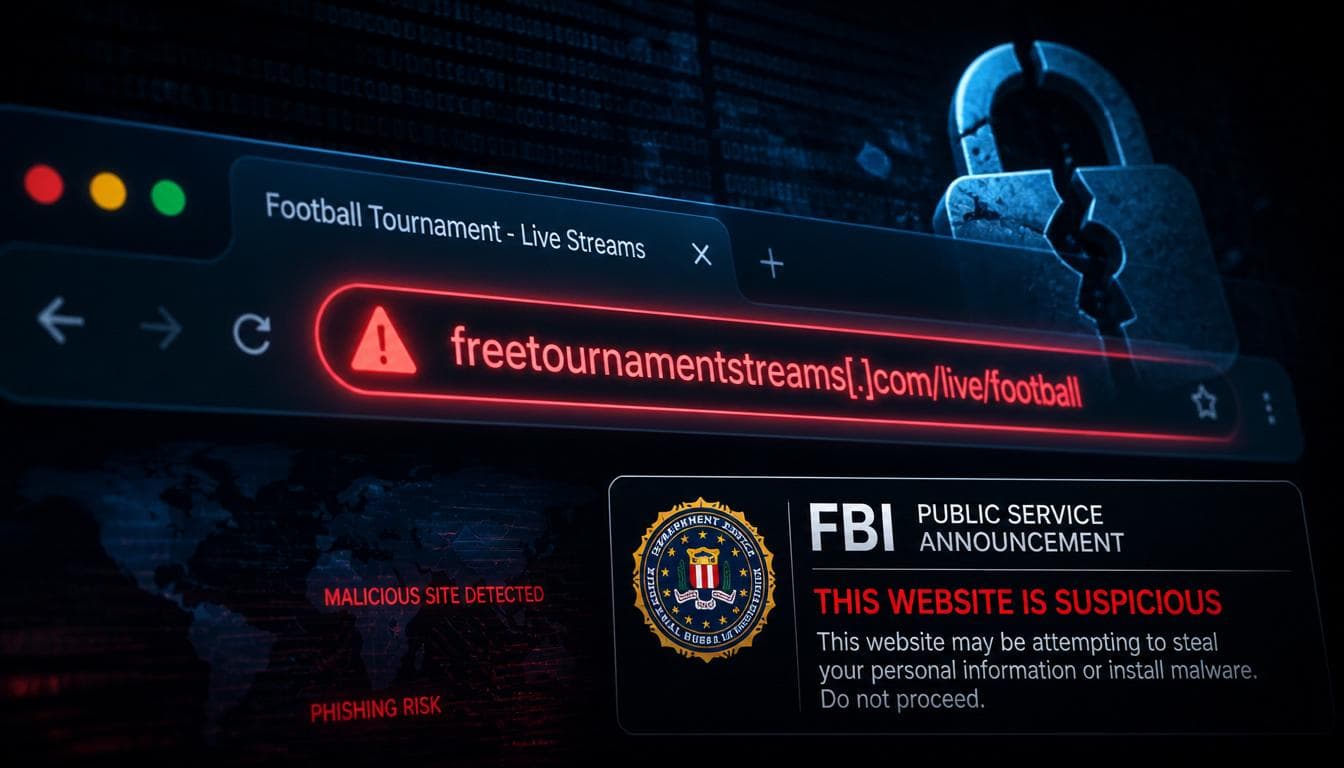
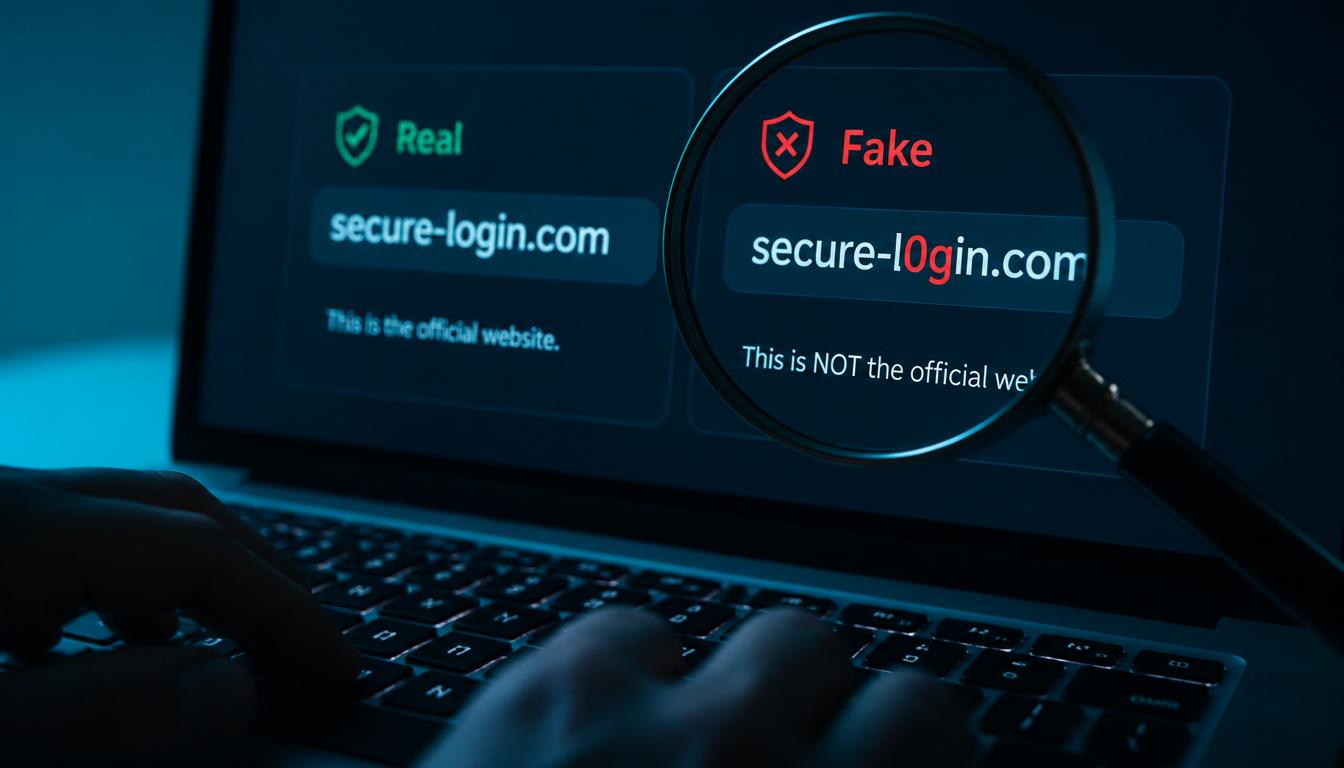
Threat actors mostly build fake sites using a method called typosquatting. In this method, the characters of the real domain name are slightly altered. A letter is left out, an extra letter is added, or a different extension is used instead of .com. The user thinks they have reached the official site, but in fact they are logging in on a copy page.
The FBI's statement explains this logic clearly. Fake domain names may include alternative spellings of words, or use a different top-level domain to imitate a legitimate site. A visitor trying to reach FIFA's website may unknowingly be redirected to a fake page.
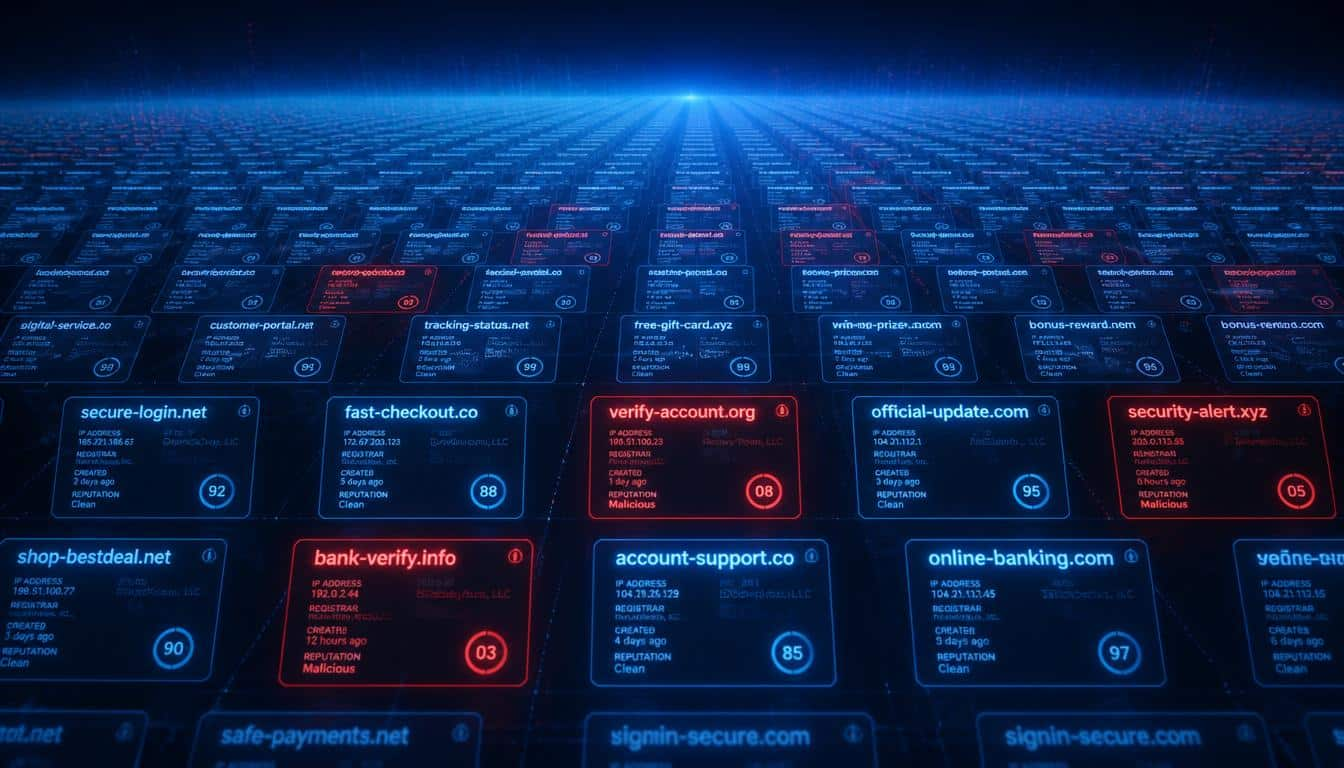
This structure is built on top of a classic phishing mechanism. The user enters their information to buy tickets or open an account, and the information goes directly to the attacker. Similar mechanisms often come up in discussions of AI security, because a data leak represents a much broader risk than a single technical flaw.
Operation GHOST STADIUM and 4,300 Fake Domains
The scale of the threat was laid out most thoroughly by Group-IB. Group-IB's GHOST STADIUM report states that more than 4,300 fake domains imitating FIFA's official presence have been recorded since August 2025. Researchers identified six different fraud schemes and four independent threat actors.
At the center of the operation is an actor called GHOST STADIUM. This Chinese-speaking, profit-driven group was first observed in November 2025. It manages more than 300 active phishing domains with a single phishing kit. Around 3,800 domains are held in reserve to be activated as the tournament approaches.
The technical side is notable. According to a report published by Cybernews, the group created a pixel-level exact copy of the official FIFA site. The fake pages include a single sign-on (SSO) system that mimics the real login flow and support content in 11 languages. Logos and images are pulled directly from FIFA's official content network, which helps avoid image-matching-based detection.
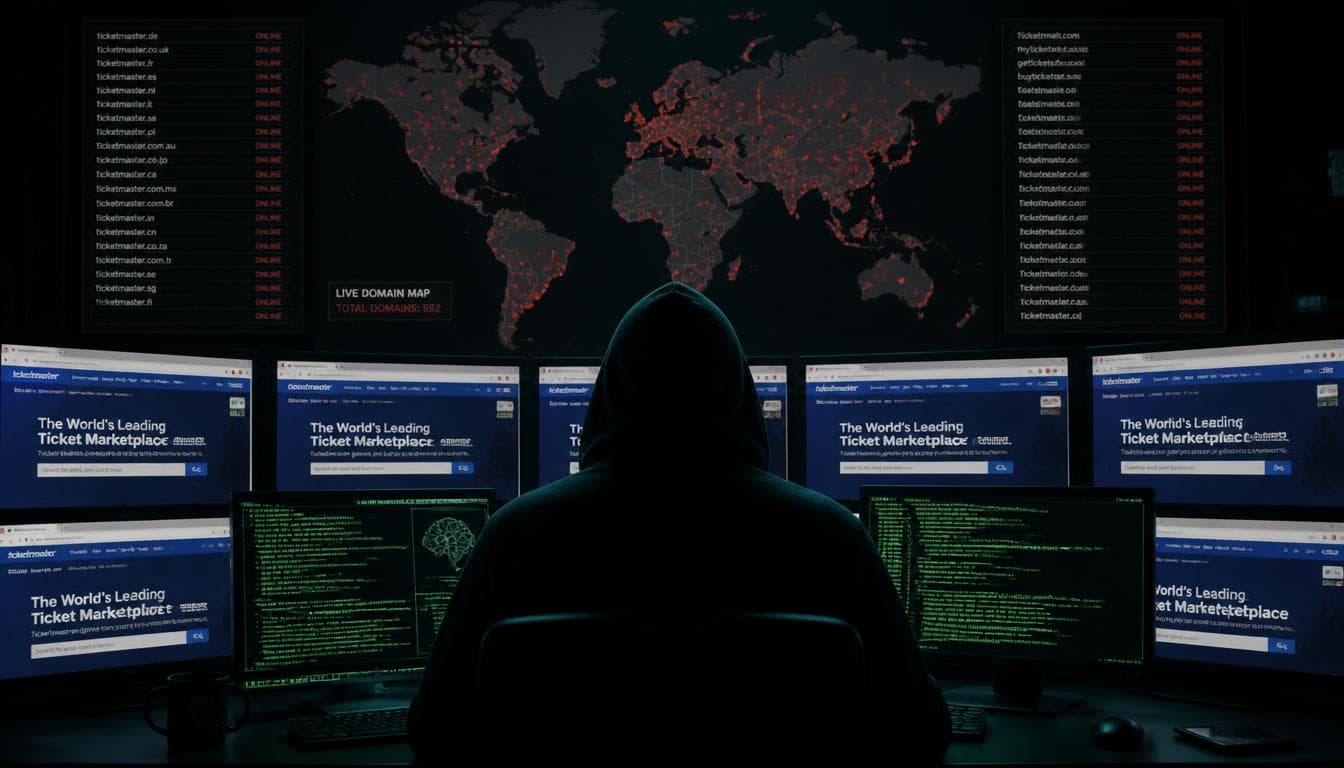
The financial picture is also large. According to an analysis published by The Record, 79 domains selling only premium and hospitality tickets were identified; these tickets were listed at prices of 1,500 to 10,000 dollars or more. A single domain saw more than 600 victim records, and it was estimated that the number of victims in premium ticket fraud alone could exceed 47,400. The estimated loss for this category is between 71 million and 474 million dollars.
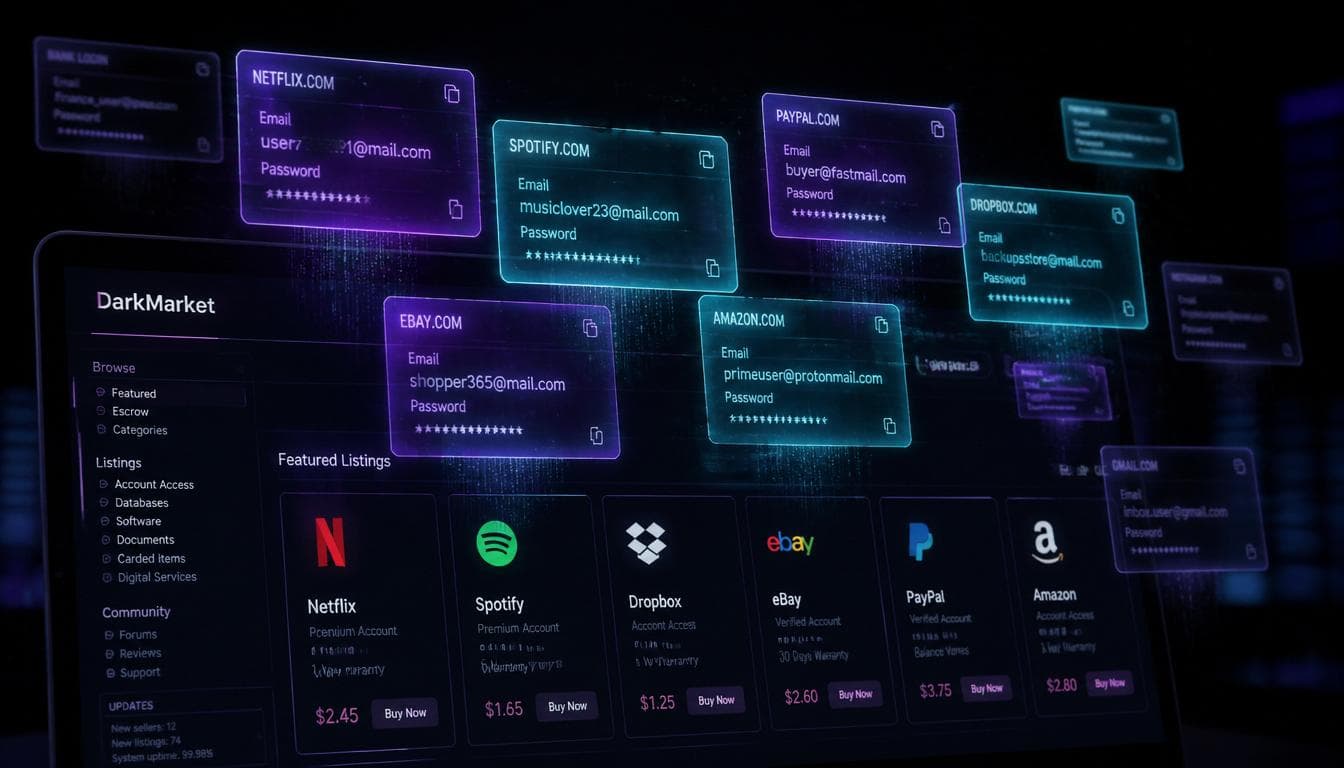
The fraud is not limited to a single scheme. Credential phishing, fake ticket sales, imitation merchandise stores, fake streaming platforms, rigged betting sites, and credential theft through infostealer malware are run in parallel. On dark web marketplaces, around 2,500 FIFA account credentials have been offered for sale at 5 to 50 dollars each; this data was collected with infostealer malware such as Vidar and Lumma. How such tools are customized was previously examined in the context of malicious AI models.
How to Recognize a Fake FIFA Site
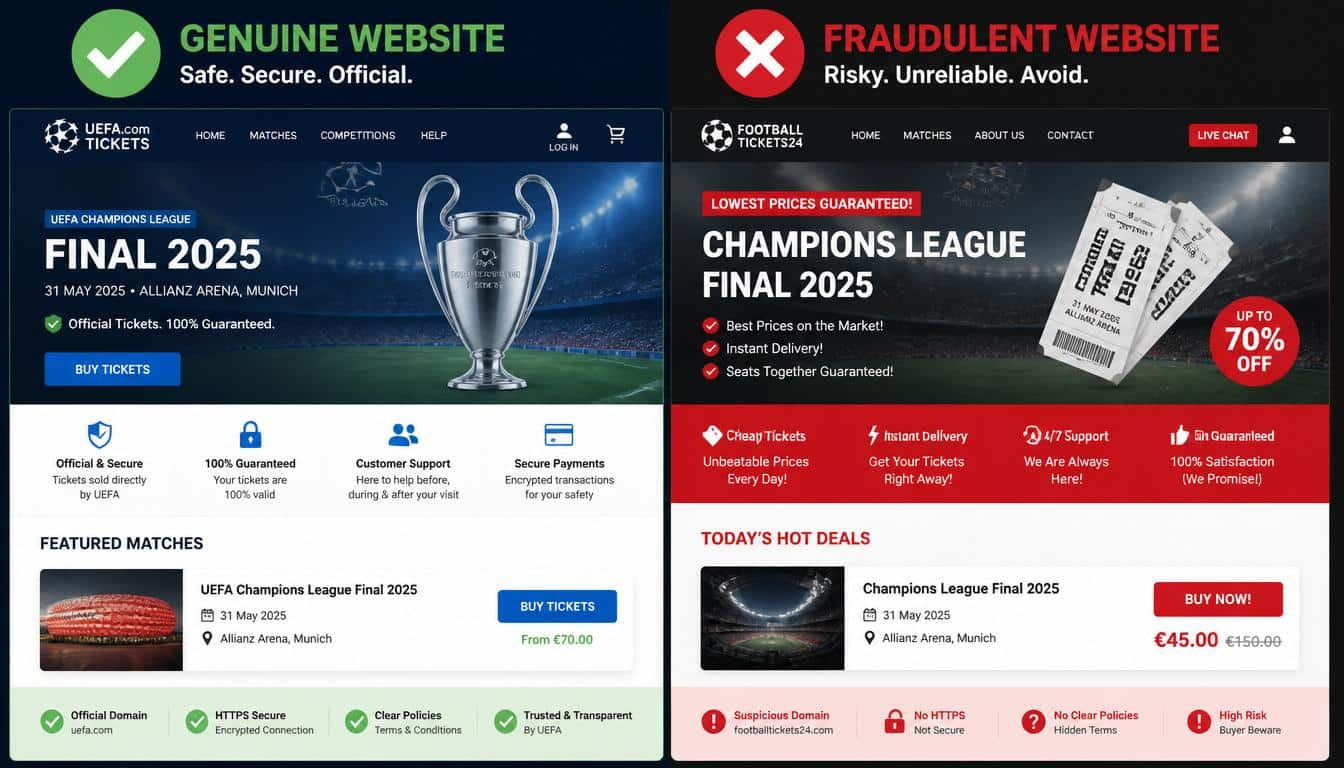
It is becoming increasingly difficult to spot a fake page at a single glance. Still, there are concrete differences between the real site and its copy. The table below compares the key points to watch for.
Feature | Real FIFA Site | Fake FIFA Site |
|---|---|---|
Domain name | fifa.com (.com) | fifa.city, misspelled |
Ticket sales | fifa.com/tickets | Third party, P2P payment |
Login system | Real SSO flow | Imitated login |
Pricing | Official rates | Premium imitation above 1,500 dollars |
Payment request | Secure channel | Insistence on crypto or bank transfer |
The first checkpoint is the domain name. The spelling in the address bar must be correct letter by letter, and the extension must be .com. The second point is the payment method. A request for a bank transfer or cryptocurrency to individual accounts is almost always a warning sign. The third point is price. An offer far below or far above the market price can be part of a trap that creates a sense of urgency.
What Should You Do to Avoid Fraud?
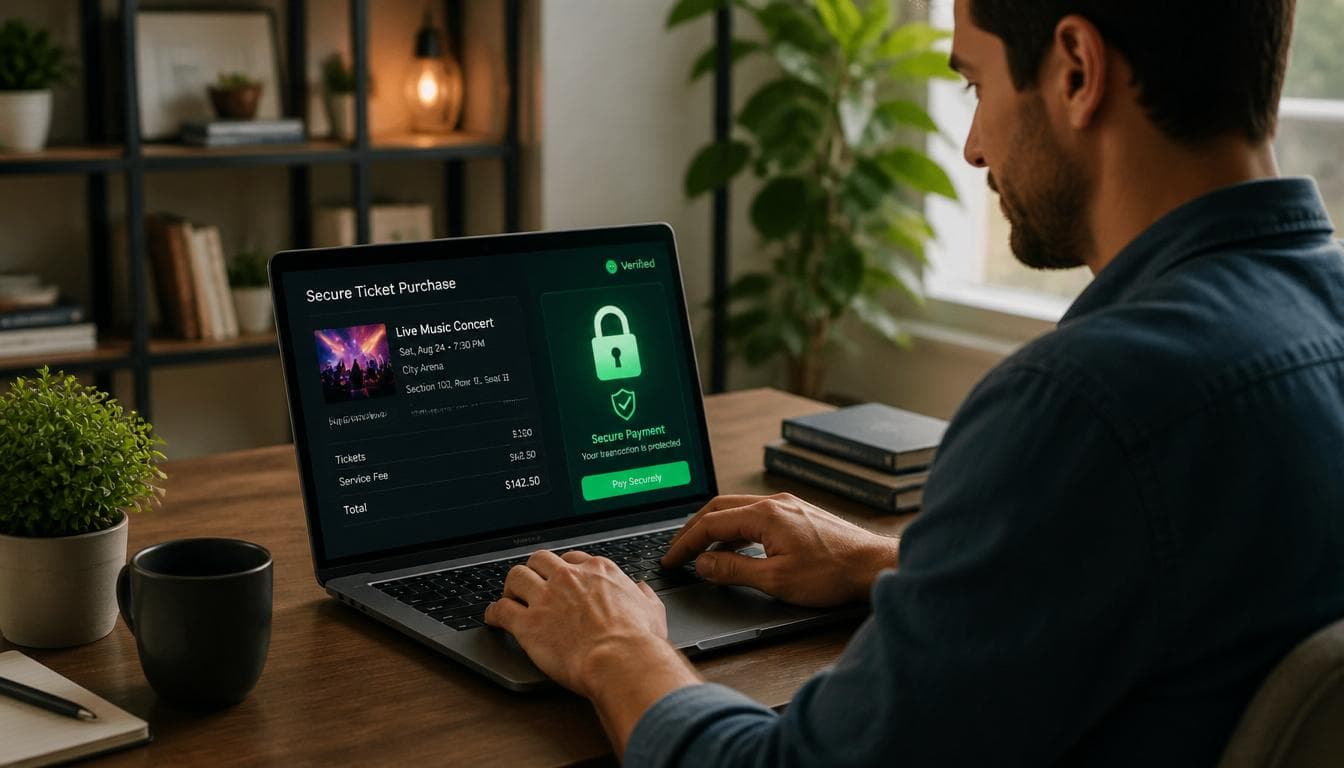
The FBI's recommendations are simple and practical. The first advice is to type the FIFA address directly into your browser. If you use a search engine, avoid sponsored results, since these can be paid imitations that try to divert traffic. It is also recommended to make sure the page you visit has a .com extension and to bookmark verified sites.
Tickets should be bought only through official channels. According to a guide published by AARP, tickets purchased outside fifa.com/tickets are not considered official and may be invalid or cancelled without notice. Do not send money to people you do not know through peer-to-peer payment apps, which is a basic rule.
If your information has been leaked, acting quickly matters. Changing passwords, checking the relevant accounts, and contacting your bank are among the first steps. If you become a victim, the FBI asks you to file a complaint at www.ic3.gov and to include the fake domain, interaction details, and financial transaction information.
Risks for Football Fans in Turkey
The threat is independent of geography. Because fake FIFA sites serve 11 languages, Turkish-speaking users are also within reach. The tournament being held in the United States, Canada, and Mexico means that the audience searching for travel and tickets from Turkey is more likely to turn to online searches. As search volume rises, so does the likelihood of running into fake pages.
Schemes beyond tickets also carry risk. According to an analysis published by The Next Web, fake streaming sites can install malware after collecting a subscription fee, while fake betting platforms may request passport scans and selfies for identity theft. Bitdefender has also tracked fake FIFA lottery emails promising prizes of up to 2 million dollars.
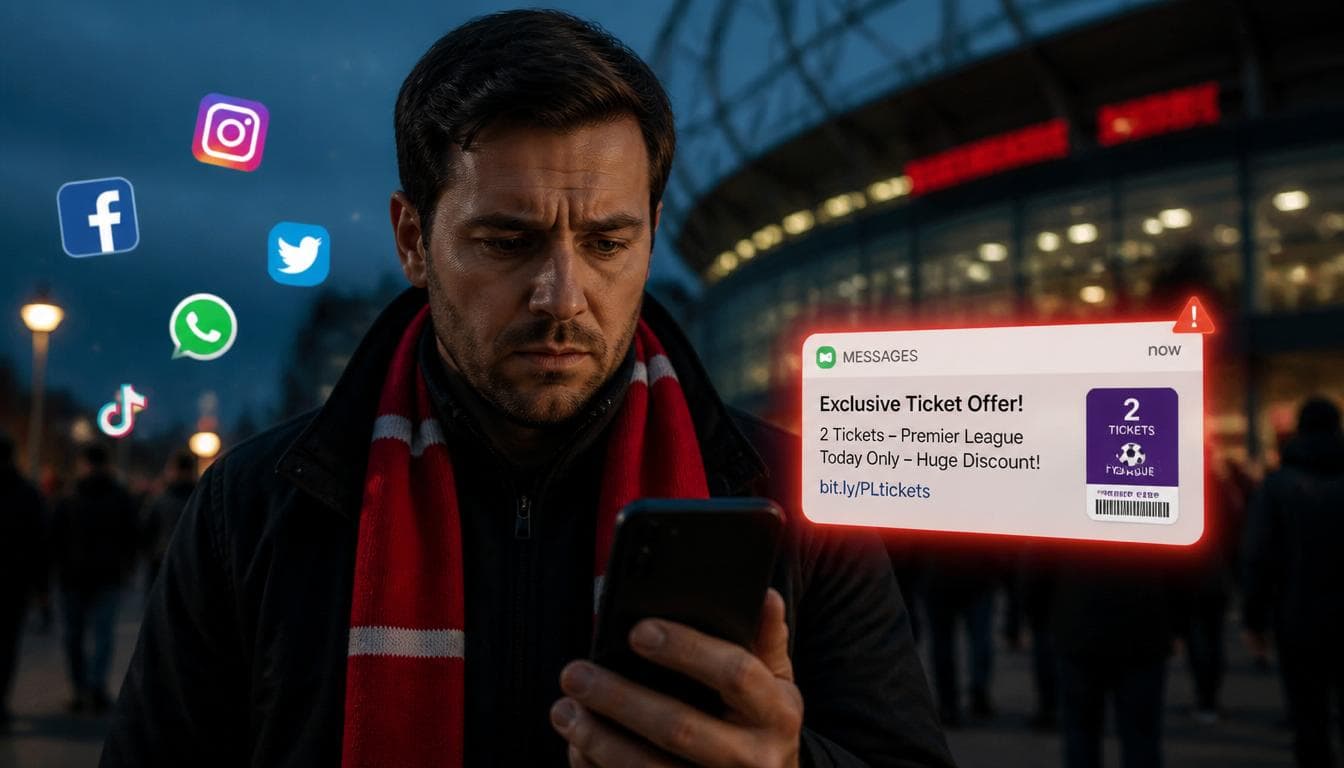
Social media is also used as a distribution channel. Fake offers spread through Facebook, X, Telegram, and WhatsApp. At this point, AI-powered imitation content adds another layer; the legal dimension of synthetic media is also debated in Turkey under deepfake regulations.
What Is the Community Saying?
Supporters
The early warnings from the FBI and security firms are welcomed by most users. When an official agency shares a concrete domain example, it clarifies what an ordinary user should watch for. Mapping of the infrastructure by companies such as Group-IB makes it possible to shut down domain names early. The common view is that early awareness will reduce losses during the tournament window.
Critics
Some argue that warnings alone are not enough. Shutting down a single actor has limited impact when a supply chain sells ready-made phishing kits. Keeping 3,800 domains on standby shows that takedown efforts have turned into a continuous chase. Some users also argue that the real responsibility lies with platforms and ad systems, and that sponsored fake results should not be allowed to appear.

Frequently Asked Questions
How can you tell a fake FIFA site? Check that the domain name is spelled correctly letter by letter and that the extension is fifa.com. Requests for cryptocurrency or bank transfers to individual accounts, off-market prices, and pressure to act quickly are among the main warning signs. If you are in doubt, do not enter any information on the page.
Where should you buy 2026 World Cup tickets? Official tickets are bought only at fifa.com/tickets. According to AARP, tickets purchased outside this address are not considered official and may be invalid or cancelled. Third-party sellers and social media offers carry high risk.
What should you do if you entered information on a fake site? First, change the passwords of the affected accounts, and if banking information was shared, contact your bank. Then file a complaint with the FBI at www.ic3.gov, including the fake domain, interaction details, and financial transaction information.
What is GHOST STADIUM? GHOST STADIUM is a Chinese-speaking, profit-driven threat actor identified by Group-IB. A single group manages more than 300 phishing domains and has created a pixel-level copy of the official FIFA site. It was first observed in November 2025.
Do fake sites only sell tickets? No. Alongside ticket sales, imitation merchandise stores, fake streaming platforms, rigged betting sites, and credential phishing schemes are also run. Some fake streaming sites install malware on devices after collecting a subscription fee.
What should you watch for when buying tickets from Turkey? A Turkish interface does not mean a site is safe; fake pages serve 11 languages. Type the address by hand, do not click sponsored search results, and make payments only through the official secure channel.
The 2026 World Cup is being played between June 11 and July 19. The thousands of domains on standby are expected to activate as the tournament progresses. In this window, the real test will be how quickly users change their habits. How much a single careful look at the address bar can undo an entire fraud ecosystem will become clear in the coming weeks.
AdminAI Sinema Tartışması Tribeca’da Alevlendi


Claude Corps Programı ile 1000 Genç İstihdam Edilecek