Claude Corps Program to Place 1,000 Young Professionals in Nonprofits
Automatically translated
 Admin
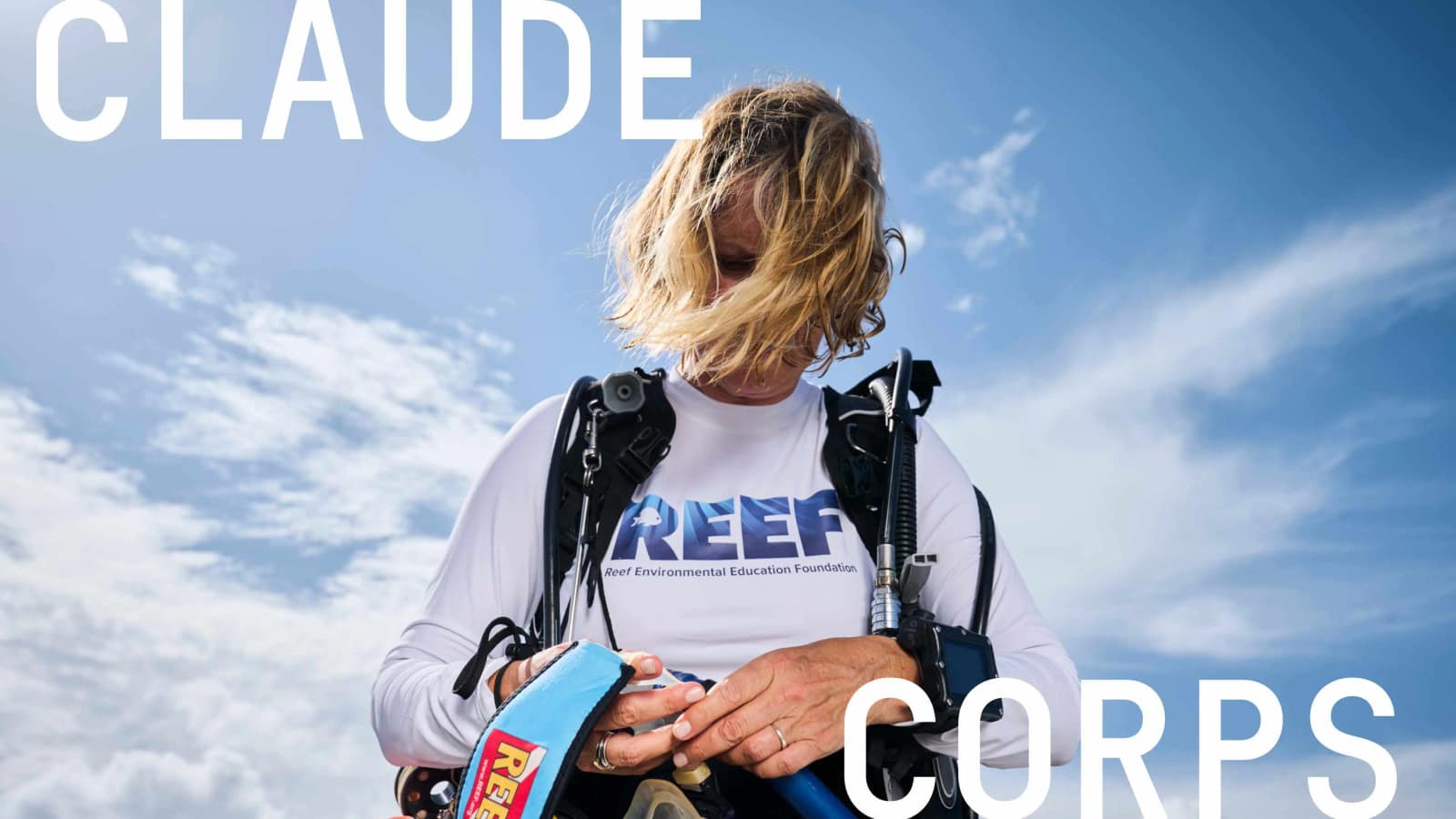
On June 11, 2026, Anthropic announced a new initiative in artificial intelligence. Called Claude Corps, the program places 1,000 early-career professionals at hundreds of nonprofit organizations across the United States, with the aim of spreading the social benefits of AI. At first glance it is not obvious how radical or how strategic it is, but this program could shape how technology companies take responsibility for the workforce crisis.
Source: Anthropic
Program Structure
Anthropic has set aside $150 million to train 1,000 early-career workers and place them at nonprofits across the United States. Each fellow receives an $85,000 salary and ongoing training during a 12-month full-time placement. Host organizations can host up to four fellows with their salaries and benefits fully covered.
The program is run by three organizations. Anthropic funds the program, manages its overall strategy, and provides Claude expertise. CodePath, a national nonprofit focused on technical education, handles recruiting, training, and legal employer responsibilities. Social Finance manages the program's philanthropic capital and handles measurement and evaluation.
Application and Start Dates
The first cohort starts on October 19, 2026. Applications are open and will close on July 17 for the first cohort of 100 people. The remaining 900 fellows are expected to join in later cohorts starting in January 2027 and August 2027.
The entry barrier is low: applicants only need to be 18 or older, be authorized to work in the United States, and have no more than two years of full-time work experience. There is no minimum education requirement.
Training Process
At the start of the program, Anthropic and CodePath will provide intensive training on using Claude in nonprofit settings. Fellows will go through an intensive training program from the outset, covering prompt design, working with Claude and the Anthropic API, and running AI evaluations.

At the beginning of each 12-month fellowship, fellows start with "intensive training" on using Claude in nonprofit settings, supported by five additional hours of training per week. Fellows get support from a CodePath mentor, access to Anthropic office hours for technical questions, a generous Claude token budget, and professional guidance from managers at their host organization.
Host Organizations and Focus Areas
Over the following 12 months, at least 400 nonprofits will host Claude Corps fellows. The first-year host nonprofits include RAINN, Goodwill Industries International, Code for America, Year Up United, and the International Rescue Committee, covering more than 400 organizations working in education, food security, veterans' support, workforce development, and conservation.

Each host organization has the fellow's salary and benefits fully covered and receives additional support. Host organizations also receive a $10,000 implementation grant.
Why Is Anthropic Doing This?
The benefits of transformative AI systems could cause significant disruption, and those who build this technology have a responsibility to ensure the benefits are fully realized and widely shared, and to invest directly in workers who absorb the change.

Daniela Amodei, president of Anthropic, spoke about hoping that Claude Corps could be scaled far beyond its model after the first year of measurement and implementation. She sees it as a repeatable model and says she hopes that anyone, whether private or public, will be able to build on the idea by creating and learning from it.
Strategic Considerations
As some analysts have pointed out, the program is not purely charitable. Over a full year, 1,000 early-career professionals will work entirely on Claude and build AI tools on Claude, then move into the broader workforce as Claude-native practitioners.
Critics point out that it is also part of a talent acquisition strategy: for a year, 1,000 professionals work entirely on Claude, and then they return to industry with the skills and loyalty they have developed. This is a durable distribution strategy that rivals cannot easily copy, packaged as a public assistance program.
What the Community Thinks
Supporters
Nonprofit leaders argue that the funding fills a real gap. Most nonprofits lack the staff, budget, and technical knowledge to adopt AI tools, even when those tools could meaningfully improve their operations. Claude Corps can have a real impact in areas with limited budgets, such as workforce development, food security, social services, and conservation.
Critics
Some see the program as a response to Anthropic's concerns that AI could displace workers, both to demonstrate responsibility and to build a pool of skilled employees. According to Anthropic's March 2026 Labor Market Impacts Report, the workers most exposed to AI today are highly educated, have deep experience, and earn well above average. The speed and scope of AI integration raise the question of whether training programs can keep pace.
Frequently Asked Questions
Who can apply to Claude Corps?
Anyone who is 18 or older, has less than two years of full-time work experience, and is authorized to work in the United States can apply. There is no education requirement.
What are the salary and benefits?
Fellows receive an $85,000 salary and ongoing training during a 12-month full-time placement at a host organization. In addition, they receive mentorship, technical support, and a generous Claude token budget.
When does the first cohort start?
The first cohort starts on October 19, 2026. In the first week, all fellows and representatives of host organizations will attend a foundational camp in San Francisco.
What is the application deadline?
Applications are open and will close on July 17 for the first cohort.
How do nonprofits apply to become host organizations?
To apply for Cohort 1 (fellows start on October 19, 2026), submit your application by Friday, July 17, 2026, at 11:59 PM PT. Organizations must have an office where the fellow's team can regularly spend time.
Do host organizations pay anything?
No. The fellows' salaries and benefits are fully covered for host organizations. They also receive a $10,000 implementation grant.
Anthropic's $150 million investment is a test case for what companies should do in response to the economic effects of AI. The program aims to build a workforce pool with the skills needed to adapt quickly to the evolving AI ecosystem, but it also shows that Anthropic is positioning itself at the front of the field in AI training and placement.
AdminSahte FIFA Siteleri Dolandırıcılığına Karşı FBI Uyarısı


AI Giyilebilir Teknoloji Yarışında Meta Vitesi Artırdı