



Why Did Lexus Cancel Its Electric Car Plan?
Automatically translated
 Writer
Toyota has made a radical decision that will shake up the electric transformation map of the global automotive industry. It has been announced that the Lexus LF-ZC project, the flagship electric model in the luxury segment, has been completely canceled. This development means much more than simply removing a model from the production line. It clearly shows that one of the largest players in the industry is reconsidering its vision of a future focused on battery electric vehicles (BEV) and is shifting its focus toward more flexible platforms and hybrid car models. Coming at a time when competition in the electric car market is heating up, incentives are shrinking and the nature of competition is changing, this move marks the start of a new chapter for Toyota's EV strategy.
Why Did Toyota Stop the Lexus LF-ZC Project?
The main reason behind shelving the Lexus LF-ZC project is that the company has entered a comprehensive review process covering all of its vehicle programs. In the automotive world, as projects move from the laboratory toward the production line, the current economic realities of the market and consumer demand determine the fate of these investments. Toyota's management analyzed financial sustainability and the current direction of the market, and concluded that continuing this costly flagship project was not sensible at this stage.
Lexus had aimed to sell 1 million electric vehicles per year by 2030 and to become a fully electric brand by 2035, with the new generation electric family starting with the LF-ZC. However, growth in the global luxury EV market fell below forecasts, which weakened the economic foundation behind these ambitious goals. Premium buyers have been more cautious than expected about switching to fully electric models due to inadequate charging infrastructure and high upfront purchase costs. North America is the center of Lexus's global sales volume. In the US market, reducing or completely removing government incentives for electric vehicles directly undermined demand for premium electric cars. As incentives were cut, the high cost of batteries was passed on directly to consumers, making competitive pricing for a flagship model like the LF-ZC impossible.
What Was the Lexus LF-ZC and Why Did It Matter?
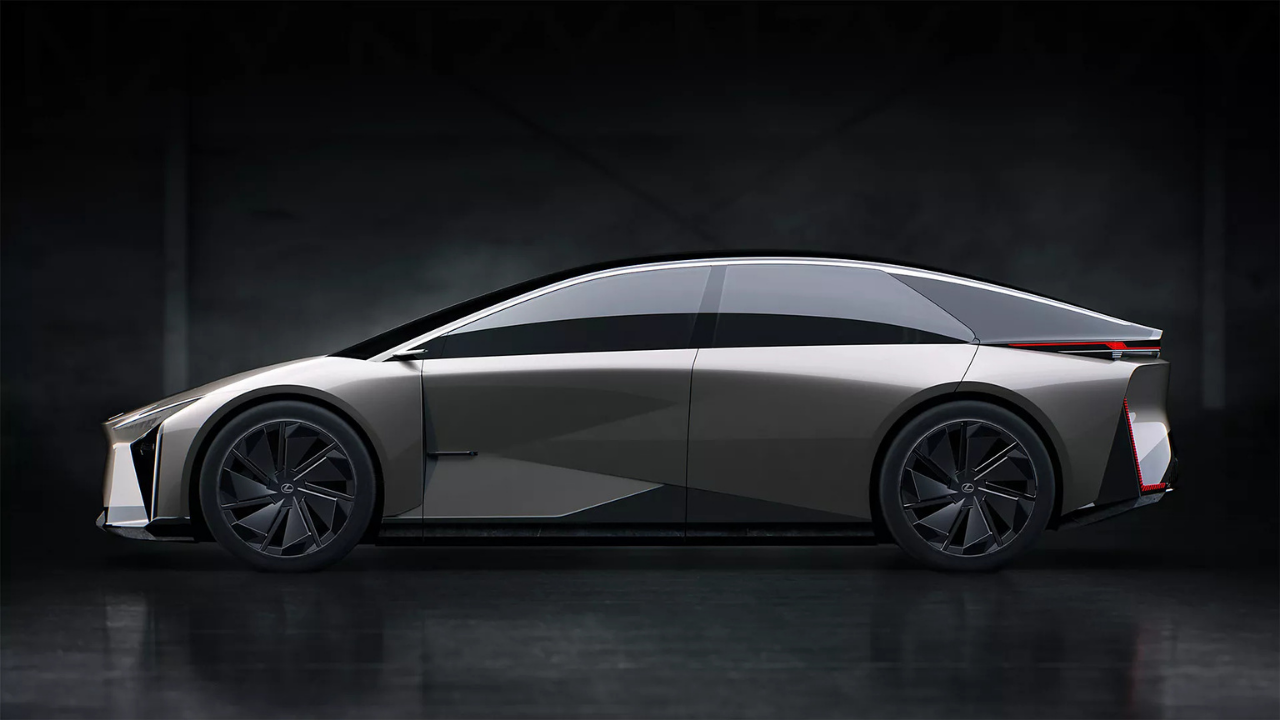
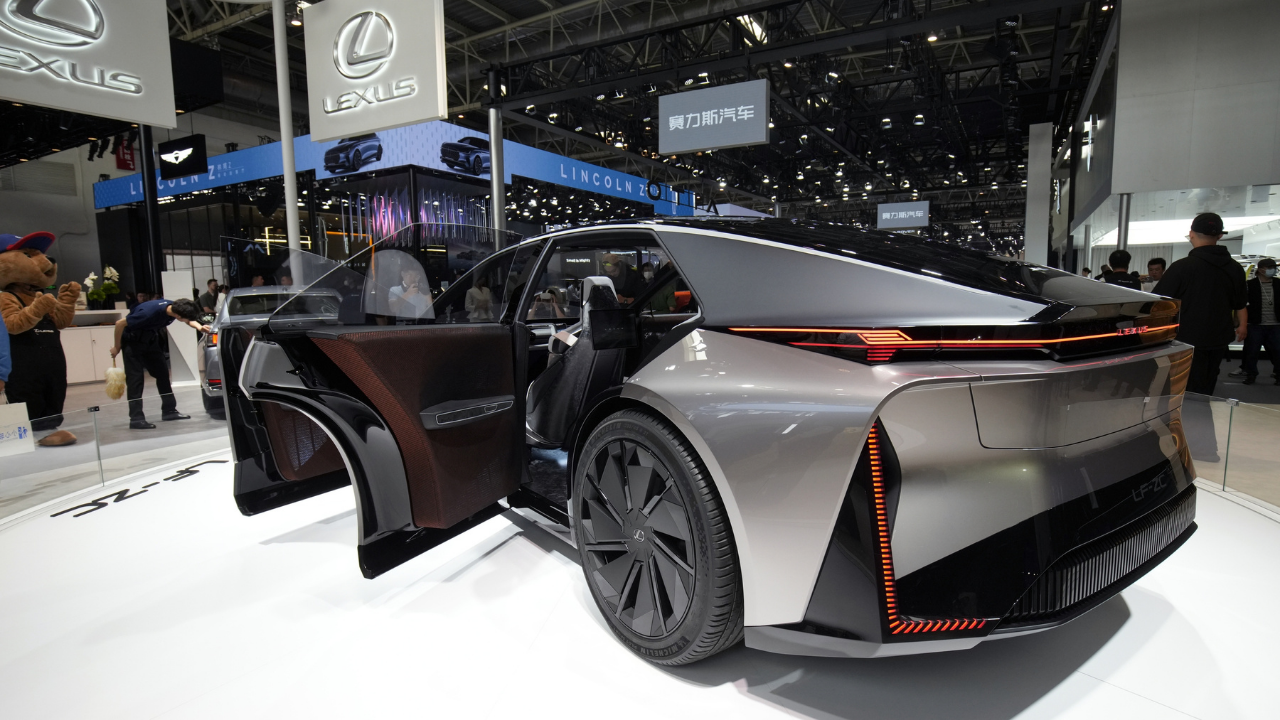
The Lexus LF-ZC (Lexus Future Zero-emission Catalyst) was not just a stylish sedan concept. It was a showcase of the next generation production technologies and battery vision Toyota developed to challenge EV leaders such as Tesla. The vehicle was a manifesto that defined the brand's design language and engineering limits for an electric future.
Unveiled at the 2023 Japan Mobility Show, the LF-ZC generated great excitement with its aerodynamic lines, very low drag coefficient and digital cockpit technologies. Industry analysts expected this model to combine Lexus's traditional luxury image with a futuristic technology base. Its aggressive stance and generous interior space were considered among the most successful examples of the architectural freedom offered by electric platforms.
What made the LF-ZC project especially important was the production revolution under its body. With this model, Toyota planned to adopt "gigacasting", a technology pioneered by Tesla that casts large body parts in a single piece and radically reduces production costs, and it aimed to set up driverless autonomous assembly lines in its factories. Solid-state battery technology, which was expected to eliminate range concerns entirely, was also expected to be commercialized for the first time with this vehicle. Canceling the project means these advanced manufacturing techniques have, at least for this model, been put on hold for now.
How Does the LF-ZC Cancellation Change Toyota's EV Strategy?
This cancellation does not mean Toyota is completely withdrawing from the electric vehicle market. The company firmly emphasizes that its commitment to battery electric vehicles (BEV) continues. The real change, however, lies in where and how investment is made. Instead of developing dedicated, billion-dollar platforms from scratch for fully electric vehicles with huge budgets, Toyota is moving toward a flexible strategy that carries lower risk and offers better cost optimization.
A hybrid-focused model instead of "fully electric"
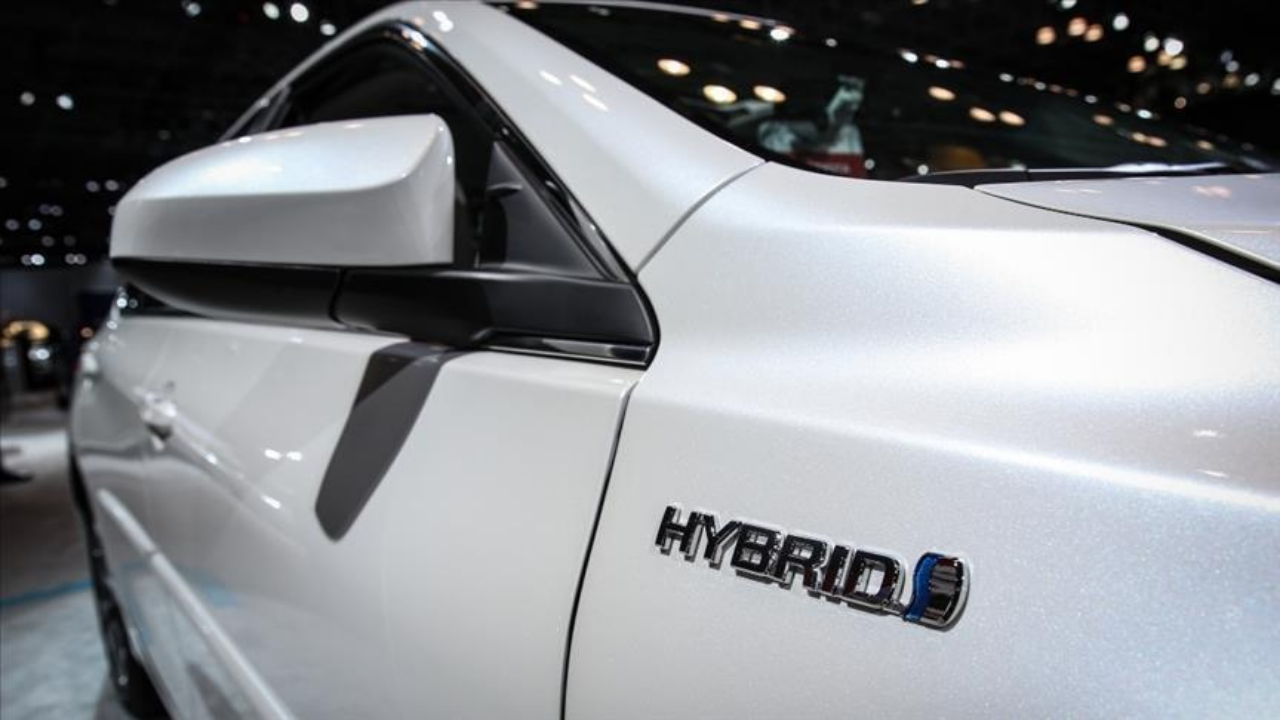
In the new era, Toyota is sharpening its philosophy of not putting all its eggs in one basket. Rather than focusing solely on battery-only vehicle lines, it is placing emphasis on hybrid and plug-in hybrid (PHEV) models, which are the real driving force of the market. Instead of a niche, luxury fully electric flagship, hybrid technologies that appeal to broader audiences and provide the company with steady cash flow have begun to take the lion's share of R&D budgets.
A multi-platform approach
The biggest strategic change in Toyota's engineering division has been moving away from "dedicated" architectures built only for EVs. The company is moving toward flexible, multi-powertrain platforms that can produce internal combustion, hybrid and fully electric vehicles on the same production line. This way, whether the market turns fully electric tomorrow or stays stuck on hybrids, factories can meet market demand immediately without bearing major structural conversion costs.

Why Is Toyota So Insistent on Hybrid Cars?
The "multi-pathway" approach that Akio Toyoda has voiced for years, and that the global automotive press has sometimes interpreted as "resistance to the electric revolution," appears to have proven Toyota right under today's market realities. The company continues to argue that the path to carbon neutrality does not run only through pure electric power, and that as long as the global energy infrastructure remains heterogeneous, hybrid cars are the most realistic solution.
According to Toyota, dozens of hybrid vehicles can be produced with the rare earth elements and battery raw materials needed for a single pure electric vehicle. In this way, total carbon emissions on the roads can be reduced much faster and more effectively. The fact that charging infrastructure is still inadequate in much of the world, even in rural areas of developed countries, strengthens Toyota's argument that "hybrids are the best transition bridge until the infrastructure is ready" with each passing day.
Why are hybrid sales still strong?
On the consumer side, the situation also favors Toyota. Range loss in fully electric vehicles, battery performance drops in winter and uncertainty about resale values steer users toward hybrid technology they know and trust. Although Toyota and Lexus increased global pure EV sales by 31% to 188,785 units in the last fiscal year, this figure represents only 1.8% of their total global sales. Behind the enormous remaining volume are record-breaking hybrid sales. With consumer demand shifting so strongly toward hybrids, pouring billions of dollars into EV platforms alone was seen as a financial risk.
Is the Slowdown in Electric Car Demand Real?
The strong EV wind that blew through the automotive industry over the past few years has given way to a more cautious and realistic breeze. The slowdown in demand is no longer a forecast but a concrete trend that has led manufacturers to slow their production lines.
In the European market, the sudden cuts to EV incentives by giants such as Germany pushed the market into a serious pause. The tech-enthusiastic early adopters, who had no budget constraints, had already bought their electric cars. When it came to mainstream consumers, high price tags and range anxiety created a wall. In the US, similarly, doubts about charging networks and rising credit interest rates pushed consumers away from electric vehicle dealerships and toward combustion and hybrid options.
The break that directly affected Lexus's LF-ZC decision occurred in the premium segment. Although luxury car buyers are open to technology, they do not want to lose time on long trips or deal with software problems in their vehicles. The fact that giants such as Porsche, Mercedes-Benz and Audi have even revised their premium EV targets downward or postponed electric model plans made it sensible for Lexus to hit the brakes early.
Did the Rise of Chinese Brands Affect Toyota?
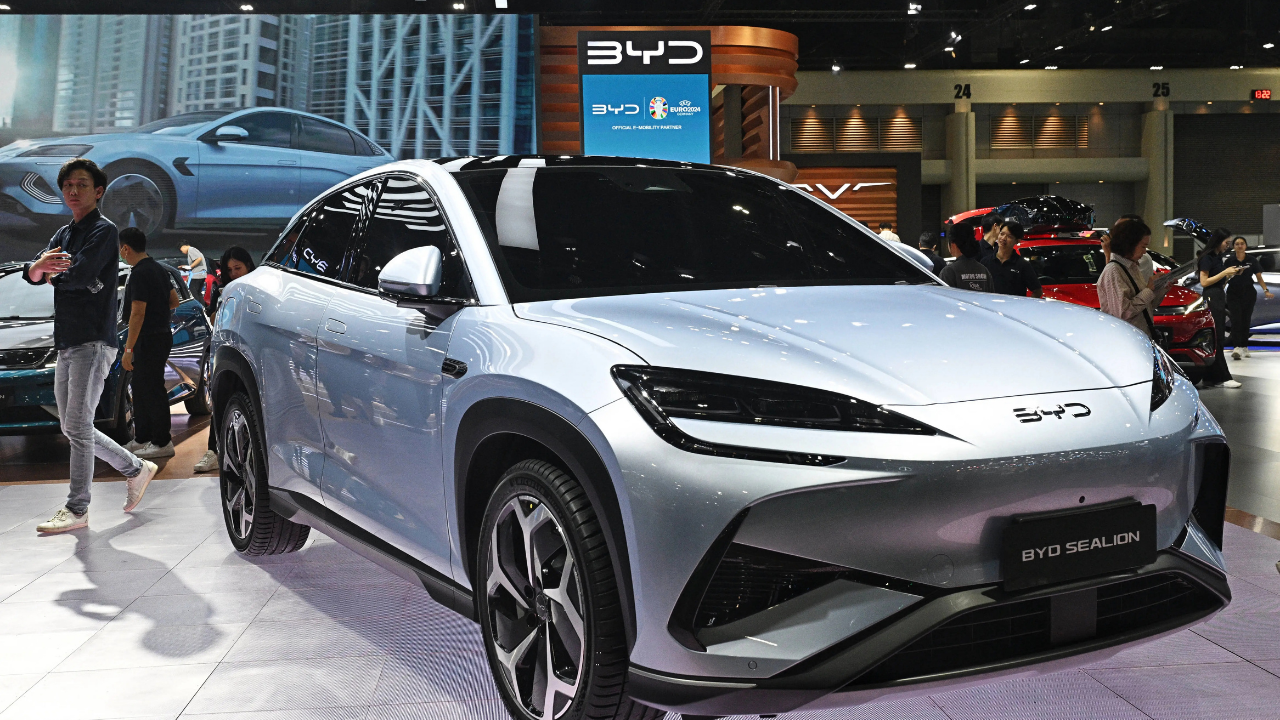
The aggressive EV offensive that Chinese automotive companies such as BYD, Geely and Xiaomi have launched has upended the plans of established global automotive giants. Behind Toyota's strategic change also lies the difficulty of competing with its current cost structure against this new ecosystem created by Chinese manufacturers.
BYD and the new competitive balance
Chinese manufacturers have completed vertical integration from battery raw materials to software. As a result, they can bring to market an electric vehicle with far more advanced multimedia and software features at nearly half the price of one that European and Japanese manufacturers build by sourcing parts from the supplier industry. Faced with BYD's price and speed advantage, Toyota concluded that merely surviving in the pure electric market through high R&D spending would eventually erode profitability.
Price pressure and profitability problems
Brutal price wars in the global EV market have pushed the profit margins per vehicle for manufacturers close to zero, and have even caused many brands to post losses. Toyota, on the other hand, has historically been a company that operates with a focus on high profitability and efficiency. Rather than entering a race to gain market share at the cost of losses, it considered it more rational to protect and strengthen its dominance in the hybrid segment, where it is the market leader and which offers high profit margins.
Has the Lexus Electric Car Vision Been Completely Shelved?
The cancellation of the LF-ZC project does not mean the end of electric vehicles bearing the Lexus badge. The company intends to maintain its presence in the market with more optimized and lower-risk models.
RZ, ES EV and ongoing projects
Lexus continues to sell and develop fully electric models that are already on the market, such as the RZ. Work is also ongoing to offer fully electric versions (ES 350e and ES 500e) in the new generation of the ES, the brand's popular sedan. In other words, rather than building futuristic flagships from scratch, Lexus is creating a safer transition corridor by electrifying its existing model families, which already have high market share and are known and trusted by consumers.
Where will the technologies left from the LF-ZC be used?
The technologies developed for the LF-ZC project, on which billions of yen were spent, will not go to waste. The gigacasting casting experience gained in this process will be used in the production of next generation, more efficient engine blocks and in the chassis architectures of future hybrid and EV models. Similarly, the Arene operating system and advanced driving assistance software developed for the vehicle will be integrated into the new generation Toyota and Lexus models we will see in the coming period. So although the LF-ZC was not born as a series production vehicle, it has taken on the role of a technology laboratory feeding the brand's other models.
What Does Toyota's New Multi-Powertrain Strategy Mean?
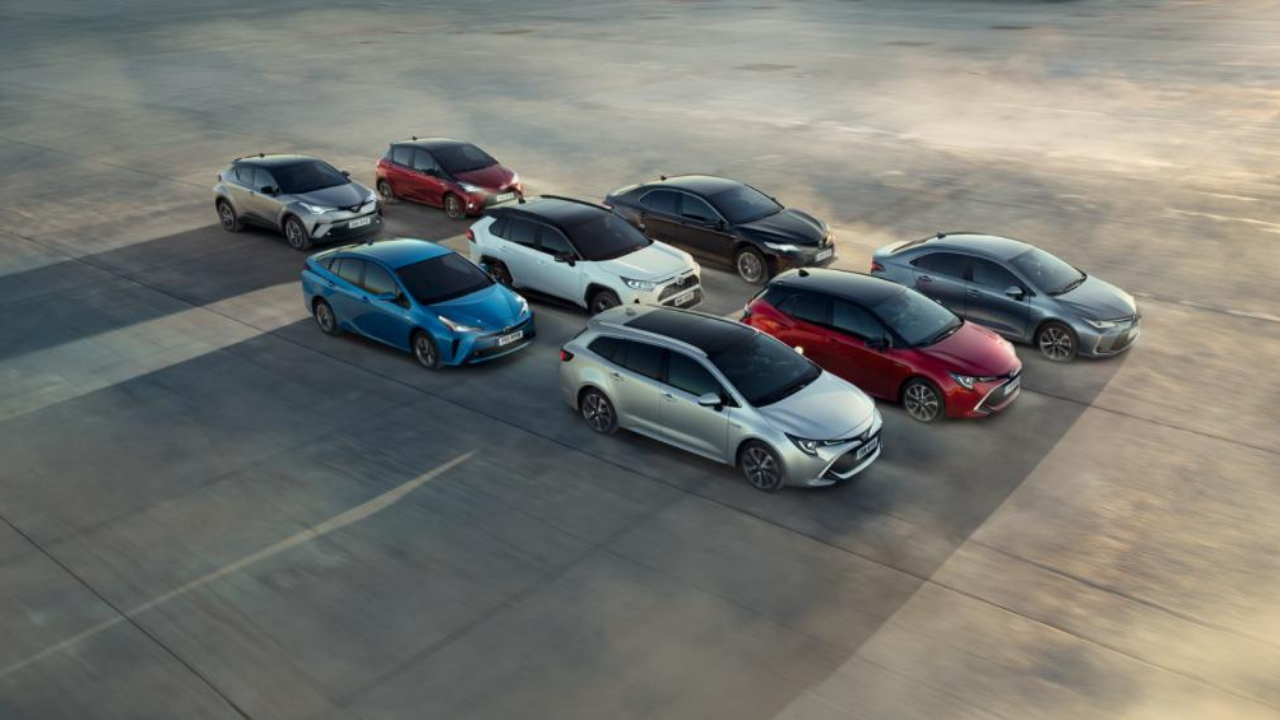
At the center of Toyota's new roadmap is the "Multi-Powertrain Strategy". This strategy aims to maximize flexibility at a time when uncertainty in the automotive industry is at its peak.
Hybrid, PHEV and EV approach on a single platform
Future Toyota architectures are being designed with a modular flexibility that can accommodate both a large EV battery and a hybrid engine and fuel tank in their base. When a model is designed, the engine type can be chosen depending on the region of the world where that model will be sold. For example, while a fully electric unit will be placed on the same chassis for Western Europe, where charging infrastructure is advanced, a hybrid engine will be integrated into the same body structure for markets such as Turkey or South America. This means enormous standardization and cost savings on production lines.
Risk distribution and cost control
For automotive companies, the greatest nightmare is a technology into which billions of dollars have been invested being rejected by the market. Toyota is fully spreading this risk with its multi-powertrain approach. If global governments increase EV pressure, the company can shift up its EV production; if the market stays loyal to hybrids, it will continue production in the area where it is already the leader. This flexibility protects the company's financial health while keeping it away from the billion-dollar EV losses its rivals are experiencing.
Why Does This Decision Matter for the Turkish Market?
Toyota's decision to stay loyal to hybrids and move toward flexible platforms in its electric strategy closely overlaps with the dynamics of the Turkish automotive market. Turkey is a market with its own distinct dynamics, from its tax system to its charging infrastructure, and Toyota's move could strengthen the brand's position in the local market.
Frequent changes to the ÖTV tax base limits applied to fully electric vehicles in Turkey, and the rapid move of high-displacement vehicles into higher tax brackets, are narrowing the premium electric vehicle market. In contrast, the hybrid models Toyota also produces in Turkey have been adopted much faster by Turkish consumers, both for fuel economy and ease of use. The fuel advantage it offers in stop-and-go city traffic, without adding any extra charging cost or obligation, makes hybrid cars the most sensible and economical transition formula under Turkish conditions.
Charging Infrastructure and Consumer Behavior
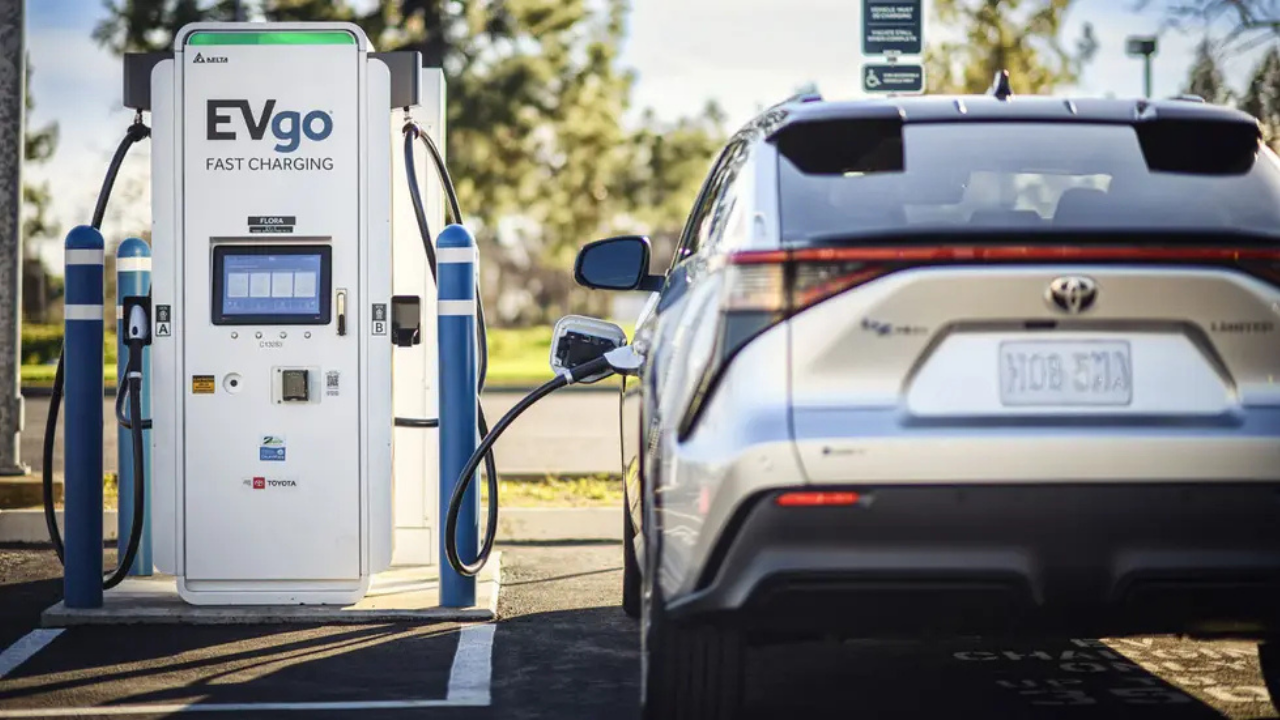
Although the number of charging stations on intercity roads in Turkey is rising quickly, apartment life in large cities makes it difficult for consumers to install individual chargers at home. For the conservative Turkish consumer, who does not want to wait to charge a car on the street, in a shopping mall or at a station, and who is not yet ready to break from traditional driving habits, hybrid engines serve as a lifeline. Toyota's investment in hybrid engine development and flexible platforms, rather than in fully electric vehicles, offers a strategic advantage for protecting and even growing its market share in Turkey.
Is Toyota's EV Move Over, or Is It Just Changing Shape?
Seen from the outside, shallow interpretations such as "the Lexus LF-ZC was canceled, Toyota has given up on electric" are being made, but internally the situation is purely an evolution and survival strategy. Toyota does not want to miss the electric vehicle train; it is simply adjusting the speed of the train and the arrangement of its carriages to the real rhythm of the market. The company expects that the market's full shift toward BEVs will take at least another 10 to 15 years due to today's energy crises and infrastructure shortcomings. In this period, instead of investing fully in electric and draining its cash flow, it is financing tomorrow's solid-state battery electric technologies with profits from hybrids, the current winners.
Frequently Asked Questions (FAQ)
Why was the Lexus LF-ZC project completely canceled?
As a result of Toyota's global review covering all of its vehicle programs, the project was found to be commercially risky due to slowing demand in the luxury EV segment and the removal of government incentives in major markets such as the US, and it was canceled.
What will happen to the gigacasting and solid-state battery technologies developed for the LF-ZC?
These technologies will not go to waste. The engineering gains, gigacasting production experience and solid-state battery R&D work obtained during the project will be used in the infrastructure of the next generation hybrid and electric models that Toyota and Lexus will bring to market in the coming period.
What is the reason for Toyota's insistence on hybrid cars?
Toyota argues that global charging infrastructure is still insufficient for fully electric vehicles, and that hybrids are currently the most realistic and profitable solution both for reducing carbon emissions and for adapting to consumer habits.
WriterFlowX Summit Agentic AI Çağında Yeni İş Gücünü Konuşuyor


AI Sinema Tartışması Tribeca’da Alevlendi


