



The Future of Electric Vehicles: A 2026 Guide to the Technology Shift
Automatically translated
 Writer
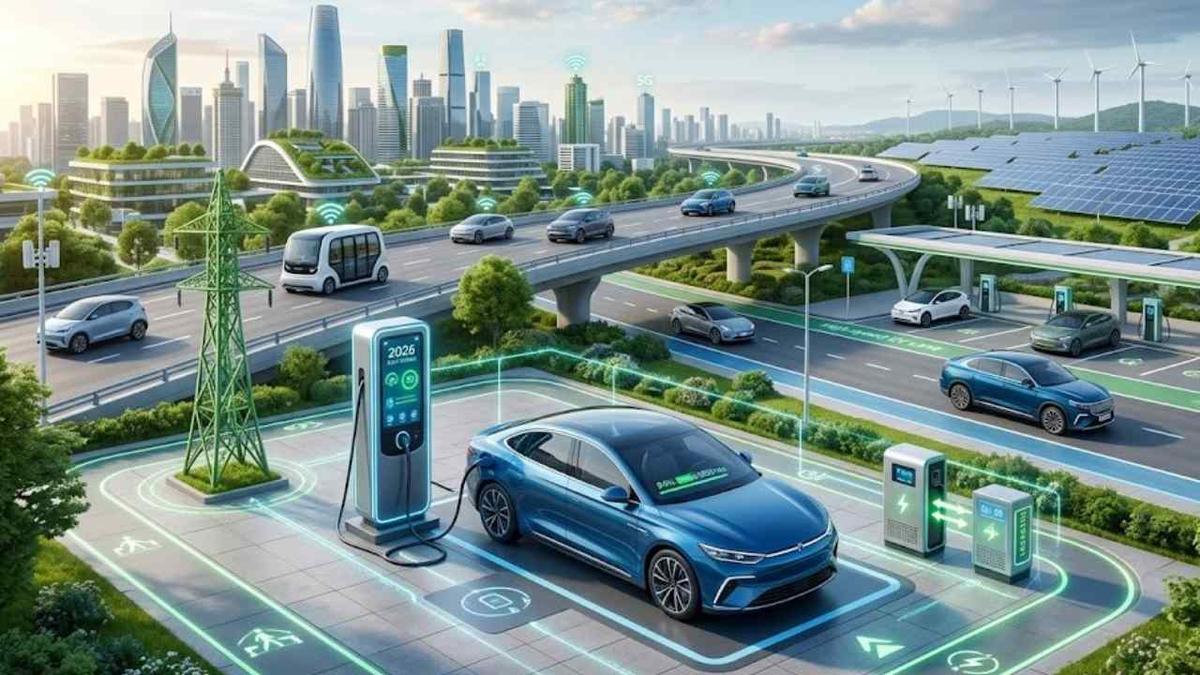
The automotive world is going through one of the biggest turning points in its history. Until a few years ago, electric cars were seen as an alternative. Today they have become the main players in the global market. According to data from the International Energy Agency, the number of vehicles on the road is growing rapidly, and thanks to technological innovation and infrastructure investment, the future of electric vehicles is entering a full maturity phase as of 2026. These vehicles are now preferred for their performance, range and smart grid integration, not just for being environmentally friendly, and they sit at the center of a sustainable lifecycle.
What Are the Global Trends in the Electric Vehicle Market in 2026?
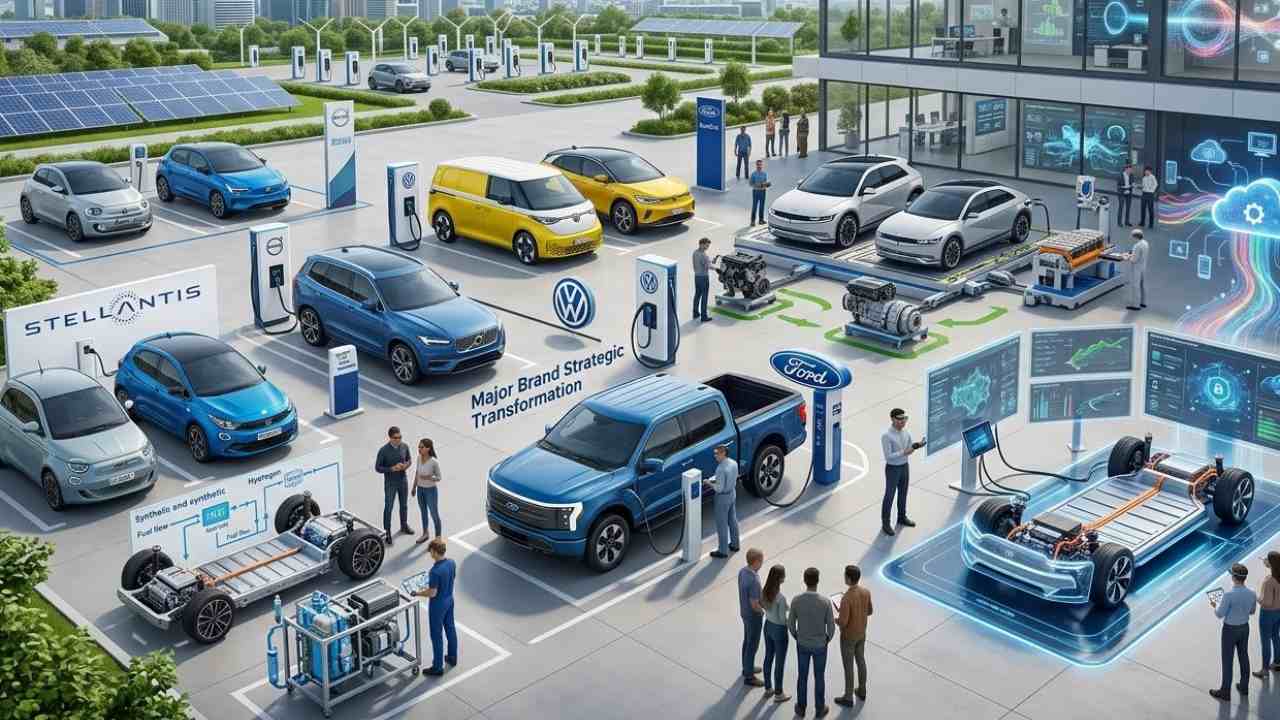
In 2026, the automotive industry regards this as the milestone at which the car stopped being just a means of transport and became a wheeled smart device. In this period, when the projections that industry giants have pursued for years are becoming reality, the 2026 EV market trends are taking shape under the following headings:
The Rise of Affordable and Accessible Models: Electric vehicles are no longer just a premium or luxury choice. Manufacturers have entered fierce competition in the market with affordable models built on modular platforms that suit the purchasing power of broad segments of consumers.
Strategic Transformation of Major Brands: Volvo's commitment to becoming a fully electric brand by 2030 and Volkswagen's target of a 70% market share are now reflected in concrete sales figures as of 2026. Ford's strategy of making 33% of its sales from fully electric models shows that the segment has become mainstream.
Scenarios for Saying Goodbye to Internal Combustion Engines: Hyundai and many other manufacturers have stopped developing internal combustion engines and shifted all their R&D resources to electric platforms. This is causing the market share of fossil-fuel vehicles to erode quickly.
Software-Defined Vehicle Experience (SDV): In 2026, consumers are no longer concerned only with engine power or comfort. The speed of over-the-air (OTA) software updates, cybersecurity standards and integration with the digital ecosystem have become the most critical parameters in purchasing decisions.
Energy Efficiency and Carbon-Neutral Solutions: Major groups such as Stellantis combining e-fuel technologies with battery systems in a hybrid approach has placed carbon-neutral goals on a more realistic and sustainable footing.
How Do Solid-State Batteries Eliminate the Range Problem?
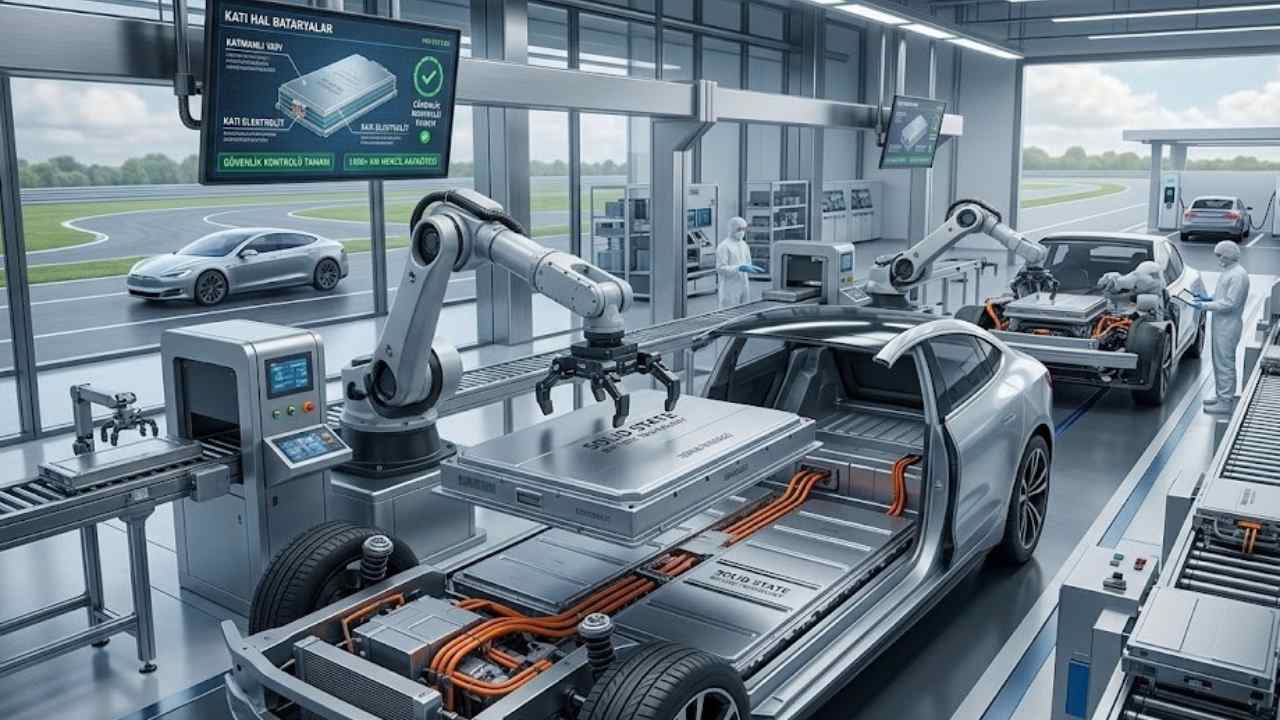
Range anxiety, the biggest psychological barrier for electric vehicles, is being consigned to history by solid-state battery technology. This technology, which replaces conventional lithium-ion batteries, uses solid layers instead of liquid electrolytes, offering both safety and energy density advantages.
As of 2026, solid-state batteries are moving from the prototype stage to mass production lines, allowing vehicles to travel more than 1,000 kilometers on a single charge. These batteries also minimize the risk of fire, while bringing charging times closer to refueling speed. Investments in this field by giants such as Toyota and BMW are doubling battery life while significantly reducing environmental waste.
New-Generation Standards for Autonomous Driving and Electric Vehicle Integration
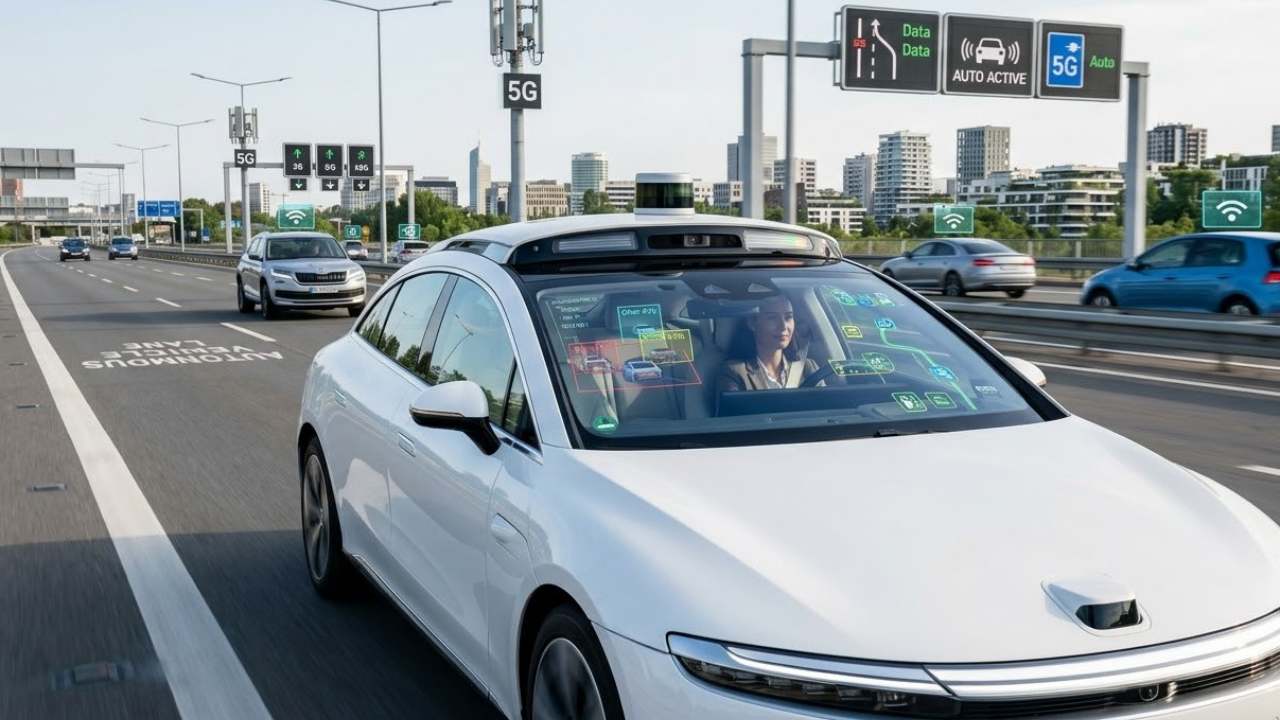
Autonomous driving and electric vehicles have become two inseparable parts that complement each other. The digital architecture of electric vehicles offers the most ideal platform for integrating AI-based driving assistants. In 2026, "Level 3" and "Level 4" autonomous driving features are considered part of the new generation of EV standards.
Thanks to advanced LiDAR sensors and 5G connectivity, vehicles can detect not only the road but also each other and the traffic infrastructure. This integration aims to reduce traffic accidents by 90% while also optimizing energy consumption. By using AI to determine the most efficient route and the most suitable charging point, vehicles completely remove the burden from the driver. In addition, according to research, by 2030 it is predicted that 25% of cars sold worldwide will be electric and that the number of vehicles worldwide will exceed 80 million by 2030.
Türkiye’nin Elektrikli Araç Altyapısı ve 2026 Enerji Stratejileri
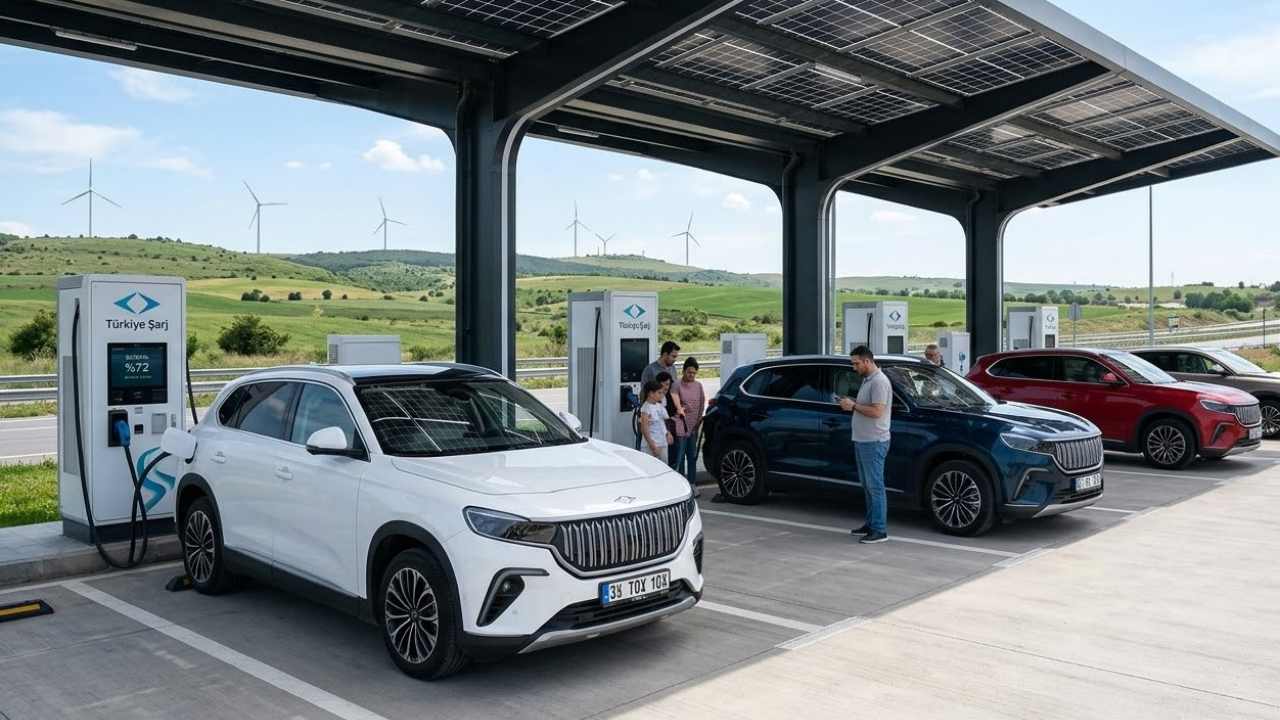
Türkiye is moving steadily toward becoming a regional electric vehicle hub. By 2026, Türkiye's charging station infrastructure has reached a level that offers uninterrupted travel not only in big cities but also in the most remote corners of the country. The domestic production momentum that started with Togg has grown into a massive sector through charging network operations.
Government incentives and tax regulations have accelerated the shift to electric vehicles not only among individual users but also among logistics fleets. Türkiye's 2026 energy strategies focus on renewable energy sources to meet this growing demand. Smart charging stations working together with solar and wind power plants reduce Türkiye's dependence on energy imports while forming the foundation of a sustainable transport network.
The Role of Vehicle-to-Grid (V2G) Technology in Sustainable Transport
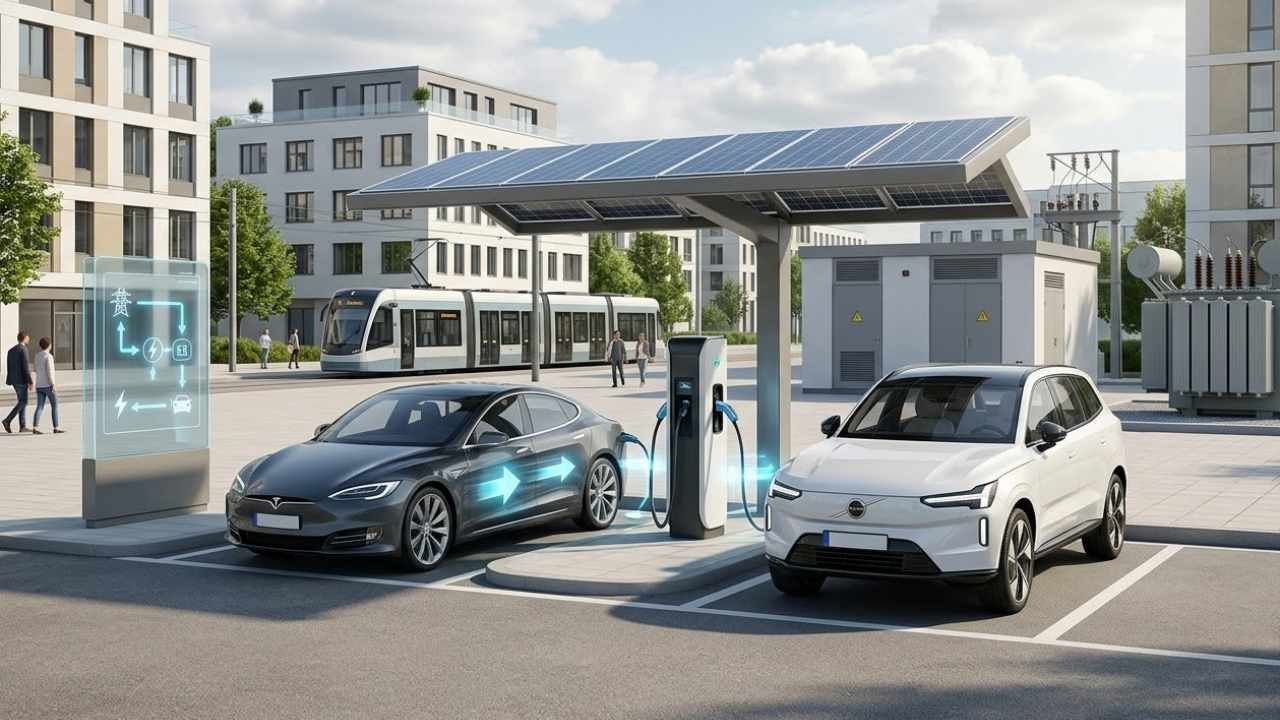
Future sustainable transport strategies see vehicles not only as consumers of energy but also as units that generate and store it. Vehicle-to-grid (V2G) technology is one of the most notable innovations of 2026. With this system, electric vehicle owners can sell the battery energy they do not need back to the grid during peak hours.
This cycle provides extra income to vehicle owners and prevents the energy grid from collapsing under sudden loads. Electric vehicles are now emerging as mobile power banks. This technology, which plays an active role in city energy management, minimizes the need for fossil fuels and truly opens the door to a green future.
2026 is not a transition period for electric vehicles but a year of acceptance and standardization. This economical, quiet and environmentally friendly technological transformation is making our living spaces more breathable and quieter. Being part of this change to shape the future is no longer a choice but a requirement for a sustainable life.
WriterConventional Commits Kullanımı: 2026 Yazılım Standartları


Tesla Tam Otonom AI Sürüş Yazılımı: Kontrol Yapay Zekada


