Tesla Full Self-Driving AI Software: Control in the Hands of Artificial Intelligence
Automatically translated
 Writer
For many years, automotive technology was considered a discipline that developed within the boundaries of mechanical engineering. In recent years, however, cars have begun to move beyond being simply moving machines and are becoming digital systems that generate data, learn and make decisions. At the center of this transformation is Tesla's Full Self-Driving AI Software.
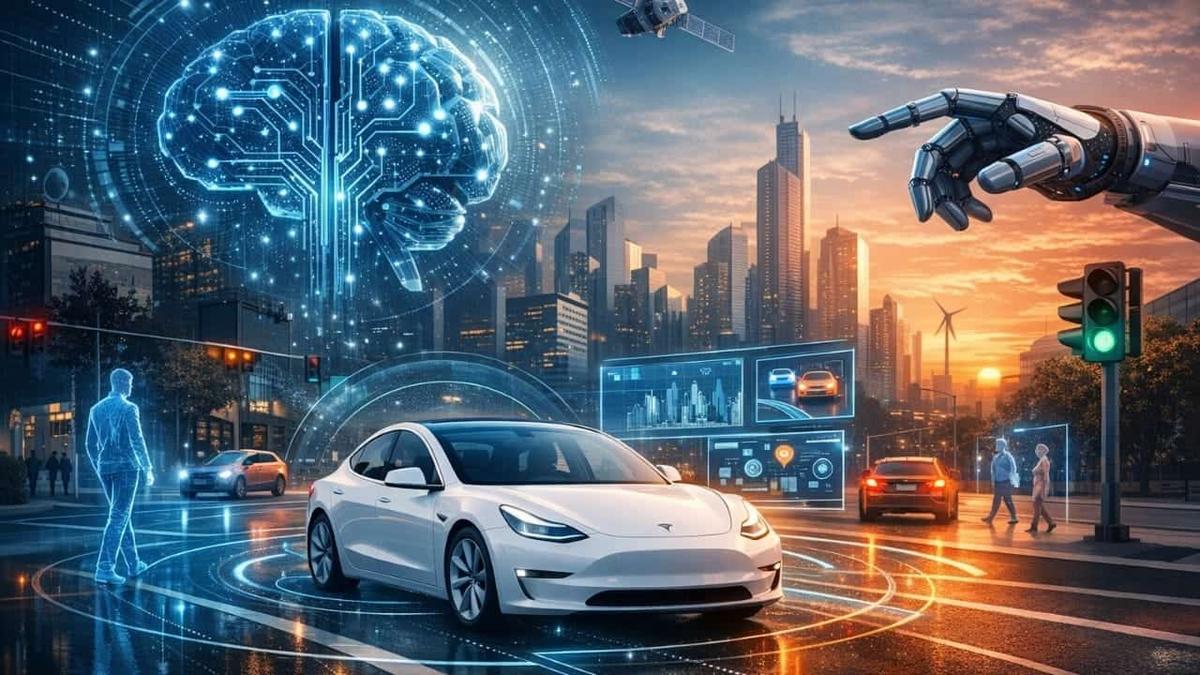
Unlike classic driver assistance systems, the autonomous driving technology developed by Tesla does not merely support the driver; instead, it sets up a decision-making mechanism that hands a significant part of driving control over to artificial intelligence. Thanks to camera-based perception systems, deep learning algorithms and continuously updated data pools, Tesla vehicles can recognize objects in traffic, analyze driving behavior and create the safest movement plan within seconds.
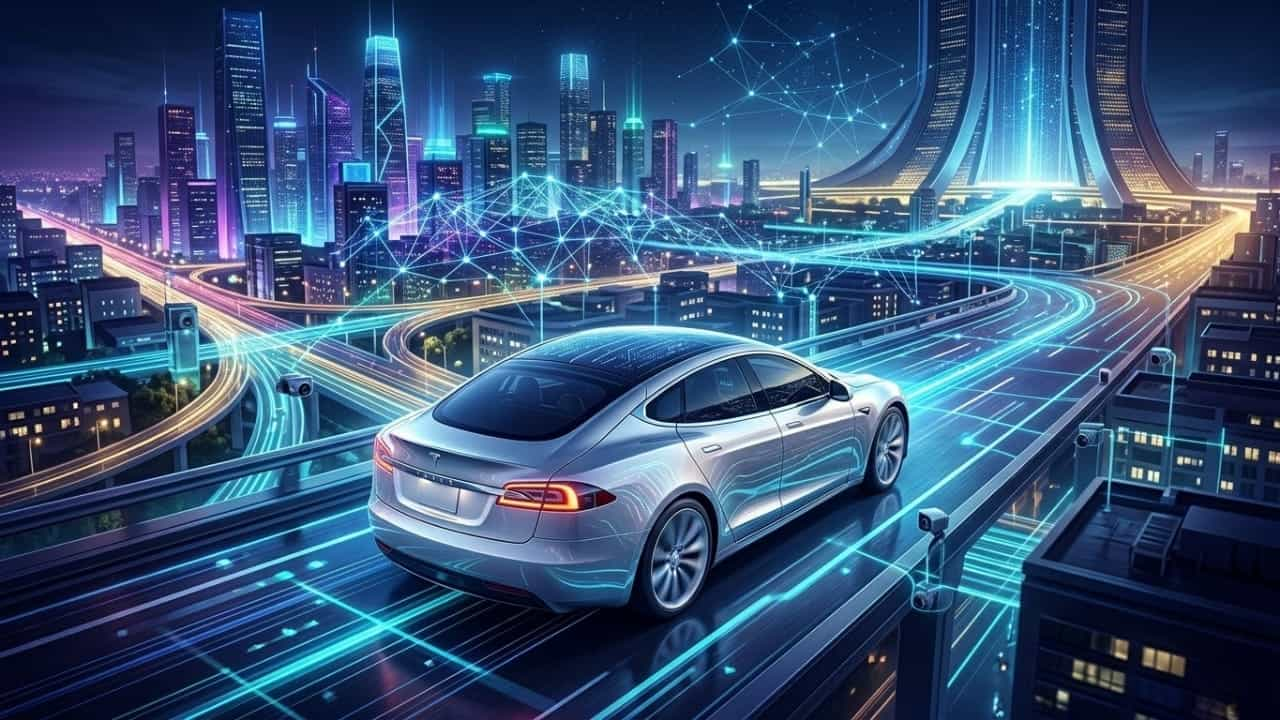
At this point, Tesla's Level 5 autonomous driving goal is seen as a transformation that will reshape not only automotive technology but also transportation culture, traffic safety and urban planning. As autonomous vehicles become widespread, the driving experience will shift from human reflexes to the control of algorithmic decision systems.
What Is the Technical Architecture and Decision Mechanism of Tesla's New Driving Software?
Tesla's autonomous driving technology has a highly complex yet modular software architecture. This system is built on a multi-layered structure that allows the vehicle to perceive its surroundings, analyze them and produce appropriate driving decisions.
Camera and Visual Perception Infrastructure
The numerous cameras on Tesla vehicles create a 360-degree field of view around the car. These cameras continuously analyze other vehicles, pedestrians, traffic lights, lane markings and environmental obstacles.
The image data collected is processed by high-performance processors to build a real-time model of the environment. Thanks to this model, the vehicle can not only see the road ahead but also predict the movement directions and likely behavior of objects around it.
Deep Learning Based Decision Algorithms
Tesla's AI architecture is built on a large-scale learning system based on deep neural networks. Driving data from millions of Tesla vehicles around the world is analyzed in central data systems, allowing the AI to keep improving.
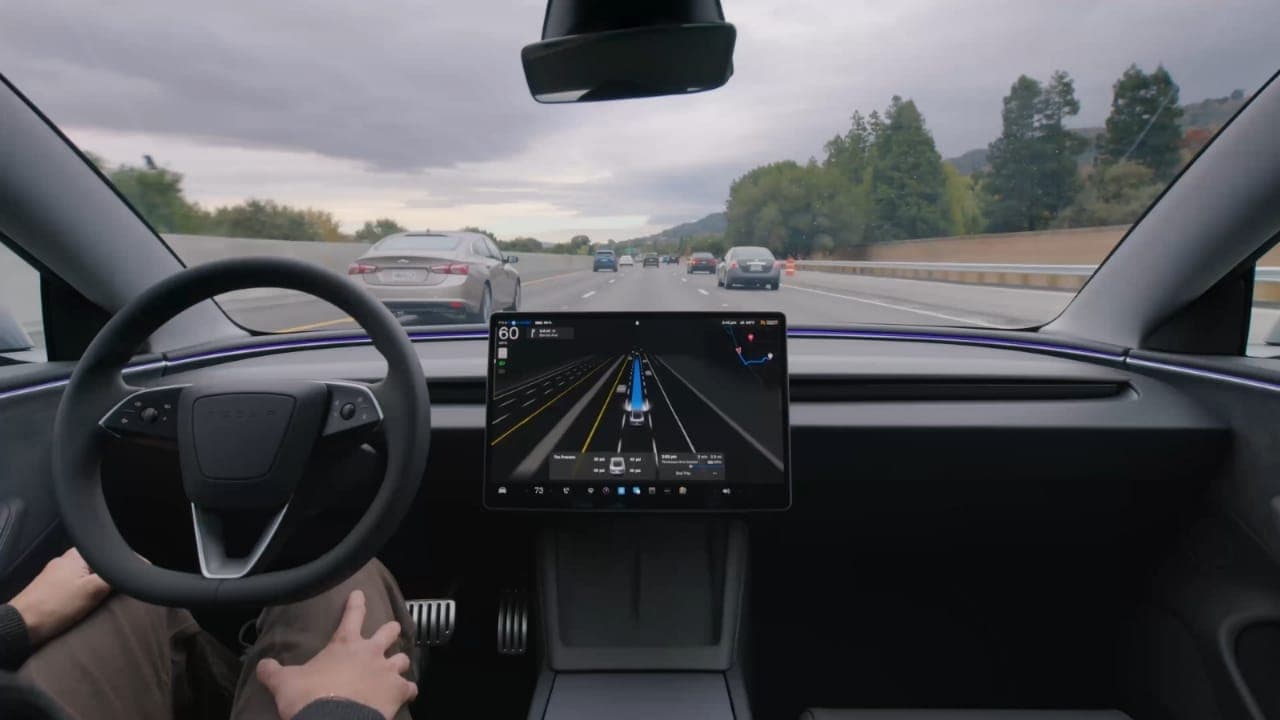
This architecture works in three core stages:
Perception
Sensor and camera data is analyzed to identify objects in the surroundings.Decision Layer
Traffic rules, environmental analysis and risk assessment are carried out to determine the safest driving strategy.Motion Planning
The vehicle plans its physical movements such as acceleration, braking and changing direction in line with this decision.
Thanks to this system, the vehicle does not only evaluate the current situation; it can also anticipate what happens a few seconds later and develop proactive driving strategies.
Safety Protocols and Redundant System Management in AI-Controlled Driving
In autonomous vehicle technology, safety is one of the most critical engineering areas. For this reason, Tesla's autonomous driving system is designed with multi-layered safety mechanisms.
AI Driving Control Safety Protocols
AI driving control safety protocols include algorithmic protection mechanisms that ensure the vehicle's systems continue to operate safely in the event of any fault.
These protocols include:
Real-time system monitoring
Sensor data validation algorithms
Emergency braking systems
Traffic risk analyses
Automatic safe stop procedures
are among them.
The AI system tries to predict accidents in advance by analyzing traffic density, speed changes and potential hazards around the vehicle.
Redundant Hardware and Software Systems
In Tesla vehicles, the processors that make critical driving decisions run in parallel. When one of these systems fails, the other automatically takes over.
This architecture resembles the redundant system management principle used in the aviation sector. As a result, a single system failure during autonomous driving does not cause the vehicle to lose control.
Regulations and Ethical Responsibility Standards for the Transition to Level 5 Autonomous Driving
While technological advances make the rapid spread of autonomous vehicles possible, legal regulations are not keeping pace with this development.
Autonomous Vehicle Regulations in Turkey
Autonomous vehicle regulation in Turkey is still at an early stage. Existing traffic laws define the driver as responsible for the vehicle. However, with Tesla Level 5 autonomous driving systems, where the vehicle is fully managed by artificial intelligence, this approach falls short.
For this reason, new regulations are expected in the future in the following areas:
Legal liability for traffic accidents caused by artificial intelligence
Insurance systems for autonomous vehicles
Data security and the use of driving data
Integration of autonomous vehicles into urban traffic
Ethical Decision Mechanisms
Autonomous vehicles require not only technical but also ethical decision systems. For example, the question of which decision the AI would make in an unavoidable accident is one of the most debated topics in this technology.
For this reason, researchers are trying to develop ethical decision models for autonomous driving algorithms.
Impact of Tesla's AI Software on the 2026 Automotive Sector and Urban Planning
The development of autonomous driving technologies may change not only the automotive sector but also the structure of cities and transportation systems.
Tesla Software Update 2026
The next-generation Tesla software update 2026 is expected to be an update that includes advanced AI algorithms allowing vehicles to analyze more complex traffic scenarios.
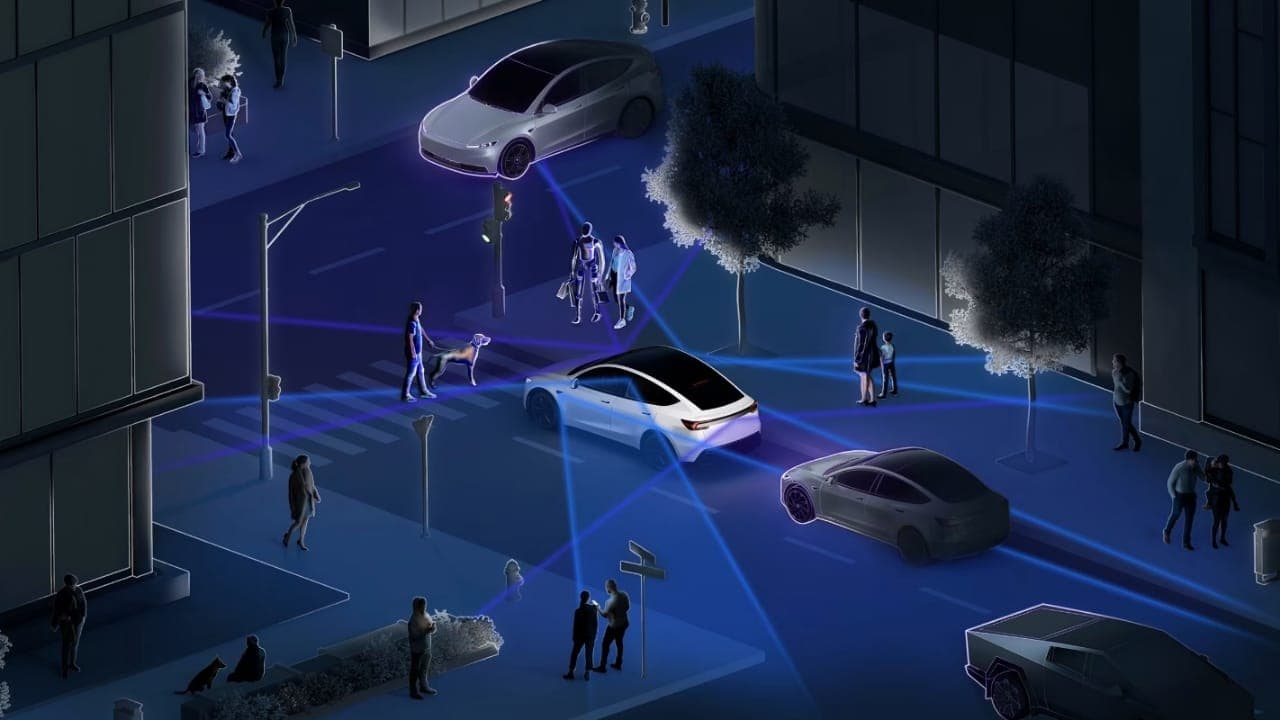
With this update:
Traffic density will be analyzed more accurately
Autonomous parking systems will improve
Communication between vehicles will strengthen
Energy consumption will be optimized
The Role of Autonomous Vehicles in Urban Planning
The spread of autonomous vehicles may also bring fundamental changes to city architecture.
Some of these changes include:
Fewer traffic accidents
More efficient traffic flow
Less need for parking space
Smart transportation systems
This transformation could turn cities into transportation ecosystems managed jointly by humans and artificial intelligence.
User Experience in a Driverless Future: Is a Steering-Free Driving Perception Possible?
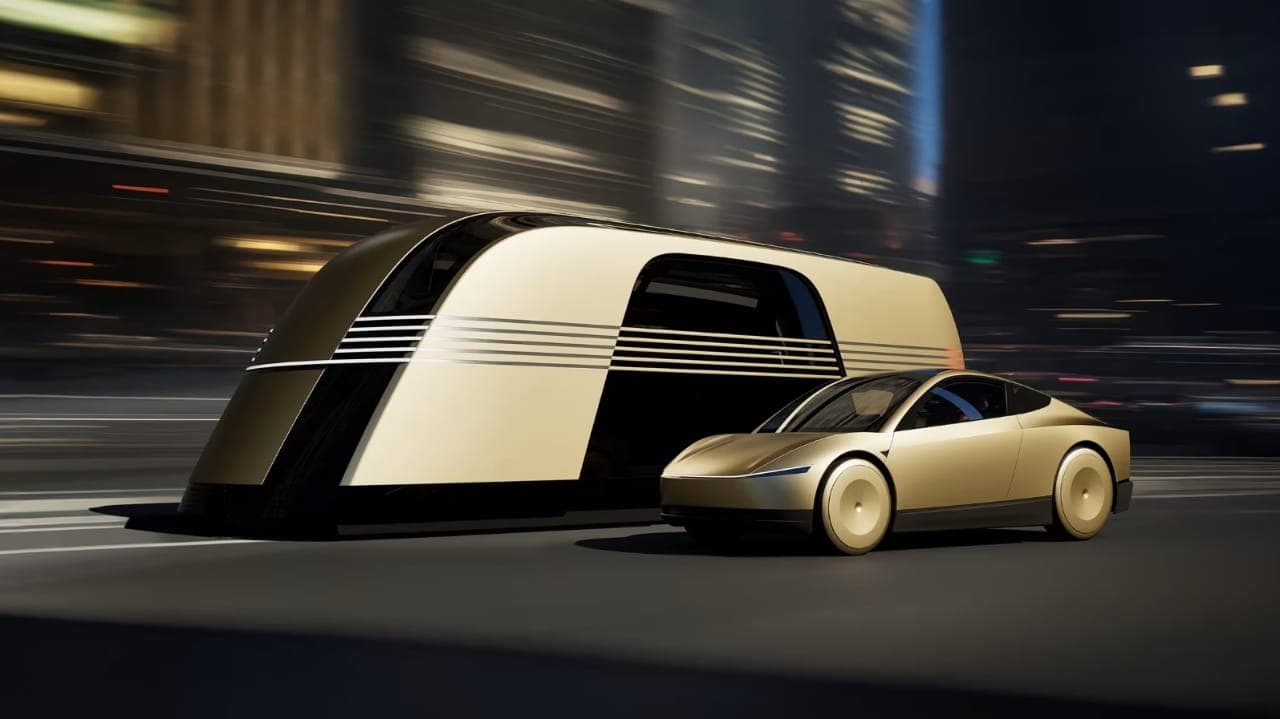
Autonomous vehicle technologies are changing not only the engineering field but also how people perceive transportation. In driverless cars, users no longer have to be at the wheel. This may lead to a complete change in automotive interior design.
Future vehicles may have the following features:
Interiors that can turn into a workspace
Advanced entertainment systems
Rest and social areas
AI-powered personal assistants
The Psychology of a Steering-Free Future
The idea of a car without a steering wheel was long presented as a dream in science fiction. However, autonomous driving technologies are bringing this dream steadily closer to reality.
In this new era, the car is shifting from a vehicle that is driven into an AI platform that carries people. As humans give up control at the wheel, the invisible driver that manages traffic flow will increasingly be algorithms.
Tesla Full Self-Driving AI Software opens the door to a technological era in which not only automotive technology but also transportation culture, urban planning and people's perception of freedom of movement are redefined.
WriterEV mi, Hidrojen mi? 2026'da Fosil Yakıtın Ötesindeki Yarış

İletişim ve Teknoloji Staj İlanları | 6-12 Nisan