



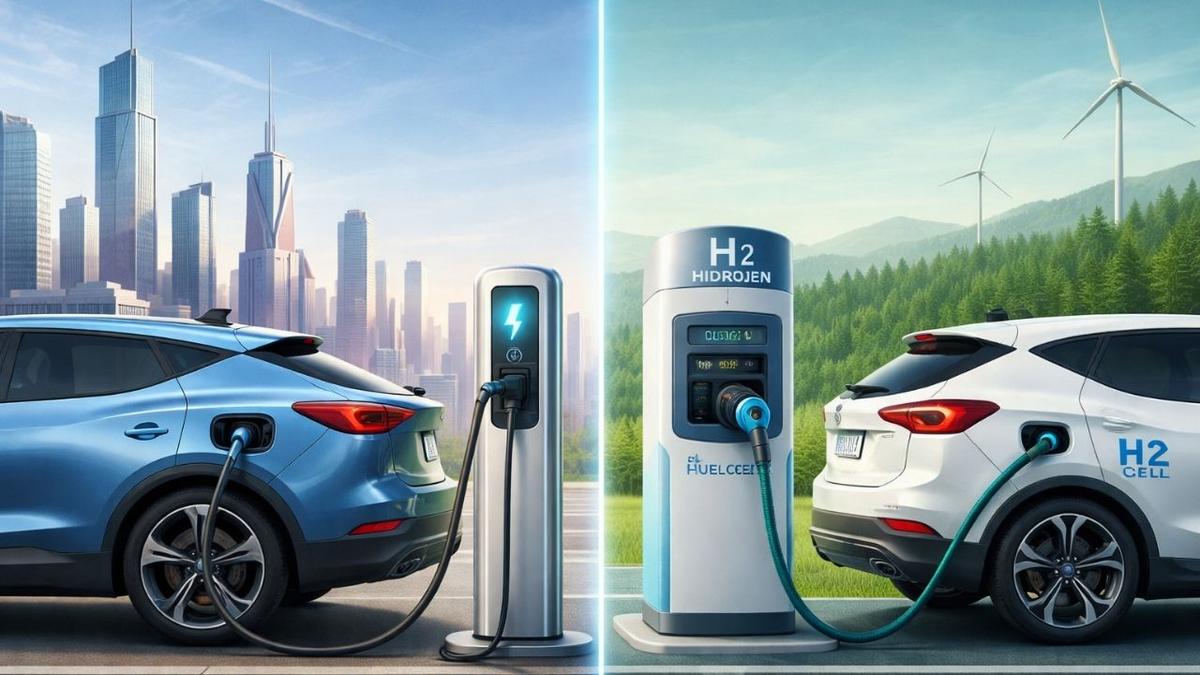
EV, Hydrogen or Fossil Fuel? The Race Beyond Fossil Fuels in 2026
Automatically translated
 Writer
EV vs Hydrogen vs Fossil Fuel 2026 is one of the most important comparisons for users who want to understand the future of the transportation sector. As of 2026, these three main energy approaches are evaluated not only in terms of environmental impact, but also in terms of cost, performance, infrastructure and user experience.
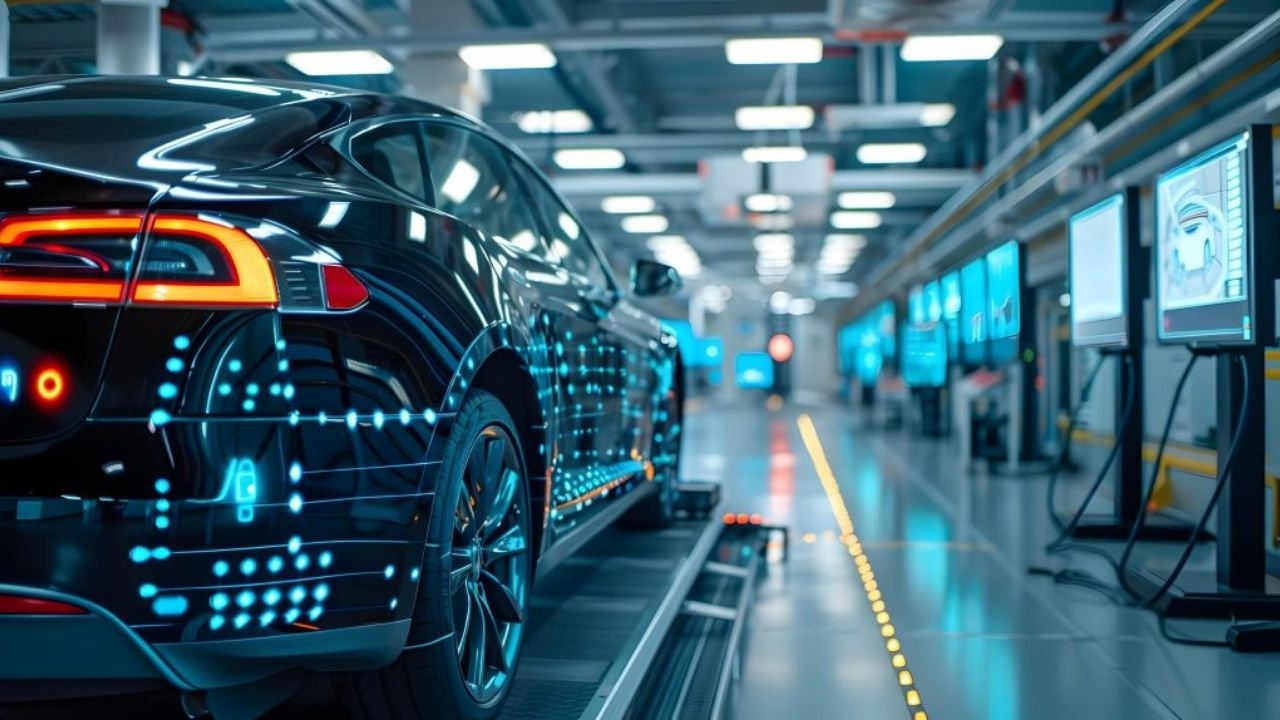
Comparative Analysis of Electric and Fossil Fuel Vehicles in 2026
Energy Efficiency
Energy efficiency is the most critical parameter for sustainable transportation costs. Electric vehicles: 70–90% efficiency, Hydrogen (FCEV): 30–40% total system efficiency, while fossil fuel vehicles stay in the 20–30% range. An EV converts electricity directly into motion energy. Hydrogen (FCEV) follows the steps electricity, hydrogen, electricity, motion. On the other hand, internal combustion engine vehicles first convert fossil fuel into heat and then into motion, and high losses occur during this process.
Performance by Usage Scenario
In city use, EVs are clearly the leader, being quiet, low-cost and efficient. On long journeys, fossil fuels still hold their ground, while FCEVs show promise. For heavy load transport, hydrogen has the advantage.
Electric Vehicle Battery Life Analysis
According to electric vehicle battery life analysis, old concerns have been left behind. As of 2026, with improvements in thermal management systems and minimizing the effect of fast charging, the average capacity loss after 8 years is targeted at 10–20%.
Next-Generation Battery Technologies
Solid-state batteries (solid-state)
Lower fire risk
Second Life Use
Batteries can be used in home energy storage systems and grid balancing, which lowers the real cost.
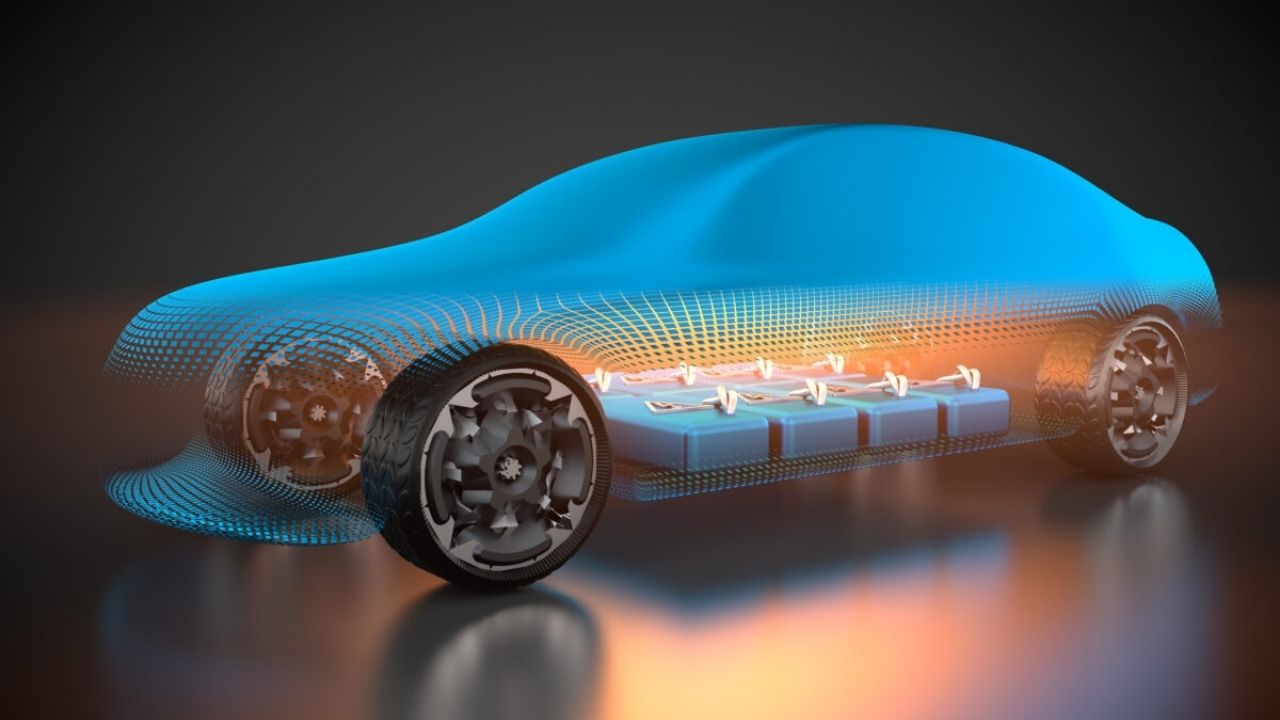
EV vs Hydrogen vs Fossil Fuel 2026: Are Hydrogen Fuel Cell Vehicles (FCEV) a Strategic Threat to Electric Vehicles?
Hydrogen technology, although promoted in the media as the "technology that will finish off EVs," is in reality an alternative mainly in areas such as freight transport.
Structure of the Hydrogen Ecosystem
An FCEV is not just the vehicle:
Hydrogen production (grey, blue, green)
Storage (high pressure)
Transport (logistics cost)
Refueling infrastructure
This chain is more complex than that of EVs.
Today, most hydrogen is produced from natural gas. Production using renewable energy and electrolysis is still an expensive option.
Where FCEVs Are Strong
Truck transport
Long-distance buses
Industrial vehicles
Criterion | EV | FCEV |
Efficiency | High | Medium |
Infrastructure | Developing | Weak |
Refueling | Slow | Very fast |
Cost | Falling | High |
Can E-Fuel Technology Extend the Life of Internal Combustion Engines?
E-fuels are seen, especially in the automotive world, as the final stage of internal combustion engines.
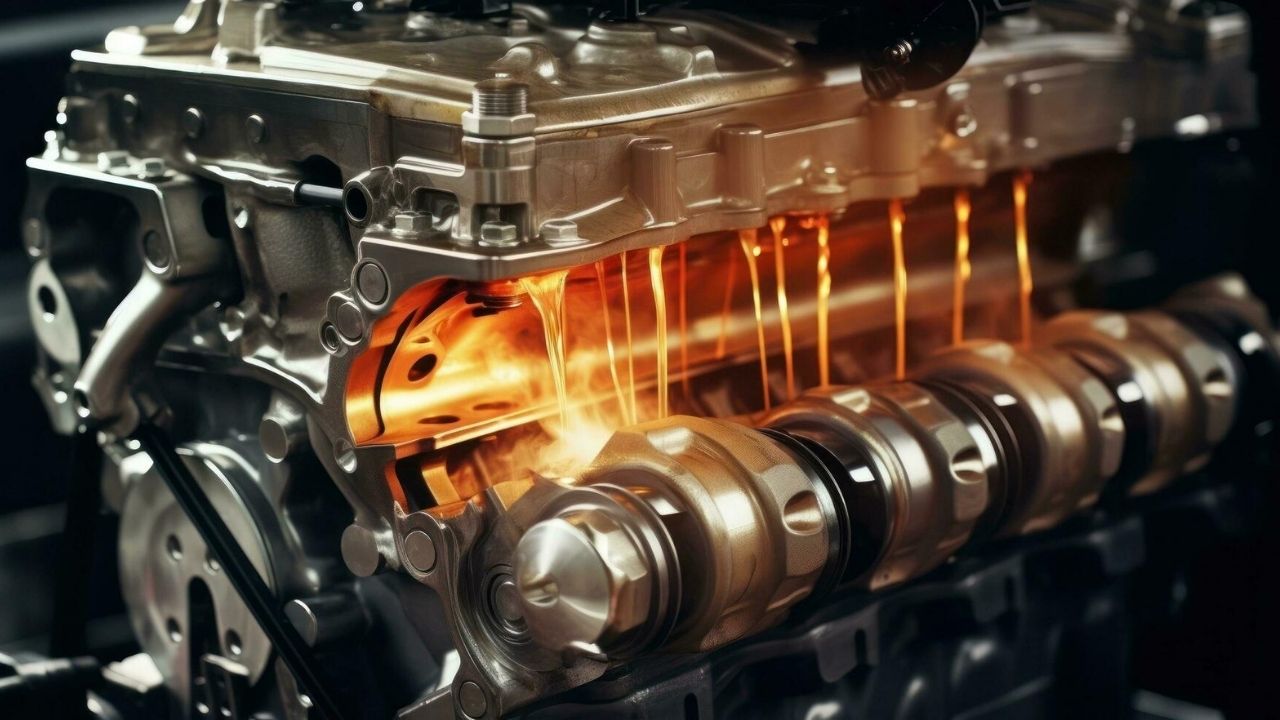
Why E-Fuels Matter
There are more than a billion vehicles in the world, and converting all of them to EVs at once is not a realistic goal. Thanks to e-fuels, existing vehicles and gas stations can continue to be used, and the goal of being carbon neutral can be achieved.
Energy Loss Is the Biggest Problem
E-fuel production goes through a long process: generating electricity, producing hydrogen, capturing carbon, producing fuel, and burning it in the engine. Energy is lost at every step. For this reason, it requires far more energy than EVs.
Looking at 2026, e-fuels are expensive for personal use, but they are critically important in strategic sectors such as aviation and marine transport.
How Is the "Multimodal Energy" Era Taking Shape in the 2026 Transportation Ecosystem?
Multimodal energy does not put a single energy concept in the foreground. Because the usage scenario where each one stands out is different, energy needs vary, and infrastructure transformation takes a long time.
2026 Distribution
Personal use- over 60% EV
Commercial transport- EV and FCEV
Heavy industry and transport- Hydrogen
Aviation- E-fuel
Charging stations are now part of city planning. Energy storage systems are increasing every day, and smart grids are developing further. Oil companies, meanwhile, are turning into electricity providers and investing in hydrogen.

Which Technology Offers Higher ROI for Carbon-Neutral Transport Goals?
ROI (Return on Investment) now matters to everyone, from individual users to governments.
EV ROI Analysis
On the income side there are low energy costs and incentives, while on the expense side the upfront purchase is high. But overall, it can pay for itself within 5–10 years.
FCEV ROI Analysis
Despite high infrastructure costs, it offers large-scale advantages for logistics companies, for example.
Fossil Fuel Vehicle ROI
Although the entry cost in the short term is cheap, carbon taxes and unpredictable fuel price increases in the long term make it a risky investment.
E-Fuel ROI
Although it is low-cost today, it may rise in the future depending on regulations.
Which Technology Is Really Winning in 2026?
EV vs Hydrogen vs Fossil Fuel 2026 is a widely discussed comparison, yet it cannot be said that a single technology is winning. However, it is undeniable that each energy source stands out in a specific area. In cities EVs, in heavy transport hydrogen, in aviation e-fuels, and for short-term use fossil fuels stand out. According to near-future forecasts, battery costs will continue to fall, hydrogen production will become cheaper, and carbon regulations will tighten. Considering sustainable transport costs and environmental goals, in the EV vs Hydrogen vs Fossil Fuel 2026 analysis electric vehicles will remain the most rational choice in the short and medium term. But in the long run, the right energy used in the right place will win.
WriterConventional Commits Kullanımı: 2026 Yazılım Standartları


Tesla Tam Otonom AI Sürüş Yazılımı: Kontrol Yapay Zekada


