Why Hollywood's Top Directors Are Pushing Back Against AI
Automatically translated
 Writer
Every technological threshold in cinema history has created a turning point: the arrival of sound, the arrival of color, the arrival of the digital camera. But AI reaching Hollywood's doorstep is meeting a reaction that is fundamentally different from those earlier turning points. This time, the industry's most prominent figures, directors who built their careers on technological boldness, are standing together and saying "no." Christopher Nolan, Steven Spielberg and Denis Villeneuve, among Hollywood's most influential storytellers, are raising their voices against AI-assisted filmmaking. In doing so, they are turning the debate less into technophobia and more into an inquiry into the ontological essence of cinema, that is, what makes it cinema.
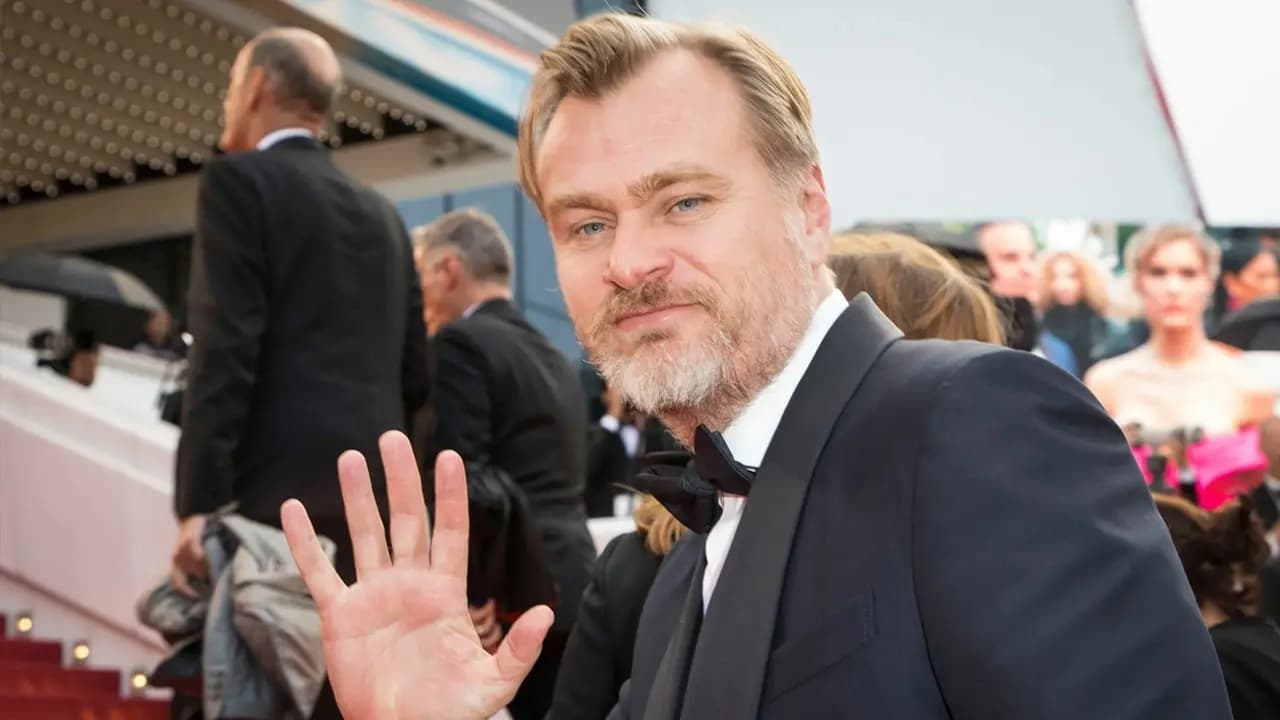
Christopher Nolan: "AI Slop" and the Quiet Rebellion of the Younger Generation
Throughout his career, Nolan has been a director who champions practical effects, real locations and physical craftsmanship over digital shortcuts. This stance also shapes his critique of AI. In an interview with The Telegraph, Nolan said that in his lifetime he has never seen a technology rejected so quickly and en masse. He noted that he has not seen another technology embraced so enthusiastically by investors and tech companies, yet so openly turned away by the public.
According to Nolan's observation, the leaders of this rejection are exactly the younger generation that AI is supposed to target. He says this generation, which itself coined the term "AI slop" (roughly "AI junk"), recognizes and rejects generative AI output almost instantly. He illustrates this with the reaction of his own children. To move this observation beyond the abstract, Nolan points to concrete examples: the surprise success at the box office of low-budget independent horror films such as "Obsession" and "Backrooms," which he presents as evidence of young audiences' hunger for practical effects and human-made storytelling.
Steven Spielberg: The Untouchable Boundary of the Creative Process
Spielberg's position does not come from the level of cultural observation that Nolan's does, but directly from within production practice. Speaking at the 2026 SXSW conference, the director stated clearly that he has not used AI in any of his films to date. Spielberg made this stance concrete by describing how the screenwriting room works. Saying that every seat in the writers' room is occupied and there is no empty chair with a laptop in front of it, he stressed that no algorithm can replace human writers.
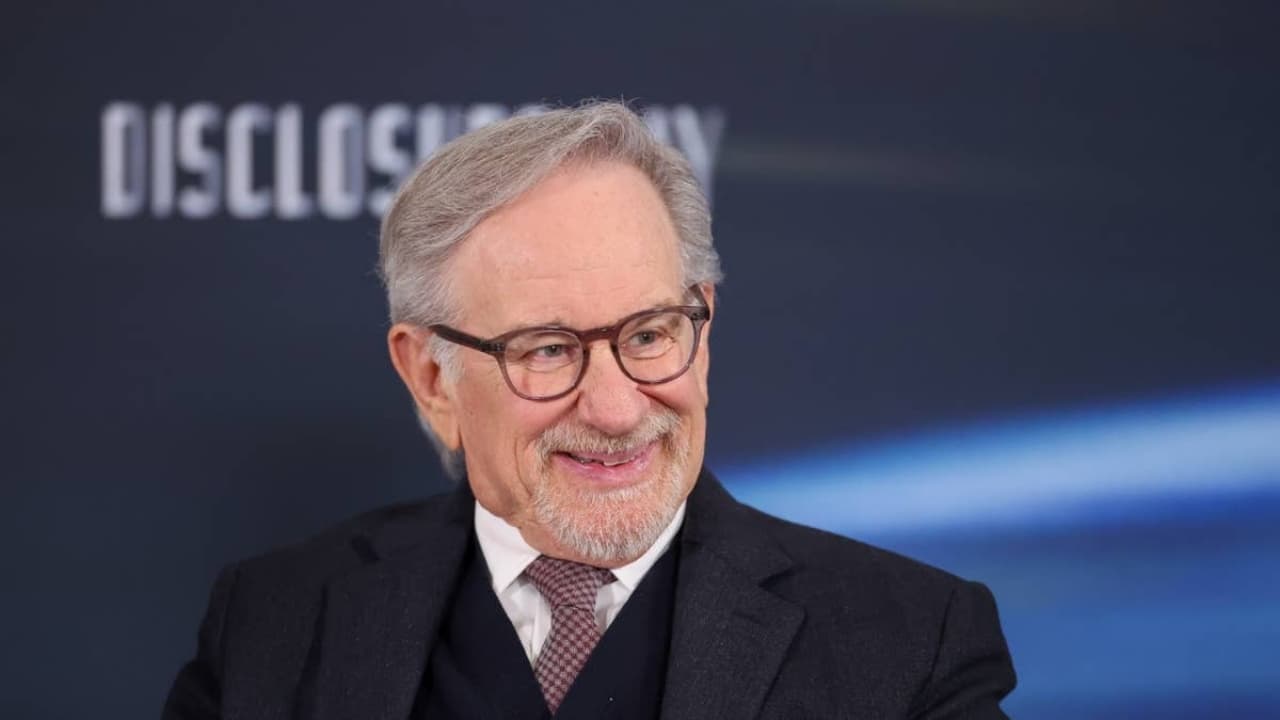
Even so, Spielberg's stance is not a categorical rejection of technology. The director accepts that AI may be valuable in many different disciplines. The line he draws is much more specific: he opposes attempts to replace creative people. This distinction, accepting AI as a tool while keeping the creative author human, has become one of the most frequently repeated arguments in the Hollywood AI debate.
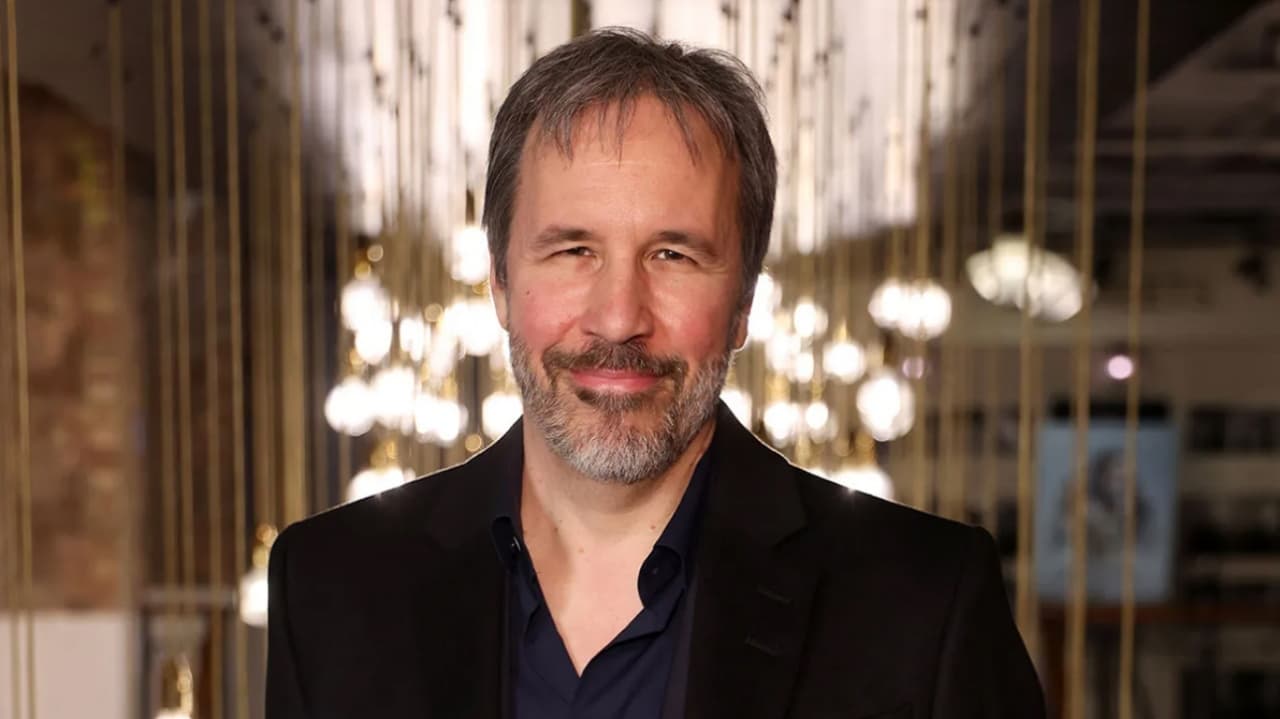
Denis Villeneuve: The Collective Spirit of Cinema
Villeneuve's objection comes from a different place than Nolan's sociological observation or Spielberg's ethical line, from a nearly phenomenological place. In a conversation with director Joe Wright after the screening of "Dune: Part Two," Villeneuve said that what he loves most about cinema is the act of creating together, and that the shared effort of "writing poetry" together on a film set deeply affects him.
The crux of Villeneuve's argument is this: even if one day it becomes possible to make a film with just a computer, which could produce technically interesting results, what he would miss is exactly this moment of human togetherness. In other words, Villeneuve reads AI not as a threat to talent but as a loss of togetherness, which shifts the debate from production quality to the fabric of human experience.
Industry Context: From Strikes to a Common Front
The individual statements of these three directors do not exist in a vacuum; they rise above the rift opened by the 2023 WGA and SAG-AFTRA strikes. At the center of those strikes was the same question: could AI replace the labor of screenwriters and actors? Nolan, Spielberg and Villeneuve's recent remarks translate this industrial concern into an artistic and philosophical language.
2023
The WGA and SAG-AFTRA strikes permanently placed the risk that AI could replace creative labor on Hollywood's agenda.
October 2024
Denis Villeneuve defends the collective creative spirit of cinema at the "Dune: Part Two" premiere.
March 2026
At SXSW, Steven Spielberg states that he has not used AI in his own films and that creative people cannot be replaced.
July 2026
During the promotion of "The Odyssey," Christopher Nolan says that the younger generation collectively rejects AI content, a phenomenon he describes with the concept of "AI slop."
Risk and Opportunity: The Two Faces of the AI Film Dilemma
The criticism shared by these three voices does not mean that AI films should be entirely excluded from the industry. The debate itself rests on a balance of risk and opportunity:
Risks
Creative labor and craftsmanship becoming invisible
Erosion of the collective production culture on set
Uncertainty over copyright and artists' rights
Loss of trust among young audiences due to the perception of "AI slop"
Opportunities
Access to technical support for low-budget productions
Use as a tool in visual effects and background creation
Lower access costs for independent directors
As Nolan also acknowledges, real efficiency in some disciplines
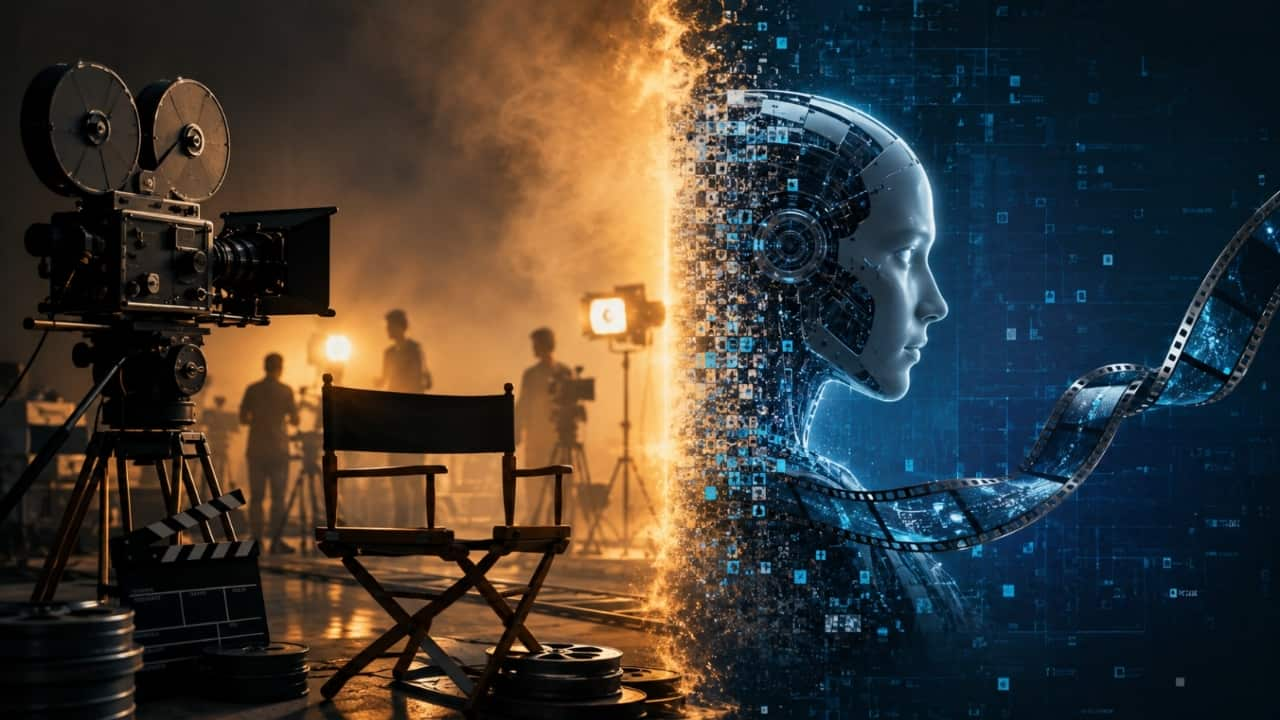
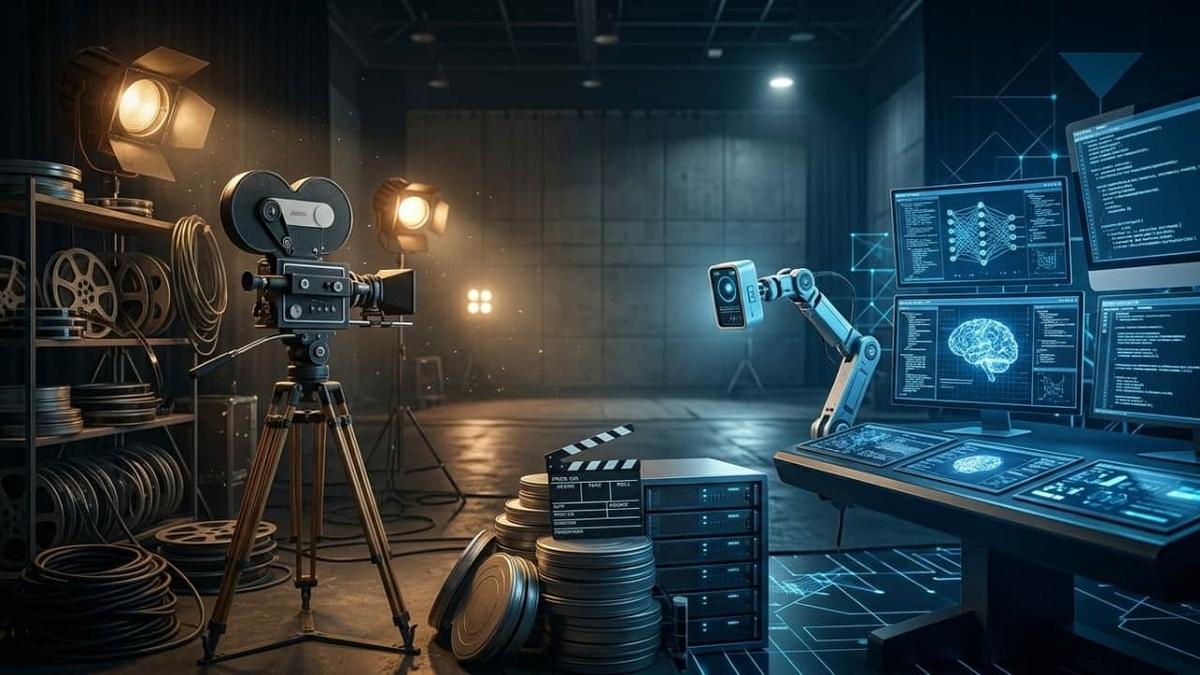
Traditional Cinema and AI-Assisted Production
Reading these three directors' statements side by side, what emerges is not really opposition to technology but resistance to being forgotten. Nolan's observation of a "mass rejection," Spielberg's image of "no empty chairs" and Villeneuve's definition of "collective poetry writing" are three different voices expressing the same concern: the fear that cinema will turn into an object that bears no trace of the human hand. This is not a concern about the technology itself, but about narratives left without a subject, and that is exactly why the Hollywood AI debate is ceasing to be a technical matter and becoming an existential question.
Dimension | Traditional / Practical Production | AI-Assisted Production |
Creative process | Collective, based on human partnership on set | Largely individual, based on algorithmic input |
Craft / labor | Skills and experience built over years | Accelerated, automated output |
Young audience perception | "Authentic," reassuring (according to Nolan) | Risk of "AI slop," quick rejection |
Industry representatives | Directors such as Nolan, Spielberg and Villeneuve | Some studios and technology companies |
Core argument | Human experience and collective creation | Cost efficiency and speed |
Where Is Hollywood's Artistic Future Heading?
Faced with evolving technology, Hollywood has two main paths ahead:
Content Desertification: Intensive use of AI tools for cost-cutting, template-based productions may lead to a film inflation of look-alike, soulless and formula-based movies.
Rise of Auteur Cinema: As audiences tire of algorithm-generated content, the added value of works carrying 100% human labor and a distinctive vision, represented by directors such as Nolan, Spielberg and Villeneuve, will grow exponentially.
Hollywood's AI debates are not simply a matter of technology adoption; they are the existential answer to the question of whether cinema will remain an industrial mass-production tool or become a free field of human expression.
The fact that Hollywood's most respected names are forming a common language against AI does not mean the industry is shutting the door on technology. On the contrary, it shows that a negotiation has begun over which tools will be used and within what limits. The younger generation reaction that Nolan observes, Spielberg's ethical line and Villeneuve's defense of collective creation all ask the same question from different angles: how can cinema transform without ceasing to be human? The answer to this question will be decisive for both art and the industry in the years ahead.
WriterAmazon Yapay Zeka Sistemine Çalışanlar Neden Güvenmiyor?

Yapay Zeka ile Film Yapımı Tartışılıyor: Asphalt Guerrilla