Why Is the Director of Pan's Labyrinth Against AI?
Automatically translated
 Writer
Generative AI technologies have also begun to deeply affect creative industries. From models that generate text to systems that create images, from voice cloning technology to digital character design, many innovations are reshaping the production processes of the film sector. However, this transformation is not welcomed equally by everyone. Especially directors, screenwriters, and artists working in fields where creative labor is central do not view the impact of AI on production processes as merely a technical development. At the center of the debate are much broader issues such as originality, copyright, the nature of art, and professional sustainability.
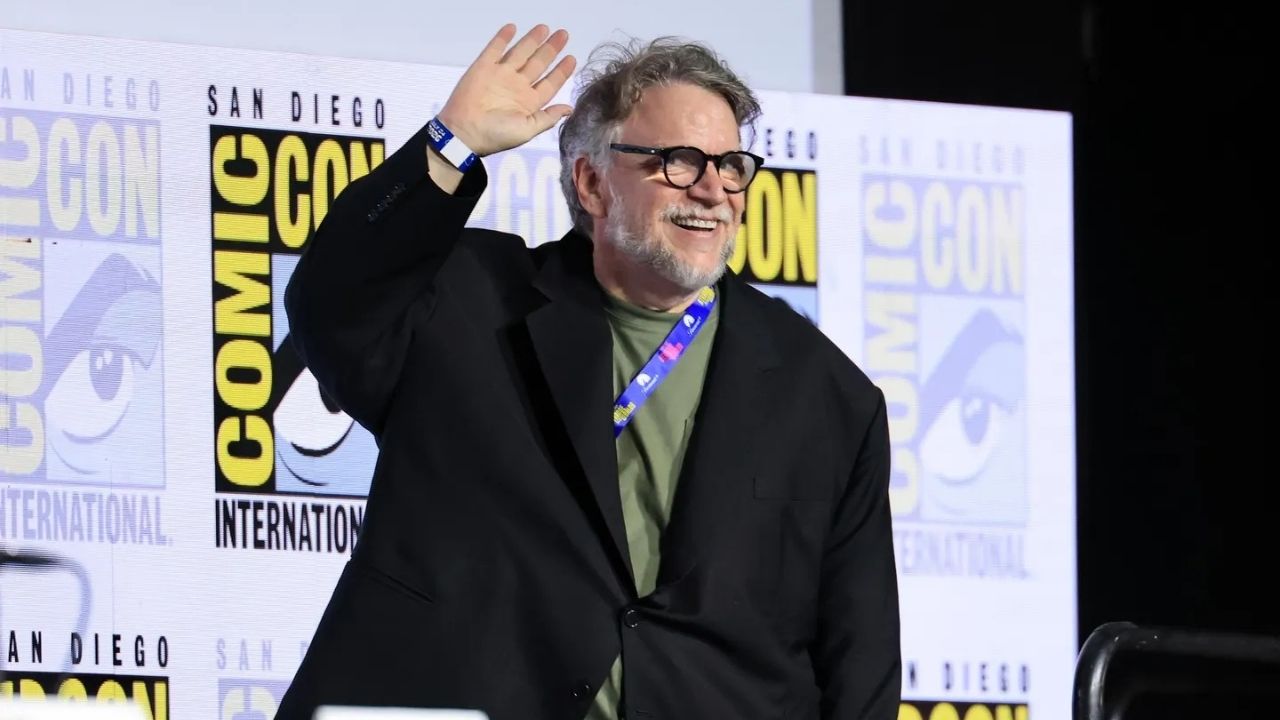
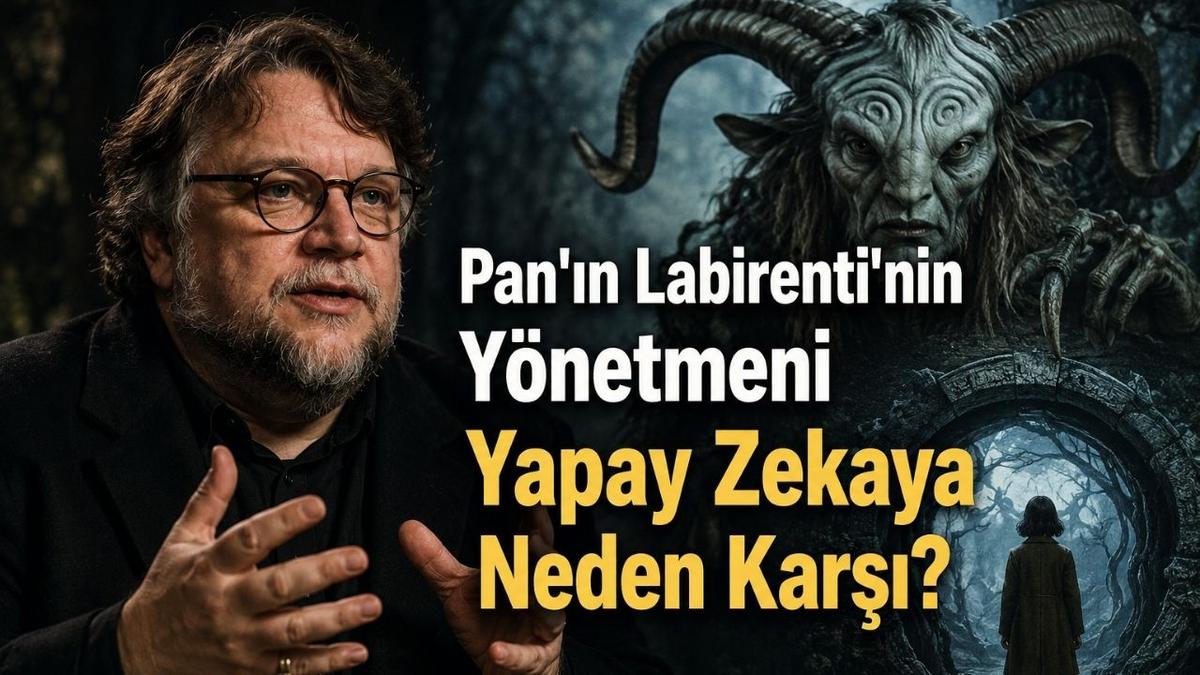
At this point, Oscar-winning director Guillermo del Toro argues that he has not been opposed for years to cinema benefiting from technological developments, but that creative decisions and artistic production should be shaped by human experience. Del Toro's recent statements once again confirm this approach.
Why Did the 3D Re-release of Pan's Labyrinth Become a Topic of Discussion?
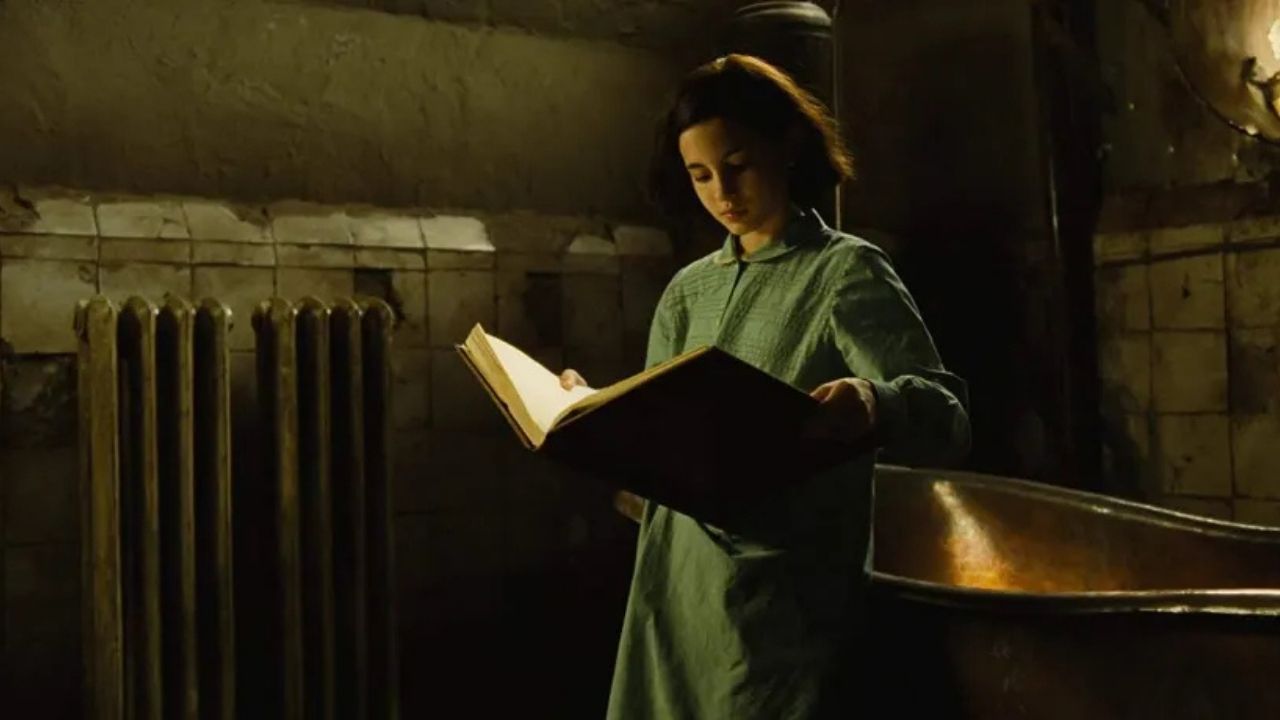
Released in 2006, Pan's Labyrinth is considered one of the strongest examples of fantasy cinema. The film won Academy Awards for Best Cinematography, Best Art Direction, and Best Makeup, and it also significantly increased Guillermo del Toro's international recognition.
Roughly twenty years later, the preparation of a special 3D version of the film attracted great interest in the film world. However, the main point of attention was less the technical innovation than the fact that no generative AI was used in this transformation process.
Speaking at San Diego Comic-Con, Del Toro stated that the entire restoration work was carried out by expert teams. According to the director, this choice is not merely a nostalgic approach; it is a sign of adhering to the fundamental principles of artistic production.
Why Is Guillermo del Toro Opposed to AI?
When Del Toro's statements are examined, three main reasons stand out.
Art Is a Product of Human Experience
According to Guillermo del Toro, art is not only the result that emerges. Its real value lies in the production process, in the artist's experience, in the ability to make mistakes, and in the original perspective they develop.
An AI model can analyze millions of images to create new content. However, according to the director, no algorithm can imitate personal life experience, trauma, cultural accumulation, or emotional intuition.
For this reason, Del Toro believes that generative AI, even if it can produce technically impressive results, is not "creative" in a real sense.
Why Is the Human Touch Irreplaceable?
Technical quality alone does not determine a film's success. Elements that affect the audience include the credibility of characters, the emotional power of the story, the director's perspective, the performances of actors, and the visual language of the narrative.
These elements, in turn, emerge from creative experiences developed over the years.
AI Can Learn but Cannot Experience
This is one of the important points Guillermo del Toro emphasizes. AI analyzes, classifies, produces predictions, and generates new outputs from similar examples. However, it does not experience fear, lose anything, form childhood memories, hope, or feel regret. Cinema, on the other hand, is built precisely on these human emotions.
According to Del Toro, what makes directing valuable is not only technical knowledge but the transformation of life experience into a work of art.
How Will Future Artists Be Trained?
This is one of the most important issues the director draws attention to. AI debates are often evaluated in terms of the risk of current workers losing their jobs.
However, Del Toro points to a different issue. In his view, the real question is how new artists will be trained in the future. Today's successful art directors, visual effects specialists, or character designers gained experience by working on various projects over many years.
If most of the production becomes automated, new illustrators, concept artists, makeup designers, storyboard artists, and modeling specialists may not find room to develop themselves. This may affect not only today but also the creative production capacity of future generations.
How Is AI Used in the Film Industry?
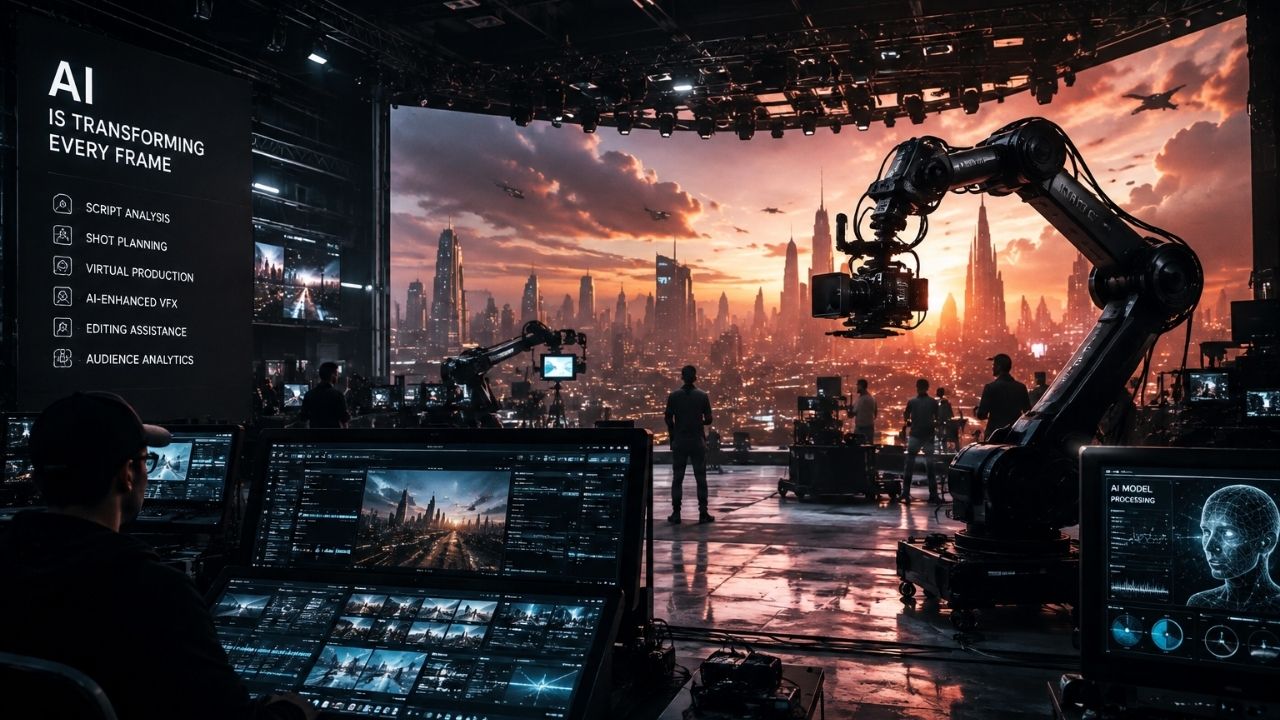
Today, the technologies used in cinema with AI cover quite a wide range.
Some of them are:
- Preparing screenplay drafts
- Generating dialogue suggestions
- Producing concept drawings
- Preparing storyboards
- Digital character design
- Voice cloning
- Dubbing
- Image enhancement
- Color grading
- Visual effects production
- Simulation of camera plans
- Previsualization
These tools can offer time and cost advantages, especially for independent producers. However, as the technology develops, ethical debates are also growing.
Is AI Filmmaking Really a Revolution?
Many technology companies, AI filmmaking tools will fundamentally change the film industry. Indeed, thanks to generative AI, some processes that used to take weeks can now be completed within hours.
For example, in processes such as concept art production, first storyboard drafts, audio cleaning, background creation, and preparing visual variations, significant time can be saved.
However, these developments do not mean that AI has moved to the center of the creative process. On the contrary, many directors argue that these technologies should be considered only as auxiliary tools. Guillermo del Toro is among the names who share this view.
Why Are AI Debates Growing in Hollywood?
The rapid development of AI technologies has confronted not only independent producers but also the world's largest film studios with new decisions. The potential to speed up production processes and reduce costs in big-budget productions has drawn more attention to AI-supported tools, while this has also brought significant concerns among creative professional groups.
In recent years, at the center of the debates in Hollywood is the question of within what limits artificial intelligence should be used in creative processes. These technologies, which can be used in many areas from screenwriting to character design, from digital effects to sound production, are reshaping how the film industry works.

Guillermo del Toro, however, argues that this transformation should not be evaluated only from a technical standpoint. According to the director, since cinema is an art form that narrates human experience, humans should always be at the center of creative decisions.
AI Provides Efficiency but Also Brings Debates
One of the greatest advantages of generative AI tools is their ability to significantly accelerate time-consuming production processes.
Today, many studios can benefit from AI-supported systems in the following areas:
- Preparing initial concept drawings
- Visualizing set designs
- Previsualization work for camera angles
- Audio cleaning and enhancement
- Creating digital backgrounds
- Pre-editing planning processes
- Preparing visual variations
These applications offer significant advantages, especially for independent producers and low-budget projects. The ability to generate alternative ideas in a shorter time can allow production teams to devote more time to creative processes. However, alongside these conveniences, new problems such as copyright and ethical responsibilities also arise.
What Is the Biggest Debate?
One of the most frequently raised questions in the film industry is this:
Is AI really generating new content, or is it merely recombining what it has learned from previously created works?
This question is not only a technological matter; it also forms the basis of a legal and ethical debate. In particular, the use of artists' works as training data without permission is on the agenda of lawyers and industry representatives in many countries.
Why Does Guillermo del Toro's Approach Stand Out?
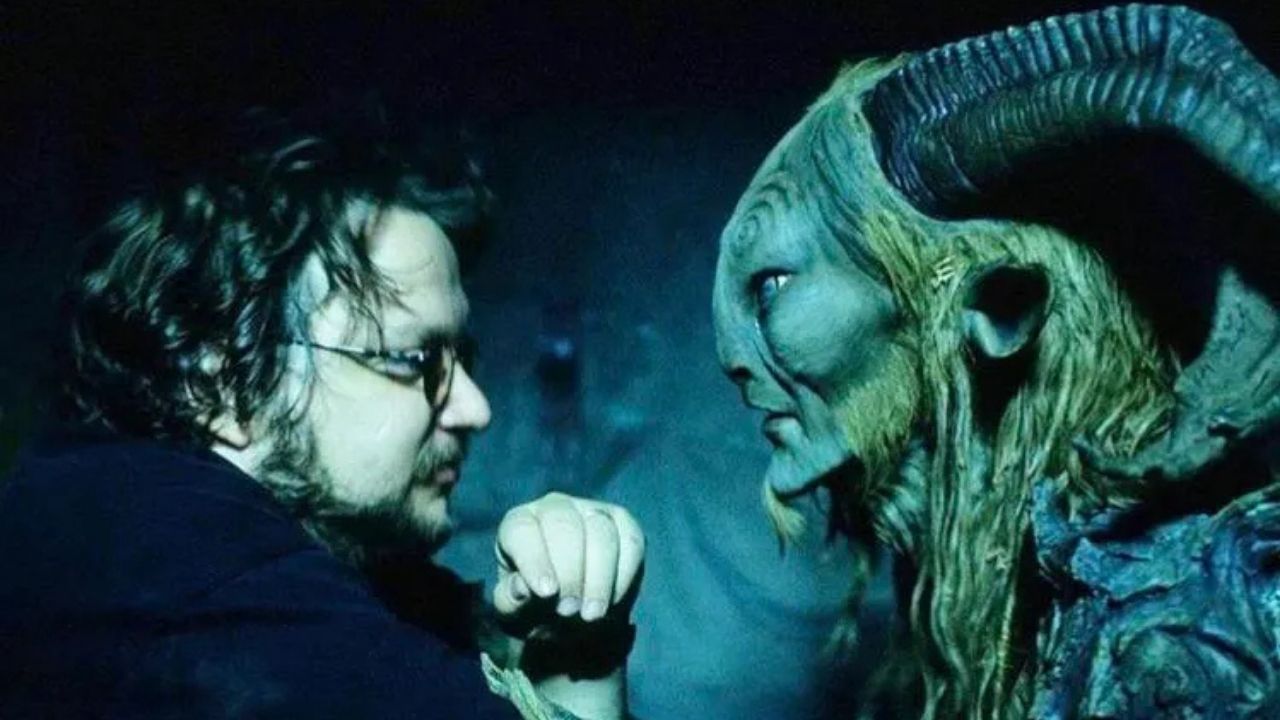
What makes Guillermo del Toro's views distinctive is that he does not reject technology entirely. The successful director accepts that digital technologies have played an important role in film production for many years. Computer-generated visual effects, digital editing systems, and modern production tools have now become inseparable parts of the film industry.
Del Toro's objection, however, is to creative decisions being guided by algorithms. In his view, technology should not replace the artist, should not manage the production process, should not determine aesthetic choices, and should not be the main element shaping the story. Technology should be regarded as a tool that makes creative teams' work easier.
Cinema Is a Collective Production
The emergence of a film cannot be explained solely by the success of its director.
Behind a successful production lies the joint labor of many specialists, such as screenwriters, cinematographers, art directors, costume designers, makeup teams, set decorators, sound engineers, visual effects specialists, actors, and editors. Guillermo del Toro states that AI debates concern not only directors but all of these professional groups.
Risks for the Future of Professions
With the spread of AI, it seems possible that some production processes will become automated.
However, there are views that in the long run this could negatively affect the training of new artists, gaining experience in the industry, the continuation of craftsmanship culture, and the diversity of creative teams. Del Toro's statements focus precisely on this point.
Basic Differences Between Human Creativity and Artificial Intelligence
AI systems can form patterns by being trained on millions of data points.
Humans, on the other hand, learn from the events they live through, develop emotions, gain cultural experiences, and form personal perspectives. The element that makes cinema powerful is precisely this individual form of expression.
A director's childhood memories, life experiences, fears, or hopes can be directly reflected in the atmosphere of the film they shoot.
For this reason, many film critics argue that even if AI produces technically successful results, it cannot develop an original artistic perspective.
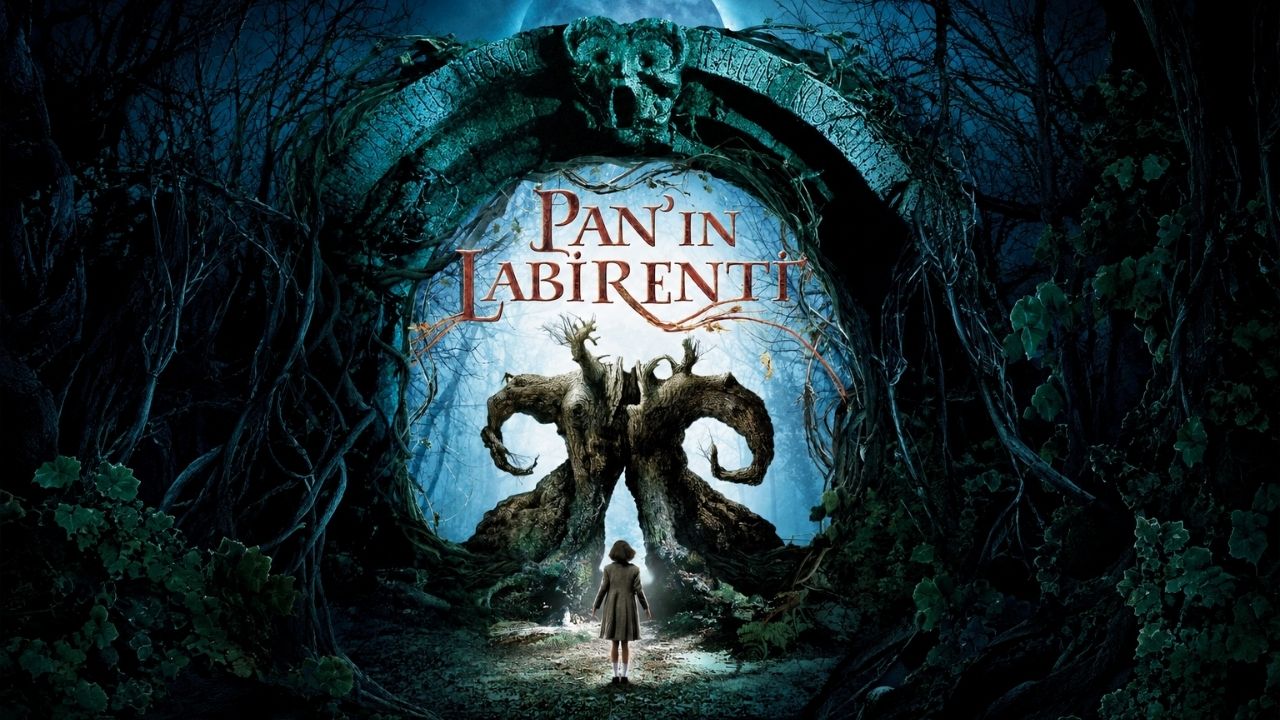
Pan's Labyrinth Is One of the Strongest Examples of This Approach
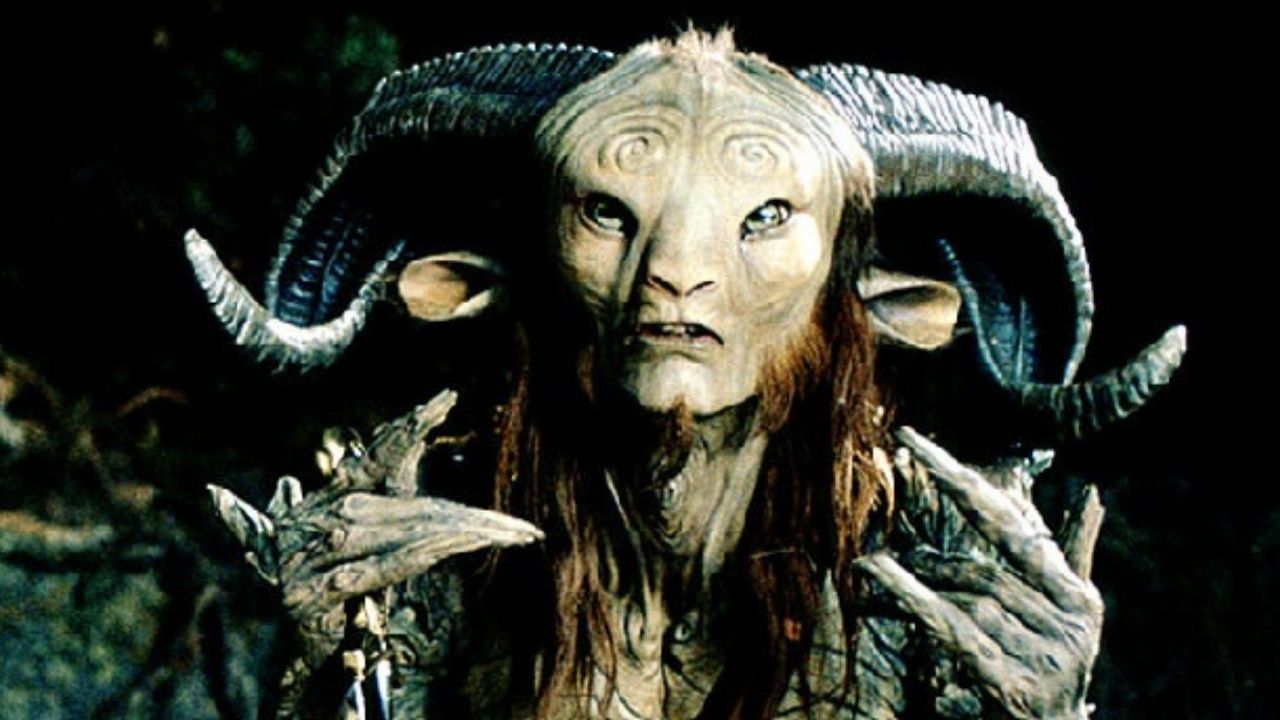
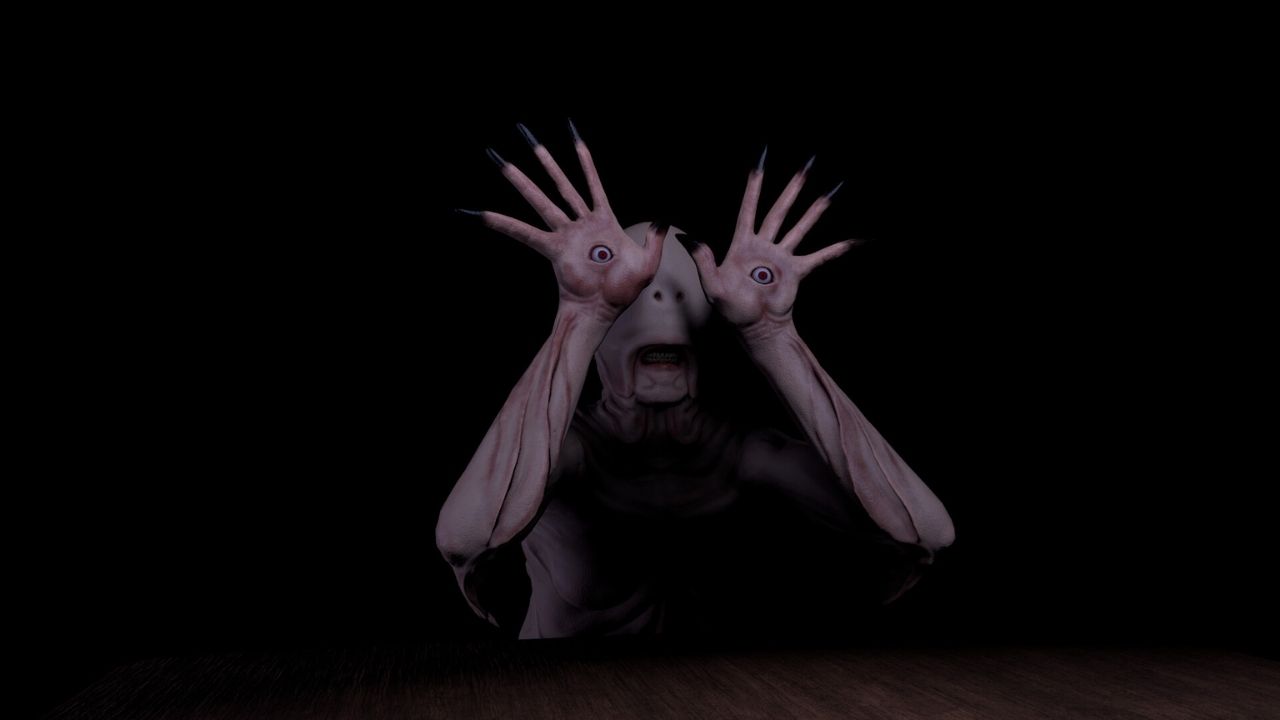
Pan's Labyrinth is regarded as one of the most important works in film history, not only for its fantastical creatures but also for the emotional depth of its story.
The film explores universal themes such as the effect of war on children, innocence, fear, sacrifice, authority, and hope. This form of expression is considered an important reflection of Guillermo del Toro's personal cinematic approach.
The director's criticisms of AI are not independent of this perspective either. In his view, what makes artworks valuable is not technical perfection but the emotional impact they leave on the audience.
How Can AI Position Itself in the Future of Cinema?
Considering today's developments, AI is not expected to remain completely outside the film industry. On the contrary, it is projected to be used more widely in the coming years in the following areas:
- Production planning
- Pre-editing analysis
- Audio enhancement
- Digital restoration processes
- Improving visual quality
- Subtitling and translation systems
- Archive management
- Automation of technical workflows
Nevertheless, views that human contribution will continue to be decisive in fundamental artistic areas such as creative vision, storytelling, character development, and directing remain strong.
Guillermo del Toro's statements also emphasize this balance: technology can be a powerful tool supporting cinema, but at the heart of art, human imagination, experience, and storytelling skill should continue to hold their place.
Are AI and the Future of Cinema Rivals or Complementary?
The development of technology has transformed the film industry in every period. From silent films to sound cinema, from analog cameras to digital shooting, from physical editing to computer-assisted editing systems, many innovations initially sparked controversy. Today, similar debates center on generative AI.
However, the current picture shows that the issue is far more complex than the "AI or human?" dilemma . Many industry experts believe that if AI is used within the right boundaries, it can make creative teams' work easier. In particular, automating time-consuming technical processes can help artists devote more time to making creative decisions.
Guillermo del Toro's approach gains importance precisely at this point. The director objects not to the existence of technology, but to its settling at the center of the creative process.
There are many areas where AI-supported tools can contribute to the film industry today. For example, processes such as image enhancement, digital restoration of old films, subtitle generation, audio cleaning, color correction, production planning, and shoot organization can now be completed in less time thanks to AI. This can offer significant cost advantages, especially for independent production companies.
AI can also be used as an auxiliary tool for creative teams in areas such as idea development, creating visual references, preparing alternative design suggestions, and producing storyboard drafts. However, the view that the final decision should always be made by the director, art director, or screenwriter is widely accepted in the industry.
Why Does Guillermo del Toro's Message Matter?
Del Toro's statements are not limited to his own films. In fact, the director has become part of a broader debate about the future of creative industries.
The core message he offers can be summarized as follows:
Technology can evolve. Tools can change. But human imagination, experience, and emotions should remain at the foundation of art.
This approach remains valid not only for cinema but also for many other creative fields such as literature, music, painting, animation, game development, and digital design.
AI technologies are becoming important tools that speed up production processes and offer new possibilities in the film industry. From visual effects to restoration work, from sound editing to pre-production planning, the impact of these technologies is growing steadily. At the same time, the view that creative production cannot be judged solely by technical efficiency is gaining strength.
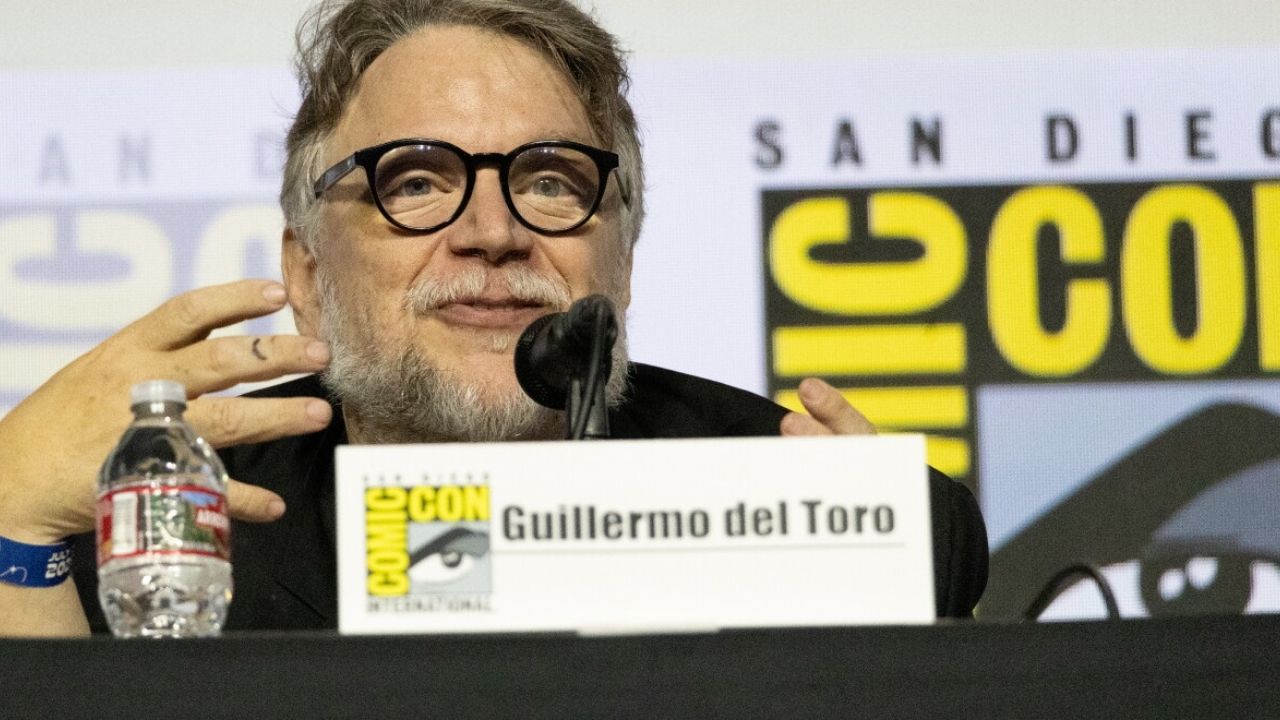
The fact that Guillermo del Toro especially emphasizes that no AI was used in the 3D re-release of Pan's Labyrinth carries an important message reminding us that cinema is shaped not only by technological innovations but also by human labor.
Although it is predicted that AI will be used more widely in the film industry in the coming years, the view that the most important element for producing original stories, strong characters, and lasting films will continue to be human creativity is still shared by a significant part of the sector.
Frequently Asked Questions (FAQ)
Why is Guillermo del Toro opposed to the use of AI?
Guillermo del Toro argues that art is not merely technical production; it is shaped by human experience, emotions, and creativity. Therefore, he takes a cautious stance toward generative AI settling at the center of creative processes.
Was AI used in the 3D version of Pan's Labyrinth?
No. According to the director's statement, generative AI technologies were not used in the 3D re-release prepared for the film's 20th anniversary or in the restoration work.
In which areas is AI used in the film industry?
AI can be used in many technical processes such as storyboard preparation, concept design, audio editing, visual effects, digital restoration, subtitle creation, and production planning.
Could AI filmmaking replace directors in the future?
Although current technologies can support production processes, human contribution is expected to remain decisive in original storytelling, artistic vision, and creative decision-making.
Is AI completely harming the film industry?
No. AI can provide significant conveniences in many technical processes. Debates focus mainly on the limits within which this technology should be used in creative production.
Why did Guillermo del Toro's statements cause such a stir?
Del Toro is regarded as one of the most respected directors in the international film world. Particularly because of his success in fantasy cinema, his assessments of AI are closely followed by the industry.
WriterYapay Zeka Mühendisliği Olan Üniversiteler 2026

Yapay Zeka Epilepsi Tanısında Yeni Bir Umut