Sheep in the Box: New AI Film Explained
Automatically translated
 Writer
The speed at which AI is entering our lives is also finding its way into cinema. Sheep in the Box, which premiered in the main competition at the Cannes Film Festival, has sparked serious debate in both film and tech circles with a structure that does not rely on pure visual effects spectacle or cyberpunk fantasy.
Given the pace of digital transformation the film industry is undergoing through the best AI tools for VFX, the film's choice to use this technology to focus on the inner world of its characters rather than huge explosions makes a clear difference. Leaving aside Hollywood-style apocalyptic scenarios and action formulas, this Japanese science fiction film focuses directly on what technology means for human psychology: how we grieve, how reliable memory is, and digital loneliness.
A Story Born from a Real Idea: What Is Sheep in the Box About?
The film is set in Japan in the near future and tells the story of a couple who have lost their young children. Director Hirokazu Kore-eda says that while writing the script, he was inspired by a news report about companies in China that use AI to "digitally recreate" people who have died. Similarly, in Japan, the AI-processed voice of a pop artist who had passed away being used in new songs gave Kore-eda the basis for this idea: Why do people want to keep the people they have lost alive digitally, and why does this leave an uneasy feeling in us?
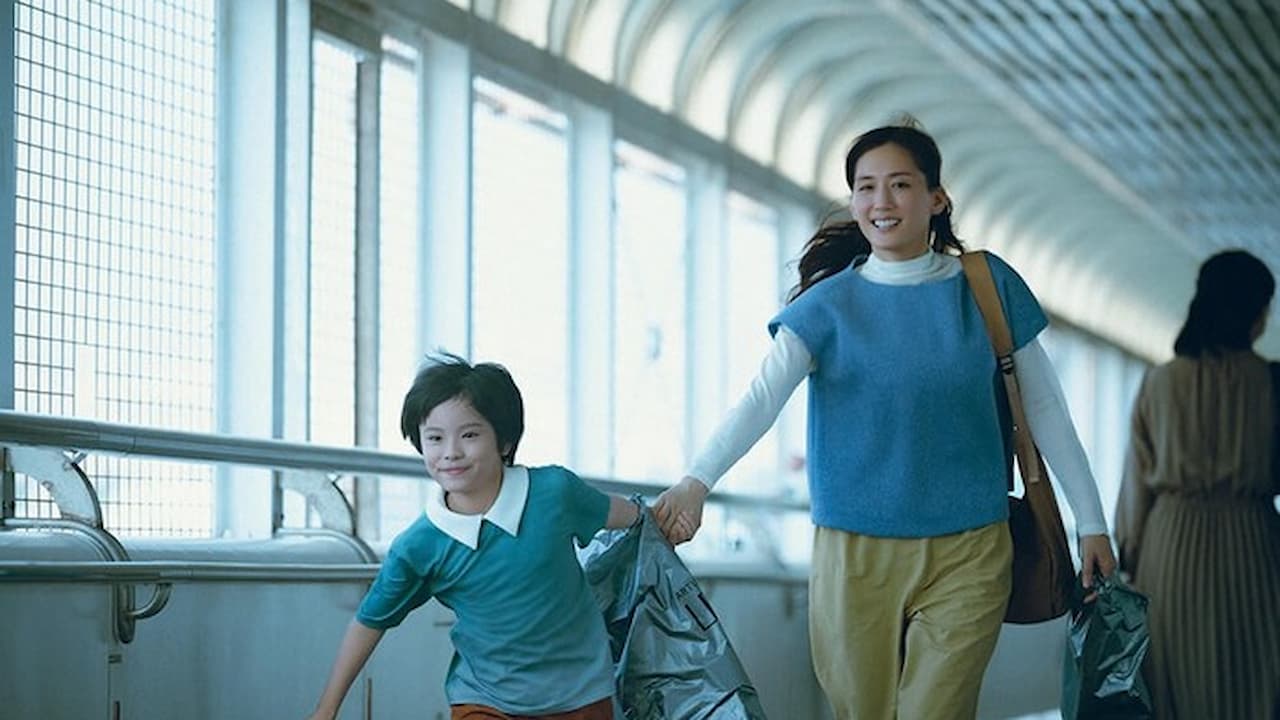
In the story, the grieving family decides to adopt a humanoid robot that has the appearance, memories and voice of their dead son. However, the production does not get stuck in the classic plots where robots slip out of control and take over the world. Instead, it focuses on a more human and unsettling question, set within the four walls of a house: Can a piece of software that imitates a person's voice, gestures, pauses and way of speaking truly take the place of someone we have lost?
As the family's daily interaction with the robot grows, it becomes clear whether technology is a remedy for loneliness or a synthetic refuge that completely cuts a person off from the real world. The struggle of acceptance faced by the mother and father, who embrace an algorithmic copy of their child instead of mourning him, confronts the audience with the emotional cost of technological progress.
Hirokazu Kore-eda's Touch and Critics' Views
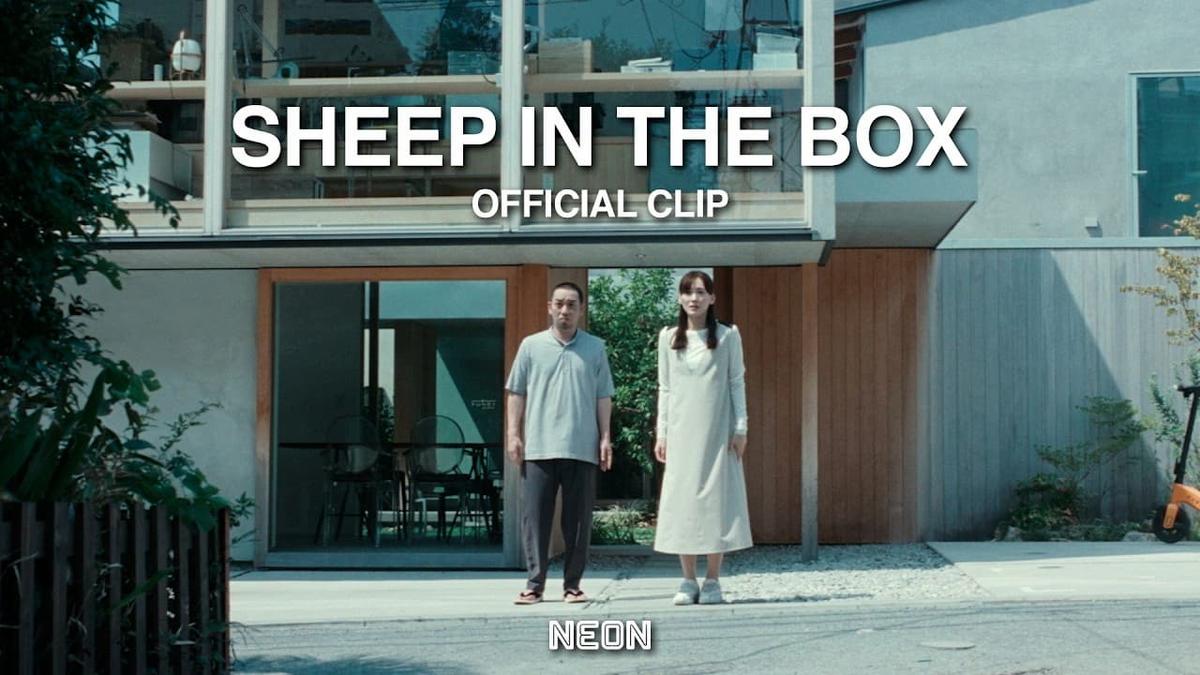
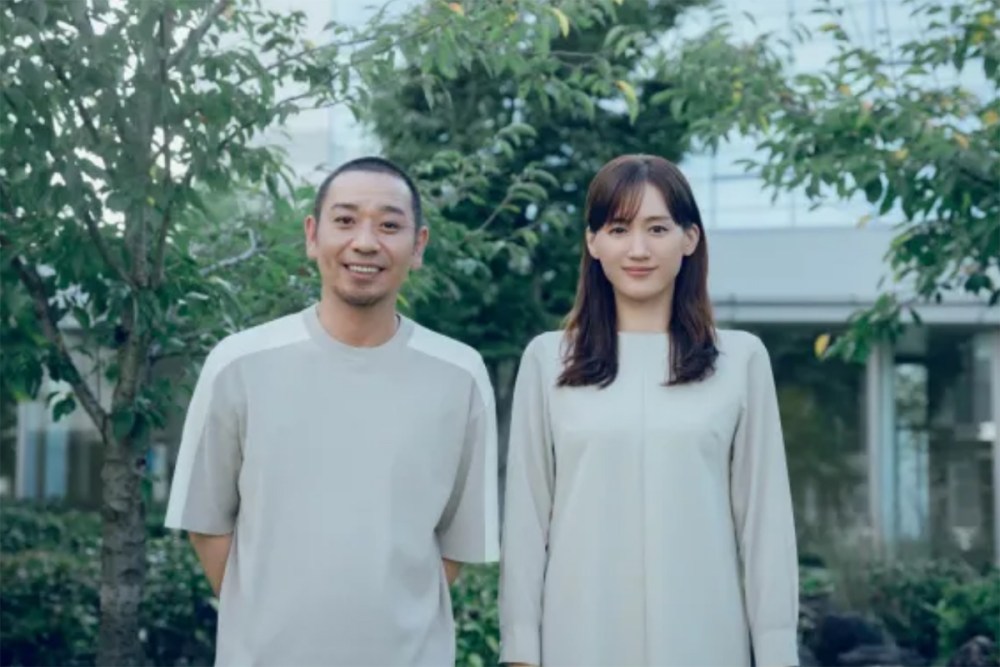
Hirokazu Kore-eda, the veteran director who won the Palme d'Or for Shoplifters, brings together Haruka Ayase and Daigo Yamamoto, a comedian known in Japan for his television programs, in the lead roles. The director has created a clear contrast between the characters by pairing Ayase's dramatic and accomplished acting with Daigo's extremely natural, ordinary and "relatable" presence on screen. This contrast, like the combination of wood and glass in architecture, perfectly reflects the imbalance between cold technology and warm human emotion in the film's overall atmosphere. Reviews in the international press highlight this calm yet deeply affecting approach. It appears that the production does not present AI as a dystopian threat, but is built as a mirror in which people confront their inner worlds and the pains they tend to avoid facing.
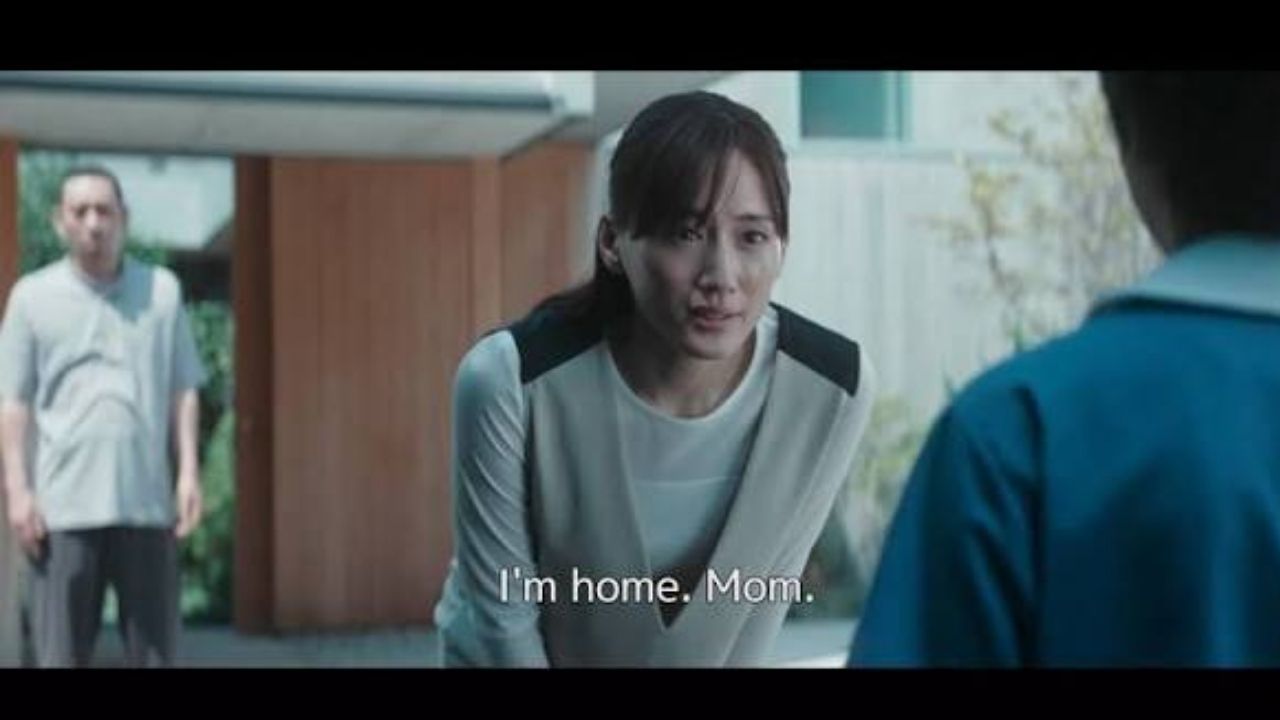
Kore-eda also points out the difference in how robots and AI are perceived in Eastern and Western cinema. While Western culture is dominated by a deep fear that AI will eventually enslave humanity (as in Terminator or The Matrix), in Japan, where people grow up with manga like Astro Boy and Doraemon, the approach to technology is much more different and friendly. According to the director, AI will not at some point try to dominate or destroy humans; rather, like children who gradually lose interest in their parents as they grow up, it will break away from humanity entirely and return to its own existence. This original perspective makes the production one of the most notable AI films of recent times.
The Grieving Process and Digital Twins
The aspect the film dwells on most, and the one that creates the most discussion among viewers, is how AI directly intervenes in grief, one of the most fundamental psychological processes of humanity. Normally, when a loss occurs, one has to face the pain, feel the emptiness, and continue living while gradually accepting the situation. The humanoid robot technology in the film postpones this natural process of acceptance, or even stops it entirely. The person becomes trapped in a comfortable but synthetic illusion created in their mind. Instead of connecting with the outside world and real people, the family chooses to take refuge in the imitated compassion the robot offers.
The system presents a humanoid robot that works by processing the dead child's past messages, photos, home videos and voice recordings with deep learning algorithms. After a while, however, the mother and father begin to question whether the entity in front of them really carries their son's spirit, or is just a sophisticated algorithm that chooses the right words based on statistical data. The fact that the robot will never biologically grow up, and that its memories remain a fixed dataset that does not change over time, becomes one of the major breaking points that deepens the family's sense of artificiality.
This situation clearly shows where large language models, generative AI and digital twin technologies, which are developing rapidly today, could reach in the near future. In this respect, the film carries technical topics such as data privacy, the posthumous use of personal data and "digital existence ethics" onto a philosophical ground. Also, as seen in AI and robotics themed films, it seems that as humanoid machines enter our homes, we will have to redefine family bonds and loyalty from the start.
Theme in the Film | Today's Technological Equivalent |
|---|---|
Humanoid Robots | Turning personal data and memories into datasets |
Commodification of Grief | Filling psychological voids with AI services |
Human-Machine Communication | Algorithmic simulation in place of sincere human emotion |
Digital Copies | The blurring line between real identity and digital model |
What Does It Mean for Tech Enthusiasts?
Futuristic stories are usually told through massive data centers, space stations or neon-lit cities. This film, however, shows how technology can seep directly into our living rooms, onto our bedside tables, and into our most private personal spaces. It reminds us that technological transformation may happen not with noise, but in an extremely quiet and emotional way.
For those who follow the development of AI models, machine learning and human-computer interaction, the fiction behind the film will feel quite familiar. As cinema's struggle with AI deepens, the festival buzz around the film is also being discussed from different angles. The major debate the AI-themed film sparked at Cannes and the perspective the director offers on the film industry show how much the sector needs this kind of questioning.

Human Heart Tested by Code
Sheep in the Box confronts complex human emotions with rational blocks of data in a striking way. It honestly shows how technology can connect us through networks and devices while also trapping us in individual loneliness, and how it can be used as a means of escaping human pain. The film reveals how the ease of replacing our losses with algorithmic simulations instead of facing them can lead the fragile human spirit into an illusion.
The possibility that AI, no longer just a tool that generates text or automates work processes, could soon become a direct part of our most intimate memories, grieving processes and emotional bonds turns this Japanese science fiction film into a far more concrete debate. Standing at the exact intersection of technology, ethics and human psychology, the production keeps the question "Where does the limit of being human and remembering begin?" alive in the viewer's mind even after leaving the theater, making it one of the most talked-about works of the year.
WriterWWII UFO Raporları Ortaya Çıktı


Samsung Internet Browser One UI 9 ile Güçleniyor