



What Is AI Slop? A Threat to Digital Advertising?
Automatically translated
 Writer
While AI technologies are bringing revolutionary developments to the marketing world, they also bring risks. The biggest example of this is AI Slop. Industry experts define this term as low-quality, unreliable, repetitive AI-generated content.
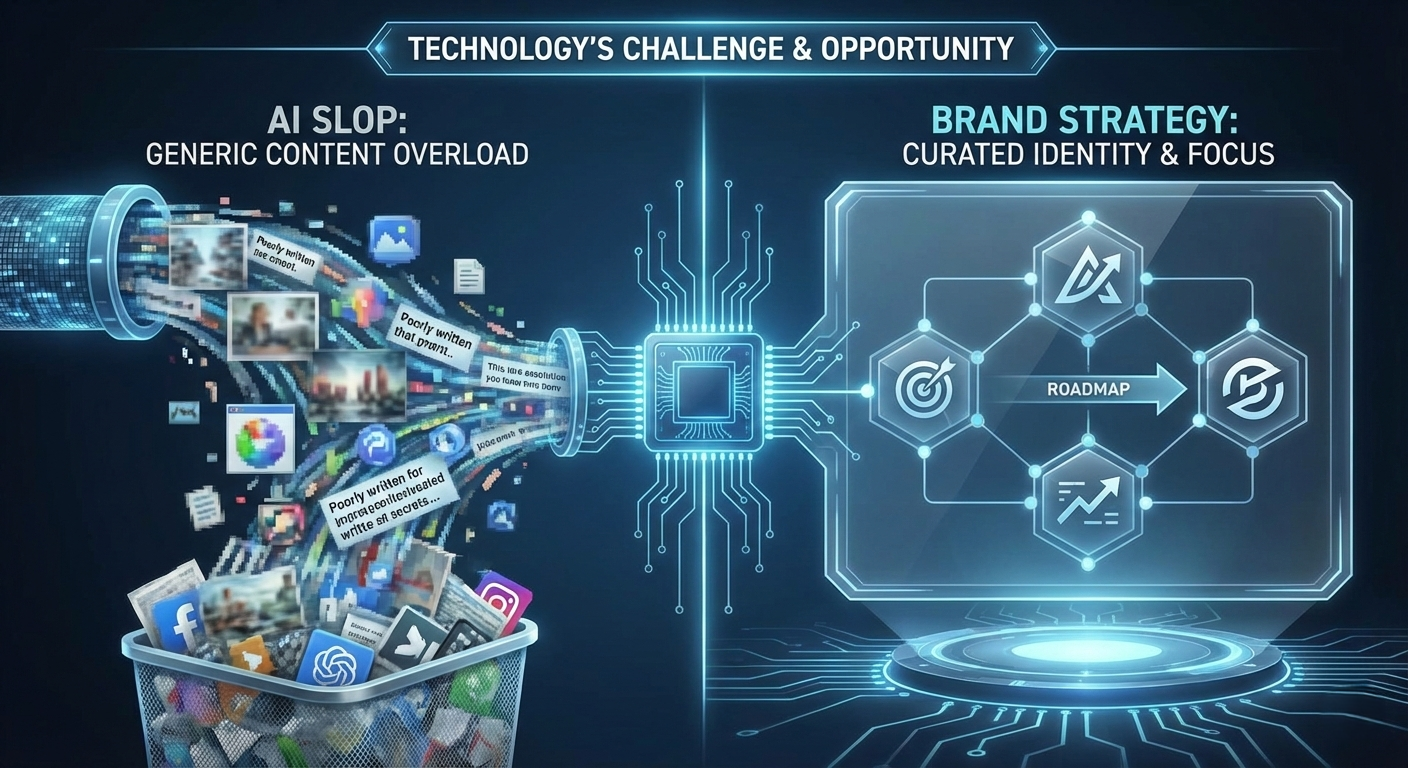
Especially when viewed as a digital advertising trend, AI Slop poses a significant risk for both brands and advertising agencies. Looked at as a whole, AI offers major advantages, yet it leaves negative effects on target audiences.
Why Has the AI Slop Concept Gained Importance?
AI Slop can be briefly defined as the suppression of quality by quantity. Its biggest effect is the weakening of the quality of the advertisements produced. Repetitive content and predictable text structures break consumers' perception and create fatigue. Digital marketing in 2026 is focusing on a different kind of competition. It is shifting from a faster production mindset toward smarter production models. This situation creates new agendas in the advertising world. For example, algorithmic differentiation has led to AI Slop content emerging. Thousands of accounts and content creators using AI tools aim to be original. Users can actually easily notice superficial content produced with AI. In this context, the reasons AI Slop stands out are:
- Uncontrolled automation
- Speed-focused production instead of strategy
- Lack of data-driven creativity
- Loss of brand emphasis

2026 Digital Advertising Trends: Quality-Focused AI
For digital advertising in 2026, the decisive factor is expected to be not the technology itself but how it is used. AI advertising offers advantages such as personalization and real-time optimization, while brands are trying to be more careful. Human + AI Creativity: The most successful campaign content will come from hybrid models that blend AI production with human perception. Data Ethics and Transparency: Consumers now want access to more detailed information. How content was made and its accuracy will come to the forefront.
Generative AI Advertising: Opportunity or Risk
When used correctly, these types of advertising inputs can dramatically increase marketing efficiency. Campaigns can be prepared faster, and A/B tests and analyses become more precise. However, alongside all these positive developments, risks should not be ignored. For this reason, specific criteria should be adopted to keep AI content from falling into AI Slop.
On the other hand, producing content as if it were fully automated can blur the brand's character. Consumers increasingly look for a human touch. Frankly, it would not be wrong to say that artificial productions frighten people. The right approach is to:
- Set up a quality control mechanism with an editor's eye
- Teach the brand's idea to AI systems
- Ensure that human teams define the creative concept first

Meta AI Advertising Policies: Building the Trust Economy
Major platforms are also developing regulations to protect advertising quality. Meta's AI advertising policies focus on controlling synthetic and deepfake content. It is critical for platform security that the content created does not become AI Slop. In addition, strengthening ad verification processes makes it mandatory for brands to communicate transparently with users. In the future, this aims to reinforce trust, not just attention, in fields such as marketing. In line with this, expected regulations include labeling AI-generated ads, placing limits on misleading content, and tightening ad verification processes. At the same time, these audits encourage advertising agencies to work more professionally.
The Future of Advertising Agencies
The AI Slop debate has also raised the question of whether agencies will no longer be needed. However, as we emphasized earlier, the trend is increasing the role of agencies in the age of AI. The general approach already embraces a human-AI combination. The possible competencies of advertising agencies are:
- AI planning
- Building brand-specific production processes by integrating different AI tools
- Brand identity management
- Ensuring automated content aligns with the brand tone
- Data interpretation
- Turning data into insight, not just collecting it
- Creative strategy
- Developing ideas that build emotional bonds algorithms cannot produce
A New Formula for Getting Ahead in Competition
In this era of what we call the AI slop age, success will be proportional not to content volume but to the intelligence of content quality. Brands' priority should now be whether content truly creates value and reaches the right audience. With the AI Slop threat, the digital advertising world can act as a catalyst for a more disciplined, more creative, and trust-focused future. Meaningful and human-machine oriented approaches will win in these developments.
Recommended strategies for a successful approach:
· Not removing human oversight from the process
· Creating quality metrics
· Standardizing brand language
· Supporting creativity with data.
WriterDünyanın En Hızlı İnsansı Robotu Bolt: Rekor Hızla Tanıtıldı!


Melodilerin Yeni Mimarı: Google Lyria AI Nedir?


