



Why Amazon Workers and Managers Don't Trust Its AI Staffing System
Automatically translated
 Writer
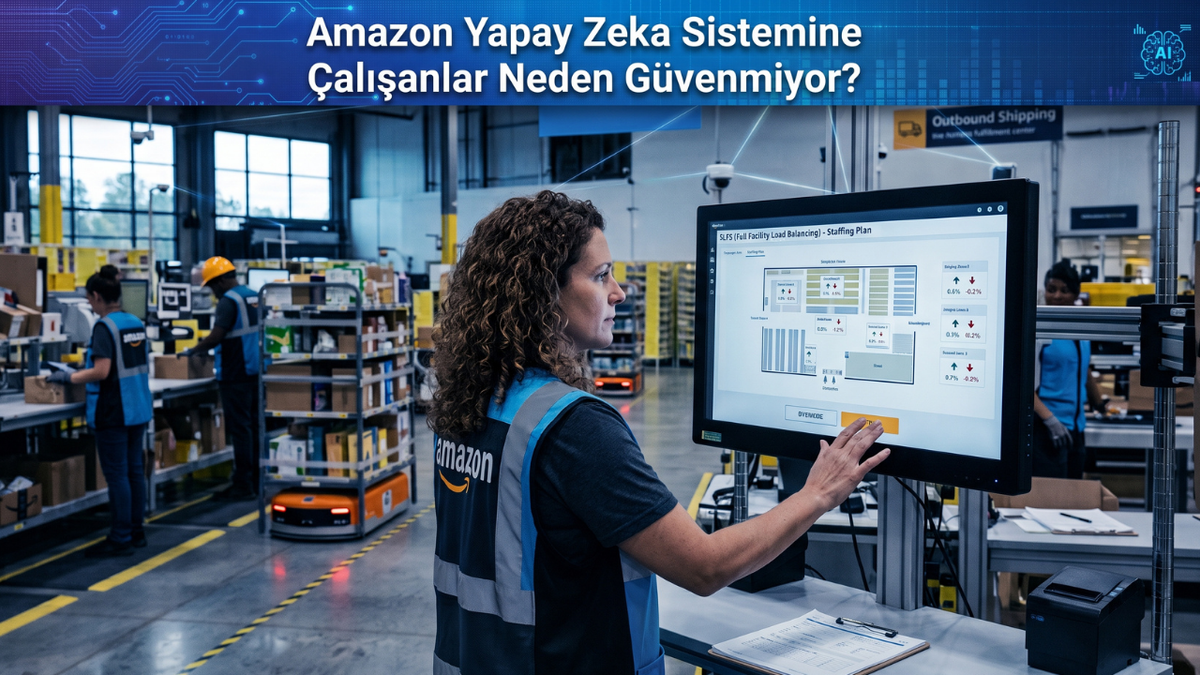
Amazon's system for automating how workers are distributed across its warehouses has started a new debate, as some managers keep changing the algorithm's recommendations. The company is trying to determine which sections workers should be assigned to using real-time data. However, managers feel the software cannot always read the variables on the floor correctly. The core of the problem is not only the decisions made by AI. The real issue is how much managers in Amazon warehouses are willing to trust those decisions.
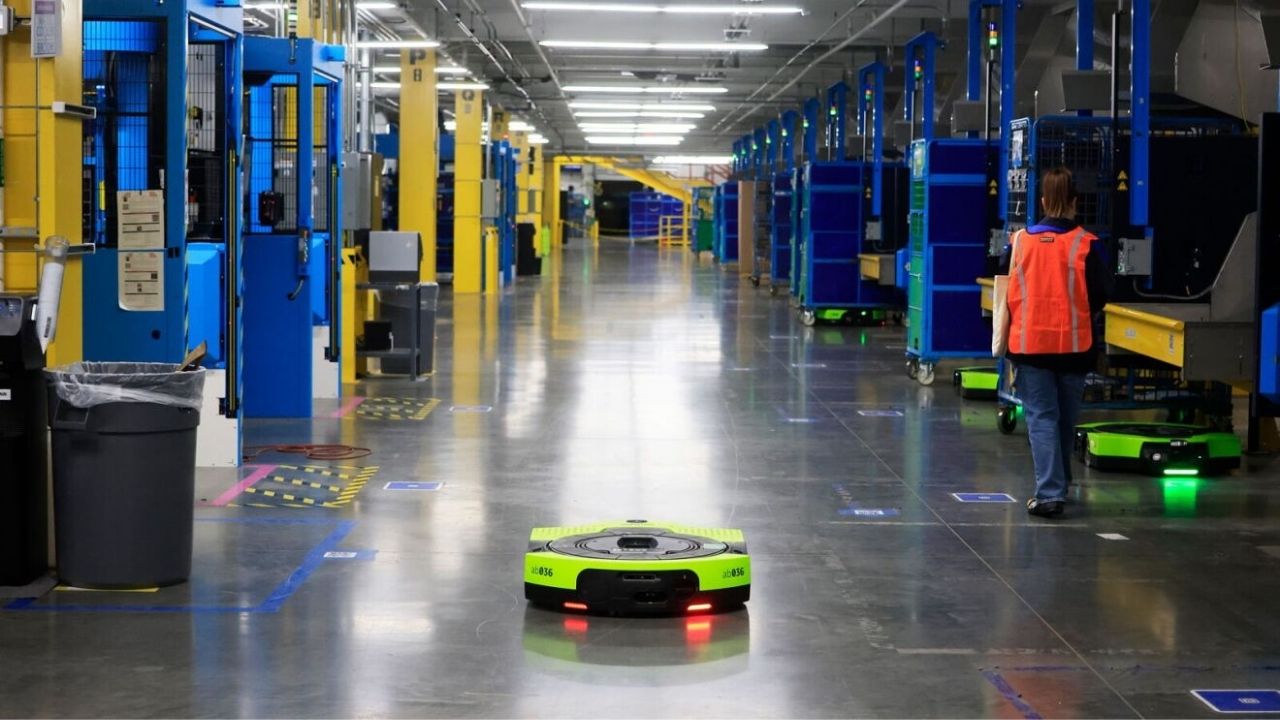
According to a report by Business Insider, based on internal documents and Slack messages, some managers repeatedly overrode automated worker scheduling recommendations and asked for some automatic features to be turned off. Amazon, however, says the systems are in a pilot phase and are used to help managers make decisions, not to replace them.
What Is Amazon's AI System Doing in Warehouses?
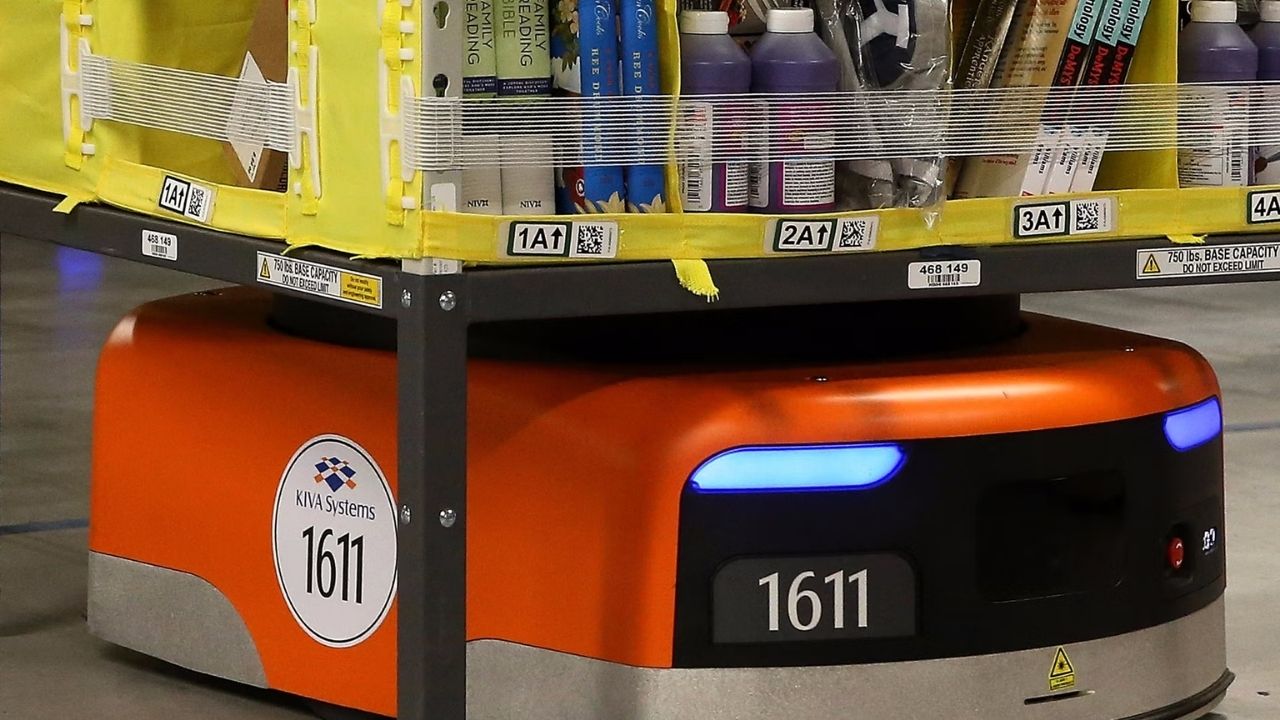
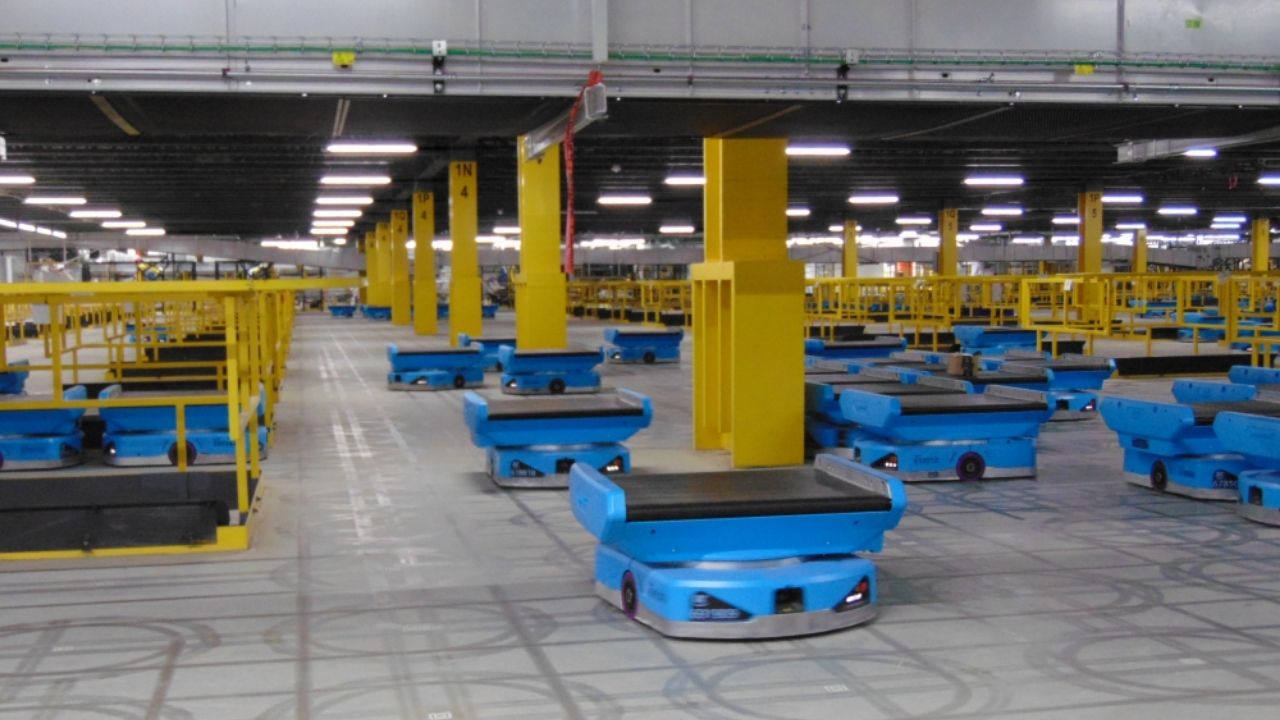
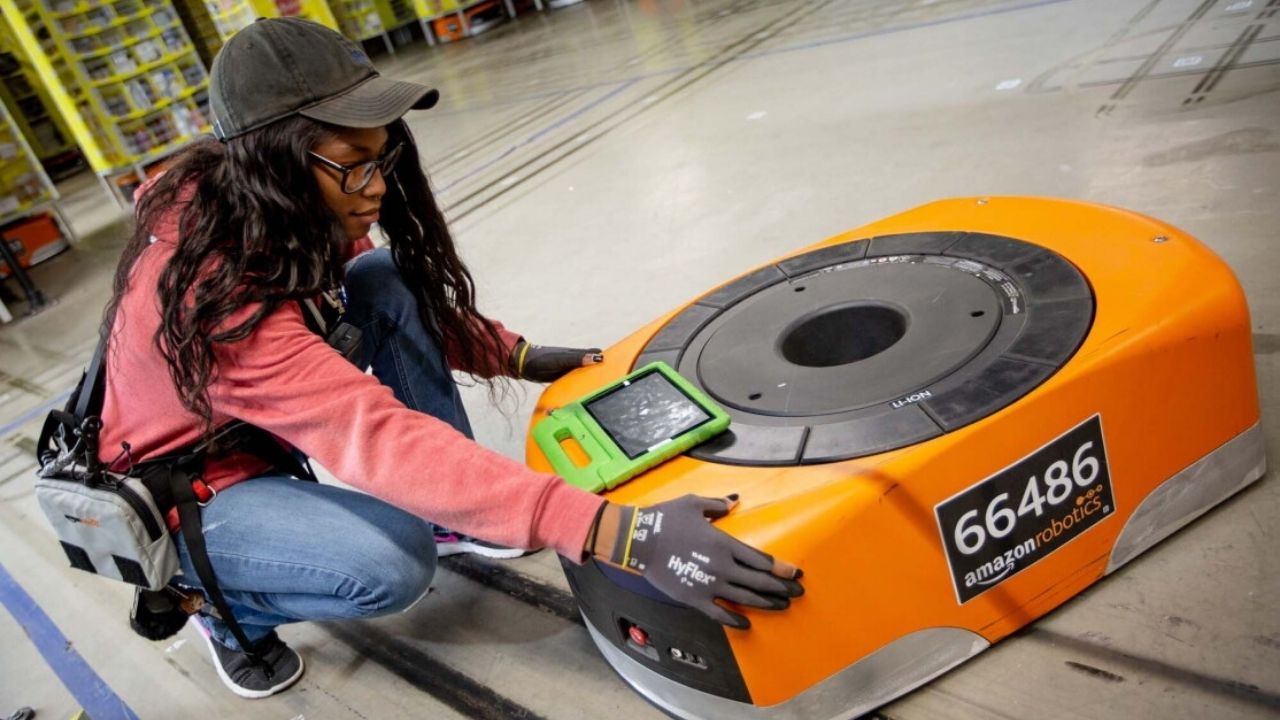
The system Amazon is working on focuses on automatically redistributing workers within a warehouse according to changing workloads. The idea behind it is quite clear: if workload increases in one section, more workers should be directed there, and if demand drops elsewhere, staff should be moved to a different task. This approach is not new for Amazon. Automation, machine learning and robotic systems have long been used in the company's logistics operations. The new phase aims to optimize not only packages but also how employees move.
Why Are Workers Being Reassigned Between Sections?
Workload in Amazon warehouses does not stay constant throughout the day. As package volume, processing intensity and operational needs change, certain areas may need more staff.
The Full Facility Load Balancing (FFLB) system, which Business Insider reported on in June, is trying to solve exactly this problem. Using package volumes and workload forecasts, the system can recalculate staffing needs roughly every three minutes and suggest moving workers to different areas.
This approach also has an economic side for Amazon. In the company's internal modeling, FFLB was estimated to potentially save about 193 million dollars per year and reduce labor by about 7 million work hours. However, these are not realized results; they are potential gains based on Amazon's models.
Why Does Amazon Want to Hand Workforce Planning to AI?
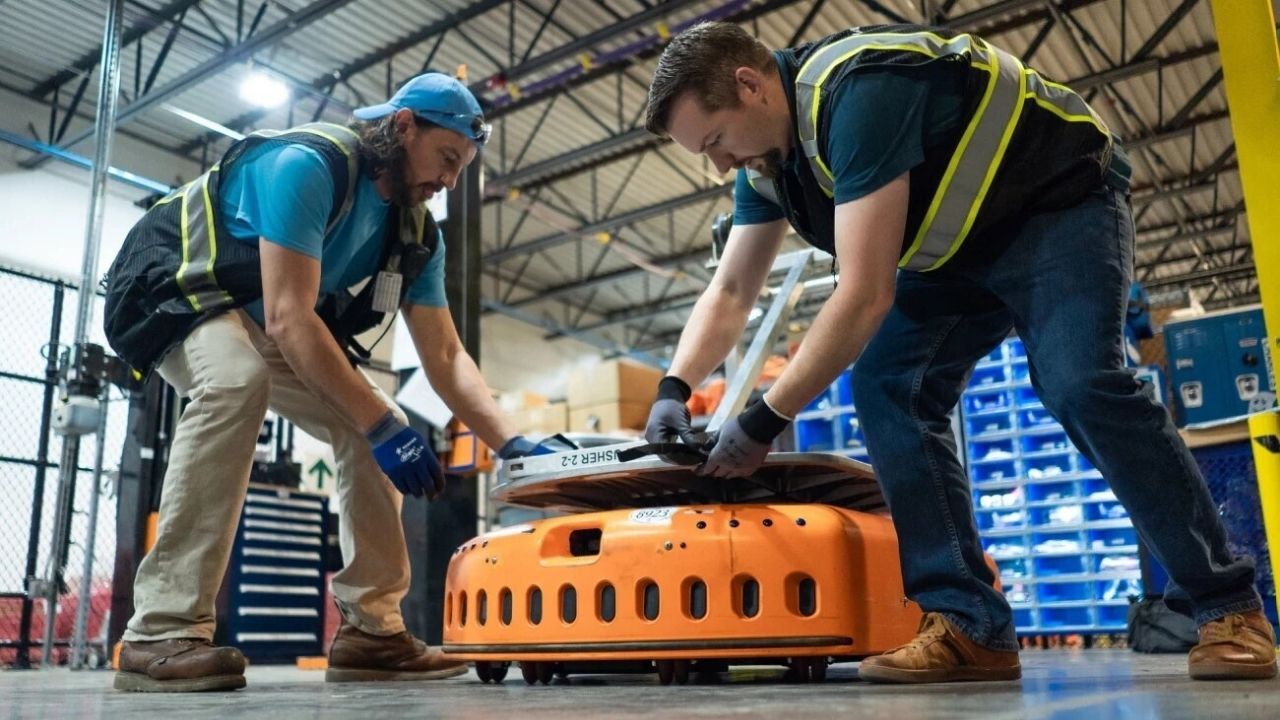
Distributing workers, a task warehouse managers perform every day, takes significant time and coordination in large operations. A case study published by Amazon's own AWS team states that workforce planning is carried out for more than 100,000 workers across more than 100 mid-sized sortation centers in North America.
The company says that, with an automated planning platform, it previously automated a manual planning process that took roughly 28 hours per week. FFLB, however, focuses on a different level: where workers should be located during the day.
What Does the 193 Million Dollar Savings Estimate Mean?
193 million dollars is not money that has entered Amazon's accounts. It is the potential annual saving calculated in internal models reviewed by Business Insider. Likewise, the reduction of about 7 million hours is not a realized loss of working time, but the potential efficiency the system targets or models. This distinction matters, because the system's real-world success may differ from how well the algorithm performs in simulation.
Why Are Managers Interfering With Amazon's AI System?
Some managers find the number of workers the algorithm recommends insufficient. Internal messages reported by Business Insider show managers wanting to keep more staff in their own areas, asking for some automatic controls to be disabled, and manually changing recommendations. One manager asked for the system to be shut down after one of the mandatory early-stage tests. From Amazon's perspective, this behavior may prevent automation from delivering the expected efficiency. From the managers' perspective, the algorithm may be missing operational details.
Floor-Level Knowledge the Algorithm Doesn't See
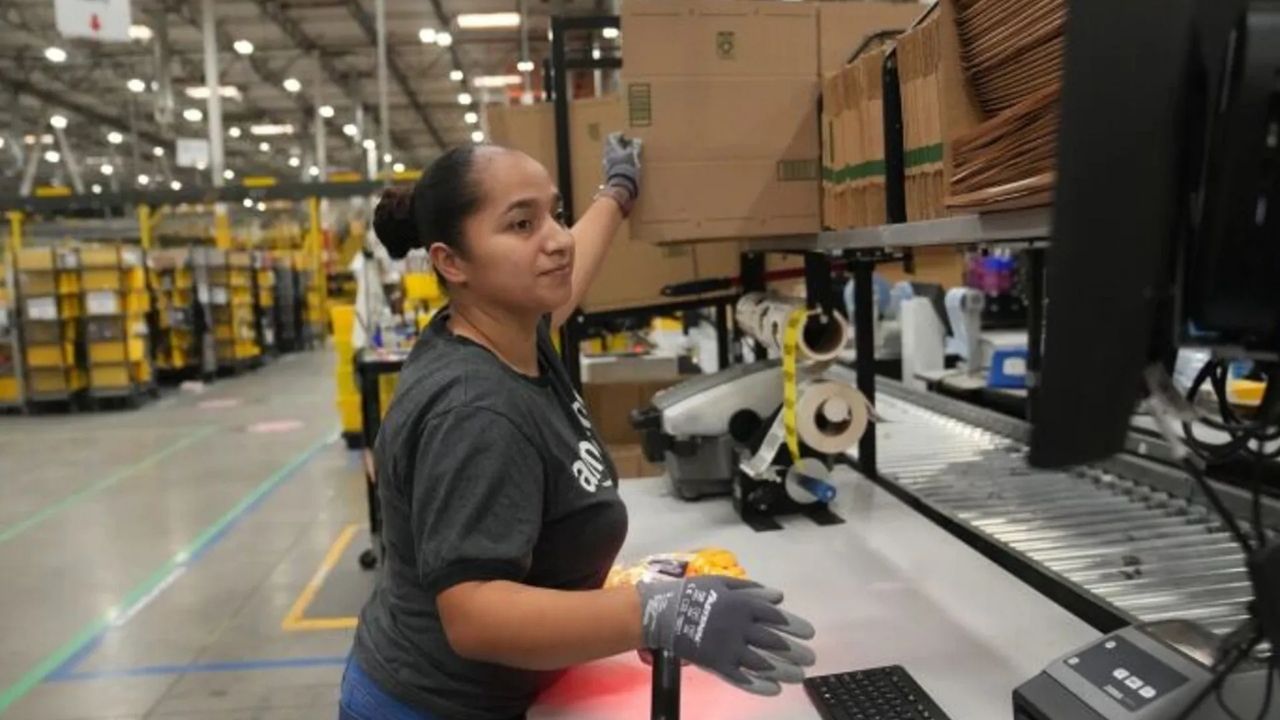
An algorithm can analyze package volume, processing times and headcount. However, it is not easy to turn everything a manager knows on the floor into data with the same ease. Congestion in one section can rise within minutes. A particular worker may be more experienced in a specific task. A station may be experiencing a brief slowdown while another operation is waiting for urgent support. A significant share of managers' objections come from this kind of contextual difference.
Why Does AI Miss Context in Warehouse Operations?
The problem Amazon faces is not unique to Amazon. One of the basic challenges AI encounters in real-world operations is the gap between measurable data and floor-level context. No matter how comprehensive a model's data is, information that is not fed into the system cannot be part of the decision mechanism.
Why Do Differences in Workers' Skills Matter?
It is easy to assume that two workers have the same capacity for the same task, but in real operations the situation is more complex. Experience, task knowledge and familiarity with specific stations can change performance. Human managers can observe this information during daily work. For an algorithm to use it, the information must be measurable and reliably fed into the system. This is where the critical point of the AI workforce management debate lies. The goal is not only to answer "how many people should be where?" It is also to model correctly "which worker would be more effective in which task?"
How Does Amazon's Workforce Planning System Work?
Real-time operational data plays an important role in FFLB's logic. By evaluating workload and package volume across the facility, the system calculates which sections need more or fewer workers.
According to documents Business Insider reviewed, the system can recalculate staffing requirements at intervals of about three minutes, with the aim of moving workers to sections where demand is shifting. On paper, this model appears logical. The problem is that real warehouses do not run as orderly as they do on paper.
An algorithm's decision that was correct three minutes ago may need to be reassessed three minutes later because of new conditions. The same applies to human managers. The difference is that a manager may notice some changes before they appear in data systems.
Why Does the Human Factor Matter in Amazon's AI Investments?
Amazon Science's 2026 research examines offline reinforcement learning and LLM-based approaches for real-time worker scheduling in semi-automated warehouse sortation systems. A transformer-based model, trained on historical operational data, achieved a 2.4 percent throughput increase over the historical baseline in simulations. In the LLM approach, the work focuses on human-readable operational information and manager preferences.
What Does the Human-in-the-Loop Approach Mean?
One notable aspect of the Amazon Science research is that managers are not excluded from the system entirely. Researchers are exploring how LLMs can work with human-readable operational summaries and include manager preferences in a feedback loop. So the goal is not simply a "remove the human, put in the algorithm" approach.
From this angle, there is an interesting link between Amazon's own research and the current debate in warehouses: the better the system uses human knowledge from the floor, the less managers may theoretically need to override the algorithm entirely.
Which Makes Better Decisions, the Algorithm or the Warehouse Manager?
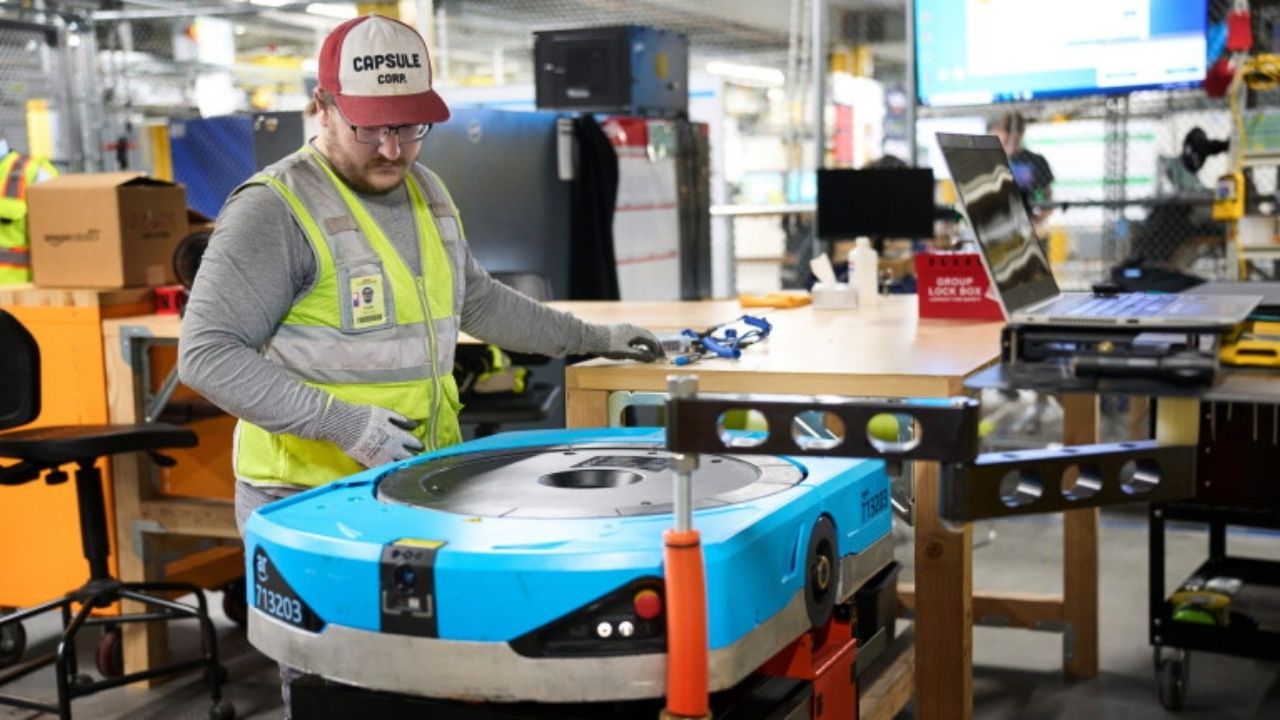
There is no single answer to this question. The algorithm's advantage is that it can continuously analyze very large volumes of data. The human manager's advantage is being able to use operational knowledge that is difficult to measure. This is exactly where Amazon's problem emerges. The company wants case . while some managers believe their own field experience is still more reliable.
In internal documents reported by Business Insider, Amazon treats managers overriding the system as a sign that automation needs to be enforced more strictly. Among Amazon's 2026 goals is reducing manual workforce planning interventions. The company, however, says FFLB is designed not to replace managers but to help them respond faster to changing conditions.
What Does Amazon's AI Research Say About This Problem?
The approach developed on Amazon's research side shows that workforce planning is not a simple automation task.
While methods such as offline reinforcement learning try to improve efficiency on specific tasks by learning from past operations, LLMs are considered candidates for decision-making based on higher-level, human-readable operational information. The Amazon Science research shows that the two approaches have different advantages. This work is also an important primary source showing that Amazon has not entirely abandoned human-AI collaboration in workforce planning.
What Comes Next in Amazon's AI Plans?
The challenge for Amazon is not only making the algorithm more accurate. It also has to determine at what point the system and the manager share decisions.
Stricter automation controls may increase the adoption of algorithmic recommendations. However, limiting human intervention in a situation where the system has evaluated something incorrectly or incompletely may create new operational risks.
For this reason, the hardest problem in front of Amazon may be managerial rather than technical: how will you use the data analysis where the algorithm is strong without separating it from the field knowledge where the manager is strong?
Amazon's 2026 research approaches this question by incorporating human feedback into the system, while the company's internal implementation plans point toward more automation and less manual intervention.
Will Amazon's AI Replace Workers?
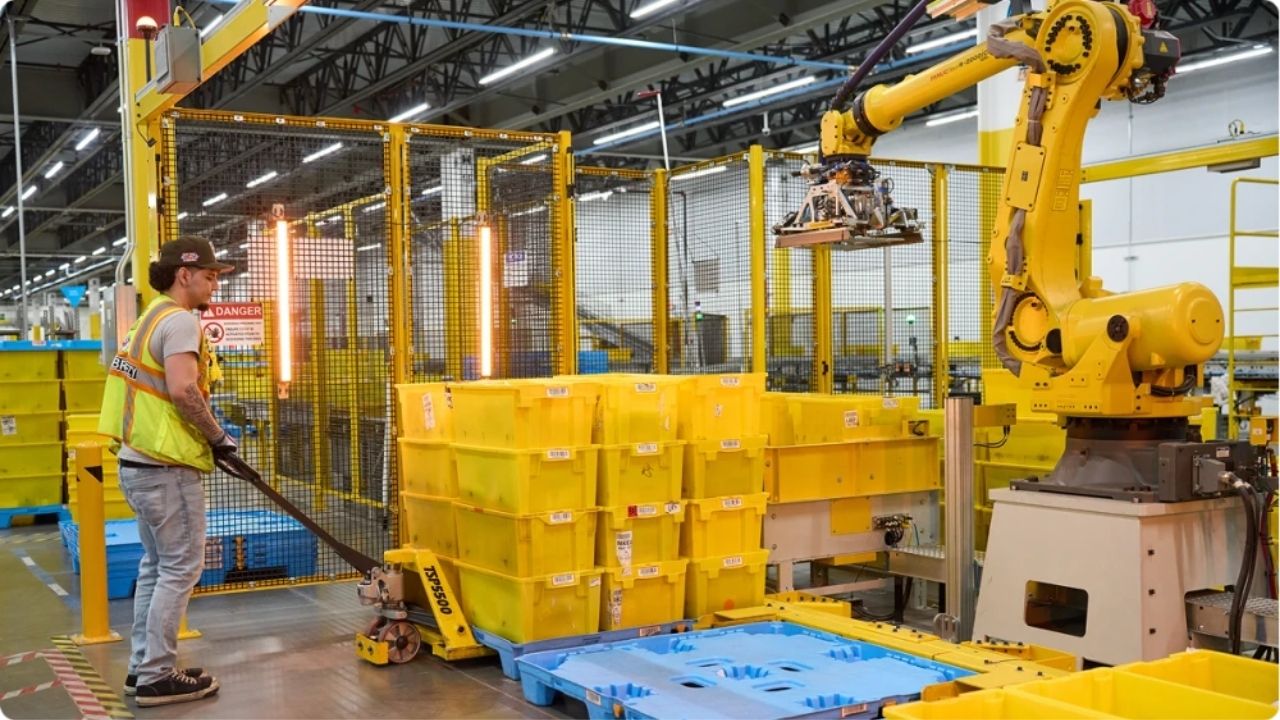
The direct purpose of the system in this news is not to replace all workers. The goal of FFLB is to automate how existing workers are distributed within the warehouse.
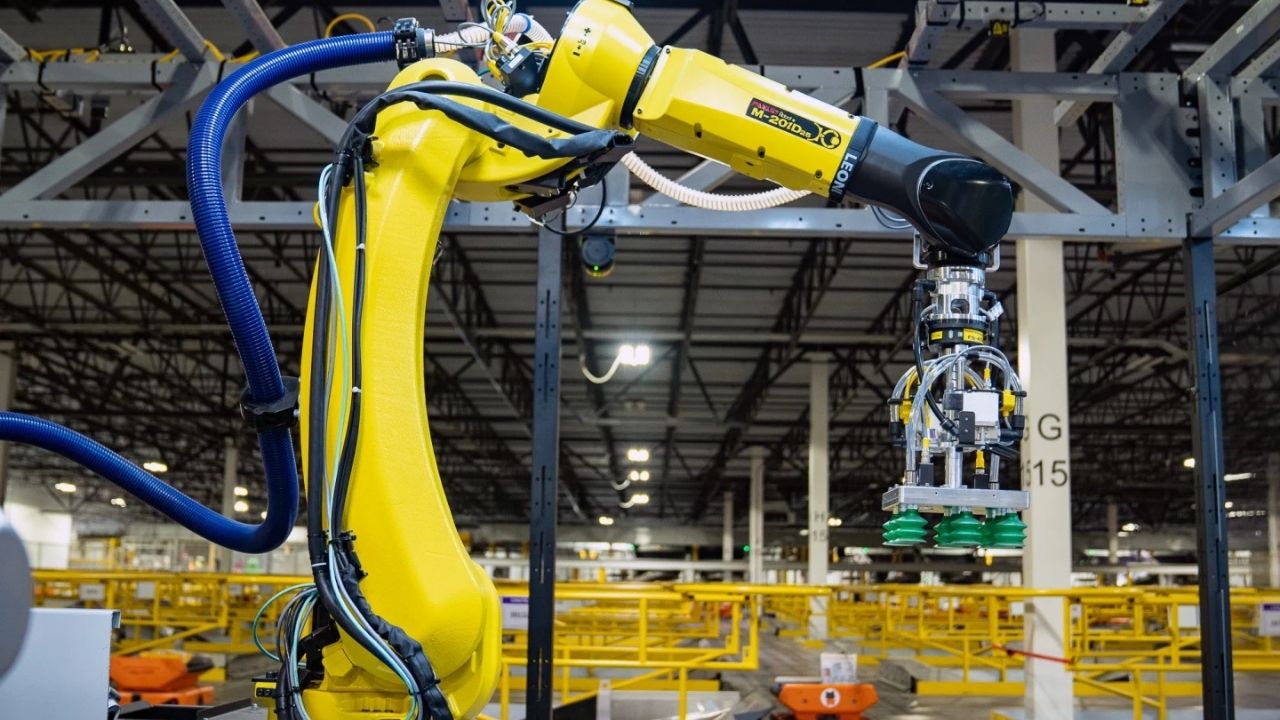
Amazon's other operations technologies are also positioned to work alongside employees. In 2025, the company introduced Blue Jay and Project Eluna with the aim of reducing employees' repetitive tasks and supporting operational decisions. In February 2026, Amazon announced that it had stopped using Blue Jay in its operations, but that the technology developed in the project would continue to support workers.
The Amazon example shows that using AI in the workforce is not just a "machine instead of human" equation. The real question is how reliable and actionable the algorithm's decision is considered by the people on the floor.
WriterDebian Yapay Zeka Kararı Topluluğu İkiye Böldü


Hollywood'un Dev Yönetmenleri Yapay Zekaya Neden Karşı?


