



Technology and AI Developments at the NATO Summit
Automatically translated
 Admin
Technology is no longer just a part of the defence industry; it now sits at its center. The Defence Industry Forum held as part of the 36th NATO Summit in Ankara was one of the clearest examples of this. A review of the agreements signed at the summit shows that countries are now investing not only in new weapon systems, but also in AI, software, space technologies and unmanned platforms.
Recent conflicts have shown that battlefield superiority is not won by military strength alone. Real-time data analysis, autonomous drone systems, electronic warfare capabilities and AI-supported command and control infrastructure are now essential components of modern armed forces. The NATO meeting in Ankara revealed new steps in this transformation.
The Çelik Kubbe Project Enters a New Phase
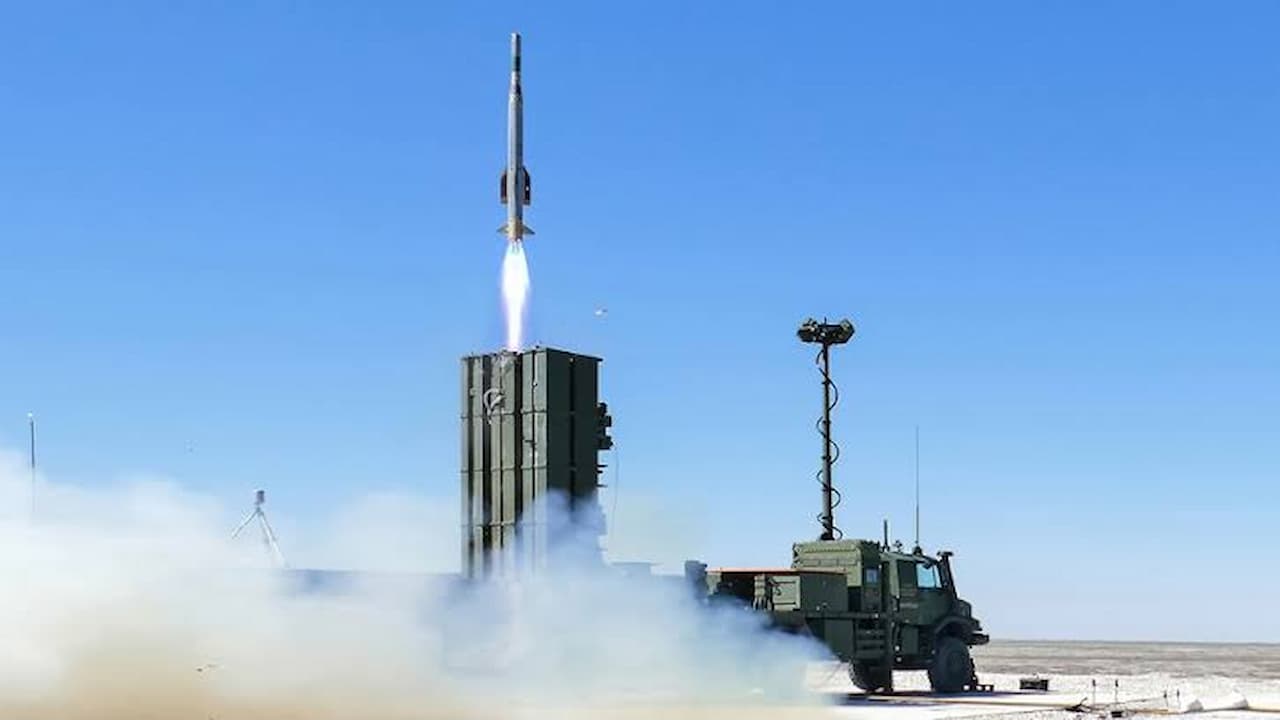
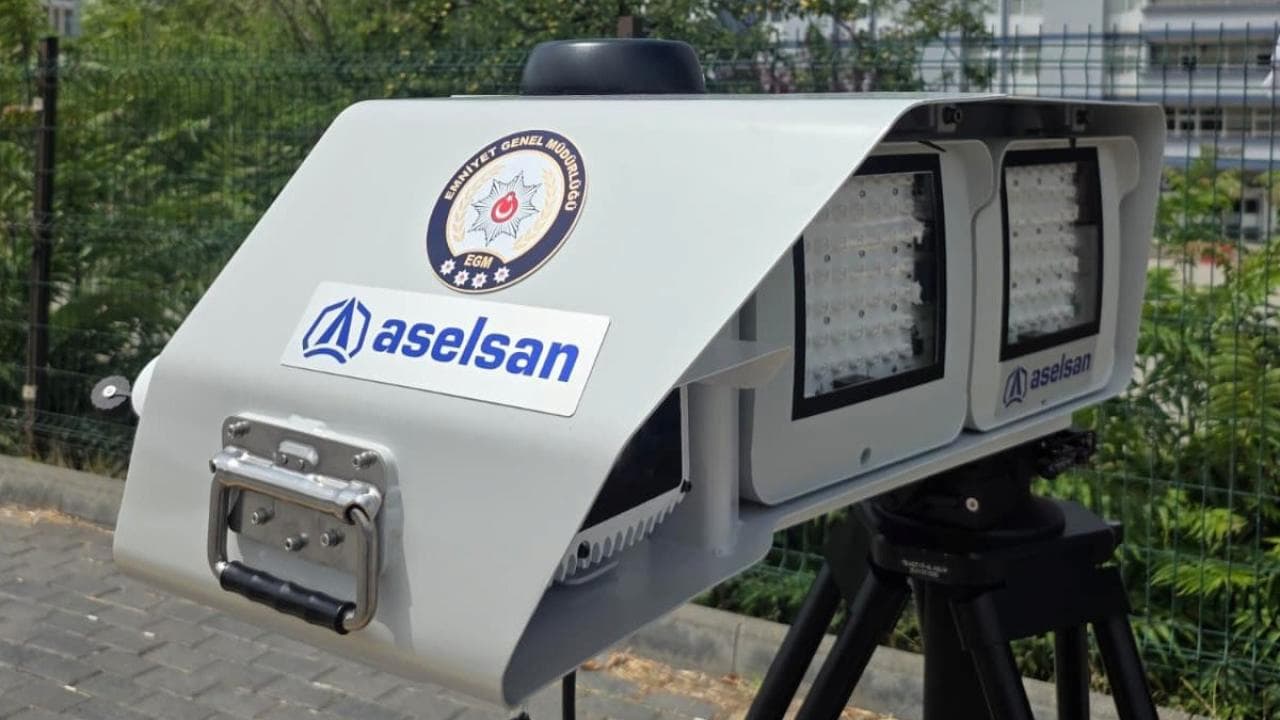
One of the most notable developments at the forum was a new contract signed by ASELSAN. It was announced that a total of 350 million dollars in agreements had been signed for early warning radar systems under Çelik Kubbe, Turkey's multi-layered air defence system, along with low Earth orbit satellite communications.
What makes this project important is not only the investment amount. Çelik Kubbe aims to connect different radar systems, air defence elements and command centers on a shared digital network. This allows data from different sources to be processed in one place, so possible threats can be addressed much faster.
The most critical part is the software infrastructure. In modern air defence systems, success depends not only on powerful radars but also on algorithms that can accurately analyze the millions of data points they generate. As AI integration grows, systems like Çelik Kubbe are expected to operate with much greater autonomy.
TÜBİTAK UZAY's New Satellite Move
Another highlight of the summit was space technology. TÜBİTAK UZAY announced that it will develop two new high-resolution observation satellites using the experience gained from the İMECE satellite. The project, with a budget of about 300 million dollars, aims to increase Turkey's capacity in space.
Satellite technology is no longer limited to capturing images. Thanks to AI-supported analysis systems, the data obtained can be processed within seconds. This enables faster decisions in many areas, from border security to disaster management, from agriculture to urban planning. In defence especially, analyzing high-resolution satellite imagery with AI significantly speeds up processes such as target identification and situation assessment.
NATO's 10th Airbus A330 MRTT Announcement
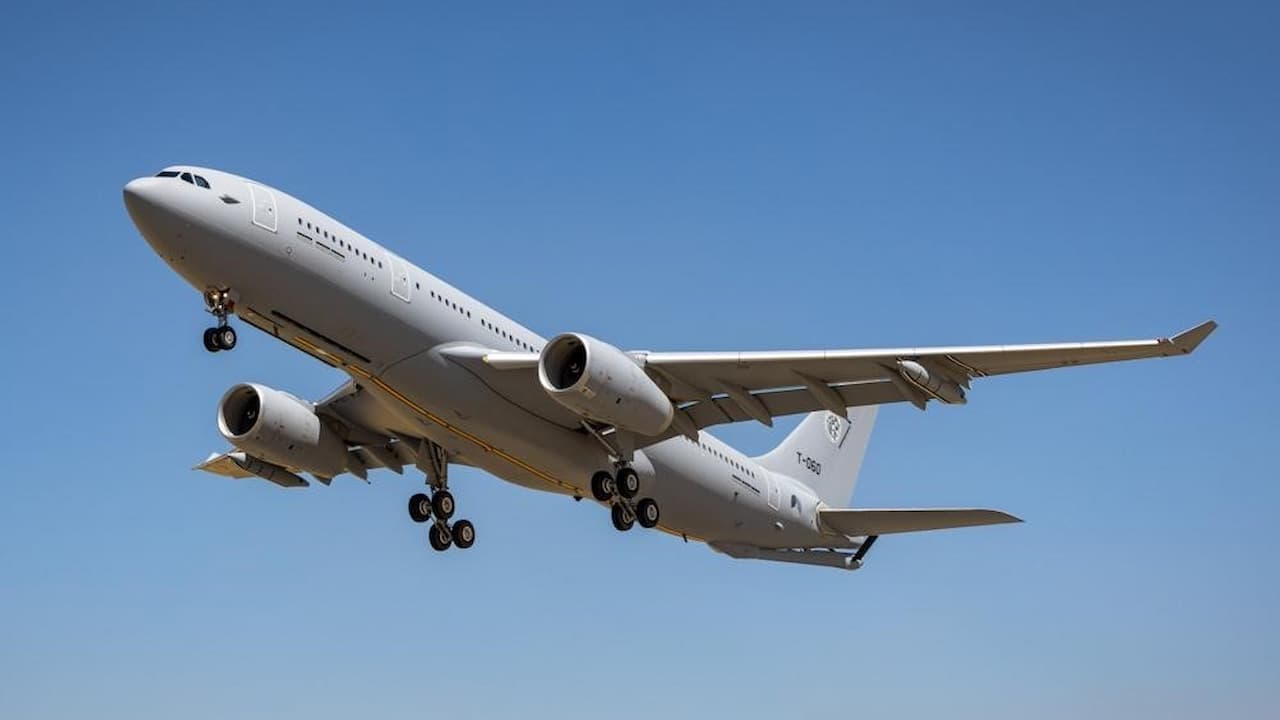
Among the notable announcements at the forum was the 10th Airbus A330 MRTT aircraft joining NATO's shared air-to-air refuelling fleet. At first glance, this may look like just another military aircraft investment. However, thanks to advanced communication systems, sensor integration and digital mission management infrastructure, A330 MRTT platforms are among the important assets that strengthen NATO's joint operational capabilities.
Today, military air platforms do more than transport or refuel. They also serve as mobile command centers capable of sharing large volumes of data in real time between different units.
AI and Drone Technologies Take Center Stage
The biggest transformation in the defence industry is happening in software. ROKETSAN, HAVELSAN and ASELSAN continue to increase their investments in drone technologies, electronic warfare, command and control software and AI-supported systems.
In particular, thanks to AI-based image processing technologies, unmanned aerial vehicles are moving beyond platforms that only transmit images. A significant part of processes such as target identification, route optimization, threat analysis and mission planning can now be carried out autonomously.
This transformation in the defence sector also directly affects civilian technologies. Many image processing and AI technologies developed for military purposes are now beginning to be used in sectors such as healthcare, automotive and logistics a few years later.
NATO's DIANA Program Opens New Opportunities for Startups
The transformation in defence technologies is not a process driven only by large companies. NATO's Defence Innovation Accelerator for the North Atlantic (DIANA) program is one of the clearest examples of this. The program aims to support innovative solutions developed by startups working in critical areas such as artificial intelligence, quantum computing, robotics, autonomous systems, biotechnology, advanced materials and space technologies.
Startups selected under DIANA do not only receive funding. They can also gain access to test centers in NATO member countries and carry out joint work with researchers and defence organizations from other countries. One of the biggest advantages for startups is being able to test technologies developed in the lab in real-world scenarios. This helps projects at the idea stage mature faster and enter international markets sooner.
AI Is Also Shifting the Balance in Cybersecurity
AI now plays a critical role not only in defence systems but also in cybersecurity. While traditional security software mostly protects against known threats, AI-supported systems can analyze network traffic in real time, detect unusual activity, anticipate potential attacks before they happen and send instant alerts to security teams.
Especially today, when ransomware, data breaches and attacks targeting critical infrastructure are becoming increasingly complex, these technologies significantly shorten incident response times and reduce the risk of human error. This is the main reason NATO's technology strategy considers AI and cybersecurity investments together. In modern defence thinking, protecting physical borders alone is no longer considered enough. Communication networks, satellite systems, command and control centers and critical digital infrastructure are also recognized as strategic areas that need protection, just as much as land, air and sea forces. For this reason, AI-supported cybersecurity solutions stand out as one of the most critical components of future defence technologies.
What It Means for Turkey
The AI, space technology, software and air defence projects highlighted at the NATO Defence Industry Forum in Ankara should not be seen merely as an event where new agreements were signed. The announced investments show that Turkey's role in defence technologies is growing and that its domestic technology ecosystem is becoming more visible in international projects. In particular, the presence of technologies developed by institutions such as ASELSAN, HAVELSAN, ROKETSAN and TÜBİTAK UZAY in the NATO ecosystem could open the way for new export opportunities and international R&D collaborations in the coming years.
The most important aspect of this transformation is happening more in software and AI than in hardware. Today, developing an advanced air defence system does not simply mean building radars, missiles or sensors. Developing algorithms that can analyze the millions of data points these systems generate in real time, classifying threats automatically and providing accurate decision support to command centers within seconds has become at least as critical as the physical platforms. For this reason, AI engineers, data scientists, cybersecurity specialists and embedded software developers are among the most sought-after expertise in the defence industry.
A new era is also beginning for universities, technoparks and technology startups. NATO's innovation programs and technology-focused collaborations cover not only large defence companies but also startups working on AI, robotics, cybersecurity and space technologies. In particular, deep tech startups may find important opportunities in accessing international funds, joining joint R&D projects and opening up to global markets. For Turkey's entrepreneurship ecosystem, these developments show that defence technologies are no longer the domain of public institutions alone, but an area where the private sector and young technology companies also play an active role.
In the coming years, competition in the defence industry will not be shaped only by developing more powerful platforms. Countries that process data faster, use AI more effectively and can accelerate software development processes will gain a significant advantage. The projects announced in Ankara also show that Turkey is strengthening its goal of being not only a user but also a developer and exporter in this new technology race. In particular, new investments in AI, space technologies, autonomous systems and defence software are expected to contribute significantly to the growth of the technology sector and to the rise of high value-added employment in the period ahead.
AdminMicrosoft 4.800 Kişiyi İşten Çıkarıyor: AI Dönüşümü Hızlandı


BM'nin İlk Küresel Yapay Zeka Yönetişimi Diyaloğu Başladı


