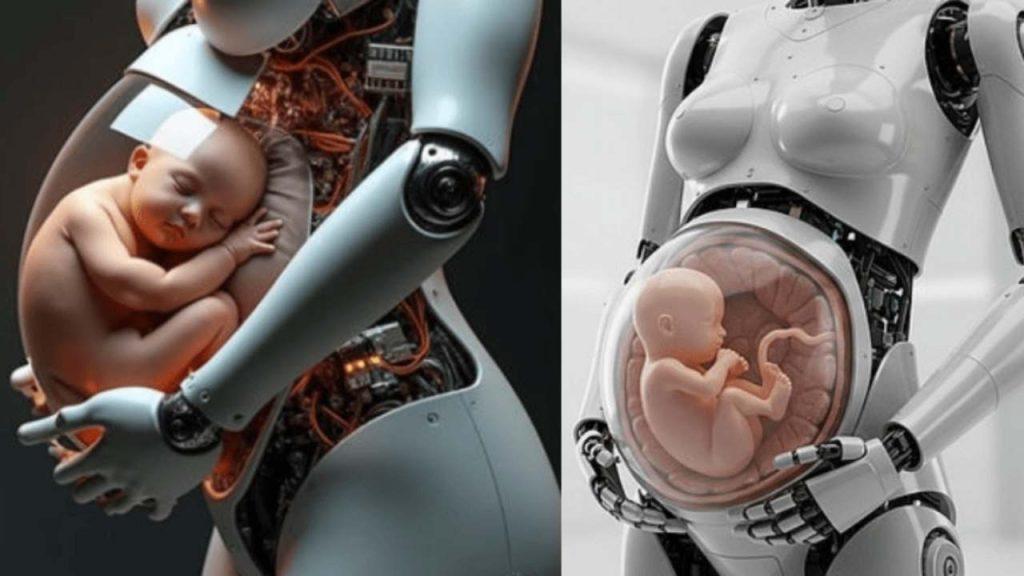
Pregnancy Robot: China's Device That Could Transform Pregnancy
Automatically translated
 Creator
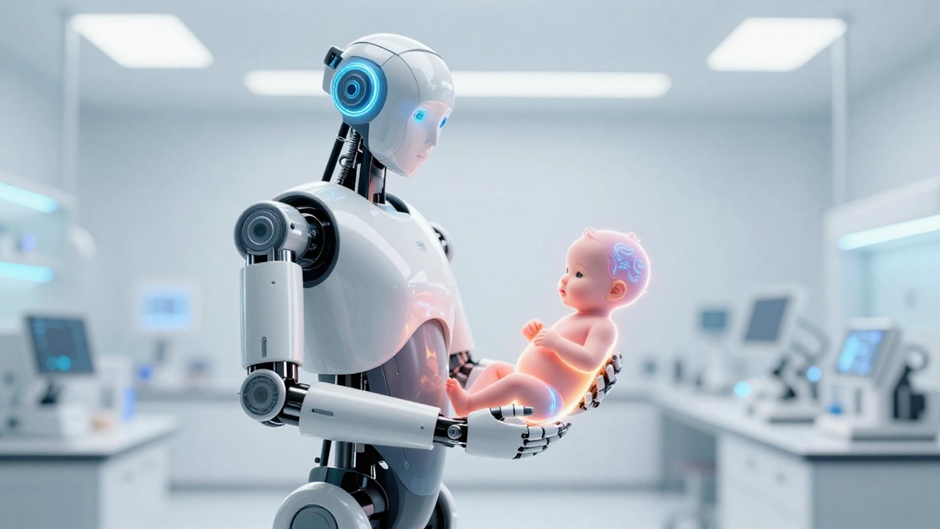
Advances in artificial intelligence and robotics are turning scenarios we once saw only in science fiction films into reality, one after another. One of the most striking examples of this transformation can be called the Pregnancy Robot: China's Robot That Will Carry Out Pregnancy From Start to Finish. The project by Guangzhou-based technology company Kaiwa Technology presents a system that can carry a human baby from fertilization to birth and simulate the entire pregnancy from start to finish. The prototype is expected to be unveiled in 2026, and the technology raises deep ethical and legal debates in both medicine and society.
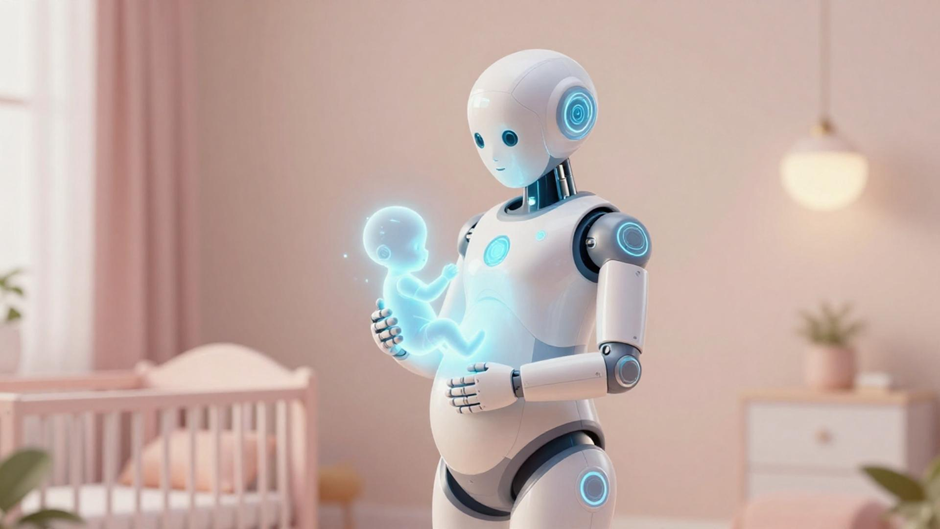
The project, led by Chinese scientist Dr. Zhang Qifeng and his team, aims to fundamentally challenge the traditional understanding of pregnancy. The humanoid robot under development houses an artificial womb in its abdomen. This artificial womb replicates the environment inside a mother's womb to provide all the conditions the fetus needs to keep developing. The system works based on the following main components:
Artificial Womb: A tank filled with artificial amniotic fluid will act as a natural sac that allows the fetus to move and protects it from external factors, one could say. This fluid can be adjusted to continuously keep critical parameters such as temperature, humidity and pH levels at optimal levels.
Nutrition and Waste Management: The fetus receives nutrient-rich blood and other necessary substances through a special tubing system. At the same time, waste products are effectively removed from the system using a dialysis-like method. This two-way flow aims to keep the fetus in a healthy growth environment.
24/7 Monitoring: Thanks to advanced artificial intelligence algorithms, the robot can monitor the fetus's development around the clock. Oxygen and nutrient levels, heartbeat and other vital functions are tracked in real time, and potential risks are detected immediately.
Dr. Zhang stresses that this technology is far more advanced than a simple incubator. According to him, the robot offers a platform capable of carrying out pregnancy in “interaction with a real human being” and managing the entire process from fertilization to birth.
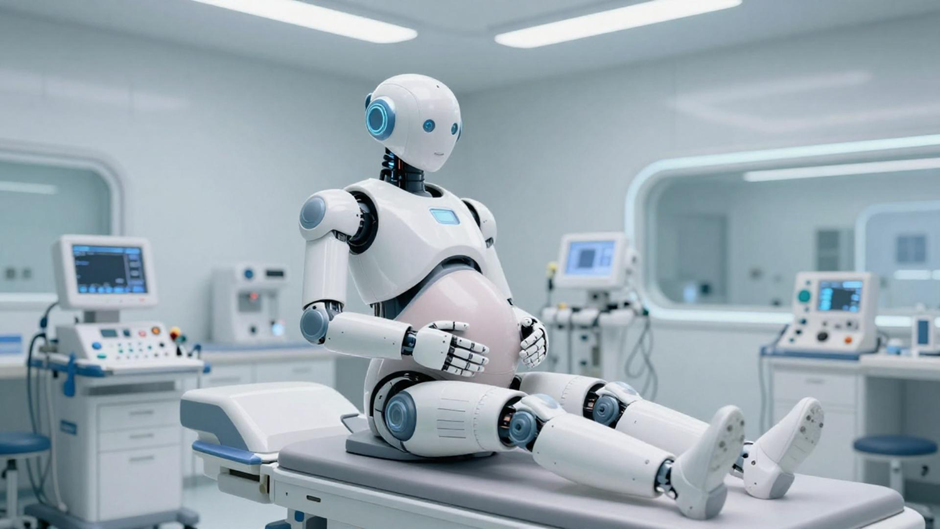
The Historical Development of Artificial Womb Technology
The idea of a pregnancy robot can be described as a logical extension of artificial womb research that has been ongoing for many years. Scientists are working in this field especially to improve the survival chances of extremely premature babies.
First Steps: The concept of the artificial womb first came to attention in 1954 through a patent application by Emanuel M. Greenberg. However, the technological limitations of the time prevented the concept from being put into practice.
Animal Experiments: One of the most important breakthroughs in this field came in 2017 from researchers at the Children's Hospital of Philadelphia. In a system called “biobag,” premature lambs were kept alive for weeks. This system can be described as one that allows a fetus to continue developing in a bag filled with amniotic fluid, connected to a machine that mimics a natural placenta.
Mouse Embryos: Scientists at the Weizmann Institute of Science, meanwhile, successfully grew mouse embryos outside the womb for several days in 2021. This experiment showed that mammalian embryos can be kept alive in a laboratory setting, paving the way for more complex systems such as the pregnancy robot.
This new project in China goes a step further than existing technology by aiming to complete the process from fertilization to birth. It has the potential not only to offer hope to premature babies, but also to provide an innovative solution to infertility and to the physical burdens of pregnancy.

Why the Pregnancy Robot Emerged
It is no coincidence that China is leading in this field. In recent years, the country has been grappling with a serious demographic crisis. Falling birth rates and a rapidly aging population have pushed the government to look for radical solutions, one could say. In this context, technologies such as the pregnancy robot may become an important alternative for couples who are unable to have children.
Rising Infertility Rates: In China, infertility rates rose from 11.9% in 2007 to 18% in 2020. This makes the dream of having a child harder for millions of couples. The pregnancy robot can be said to have given a new dimension to assisted reproductive techniques such as IVF.
Technological Speed: China continues to invest in artificial intelligence and robotics without slowing down. The state's support for these technologies makes it easier for scientists to take on bold and innovative projects.
Social and Economic Effects: Robotic pregnancy could spare women from the physical challenges of pregnancy, career interruptions and potential health risks. It can be said that this would increase women's participation in the workforce and raise economic productivity.
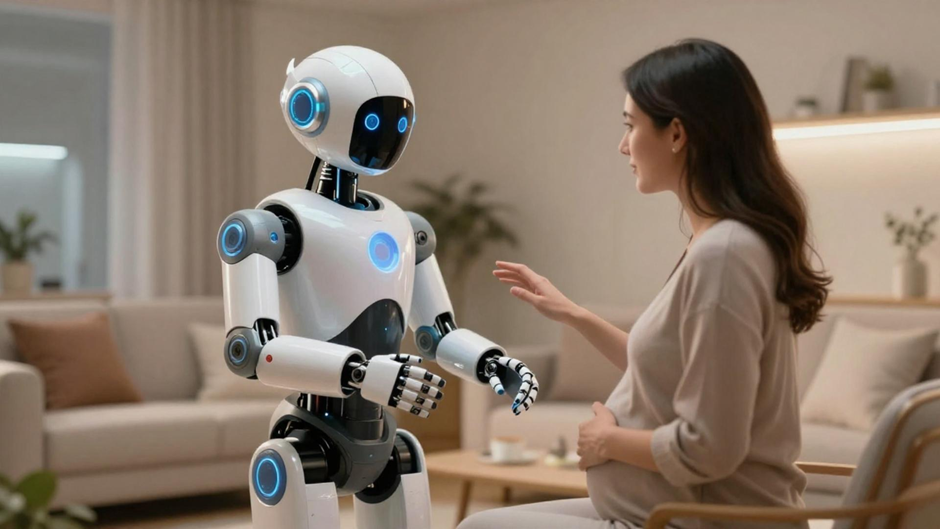
Ethical and Legal Debates: Where Is Humanity Heading?
The announcement of the pregnancy robot has, as expected, sparked a major debate around the world and raised many questions. These debates are as follows:
1. Mother-Child Bond and Psychological Development
One of the biggest concerns is that the emotional bond between mother and child could be damaged by this technology. Pregnancy is not only a biological process, but also a psychological period in which the mother forms her first bonds with her baby, begins communicating with it and prepares for the postnatal period, one could say.
2. Legal and Regulatory Framework
Parental Rights: Who will be the legal parents of a baby born using a pregnancy robot? Will it be the couple who provided the genetic material, or the company that owns the robot?
Children's Rights: To what extent will this technology guarantee, or fail to guarantee, children's fundamental rights? Will a child born through a robot have the same legal rights as children born through natural means?
Commercial Exploitation: Could the commercialization of pregnancy lead to the exploitation of low-income families or disadvantaged groups?
3. Social Role and Perceptions of Women
Feminist thinkers warned many years ago that artificial womb technology could erode women's biological roles and their place in society. The pregnancy robot brings these concerns back to the agenda. If pregnancy could be easily carried out by a robot, how would women's role in motherhood be transformed? How would this change gender roles and expectations?
Future Scenarios and Expectations
Currently at the prototype stage, this technology could open the door to different scenarios in the future.
A Revolution in Infertility Treatment: For couples who are worn out by failed IVF attempts or who struggle to find a surrogate, this robot could be a ray of hope.
Fewer Medical Risks: Risks such as preeclampsia and gestational diabetes, as well as difficult deliveries, could be eliminated thanks to this technology.
The Evolution of Humanity: In a more extreme scenario, the pregnancy robot could permanently change humanity's methods of reproduction. In the future, people may prefer to entrust their genetic material to a robot rather than reproduce naturally.
However, none of these potential benefits means we can overlook the ethical and social costs it brings. As Dr. Zhang also noted, the technology is “still in the maturing stage.” But social debates and legal regulations will also need to mature at the same pace.
What do you think: will this technology benefit humanity, or will it be a step against nature?
CreatorNG1 ve DN1: Yapay Zeka ile Geliştirilen Yeni Antibiyotikler


Yapay Zeka Çağında Siber Zorbalık: Nedir, Nasıl Önlenir?