




Facebook AI Mode Is Changing the Social Media Experience
Automatically translated
 Writer
The social media landscape is being reshuffled. Meta is no longer keeping the AI ecosystem it has worked on for years and funded with large budgets as a background algorithmic optimization tool; it is integrating it directly into the center of the user's everyday experience. The latest of these moves, which change how platforms work, how users behave and traditional internet architecture, is a brand-new feature that is starting to be integrated into the platform: Facebook AI Mode. This development, which aims to revise how users interact with content, information and each other on social media, is seen as the first concrete step of a vision that will also directly affect how people use internet search engines.
What exactly does this mode do on the platform that is starting a new era, which data processing mechanisms does it run in the background, and where is it taking the social media dynamics we have been used to for years?

What Is Facebook AI Mode?
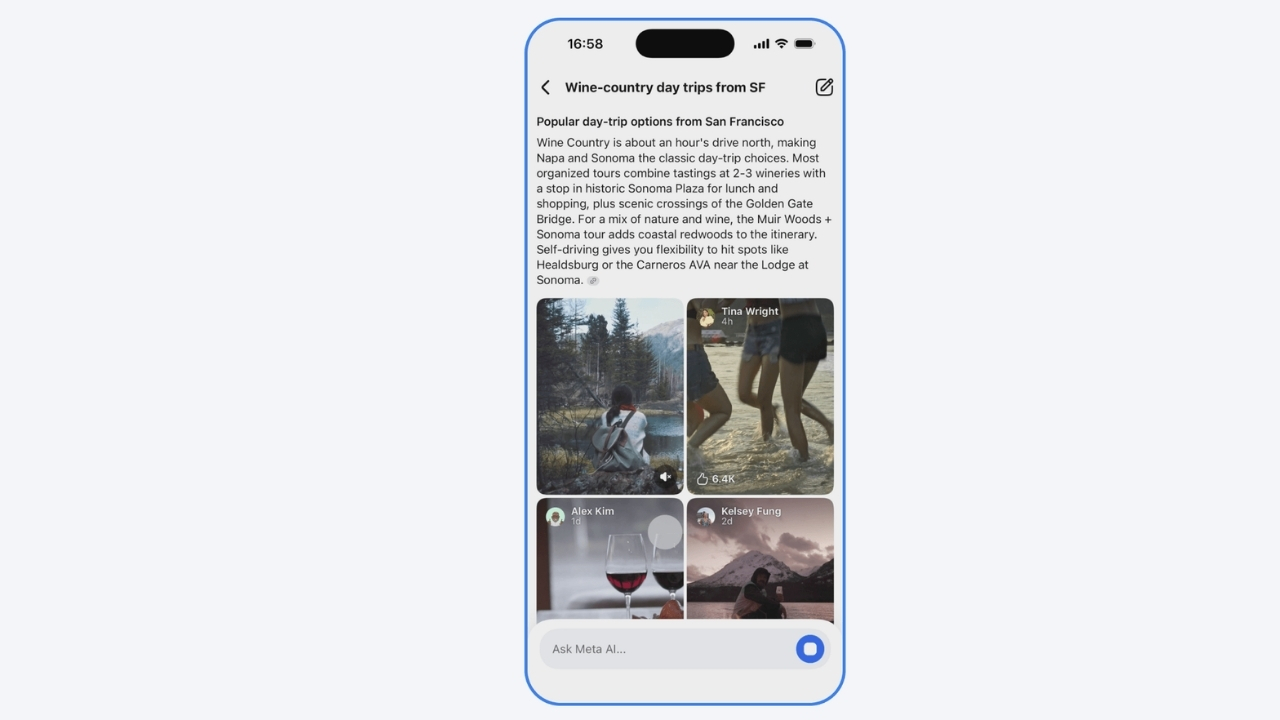
Meta's latest move in AI integration takes in-platform search and information access out of its familiar patterns and into a different dimension. Facebook AI Mode is a feature designed to optimize user experience by letting users run AI-powered searches over the platform's public post pool, integrated with advanced natural language processing models, and answer even complex queries quickly.
Unlike older search engines that pile up results based solely on specific keyword matches, this new mode analyzes billions of publicly available pieces of content in Facebook's data centers in real time, using algorithms that draw their power from Meta's multimodal AI model Muse Spark. As a result, instead of scattered data, users are presented with highly refined, structured, meaningful answers that focus directly on search intent.
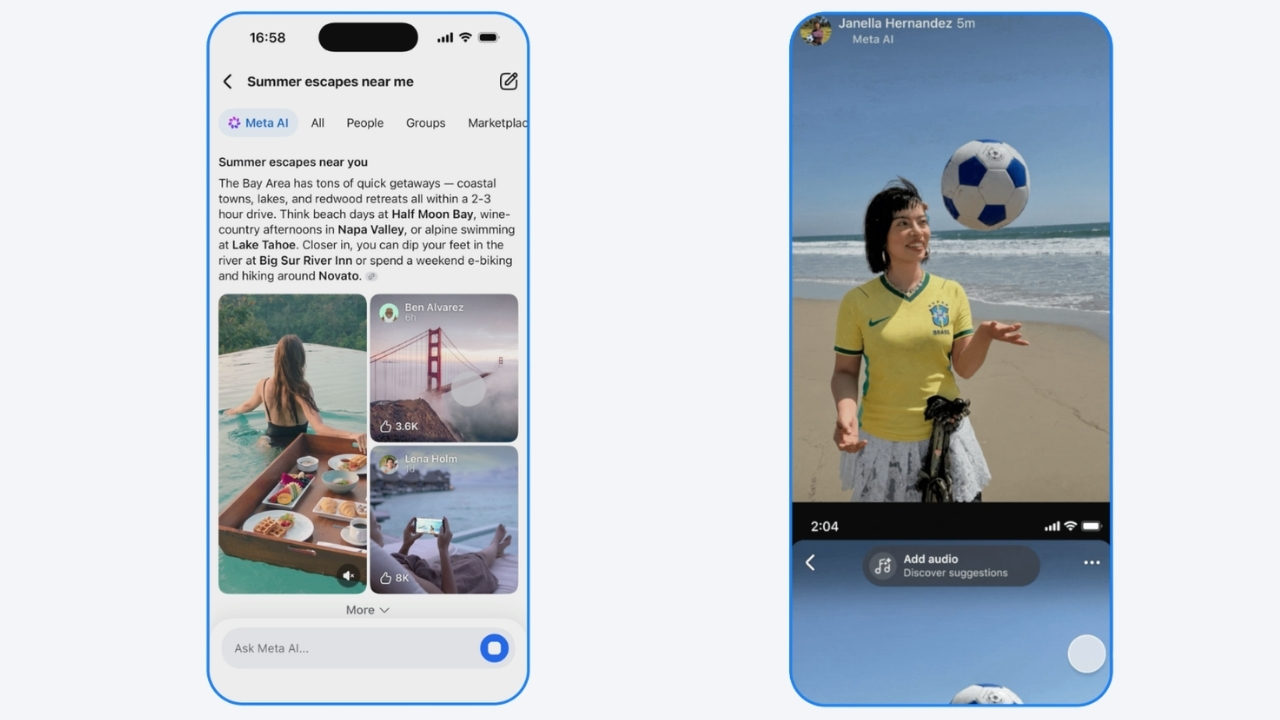
A New Era for Content Discovery
Until now, finding specific information within the complex structure of social media platforms meant trying to guess the right hashtag, scrolling through pages of outdated and irrelevant content, wasting time on spam posts, and ultimately leaving the platform without finding what you were looking for. This new and comprehensive Meta AI integration, however, is permanently changing traditional Facebook content discovery by increasing how quickly users can reach information.
Natural Language Processing Technology:
Users no longer have to type technical terms or limited keywords into the search bar. Thanks to advances in natural language processing (NLP) solutions, they can run searches by asking long, detailed, contextual questions in everyday language, as if an assistant who knows every subject were sitting across from them.
The Power of a Massive Public Data Pool:
The system does not limit itself to crawling classic websites that are standard and well known across the internet. It works by scanning real-time personal experiences, venue reviews, eyewitness accounts of events and current discussions that Facebook users share instantly from all over the world.

Smart Summaries and Contextual Synthesis Mechanism:
For any topic you search for or any current agenda item, the advanced AI engine can synthesize thousands of different trends, prominent opinions and user comments shared across platform layers such as Groups and Reels within seconds, and deliver them to you as a single, fluent summary text free of clutter.
Why Did Meta Take This Step?
Based on analyses shared by leading technology publications and Meta's official announcements, the main motivation and ultimate goal behind this strategic move is quite clear and competitive: to loosen the grip of traditional search engines and gain a decisive advantage over platforms like TikTok that attract the new generation to their own ecosystems.
Especially Gen Z, a generation born into the digital world, prefers to use Instagram, TikTok and YouTube algorithms directly as search engines, rather than getting lost among ads in classic search results when looking for a restaurant recommendation in a city or following breaking news around the world. This shift in how users consume information is forcing social networks to undergo a structural transformation as well.

The company had already signaled that it would fundamentally change platform dynamics with its earlier step of offering an ad-free Facebook and Instagram subscription from Meta to customize the user experience. With Facebook AI Mode, it now aims to completely remove the need for users to leave its platform to get refined information or do research on any topic, and to push user engagement to new heights. Facebook's nearly two-decade digital memory and the vast archive accumulated over that time constitute the most important resource for feeding this new AI model and giving it an advantage over its rivals.
Creative Tools and Multimedia Developments
Meta's innovations for the Facebook ecosystem are not limited to text-based searches and smart summaries. The company, which aims to make content creation easier with AI support, is offering updated multimedia features that include smart cutting tools, next-generation transition effects and custom templates.
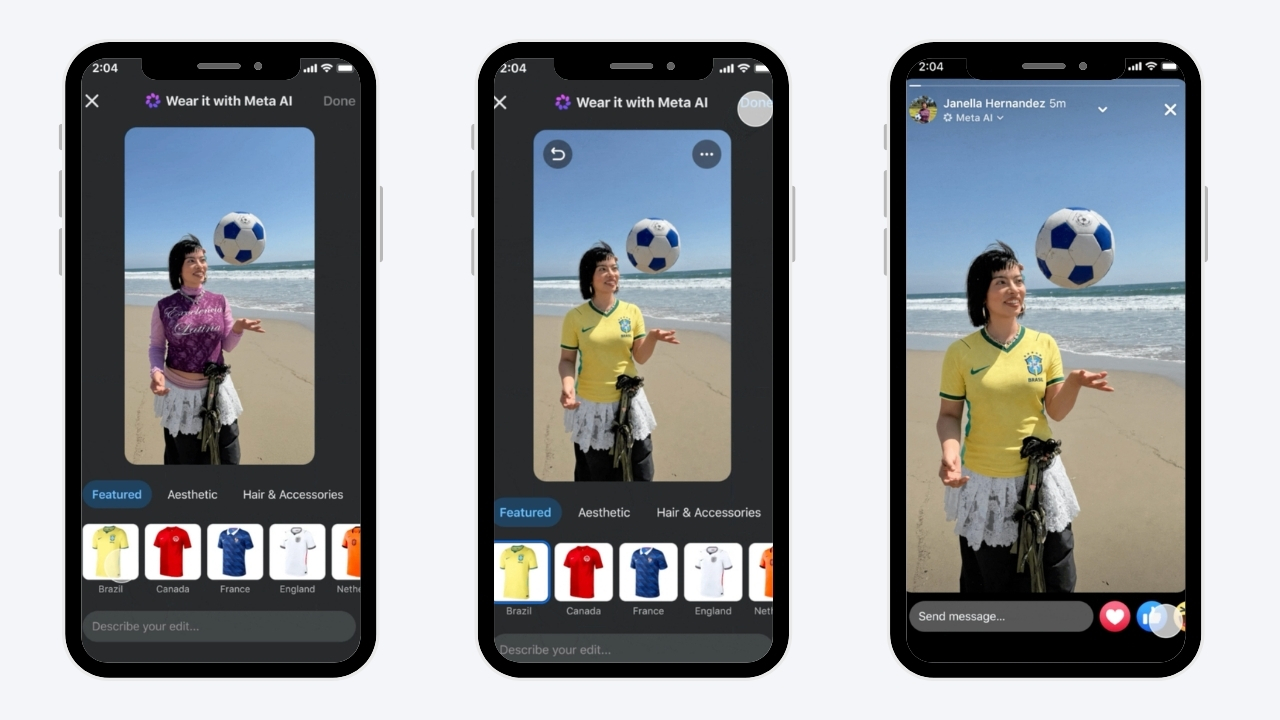
Among the most notable innovations in this scope is a digital wardrobe feature that lets users change their clothes, hairstyles or accessories in their stories and profile photos with AI within seconds. For example, a sports fan can join celebrations by virtually wearing the jersey of their favorite team, or completely recreate their profile picture in a new style with a single tap.
Data Privacy and Security Boundaries
At this point, it is necessary to open a separate note on data security, a topic frequently debated in the technology world and one users are most sensitive about. While designing this new search architecture, Meta appears to have drawn the algorithm's boundaries very clearly in order to avoid violating personal privacy limits.
The search engine being developed is by no means a mechanism that scans every piece of data on the platform without control; on the contrary, it strictly covers only posts that users have shared with the "public" setting, public pages, open Groups and publicly visible community interactions. Therefore, private profiles where users keep their privacy settings, memories shared with restricted friend groups, or personal content open only to their own lists are excluded from this AI model's data processing and scanning pool in every case. Similarly, creative tools such as the smart photo gallery and collage suggestions introduced with the system operate entirely on the user's own consent and can be turned off at any time.
What Lies Ahead?
This transformative step by Meta shows that social media platforms are moving beyond being ordinary social spaces where people simply share photos with each other and post status updates. Instead, it stands as the clearest evidence of their becoming massive information and analysis hubs that are blended with AI, feed themselves, and can produce an instant answer to every question.

When Facebook AI Mode is fully open to users in all regions and the AI models mature by being fed more public data, it has the potential to permanently change our content consumption habits, how quickly we reach information, digital marketing strategies, and even the long-established trends in how people use traditional search engines. In this new era, when technology is being reshaped around artificial intelligence, the source and processing of information are writing the new rules of social media, while users are firsthand witnesses to one of the greatest search and discovery processes in internet history.
WriterAI ile Geliştirilen Oyunlar Steam Next Fest'te Öne Çıkıyor


AI Çağında İnsan Becerileri: İş Dünyasında Denge Değişiyor


