
AI Tembellik Debates Technology World
Automatically translated
As technology companies want to use AI from employees, the description of the same companies with the phrase “AI efficiency” triggers a new trust crisis. There is no more technology in the center of the discussion, management format.

Why A Anda Grows AI Lazyity Discussion?
AI lazyism discussion is not a new culture battle that appeared several weeks ago. The long-term version of discomfort becomes visible. An interesting contradiction occurred in technology companies, especially with the rapid introduction of productive artificial intelligence into the office life: employees are asked to use AI, performance targets are rewriting accordingly, and then companies begin to say that they can work with less employees. The problem on the employee side starts here. Because the bond between the use of AI tools is becoming increasingly visible.
Recent months from events that fire the wick of the discussion HomeThe entrepreneur and investor Paul Graham’s hard output for content written with AI. Graham was actually pointed to a much broader cultural slip when he said that he left to read only signed mails by AI and human. The message here was not only content quality. The discomfort that people lose the visibility of labor in the production process began to talk more. In particular, the line between the knowledge workers “AI to use” and “transmitting to AI completely”.
The table looks more interesting when you look at the data side. While companies increase their AI investments in a record level, employee satisfaction researches do not rise at the same speed. The main reason for this is that the technology itself is not; the way of expression that is accompanied by technology. On the other hand, the message “AI will strengthen you” will be received at the same time. This double meadows trust.
New Printing in Silicon Valley: “Use AI Or Keep Back”
AI in technology companies has now started to go out of the optional skill category. AI usage rates in many teams turn into performance criteria. Especially in software, marketing, operation and customer support teams, employees are expected to include productive AI tools into daily flows. This situation seems logical at first glance because companies are looking for natural efficiency. However, when the direction of printing changes, the employee experience is changing.
The problem for many employees today is not to learn AI. The problem is that the use of AI turn into an efficiency supply. Because when metrics are activated, employees begin to ask the following question: “I will be better working conditions if I produce faster with AI, or do the same work with less employees?” This is exactly where the discussion is hardened.
Especially in the startup ecosystem, it consists of a new culture. Smaller teams, more aggressive growth targets and AI-supported operations. This structure looks attractive for investors because costs fall. But it works another psychology on the employee side. People are now seeing AI tools not only as a productive tool, but as the beginning of redefined their role.
Why did Jensen Huang Meet CEOs?
One of the names that make the discussion more visible was Nvidia CEO Jensen Huang. Huang’s remarkable side was the hard approach to CEOs, who directly explain AI, despite managing one of the companies in the center of the AI hype cycle.
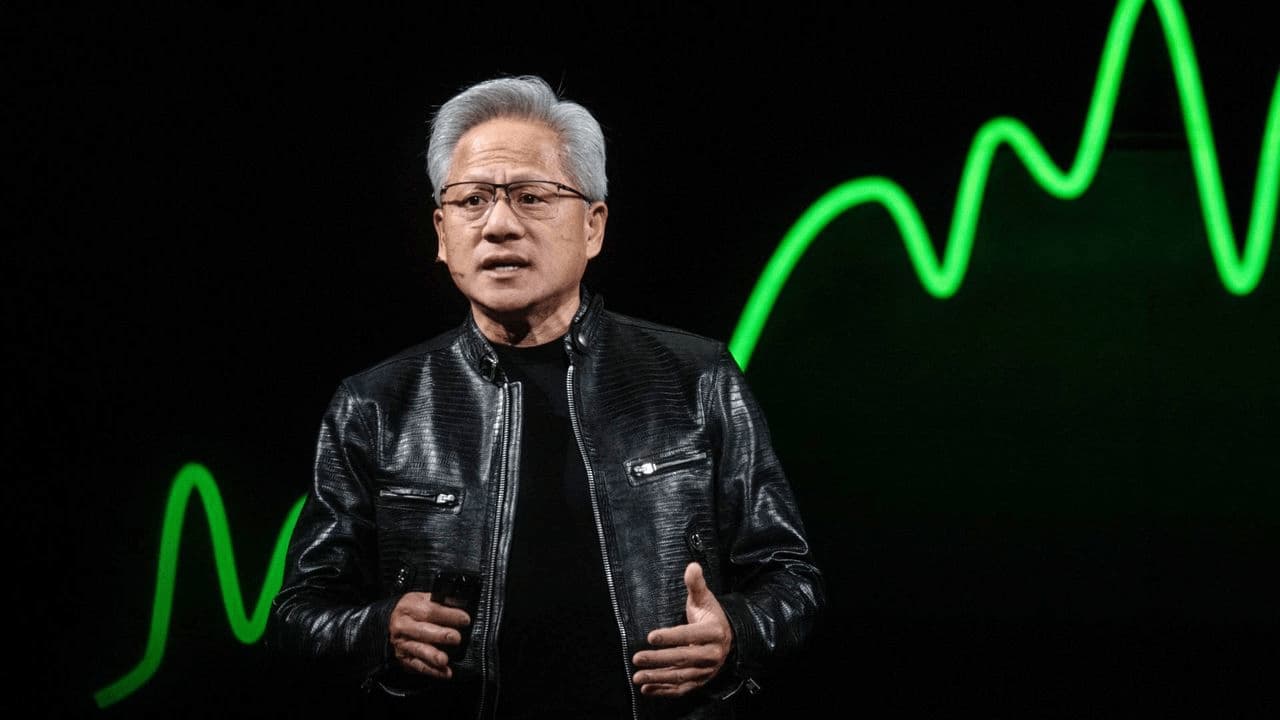
In a statement on an event said:
“AI has arrived again. How can people lose their work from now? ”
This sentence seems simple at first glance, but in fact, summarizes the narration crisis in the technology industry. Because Huang appeals not here technology, but technology. If AI has not yet been fully ripening and most companies are still in the integration phase, it does not seem persuasive in terms of employees who connect all of the work to the AI efficiency.
Nvidia The position is also strategically important. While the company earns billions of GPU sales, it can see that the “AI people leave unemployed” narrative may be toxic in the long run for the sector. Because fear slows down the speed of adaptation. While the adaptation slows down, the return of AI investments decreases.
Jensen Huang’s output was so important. Because for the first time, a leader in the center of the AI economy was taken into consideration loudly on the statement side.
What Does AI Use Complicated Companies Do?
AI-first approach has become one of the most popular management trends in the latest two years. Companies are no longer just buying AI tools; they reshape organization structures around AI. This conversion encounters serious employee reactions in some companies while bringing efficiency in some places.
For example, new recruits in some organizations are expected to produce more outputs with AI than existing employees. This situation creates an invisible print to employees because performance evaluation is no longer only starting to be shaped through the tools used, not through the result of work.
Duolingo example so it was remarkable. The company’s AI-first approach began to give more balanced messages to create intense discussion in the public. Because users and employees asked the same question: “Do they have to support AI employees, or to get their places? ”
AI-first culture stands very efficient on paper. But if the cultural part is designed missing, employees read it as a cost optimization.
Are There Really AI Welded?
When the wave of removing from the work in the last two years of technology companies is examined, the table looks more complex than the company presentations. Many executive investors mention more lean teams, higher efficiency and AI-supported operations. But the important part of the work is actually due to reasons such as the recovery of aggressive growth strategies during the pandemi period, high interest environment and investor printing. Despite this, the perception of the public is another: people lose their work because of AI.
The share of the company communication in the formation of this perception is large. Because some managers are increasing productivity with both “AI thanks to productivity” and “we optimize” message. In terms of employee, this two sentences appear quite clear when the result arises. AI for particularly white collar workers is not only a new tool, but also future positions Home a variable that can affect.

The problem side of the work loss statement with AI arises here. While technology is yet in the full adaptation phase in most sectors, it doesn’t seem to be convinced to connect the entire organizational decisions to AI. That’s why many employees are not AI, but AI questions the format of being described by companies.
Does Employees Not Trust AI, Not to Tell?
A long time sensitive issue in employee trust technology companies. Remote operation conversions, restructurings and continuous changing performance systems have already created a fragile environment. AI’s problem with this equation has become more visible because now people discuss not only workloads, but the future of their roles.
Here is the important point: the large part of employees is not against the use of AI. Even many research shows that teams integrate AI tools quickly into everyday workflows. The reaction is not technology; it consists of the sense of necessity. Because if they expect faster productions than employees, trust is natural.
The concept of “psychological safety” that has been spoken for a long time in the technology world is full of importance here. People should not feel risk before adopting new tools. If employees believe that AI will reduce their role, they also slow down adaptation.
So the essence of the discussion is not lazyness. Trust the essence of the discussion.
Why is Paul Graham’s “AI Summer Mail” Outlet Important?
From the founders of Y Combinator Paul Graham’s AI-produced mails, because he wakes up bigger echo than expected on social media, he said that many people feel loud.
The expression of Graham was:
“I don’t think I read until the end of knowing a mail written by AI. ”
This statement is not only related to email quality. It points to a greater cultural change. Because it’s not only output what people value as productive AI tools are common; it started to be the visibility of labor. Here is an interesting paradox. When companies want more AI usage, users are looking for more human touch. In content production, customer communication and community management, this voltage is increasing. Similar signals are seen in Turkey. In particular, people in technology communities do not ask the question of “Is it produced with AI?” “How many people have contribution?” asks the question.
Does AI Provide Efficiency But Can It Make Trust?
AI tools have been considered to be seriously. Code production, research, content preparation, data analysis and productivity increase in operation processes can be clearly seen. But trust with efficiency does not work in the same equation.
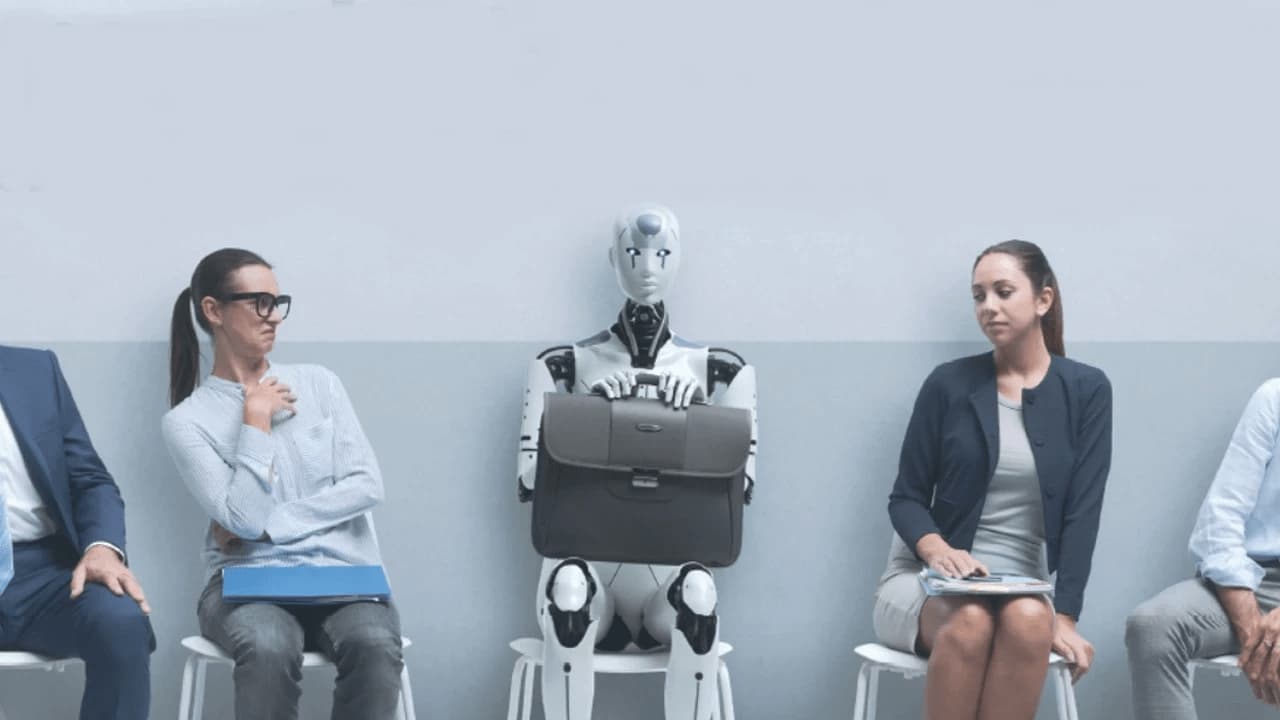
For a company, AI investment can only be achieved short-term gains if it is seen as a cost reduction tool. In the long run, employee engagement can be damaged. Because people work not only for salary, but also for predictability.
Here’s the big error, the same thing of AI ROI concepts with the AI9009. Anyone in an organization can use ChatGPT but this does not mean that the organization manages the transformation correctly. Working experience in successful conversion is also measured.
The winning companies in the future will not only use AI. Organizations that people feel confident about working with AI will stand out.
What Should Companies Learn From This Discussion in Turkey?
AI transformation in Turkey is in the early stage. Large institutions run pilot projects, startup side is more aggressive and SMEs are still trying to understand their use scenarios. That is why trust crisis experienced in global companies are early alert for the local market.
The biggest risk for companies in Turkey is to see AI only as a cost reduction project. Because employees notice it very quickly. Especially in software, marketing and operation teams, AI integration consists of training processes, role definitions and expectations if not installed clear.
Home opportunity is also great. Because many local companies are yet at the beginning of transformation. Advanced teams with the right culture can not repeat errors in global examples.
Frequently Asked Questions (FAQ)
What is the AI lazy discussion?
AI lazyness discussion refers to the discussion that employees become hyper dependent on artificial intelligence and support them with efficiency perception. In the last period, the topic has been lost to the axis of trust crisis.
Why does companies require AI usage?
Because companies aim higher productivity, lower operation costs and faster workflows. But the sense of necessity can create resistance on the employee side.
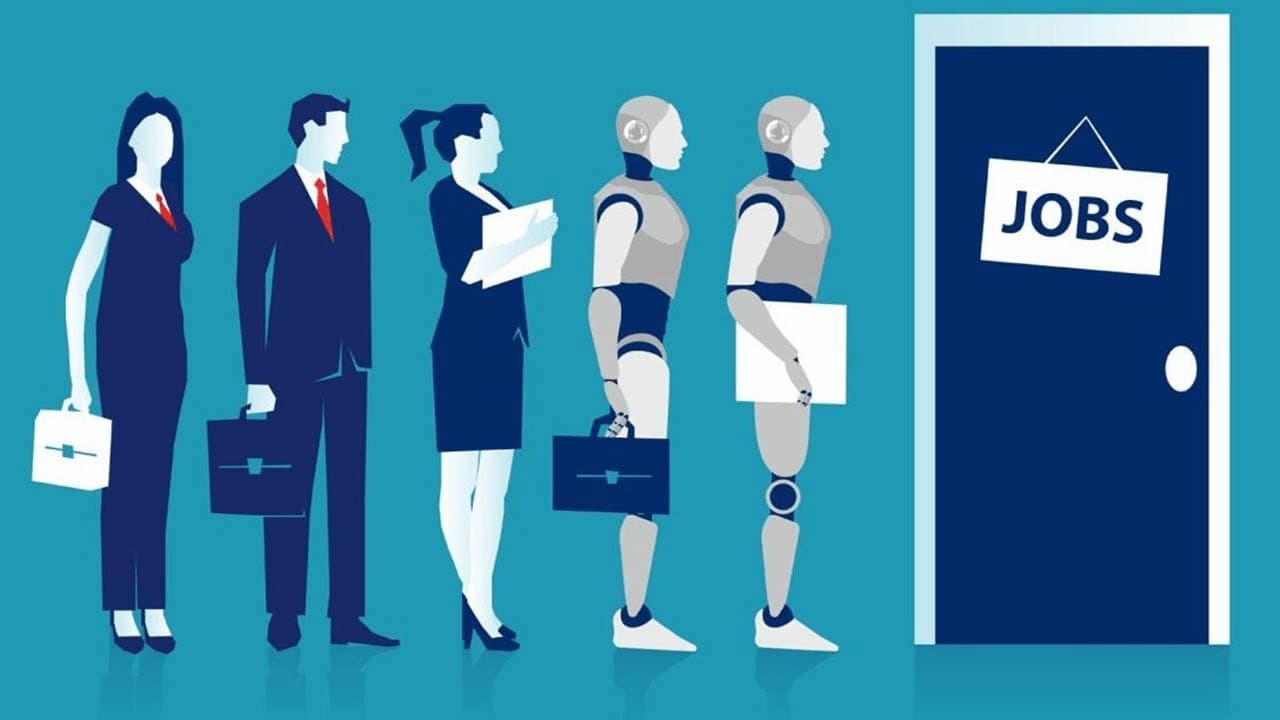
Does AI really cause business removal?
Some areas are experiencing role changes but it does not seem right to explain all of the existing jobs with AI. Economic conditions and investment prints are also important factors.
Why did Jensen Huang criticize CEOs?
Jensen Huang, CEO of Nvidia, said AI does not make sense to connect directly to AI when it is in a very new stage.
How does AI affect employee trust?
Employees are trusted when AI’s productivity tool or whether it’s not sure it’s a labor reduction tool.
What is the biggest risk in AI conversion in Turkey?
The biggest risk is to consider technology separately from cultural transformation. When vehicles are quickly adapted, the employee experience is neglected, the resistance is formed.
The first time in technology world is not the problem model quality. The problem is how companies tell AI story. People are not afraid of new tools. People want to know what means themselves mean.
ChatGPT Finans Yönetimi Özelliği Kullanıma Açıldı


AI İşsizliği Endişesi CEO Gündeminin Zirvesinde!