



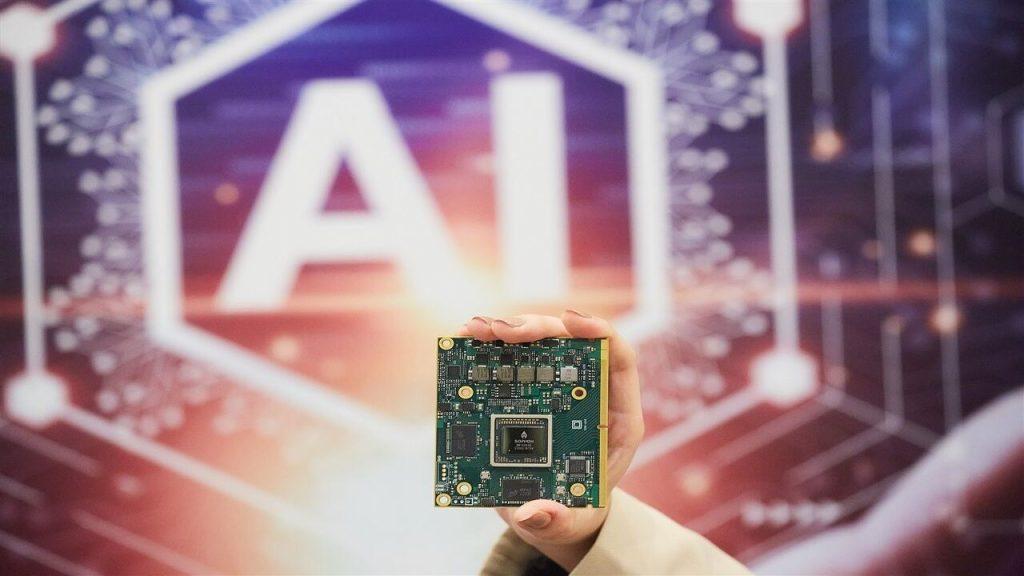
Alibaba's AI Chip Puts It in Global Competition
Automatically translated
 Writer
Alibaba has made a notable move in global AI and chip technology with its AI chip. Although the company is known as a trading venture, most of its revenue comes from cloud computing services. With its new-generation AI chip, it aims to challenge both its own ecosystem and giants like Nvidia.
The Alibaba AI chip, currently in testing, is manufactured by Taiwan Semiconductor Manufacturing. High-capacity, high-performance chips are especially important for training and running AI models. Alibaba previously announced that it would invest at least 380 billion yuan (about 45 billion euros) in AI over three years.
Why are AI chips so important?
In recent years, AI development has increasingly relied on hardware power. In other words, the more processing power available, the more data can be processed. Technologies such as language models, image processing systems, and even autonomous vehicles keep advancing and require high processing capability. At the same time, these rapidly growing technologies naturally bring competition with them. In this context, while US companies have led the field, this role may now be split. As China pushes into AI chips, the technology may reach new dimensions in the coming period.
China's Chip Strategy and Alibaba's Role
Thanks to its H100 GPU, Nvidia is currently positioned as one of the most powerful AI processor makers in the industry. It is worth noting that there is a technology war between the US and China. When export restrictions on processors came up in recent years, Nvidia developed the H20 chip for China. Despite this, Chinese companies began working to develop their own chips. In terms of processing power, the Nvidia H20 does not have the same capacity as the H100. Additionally, the Chinese government pressured technology companies such as Alibaba to purchase the Nvidia H20. It is worth noting that Alibaba is one of Nvidia's largest customers for chip technology.
Features of Alibaba's New AI Chip
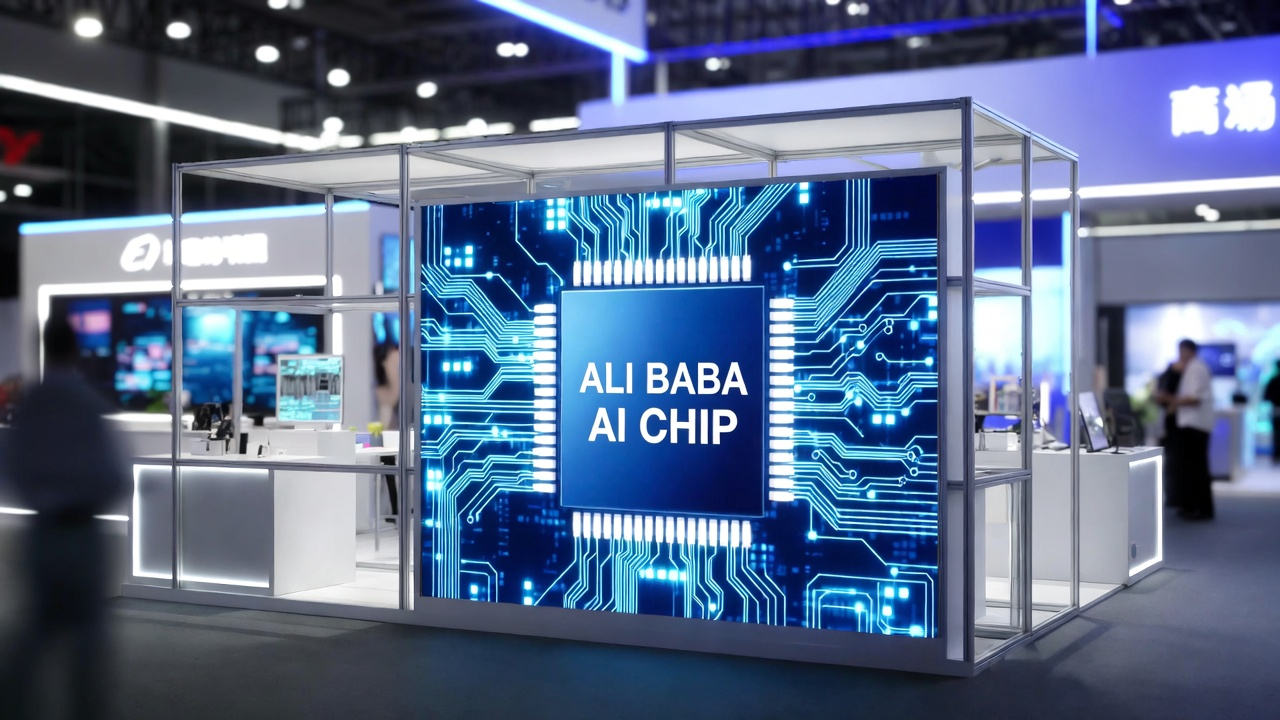
The new AI chip the company introduced stands out particularly for its high computing power, low energy consumption, and ease of cloud-based integration. Most importantly, it is optimized for Alibaba Cloud, the company's own cloud service. In terms of performance, it includes scalable computing power for training large language models. In terms of efficiency, it consumes less energy and therefore offers a cost advantage. It provides seamless integration across different AI fields, making it convenient for multiple workloads. It also runs on Alibaba Cloud infrastructure and is fully compatible with it. These features could make the chip more attractive not only for Alibaba but for AI developers worldwide.
Comparison with Nvidia
As is well known, Nvidia has led the market for years with the CUDA platform and GPUs that form the basis of many AI technologies. However, the Alibaba AI chip could provide a strategic advantage, especially in the Chinese market.
- Cost Advantage: Alibaba may offer more affordable solutions compared to Nvidia. Because the chip is produced domestically in China and will be used primarily in its home market, it offers a cost advantage.
- Accessibility: As US chip export restrictions make access to Nvidia products harder in China, Alibaba's chip offers a domestic alternative.
- Ecosystem Strength: Alibaba Cloud-integrated chip provides an end-to-end solution for users.
While this comparison does not yet place it globally ahead of Nvidia, it is a fact that it has started a planned competition.
A Rival or an Alternative to Nvidia?
Although the Alibaba AI chip is not yet large enough to threaten Nvidia's leadership, the Chinese market offers significant potential. By operating within its own ecosystem, this move could largely succeed in the domestic market. At the same time, it could move the company beyond its e-commerce status and turn it into a globally recognized technology power. The scale of the competition will be determined as the chip is adopted over time.
What Could Happen in the Future?
Several scenarios may stand out in the coming period:
- China's Domestic Market Will Strengthen: As long as US restrictions continue, Alibaba and other Chinese manufacturers could quickly fill the gap Nvidia leaves in the country. Although this worries the US side, its strong infrastructure appears capable of matching the competition.
- Global Competition Will Increase: If Alibaba's chip gains acceptance in international markets, it could become a real rival to Nvidia. It is unclear what time will tell, but both sides may seek to gain an edge through various technological moves.
- Technological Maturity Will Take Time: The fact that the chip is still in testing suggests that several more years will be needed before it can compete on a global scale.
- Diversity in the AI Ecosystem: Developers moving away from dependence on a single manufacturer could create a healthier and more competitive ecosystem. Users may switch between both systems and produce work with a more productive and forward-looking perspective.
WriterEğitimde Yapay Zeka Araçları: En İyi 5 Uygulama 2026


Kumru AI Nasıl Kullanılır? Demo, İndirme ve Sınırları


