




AI Tools in Education: Top 5 Applications for 2026
Automatically translated
 Writer
AI tools in education have become one of the most important technologies transforming the learning process. Students now not only access information but also work with systems that analyze that information, personalize it, and adapt it to their learning pace.

This transformation is improving academic performance while making the learning experience more efficient and sustainable. Traditional education models are increasingly being replaced by data-driven and adaptive systems. In particular, the best AI applications for education in 2026 analyze your gaps and offer solutions tailored to you.
The Impact of Using AI in Education on Academic Success
AI-powered education systems analyze individual learning styles to offer a more effective learning process. These systems eliminate the one-size-fits-all approach of traditional methods.
Personalized Learning Experience
AI analyzes which topics you struggle with, the pace at which you learn, and which type of content you respond to best. Based on this analysis, a learning plan is created for your specific needs. This forms the basis of the personalized AI curriculum creation process.
Improvement in Academic Performance
Research shows that students who use AI-supported education learn faster, need fewer repetitions, and improve their exam performance. In particular, academic research AI tools speed up source finding and analysis, helping you save time.
Benefits for Teachers
AI offers major advantages not only for students but also for teachers. Thanks to automated exam grading, student performance analysis, and content recommendations, teachers can focus more on creative topics.
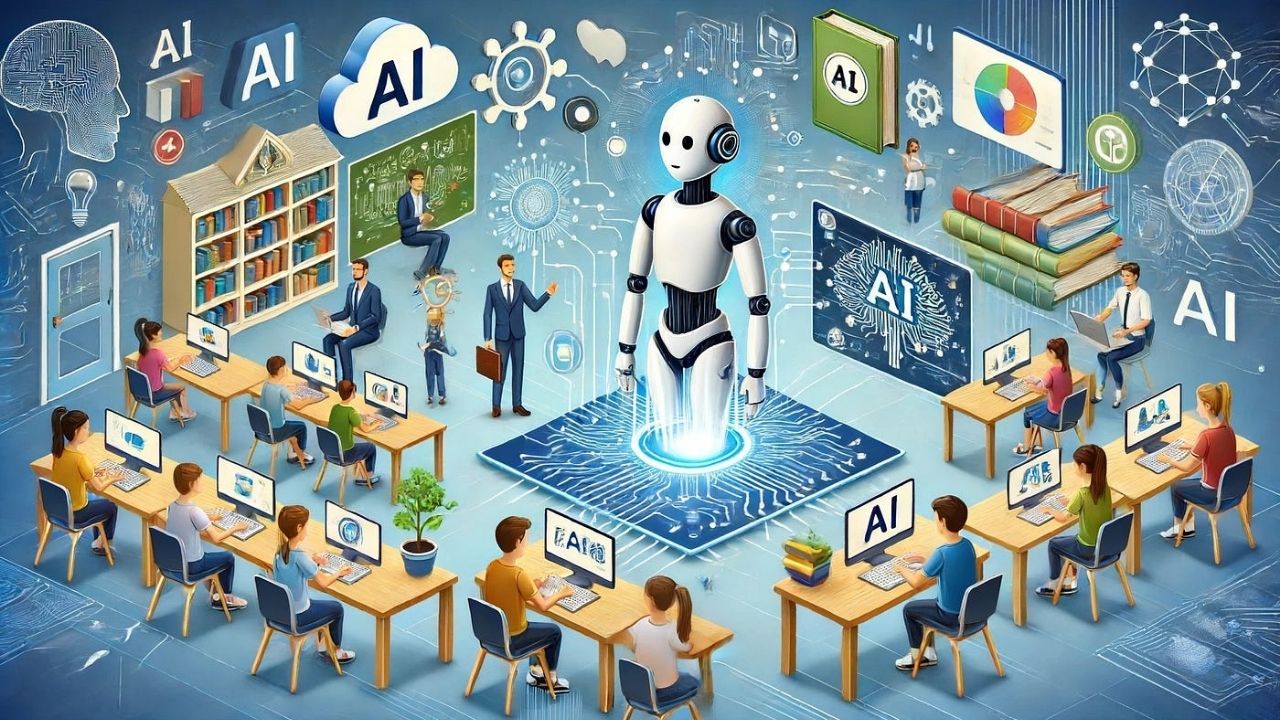
What Are the Top 5 AI Tools for Education in 2026?
In 2026, the standout AI tools for education offer solutions for different needs. ChatGPT, Grammarly AI, Perplexity AI, Notion AI and Khan Academy are among the most widely used.
1. ChatGPT
Can explain lessons
Guides you through homework
Simplifies complex topics
It is especially suitable for students who want to develop AI study techniques.
2. Grammarly AI
Edits academic texts
Offers grammar and style suggestions
Improves the quality of your essays
It saves time when writing theses and articles.
3. Notion AI
Generates automatic summaries
Organizes notes
Creates study plans
It is one of the most popular tools among autonomous learning assistants.
4. Perplexity AI
Provides sourced information
Speeds up academic research
Delivers reliable data
It stands out among academic research AI tools.
5. Khan Academy AI
Teaches at the student's level
Gives instant feedback
Identifies learning gaps
It works much like a personal tutor.
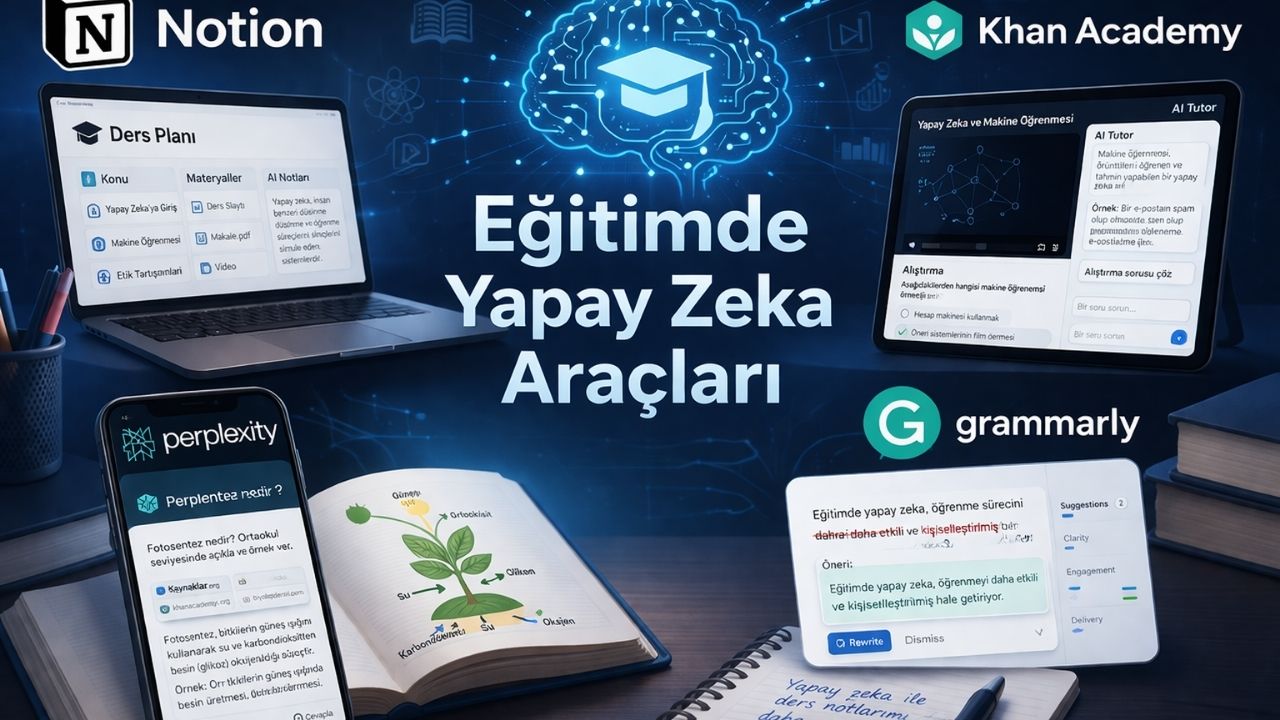
How Can Academic Integrity and Ethical Use of AI Tools Be Ensured?
The spread of AI in education brings ethical debates with it. Academic integrity is a critical issue at this point.
Core Ethical Rules for Using AI
Using AI as an assistant
Avoiding assignments written entirely by AI
Not neglecting to cite sources
Risk of Copying and Plagiarism
Content generated with AI should not be copied directly and should be supported by the student's own interpretation. Otherwise, academic ethics are violated.
Right Usage Strategies
To use AI correctly:
First try to solve it yourself
Then get support from AI tools
Always check the results against other sources
What Are Autonomous Note-Taking and Summarization Systems That Improve Learning Efficiency?
Today, one of the biggest problems for students is information overload.

Automatic Note-Taking Systems
These systems:
Analyze conversations during class
Extract key points
Create organized notes
They are especially advantageous in long lectures.
AI-Powered Summarization Tools
Shorten long texts
Extract main ideas
Offer quick review opportunities
These tools save considerable time during exam periods.
Saving time, improving focus, and providing fast access to information, these systems are among the most effective AI study techniques.
How Are AI-Supported Personalized Learning Paths Created?
While classic education systems offer the same path to everyone, AI creates a learning experience specific to each student.
Student Analysis
AI identifies your strengths, analyzes your weak points, and measures your learning speed.
Creating a Personal Curriculum
Custom study plans are prepared, content sequencing is optimized, and the learning process is accelerated this way.
Adaptive Learning Systems
Systems that change according to your performance, automatically adjust difficulty levels, and provide continuous feedback make learning more effective through adaptive learning systems .

AI Tools in Education, the Learning Model of the Future
AI tools in education are not just a technology trend but also a fundamental building block that will shape the future of the education system. As of 2026, these tools have completely changed how students learn. When used correctly, they improve academic success, enhance time management, and make learning more efficient. However, ethical use must always remain a priority. The AI in education ethics guide prepared by the Ministry of National Education is a resource that both students and teachers should review on this topic.
AI should not replace learning; it should only support it. Students who use AI tools in education consciously gain a major advantage in both academic and personal development. The future of education seems set to continue taking shape alongside AI.
WriterDijital Erişilebilirlik 2026: Yeni Yasal Dönem ve WCAG 2.2

Alibaba AI Çip İle Küresel Ölçekte Rekabet


