Anthropic Expands AI Access to Cyber Security Teams
Automatically translated
 Writer
Anthropic began to provide advanced Claude models and different access levels to verified security teams by expanding cyber security program. The new Cyber Verification Program (CVP) announced on October 6, 2026, covers different needs from defense operations to authorized leak tests and security reviews of critical systems. The program connects access organizations with verification processes and security requirements while aiming to deliver advanced AI capabilities to more security experts.
The program updated by Anthropic combines Project Glasswing initiatives in a common access structure with the Cyber Verification Program previously carried out. Thus, security teams can apply to the level of access to the nature of their activities. The company’s approach is based on managing the risks that can be caused by the misuse of the same capabilities while taking advantage of the security clears of artificial intelligence.
What Changed in Anthropic Cyber Security Program?
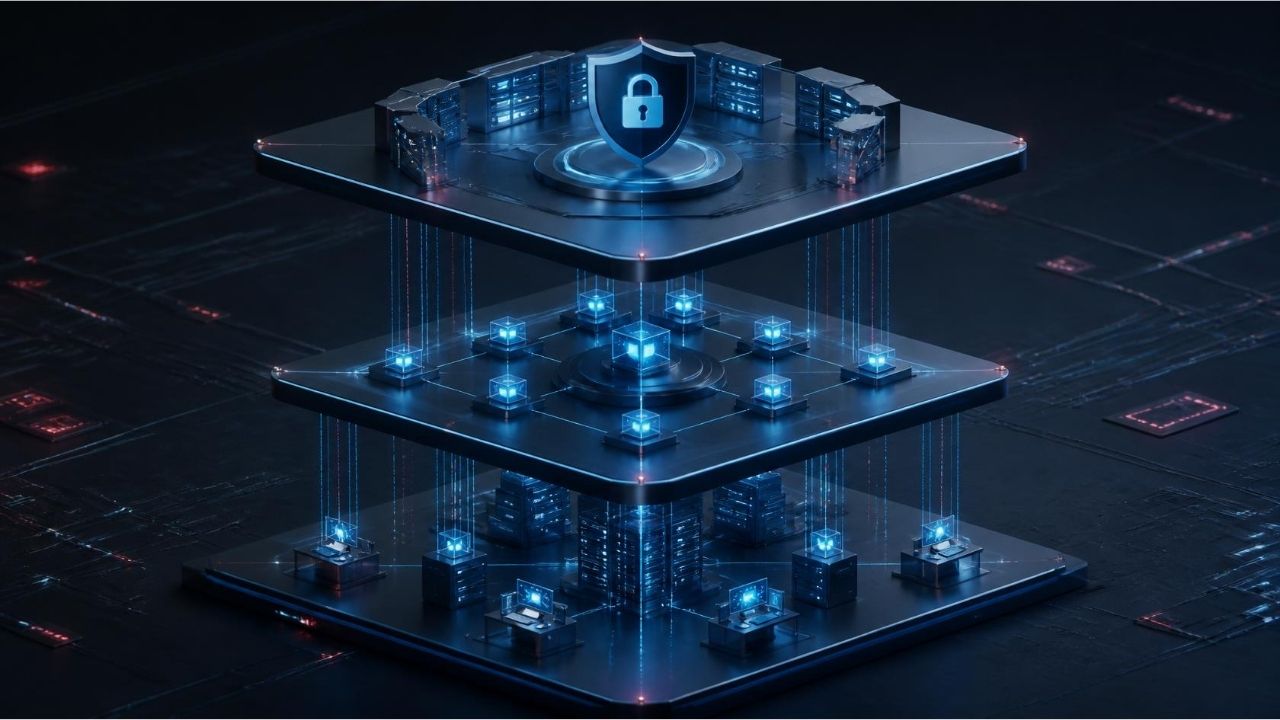
Cyber Verification Program expanded according to the official announcement of Anthropic 6 Octoberoffers advanced cyber capabilities and less restrictive security filters to the appropriate security professionals. Within the scope of the program Claude Opus 5.5, Claude Sonnet 5.5 and Claude Mythos 5.1 models can be accessed. In the future models are planned to be included in the program.
The company has some cyber security tasks to prevent the potential of abuse in public models. Although these measures are intended to limit harmful activities, the harmful software analysis of authorized experts can lead to obstacles during abuse verification and advanced security tests.
The new program differentiates all security controls according to the nature of the work done in place to remove access conditions. Thus, a team that performs controlled attack simulations with a team of security operations does not have to be subject to the same access conditions.
According to the description of Anthropic, the program consists of three access levels:
Access Level | Basic Use Area |
|---|---|
Defense Access | Event intervention, malware analysis and defense studies |
Red Team Access | Authorized leak tests and controlled attack simulations |
Access | Security assessments of critical infrastructures and sensitive systems Home |
Each level is based on the correctness of the relevant organization and the security conditions required. The purpose of the program is to reduce the unnecessary obstacles they face while doing the work of security teams and to ensure more effective use in the defence work of advanced models.
Claude Cyber Security Access Three Levels

Defense Access: Defense Operations
Defense Access focuses on the work carried out to protect their systems and interfere with security events. Security operation centers, incident intervention teams and malicious software analysts are among the target audience of this access level.
Claude models can help examine suspicious files in such studies, assess security alerts, investigate weaknesses in the source code and support incident intervention processes.
For example, when there are a large number of security alerts in an institution, each warning of the experts can take time separately. Artificial intelligence can make it easier for analysts to categorize relevant records and reveal potential connections.
However, a finding produced by the model should not be considered to be a verified vulnerability or a exact threat indicator. Results must be verified by technical tests and evaluated by competent personnel of intervention decisions.
Red Team Access: Authorized Order Tests

Red Team Access covers the work of institutions to test security defenders with controlled attack scenarios. Red team teams are trying to identify weaknesses in systems by mimicing the methods that real attackers can use in the permitted limits.
Advanced artificial intelligence models can contribute to the examination of test scenarios in this process, correcting security open and evaluation of the effectiveness of the defense mechanisms. Review of relationships between different components in particularly large software systems can expand the scope of security research.
However, this access level does not mean unlimited attack authorization to any system. It is necessary to carry out tests in the framework of authority, designated scope and applicable safety rules.
The important thing here in terms of corporate decision makers is to perform artificial intelligence-supported tests in accordance with the current security policies. Limitation of test environments, retention of access logs and auditing high-impacting processes are among the basic parts of this process.
Access: Security of Critical Systems

Extended Access is designed for organizations that meet employee and additional verification requirements on high precision systems in terms of security. The technologies that can affect energy networks, flight systems and public security are among the examples of the evaluations in this field.
The effect of a software deficit in such environments can not only be limited to data loss. Results may occur, such as stopping production processes, disruption of physical operations or interruption of basic services.
The access of Anthropic to certain organizations under Project Glasswing is moved to the new structured Access level. This transition enables critical software to be maintained under a broader program for safety.
What Does Project Glasswing Results Show?

The new program of Anthropic is installed on the security works of the company previously. Project Glasswin gIt was created in order to determine the security openings in critical software and speed up their removal.
According to the description of Anthropic 6 October 2026, Project Glasswing partners identified at least 129000 verified software vulnerability in April-July 2026. The scans on the open source software of the company revealed 5,500 additional verified open from April-October 2026. Anthropic reported that the specified openings are classified in 33.000 critical or high importance ratings.
These figures indicate that artificial intelligence can be used on a wide scale in security research. However, the number described should not be removed as the result that all the software represents or detected can be converted into attack. Data reflects findings that the company’s program and its own screening activities are reported.
Anthropic shared results from CyScenarioBench to evaluate the impact of access levels on security. According to the description of the company, Claude Opus 5.5 blocked 46 of 50 tasks under the protections at the Defense Access level. In Red Team Access level, the model did not block any task and completed 34 of 50 tasks.
These results show how security filters differ between access levels. However, a single review cannot prove how safe the model is against all attacks in the real world. Test results should be interpreted within the framework of the scenarios and evaluation method used.
How to Affect AI Cyber Attack Defense Balance?
The role of artificial intelligence in cybersecurity is not limited only with the faster operation of defenders. The same talents that can be used in tasks such as finding security open, analyzing the source code and assessing attack scenarios can make the job of malicious actors.
This double-use structure, How to manage access to advanced modelsni turns into a matter of important corporate security.
Detection Time of Security Opens Can Be Shortened
Experts in traditional security reviews can spend a significant amount of time to evaluate large code bases and investigate potential weaknesses. Artificial intelligence-supported analysis tools can help researchers make priority by identifying suspicious code parts.
Especially in large software projects, it can take time to examine links between different modules and investigate possible errors scenarios. Artificial intelligence can offer candidate findings to researchers in this process and accelerate repetitive analysis tasks.
Despite this, a possible description of a model does not mean that this deficit is true. Validation of findings with repeatable tests, measuring the effect and eliminating it with a proper correction.
News on the detection of the zero daylights of artificial intelligenceIt offers an additional resource to understand the scope of automatic security research and technical developments in this field.
Increases Defense Capacity of Institutions

Security teams can use artificial intelligence to examine incident records, associate threats indicators and assess intervention options. These applications can improve operational efficiency in large organizations working with numerous systems and security alerts.
For example, a security analyst may have to examine different system records that may be associated with the same event. Artificial intelligence can help classified these records and identify possible relationships. Thus, experts can separate their time to events requiring more technical assessment and verification.
However, the implementation of artificial intelligence outputs directly into production systems can give new risks. A wrong recommendation may grow missing analysis or faulty automated trading existing security issues. For this reason, human audit is critical to limit access authorities and keep transaction records.
It is possible to Benefit from Similar Vehicles in Saldurgans

Advanced models can also be abused by attackers, finding security clears and automated technical tasks. Therefore, AI cyber attack defense strategies should not only have access to more powerful tools. Reduce attack surface, protect credentials, implement software updates, and close security open quickly should be part of these strategies.
Details on cyber attack on Hugging Face infrastructureThe security incidents including artificial intelligence agents and measures that institutions can take against such risks.
The main thing here is that artificial intelligence is not only waiting to be used on the defense side; but also creating security architectures that take into account the possibility of abuse.
How to Integrate Security Teams to Organizations of Artificial Intelligence?
Anthropic’s program brings an important question to corporate decision makers: Which teams to advanced artificial intelligence models have access to what tasks and what extent?
When the access level is determined in an enterprise application, the security needs of the organization should be evaluated together with existing competences and data policies. Focusing only on the technical capacity of the model, the operational risks that may arise during use may be missed.
Authorization And Access Control

The model should be clearly defined to which systems, files and security tools. The authorization required to change in production systems with the necessary access to a model’s source code review should not be the same.
Only the necessary permissions to complete the task in accordance with the minimum authorization principle are defined. Unnecessed access should be limited and authorizations should be reviewed regularly.
Human Control And Process Records
Critical transactions and high-impact changes are subject to inspection of authorized personnel. Instead of applying a correction recommended by the model directly into the production environment, it is preferred to evaluate it in the test environment first.
Registration of the tools used by the model, the transactions and the recommendations generated by it is important for auditability. These records can help determine the causes of errors and review after security events.
Controlled Test Environments
Safety tests should be carried out in separated environments from production systems as possible. Thus, the effect of a faulty process or unexpected model behaviour on real systems may be limited.
Specifically target systems in leak tests, the time interval of the permitted processes and the test should be determined in advance. The scope of artificial intelligence-supported tests should be compatible with these limits.
Open Management And Priority
It should be taken primarily according to the degree of importance to the detected security openness, the possible effects and the context of the system’s use. It is not enough to find only a deficit; the information of responsible teams needs to be retested after the implementation of the correction.
In this process, artificial intelligence can assist in tasks such as classification of technical findings and editing related records. The final risk assessment should be made in accordance with the security policies and expert assessment of the institution.
What Does Anthropic Understand For New Program Institutions?
With this step in the Anthropic cyber security field, it aims to reach more defense teams of advanced artificial intelligence models. Three-level access structure separates different needs, such as security operations, authorized attack simulations and evaluation of critical systems.
The success of the program will not only depend on providing more drying access. The effectiveness of verification processes will also be decisive in the timely removal of the performance and detection of security controls in real use conditions.
Basic matter in terms of corporate decision makers, not to put artificial intelligence into the existing security processes, it can be controlled and positioned as a measurable tool. Security teams have to strengthen authorization, verification and human control mechanisms while benefiting more than AI systems.
The approach of Anthropic also shows that access to advanced artificial intelligence models is not only determined by technical capacity. The identity, operating area and security controls of organizations are important in which conditions of these capabilities can be used.

Frequently Asked Questions
What is Anthropic Cyber Verification Program?
Cyber Verification Program is the Anthropic program that offers advanced Claude models and differentized security controls based on tasks. The program expanded in October 2026 contains three levels of access.
Claude What Can Be Used In Cyber Security Works?
Security vulnerability analysis, incident intervention, malicious software review, authorized leak tests and evaluation of critical systems can be used in tasks.
Cyber Verification Program Open to All?
No. For advanced cyber capabilities and more flexible security controls, organizations need to meet the verification requirements of the program. Access depends on the referenced level and related safety conditions.
Anthropic Why Limits Access to Cyber Security Models?
Ability to detect security open and test software can also be used for malicious purposes. Anthropic aims to support defense work and reduce the risk of abuse by limiting access to verified teams.
Can Artificial Intelligence Cyber Security Specialists Place?
Artificial intelligence analysis can speed up priorities and some testing processes. However, the verification of findings continues to require expertise and human audits to evaluate risks and provide critical intervention decisions.
Writer