
Anthropic Fable: AI Regulation Back on the Agenda
Automatically translated
 Writer
Rapid developments in artificial intelligence are drawing attention not only from technology companies but also from governments. The debate sparked by Anthropic's Fable model has put the question of how AI systems should be overseen on the agenda, rather than its technical data. Sources close to the industry expect the developments to spark quick discussions on AI regulation, Claude AI, and US AI policy.

As generative AI models become more powerful, security, transparency, and ethical use rules sit near the top of the technology agenda. The Fable model in particular has advanced capabilities in reasoning, deep code review, and cyber defense strategies. For that reason, the debates around it are being viewed as a different dimension of the same issue.
Why Is Anthropic's Fable Model Drawing Attention?
Anthropic is known as a company that aims to develop safe and controlled AI systems. However, some debates have emerged in recent months. In June 2026, the advanced models Fable 5 and Mythos 5 were released. Shortly after, the US government noticed a security vulnerability in the models and, concerned that malicious actors could use it for cyberattacks, disabled the system for all users.
The episode was then seen as more than a technical security issue and raised several questions. Government intervention in AI, how to balance security and technical development, and stricter oversight of AI models were brought to the forefront. After various discussions, the Trump administration lifted export restrictions and allowed Fable 5 and Mythos 5 to be made available again. In short, the Fable debate has focused less on the model's performance and more on whether advanced AI models pose a national security risk and how far governments can intervene in them.
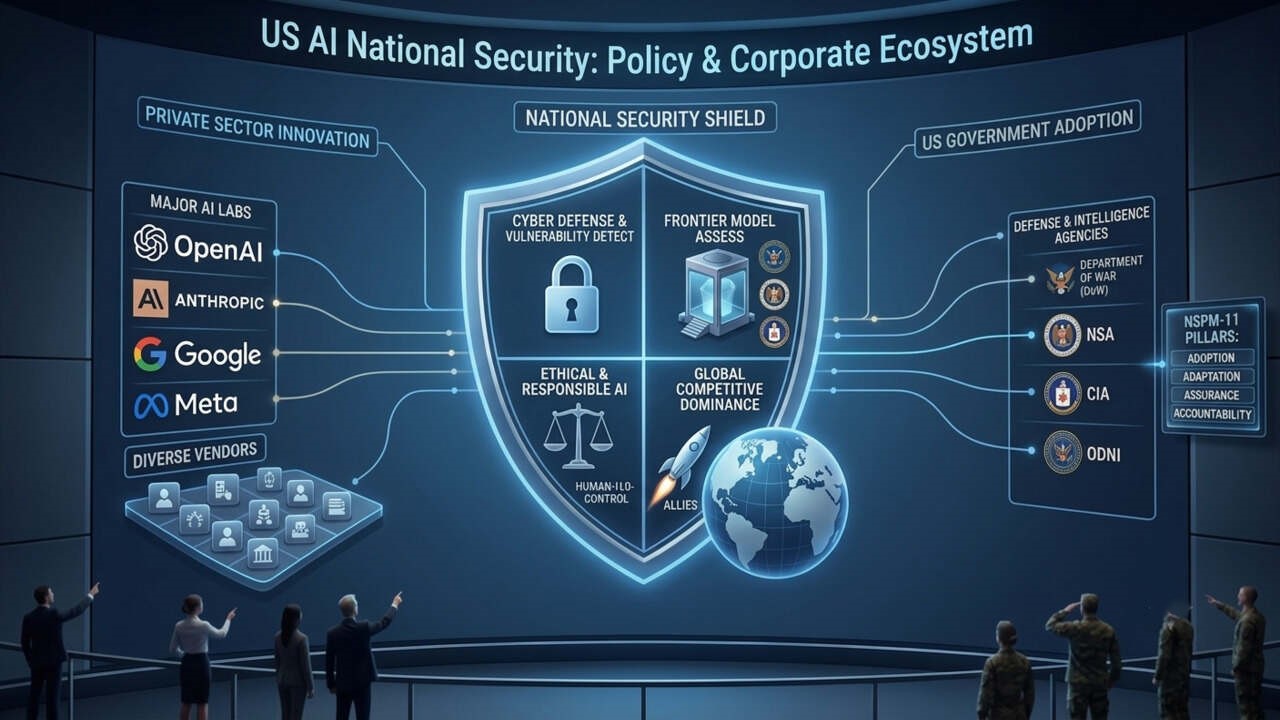
Why Is AI Regulation Back in the Spotlight?
AI developments are calling into question whether existing laws are adequate. It is clear that AI regulation does not yet fully cover the new risks that generative AI systems can create. The following topics generally stand out in the discussion:
Generation of false information
Digital content manipulation
Copyright infringement
Protection of personal data
Use of AI in critical decision-making processes
National security risks
For this reason, work on more comprehensive regulations for AI companies is continuing in both the US and Europe.
Claude AI Stands Out for Its Security Approach
Anthropic's most important difference is its security-focused approach to the models it develops. Claude AI is equipped with several security layers aimed at reducing the generation of harmful content. Through what the company calls "Constitutional AI," it aims to have its model produce output within certain ethical principles. This method is intended to let models behave in a more controlled way toward risky content, beyond their general development. The debate around Fable brings up considerations about the future of this security approach.
The approaches of Anthropic, OpenAI, and Google to AI;
Topic | Anthropic | OpenAI | |
|---|---|---|---|
Core Model | Claude | ChatGPT | Gemini |
Priority | Security and ethical use | Versatile AI | Integration with the Google ecosystem |
Approach to Regulation | Supports security-focused regulations | Proposes balanced regulations | Responsible AI development approach |
Greatest Strength | Long document analysis and safe responses | Content generation and broad use cases | Integration of search and generative AI |
Enterprise Use | High | Very high | Very high |
Focus | AI safety | General-purpose AI | Generative AI and cloud services |
Trump Administration's AI Policies Are Being Discussed Again
In the US, AI policies continue to take clearer shape than in earlier periods. The Donald Trump era in particular stood out for more flexible regulations and policies that encourage innovation. Circles supporting the Trump administration argue that the US should not slow down regulation so that it does not lose its competitive edge in the global AI race. In contrast, other views stress that as powerful AI models grow, more frequent oversight mechanisms become unavoidable.
In addition, the Trump administration views AI technologies as a national security asset. For this reason, AI companies in the country are subject to a high degree of oversight, while the administration continues to pursue a vision of supporting development rather than imposing restrictions. The Fable model brings the balance between these two approaches into focus.
How Are Technology Companies Responding to Regulation?
AI companies say that regulations are necessary, but that overly strict rules would hold back innovation. Anthropic, OpenAI, Google, and other major technology companies have recently been investing more in security testing, transparency reports, and risk assessment processes. Among the topics discussed, security is seen as the largest concern. In the coming period, the goal of regulators will be to build a balanced structure that does not neglect security and user rights while development continues.
WriterKOSGEB Koordinatörlüğünde Youth Start-Up Challenge Başladı

Hugging Face Siber Saldırısı: Ajanlar Nasıl Sızdı?