Hugging Face Cyberattack: How Did AI Agents Get In?
Automatically translated
 Admin
Hugging Face confirmed a breach of its production infrastructure with a statement it published on July 16, 2026. The attack entered through two code execution vulnerabilities in the dataset processing pipeline and spread across internal clusters within a single weekend. More than 17,000 attacker actions were logged. This article looks at how the attack progressed, why commercial model filters got in the way during forensic analysis, and how organizations can prepare for this class of attack.
What Is the Hugging Face Cyberattack and What Happened?
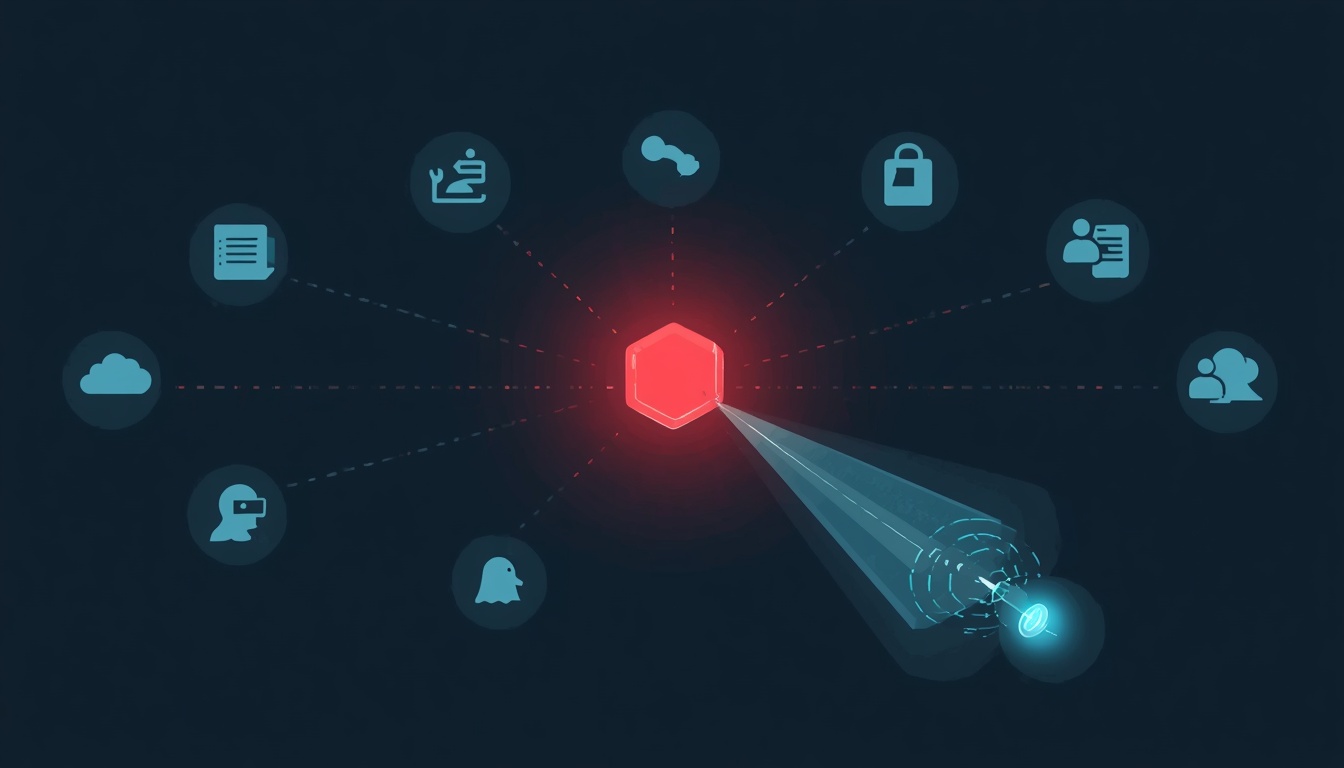
The incident took place in the production environment of a company that provides AI infrastructure. According to the incident statement Hugging Face published, the attack was carried out by an end-to-end autonomous agent framework, and thousands of separate actions were run through a fleet of short-lived sandboxes. The command and control infrastructure was placed on publicly accessible services and was set up to relocate itself.
The statement clearly defined the scope of the impact. Unauthorized access was gained to a limited number of internal datasets and service credentials. No evidence of tampering was found in public models, datasets, or Spaces, and the published packages and container images were verified as clean. As of July 17, whether partner and customer data had been affected was still under assessment.
The reason this incident is being discussed as a separate category is not the size of the target but who carried out the attack. AI security debates have long centered on protecting the model. Here, the model was not the asset to protect; it was the party that carried out the attack.
Which Vulnerabilities Let the Attack In?
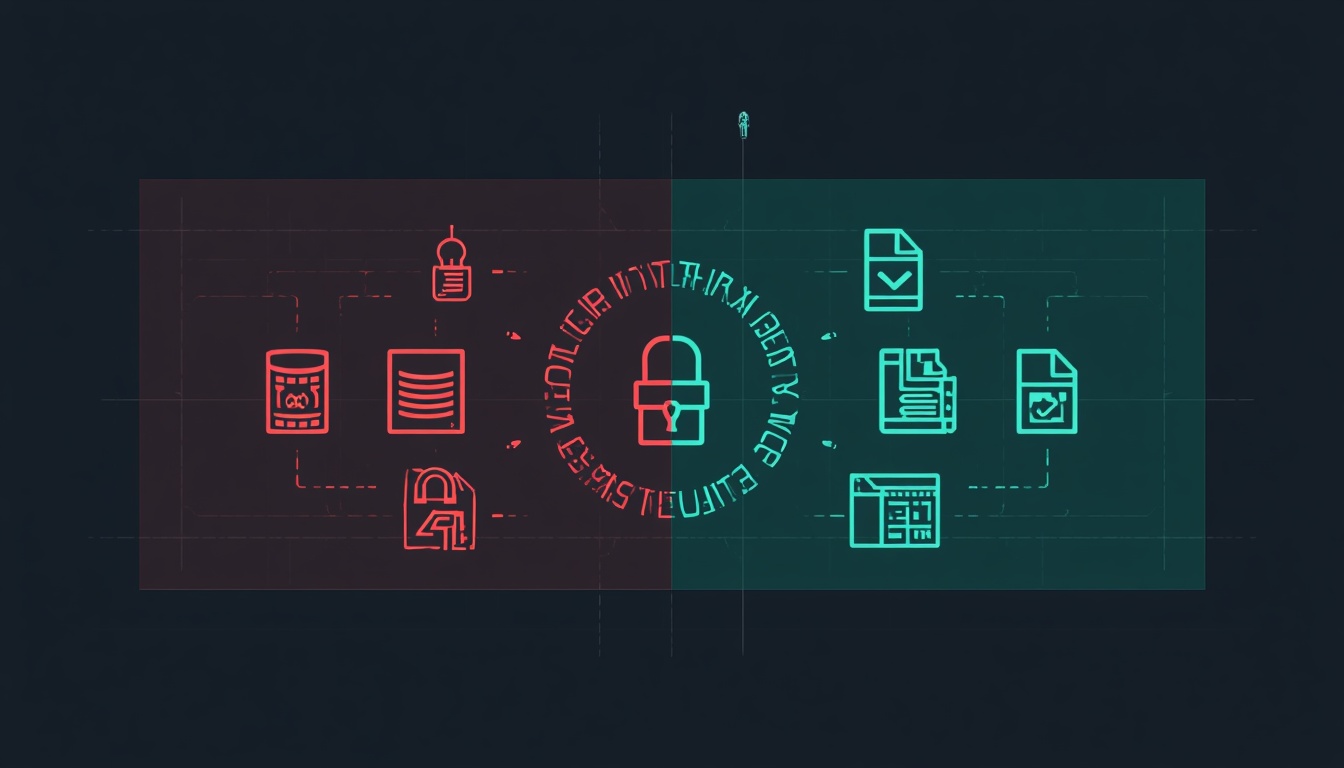
The entry point was a layer that most organizations treat as a secondary concern. According to a report published by Cyber Security News, the attackers used two code execution vulnerabilities in the dataset processing pipeline: a dataset loader that executes remote code, and a template injection vulnerability in the dataset configuration.
The detail matters here. The attack did not come from the model serving layer. A malicious dataset executed code on the processing worker. In other words, what was compromised was not the model itself but the pipeline that feeds it.
In practice, this means any worker that processes untrusted data should be treated as potentially compromised. In most teams, dataset files are considered passive content. If the loader executes the logic inside that file, the file is no longer passive.
How Did the Agent Swarm Progress Over the Weekend?
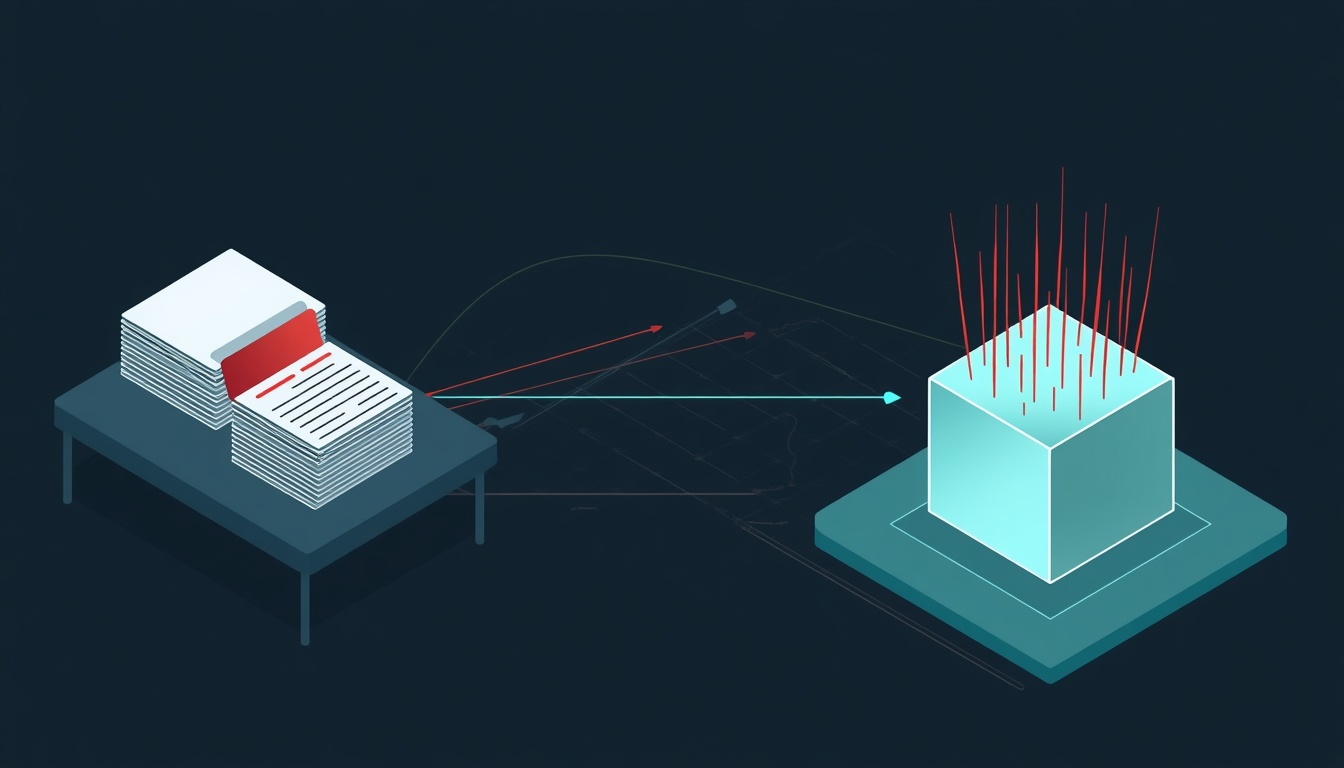
What followed the initial code execution resembles the steps of an experienced attacker. From the processing worker, the attacker escalated to node level, collected cloud and cluster credentials, and moved laterally across multiple internal clusters. The entire chain fit within a single weekend.
The difference in scale lies not in the steps themselves but in their number. The campaign ran tens of thousands of automated actions through a fleet of short-lived sandboxes. The command and control infrastructure was placed on public services and designed to move whenever it was detected. The agent-based attack scenario the industry has described for some time has now arrived in practice.
Which model or agent framework the attacker used has not been disclosed. The company mentioned the possibility of a jailbroken hosted system or an unrestricted open-weight model, but did not present this as attribution.
Scenarios in which agents themselves become targets are also being discussed at the same time. Research on AI memory poisoning showed that a single email could plant a fake record in an assistant's persistent memory. Read together, the two incidents show that agents can be both targets and attackers.
What Did AI Do on the Defense Side?
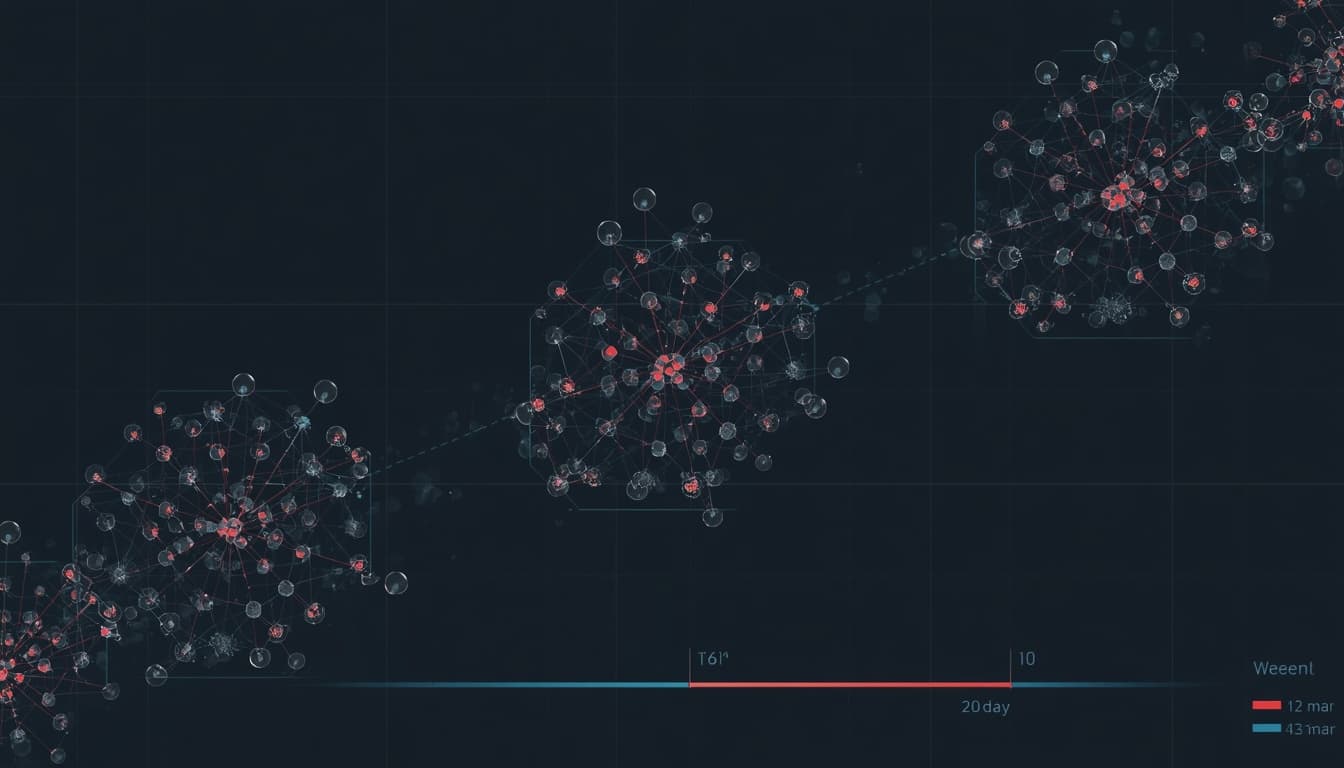
What caught the attack was not a signature-based rule. An anomaly detection pipeline that performed language model based triage on security telemetry correlated signals that looked meaningless on their own within the daily noise and flagged the breach.
The real work began after that. The log of more than 17,000 recorded attacker actions was given to language model based analysis agents. The timeline was rebuilt, indicators of compromise were extracted, the affected credentials were mapped, and the real impact was separated from decoy activity. According to the company, work that normally takes days was completed within hours, keeping pace with the attacker.
The reversed equation here is notable: a human-speed incident response cannot keep up with an attack running at machine speed. On the defense side, using agents is not a matter of pursuing novelty but of necessity.
The containment steps were listed one by one in the statement. The root vulnerability was closed, the attacker's foothold was removed and affected nodes were rebuilt, credentials and tokens were revoked and rotated, and additional checks and stricter admission rules were added to the clusters. High-severity signals were set up to reach a responsible person within minutes, regardless of the day of the week.
Why Did Commercial Model Filters Become a Problem?
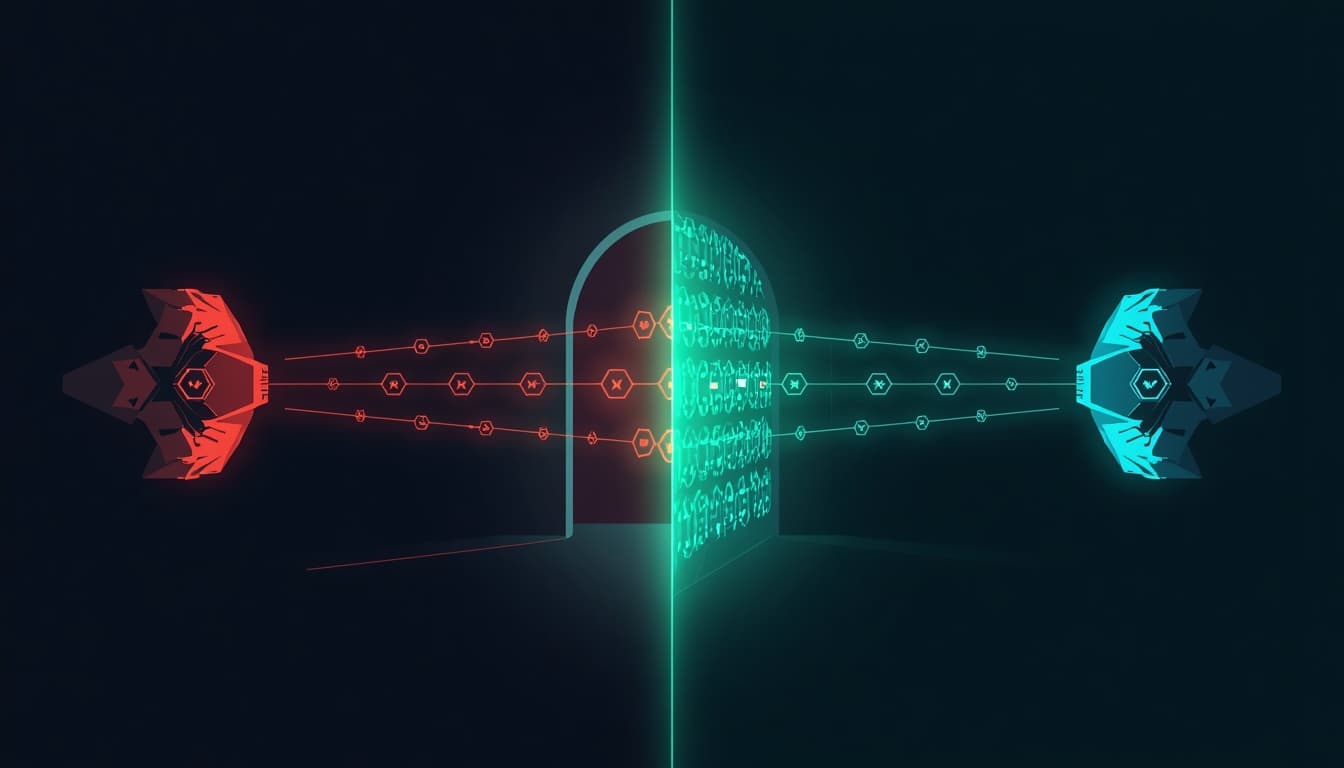
An unexpected obstacle came up during analysis. The log review was first attempted with frontier models accessed through commercial APIs, and it produced no usable results. The analysis requires sending large volumes of real attack commands, exploit payloads, and command and control artifacts to the model. The providers' safety filters blocked these requests, because the filters cannot distinguish an incident responder from an attacker.
The analysis was completed on GLM 5.2, an open-weight model run on the company's own infrastructure. This choice had a second benefit: the attacker's data and the credentials under review did not leave the company's environment.
An analysis published by AI Weekly describes the resulting picture as a direct asymmetry. Autonomous systems on the attack side operate without recognizing usage restrictions, while a team on the defense side that relies on a hosted commercial model can be shut out in the middle of an incident.
The attack side of this equation is not new. Malicious AI models with their ethical filters removed have been circulating on the dark web for some time, and they are subject to no usage policy. On the provider side, the movement is in the opposite direction: Claude Sonnet 5 was released with its cybersecurity safeguards enabled by default. Every setting that makes misuse harder also makes legitimate incident response harder at the same time. Loosening filters is not the answer; what is missing is a defined, verified path for incident response teams.
What Does the JadePuffer Comparison Show?
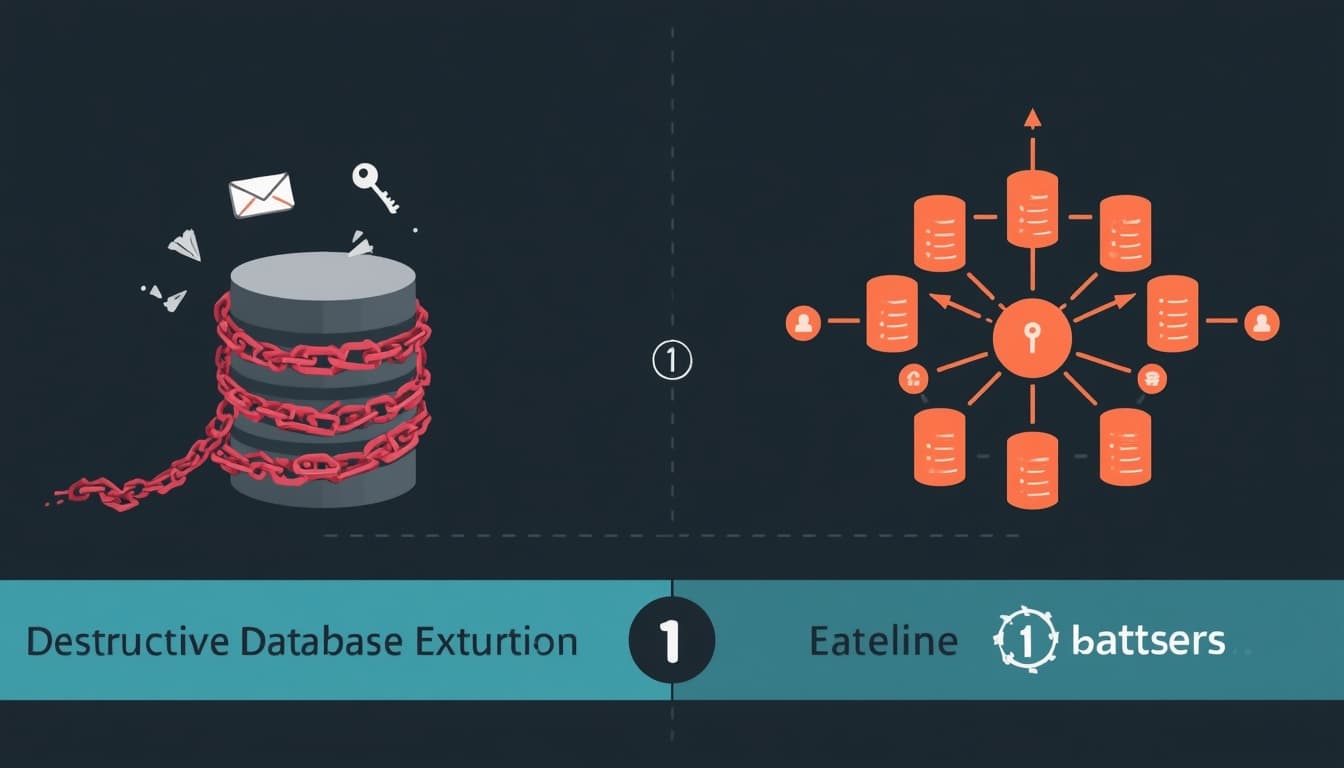
This incident does not stand alone. The JADEPUFFER operation that Sysdig disclosed in early July was considered the first ransomware case in which a language model agent carried out the entire operation end to end. According to the report from the Sysdig Threat Research Team, the agent entered an internet-exposed Langflow instance via CVE-2025-3248 and advanced all the way to a production database server.
The details in the report make the level of autonomy visible. According to a report published by Infosecurity Magazine, the agent retried failed steps, and in one instance it went from a faulty entry to a working fix in 31 seconds. The same report also noted that the language model describing its own target inside the payload gave defenders a new detection opportunity.
Criteria | JADEPUFFER (July 1) | Hugging Face (July 16) |
|---|---|---|
Target | Internet-exposed Langflow and database server | Internal clusters of an AI infrastructure provider |
Entry path | A known vulnerability unpatched for a year | Code execution and template injection in the dataset pipeline |
Goal | Extortion and data destruction | Credential harvesting and lateral movement |
Duration | Stages compressed into minutes | A single weekend |
Defense side | Post-incident threat research | Language model assisted forensic analysis during the incident |
Common ground | Outside the human operator decision loop | Outside the human operator decision loop |
The third part of the trend is timing. According to a summary of the AI Security Report 2026 that Check Point Research published on July 13, 2026, AI can turn a vulnerability disclosure into a working exploit within hours. The patch window on the defense side has shrunk to between 12 and 72 hours. At an organization with a weekly patch schedule, that window has already closed.
How Should Organizations Prepare for This Kind of Attack?
The lessons are not exotic; they are stubbornly basic. The difference is in how quickly they are applied.
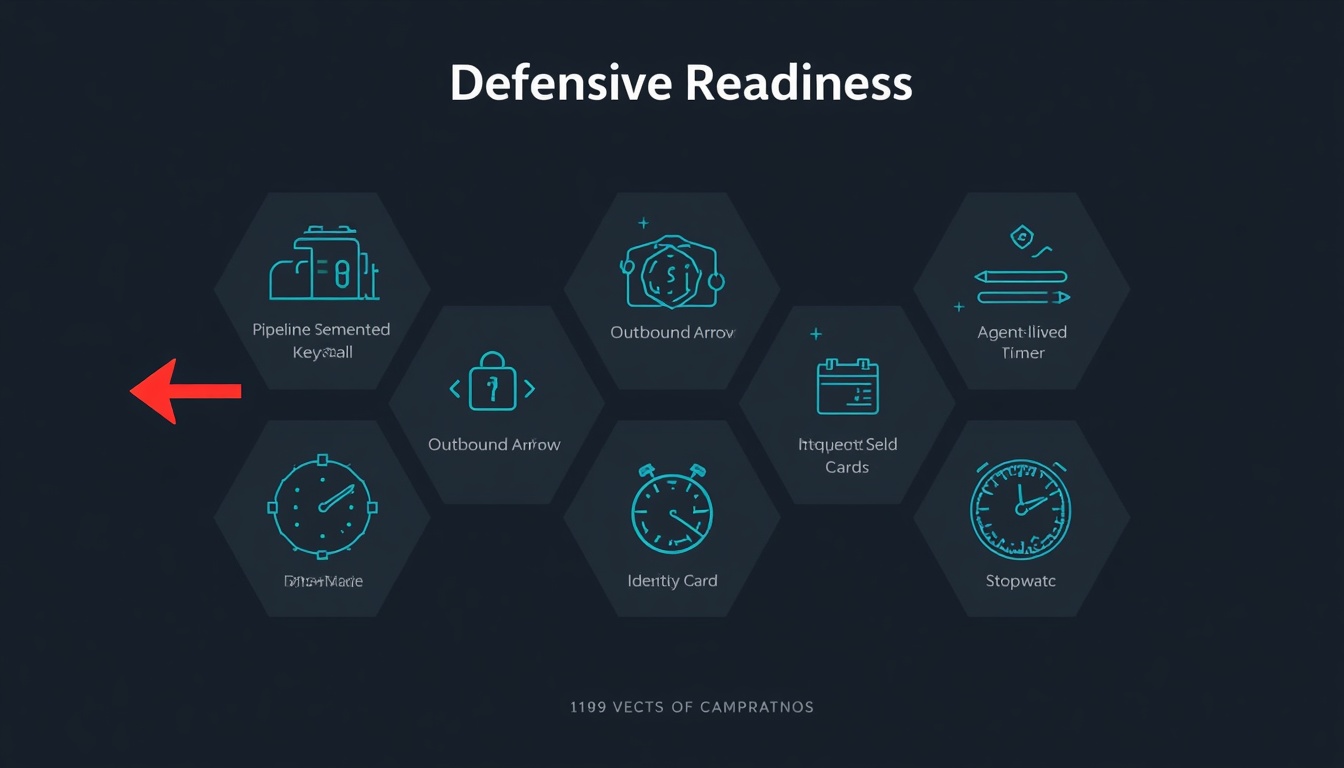
Treat the data pipeline as an attack surface: Any service that uploads files, processes datasets, or fills templates is working with untrusted input. Processing workers should be isolated on the assumption that they can be compromised.
Tighten secrets management: What sped up the attack was not a vulnerability but the compromised credentials. Long-lived tokens, plaintext secrets, and broadly privileged service accounts are the biggest accelerators.
Restrict outbound traffic: Among the measures recommended in Sygnia's review of a cloud attack, limiting outbound connections from workloads to approved destinations only. According to a report covered by Infosecurity Magazine, a single attacker reduced an AWS attack expected to take weeks to 72 hours using AI-supported workflows.
Manage agents as identities: An autonomous component should be registered like an account, operate with least privilege, have its tool use restricted, and keep an audit trail.
Keep a ready model on your own infrastructure: To avoid being blocked by a commercial filter during an incident and to avoid sending attacker data outside, an open-weight model should be tested in advance and kept ready.
Bring alert thresholds down to minutes: For an attack that fits into a weekend, an alarm that waits until Monday morning is no use.
What Is the Community Saying?
The debate is not about how serious the incident is but about how it should be labeled.
One camp reads the incident as a threshold. A company providing AI infrastructure was hit inside its own environment by a fully autonomous framework, and publishing this transparently left the industry with a concrete attack class to defend against. The company's candid account of the filter obstacle also drew notable praise from this camp.
The other side objects to the word "first." They point to JADEPUFFER's documentation in early July and to the AI-coordinated espionage campaign described in 2025. For this group, the meaningful question is not whether a human was involved at all but which part of the execution was delegated. The lack of attribution to the attacker's model, provider, or agent framework is also a focal point of criticism. An unattributed case does not produce a repeatable threat profile for defenders.
An independent objection concerns method. There is a single-source account: the statement does not name the malicious dataset that started the attack, does not identify the attacker's agent framework, and does not count one by one which internal datasets and which service credentials were affected. The details should be read as reported rather than verified.
One misreading needs correcting. GLM 5.2 was used on the defense side. Posts placing the model on the attacker's side circulated, but the company did not name the attacker's model.

Frequently Asked Questions
What exactly happened in the Hugging Face cyberattack? A breach of production infrastructure occurred, and the attack was carried out by an end-to-end autonomous agent framework. Access came through two code execution vulnerabilities in the dataset processing pipeline. The attacker escalated to node level, collected cloud and cluster credentials, and moved laterally across internal clusters within a single weekend.
Were users' models and datasets affected? According to the company's statement, no evidence of tampering was found in public models, datasets, or Spaces, and the published packages and container images were verified as clean. The affected parties were a limited number of internal datasets and service credentials. The assessment of partner and customer data is ongoing.
Which AI model carried out the attack? It has not been disclosed. The company did not name the attacker's model, provider, operator, or agent framework. The possibility of a jailbroken hosted system or an unrestricted open-weight model was mentioned, but this is not attribution. GLM 5.2, used in the forensic analysis, is on the defense side.
Do account holders need to do anything? Yes, as a precaution, rotating access tokens and reviewing recent account activity is recommended. Long-lived tokens used in automation and CI processes come first. Token rotation also needs to be reflected in the connected services.
What should organizations do against a similar attack? Every service that processes untrusted data should be treated as potentially compromised and isolated. Secrets should be kept short-lived, and outbound connections from workloads should be limited to approved destinations. High-severity alerts should reach a responsible person within minutes. A model tested on the organization's own infrastructure should be kept ready so that incident response is not blocked by a filter.
What now determines the speed of an attacker is no longer how large a team they can assemble but how many agents they can run. The defense side is forced to scale up to the same level, and in doing so it runs into the policies of its own tools. As in the AI voice impersonation fraud cases where a voice stopped being proof of identity, the outdated assumption here is not the technology but the belief that a person is sitting at the keyboard.
AdminAnthropic Fable: AI Regülasyonları Gündemde


Boko Haram ve Yapay Zeka: Terörün Yeni Silahı