Skip to content
Back to blog list
Boko Haram ve Yapay Zeka: Terörün Yeni Silahı
Cybersecurity

Boko Haram and AI: A New Weapon for Terrorism

Automatically translated
Büşra Özer
Büşra ÖzerAdmin
4 min read
A new study from Cambridge University finds that Boko Haram used US- and China-based AI models in planning attacks.

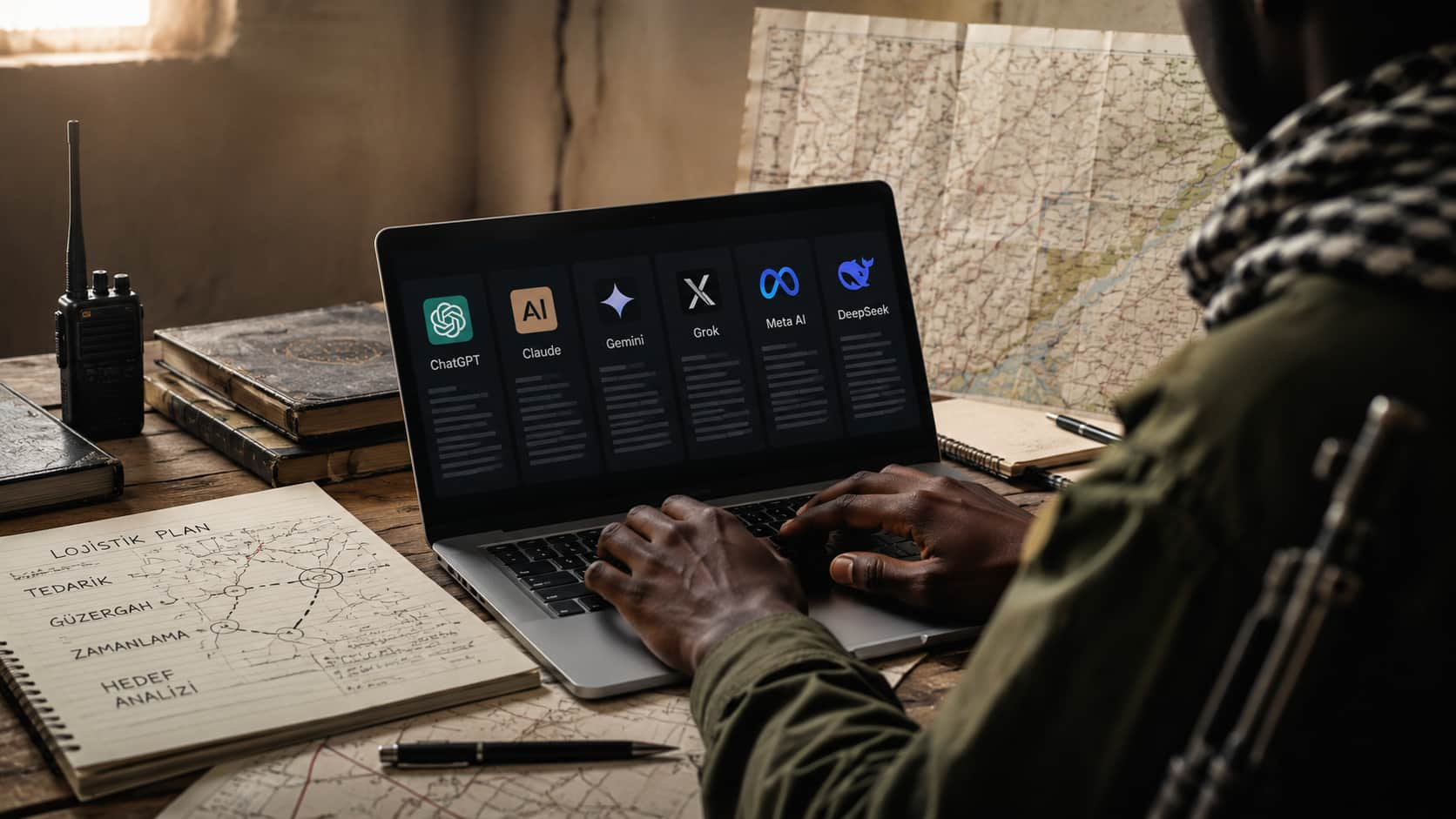
Frontier AI models that push the limits of technology have become a symbol of efficiency and innovation in the global ecosystem, but the other side of the coin poses a major test for global security. A new study prepared by Cambridge University in England and drawing attention across the tech world shows how far the potential for manipulating AI can go. According to the study, the terrorist organization Boko Haram and its affiliates are actively using some of the world's most advanced AI tools, including ChatGPT, Claude, Gemini, Grok, Meta AI and DeepSeek, as assistants in their operational and logistical planning.
teroristlerin yapay zeka kullandığı ortaya çıktı

This critical breach in AI security is reopening the debate over the effectiveness of tech giants' defense mechanisms and global regulations.

What the Cambridge Report Shows: Chatbots as a New Weapon for Terrorism

The study conducted by Cambridge University shows with concrete data how leading AI models have been turned into operational tools by terrorist groups. The report documents that members of the organization have used language models developed by US- and China-based technology companies across a wide range of activities, from daily logistics to strategic attack planning.

Statements from a former leader of the organization included in the report summarize the seriousness of the situation. The former leader, who said AI had become a "mastery mechanism" for them, stated that these tools gave the group analytical capabilities within minutes and tactical strategies ready for implementation. This shows that large language models are no longer just systems that generate information, but directly act as force multipliers in the planning stage of destructive activities.

How Restrictions Are Bypassed and What AI Is Used For

AI developers place strict safeguards in their systems to prevent their models from generating harmful content. However, the Cambridge study shows that Boko Haram militants have found ways to bypass these filters. Users who get past safety restrictions manage to manipulate the models for their own purposes.

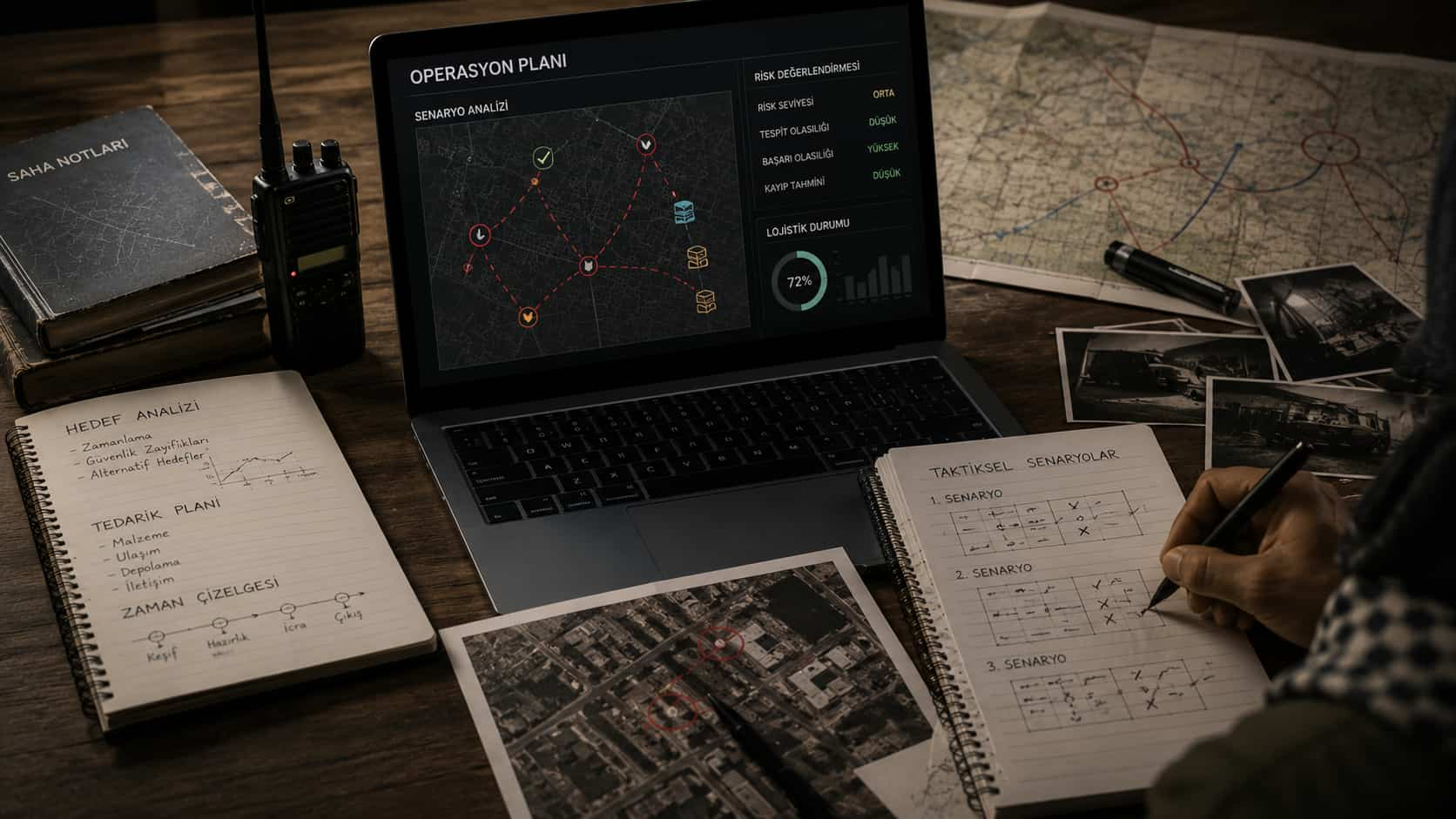
The main use cases that emerged from manipulating the models are the following:

  • Tactical Simulations: The organization has the AI run tactical simulations for planned actions in order to minimize its own casualties and increase operational success.

  • Strategy Optimization: Determining attack routes, planning logistics supply chains and scheduling operations are optimized using the analytical capabilities of AI models.

  • Advanced Destructive Activities: Using the technical databases provided by the models, the aim is to develop more effective and dangerous methods.
Modellerin manipüle edilmesiyle ortaya çıkan temel kullanım alanları

The vulnerability of AI models to this kind of manipulation is one of the biggest topics of debate in the sector. To understand the technical background and how models can be manipulated, you can read our earlier guide Yapay Zeka Güvenliği Nedir Hacklenebilir Mi , which examines the security risks shaped around cyber terrorism.

Responsibility of Tech Giants and Security Reflexes

After the report drew global attention, the security policies and responsibilities of the technology companies named in it came under scrutiny. Meta, one of the companies at the center of the accusations, was among the first to respond. In its statement, Meta officials argued that the vulnerabilities and use cases mentioned in the study concern older versions of its models, not current ones. The company said it prevents such misuse with modern systems such as "Muse Spark," which it launched in April and which has advanced security measures.

However, no official and detailed statement has yet come from OpenAI, Google, Anthropic and DeepSeek, the other tech giants named in the report. The silence of these US- and China-based companies is seen as an indication that the industry has not yet agreed on a common standard for AI model security.

The Future Cybersecurity Threat: Are Frontier AI Models Left Unprotected?

The Boko Haram case clearly shows that AI security is not limited to cyberattacks or copyright debates, and that it can pave the way for direct physical and global security threats. Whether large language models are open source or closed, the risk that they can be turned into weapons in the hands of malicious actors is no longer a theoretical scenario but has become a reality.

The biggest test facing the technology world is to implement global regulations and dynamic safety filters that prevent this kind of destructive misuse without undermining the innovative power of AI. Otherwise, these boundary-crossing AI models risk becoming the cheapest strategy hubs for cyber terrorism and asymmetric warfare. This critical picture shows that AI security is no longer just an engineering problem but part of national defense strategy. While the race for innovation continues without slowing down, developers must build safeguards with a proactive rather than reactive approach. After all, the future of technology will be measured as much by the safety it produces as by the freedom it offers.

When loaded, the content comes from YouTube servers; YouTube may place cookies on your device and receive information about your visit.

Frontier AI models that push the limits of technology have become a symbol of efficiency and innovation in the global ecosystem, but the other side of the coin poses a major test for global security. A new study prepared by Cambridge University in England and drawing attention across the tech world shows how far the potential for manipulating AI can go. According to the study, the terrorist organization Boko Haram and its affiliates are actively using some of the world's most advanced AI tools, including ChatGPT, Claude, Gemini, Grok, Meta AI and DeepSeek, as assistants in their operational and logistical planning. This critical breach in AI security is reopening the debate over the effectiveness of tech giants' defense mechanisms and global regulations. What the Cambridge Report Shows: Chatbots as a New Weapon for Terrorism The study conducted by Cambridge University shows with concrete data how leading AI models have been turned into operational tools by terrorist groups. The report documents that members of the organization have used language models developed by US- and China-based technology companies across a wide range of activities, from daily logistics to strategic attack planning. Statements from a former leader of the organization included in the report summarize the seriousness of the situation. The former leader, who said AI had become a "mastery mechanism" for them, stated that these tools gave the group analytical capabilities within minutes and tactical strategies ready for implementation. This shows that large language models are no longer just systems that generate information, but directly act as force multipliers in the planning stage of destructive activities. How Restrictions Are Bypassed and What AI Is Used For AI developers place strict safeguards in their systems to prevent their models from generating harmful content. However, the Cambridge study shows that Boko Haram militants have found ways to bypass these filters. Users who get past safety restrictions manage to manipulate the models for their own purposes. The main use cases that emerged from manipulating the models are the following: Tactical Simulations: The organization has the AI run tactical simulations for planned actions in order to minimize its own casualties and increase operational success. Strategy Optimization: Determining attack routes, planning logistics supply chains and scheduling operations are optimized using the analytical capabilities of AI models. Advanced Destructive Activities: Using the technical databases provided by the models, the aim is to develop more effective and dangerous methods. The vulnerability of AI models to this kind of manipulation is one of the biggest topics of debate in the sector. To understand the technical background and how models can be manipulated, you can read our earlier guide Yapay Zeka Güvenliği Nedir Hacklenebilir Mi , which examines the security risks shaped around cyber terrorism. Responsibility of Tech Giants and Security Reflexes After the report drew global attention, the security policies and responsibilities of the technology companies named in it came under scrutiny. Meta, one of the companies at the center of the accusations, was among the first to respond. In its statement, Meta officials argued that the vulnerabilities and use cases mentioned in the study concern older versions of its models, not current ones. The company said it prevents such misuse with modern systems such as "Muse Spark," which it launched in April and which has advanced security measures. However, no official and detailed statement has yet come from OpenAI, Google, Anthropic and DeepSeek, the other tech giants named in the report. The silence of these US- and China-based companies is seen as an indication that the industry has not yet agreed on a common standard for AI model security. The Future Cybersecurity Threat: Are Frontier AI Models Left Unprotected? The Boko Haram case clearly shows that AI security is not limited to cyberattacks or copyright debates, and that it can pave the way for direct physical and global security threats. Whether large language models are open source or closed, the risk that they can be turned into weapons in the hands of malicious actors is no longer a theoretical scenario but has become a reality. The biggest test facing the technology world is to implement global regulations and dynamic safety filters that prevent this kind of destructive misuse without undermining the innovative power of AI. Otherwise, these boundary-crossing AI models risk becoming the cheapest strategy hubs for cyber terrorism and asymmetric warfare. This critical picture shows that AI security is no longer just an engineering problem but part of national defense strategy. While the race for innovation continues without slowing down, developers must build safeguards with a proactive rather than reactive approach. After all, the future of technology will be measured as much by the safety it

Etiketler:yapay zeka güvenliğifrontier AICambridge araştırmasıchatbot kötüye kullanımısiber teröryapay zeka kısıtlamalarıLLM güvenlik açıkları
Büşra Özer
Büşra ÖzerAdmin
@busraozer

Comments (0)

Log in to comment.

Log in
No comments yet. Be the first to comment!