Artificial Intelligence and Global Energy Crisis
Automatically translated
 Writer
Artificial intelligence models are expected not only with data, but with a huge amount of electricity. While the industry is trying to train new generation models with trilyon parameter and respond to billions of instant queries, the world’s energy infrastructure can’t grow to this speed. The desperate need for seamless power of established huge data centers led technology giants to the door of an old-friendly, which has been discussed for a long time rather than wind or solar panels: nuclear energy.
Devasa Energy Processing of Artificial Intelligence: What Does The Numbers Say?
Print a simple text to a large language model, a standard Google search spends an average of ten times more electricity. The up-to-date reports released by the International Energy Agency (IEA) show that global data center consumption tends to exit control. According to the data of the institution, the global energy consumption of artificial intelligence data centers will reach the level of 1000 TWh (Terawatt-hour). This figure is equivalent to all year electrical consumption of a giant industry country, such as Japan. Not only the operation of the cooling systems reaches the size that will melt the grid of a medium-sized city alone.
Why Does Traditional Grids Keep Unstable For AI?
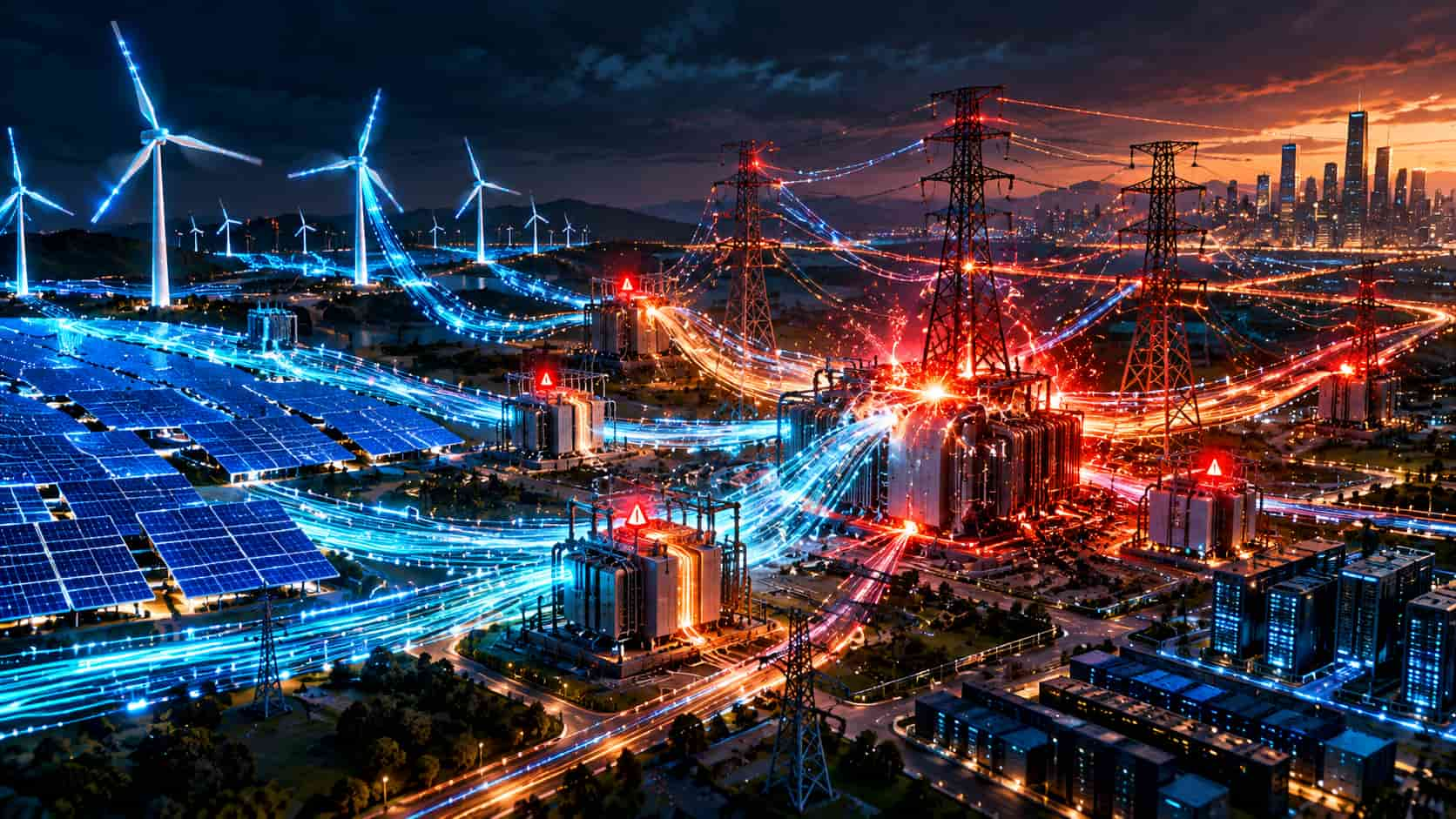
For years, technology companies built huge solar and wind fields in line with the goals of carbon neutralization. However, artificial intelligence does not accept downtime operations. You cannot close the data center at moments where the wind is not stretched or sun sinks; systems must work 24/7 full capacity. AI Data Center Crisis Global Race Threats! As we mentioned in our article, we need a continuous and stable flow to meet the need of "base load" of the grid. Fosil fuels do not have the sustainability targets of companies if these stability is provided. The reverse carbon emission is zero and a single gigantic resource that works with the same yield at night.
Nuclear Solution of Technology Giants: What Does Amazon and Google Do?
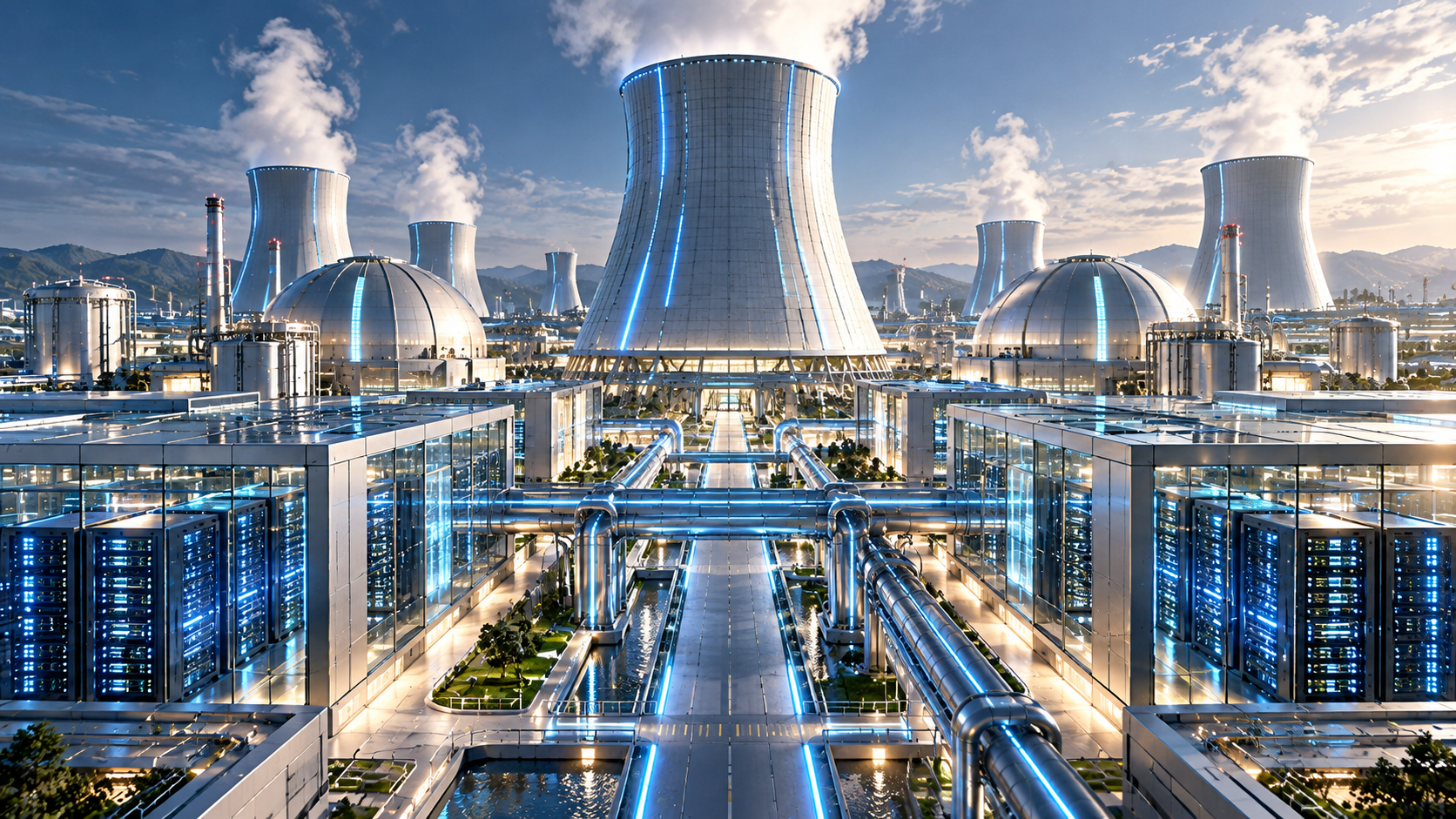
The largest cloud providers of the industry sign background agreements to overcome energy bottleneck. Amazon had identified the strategy by purchasing a data center directly connected to the Susquehanna nuclear power plant, where Talen Energy operates in early 2024. A very similar move came from the front of Google. The search giant, signed a new nuclear energy supply agreement with Constellation Energy in October 2026, raising gears in the race, supporting artificial intelligence infrastructure with reactors. This capacity means uninterrupted power from scratch to hundreds of thousands of homes.
Date Return: Microsoft and Three Mile Island Power Plant
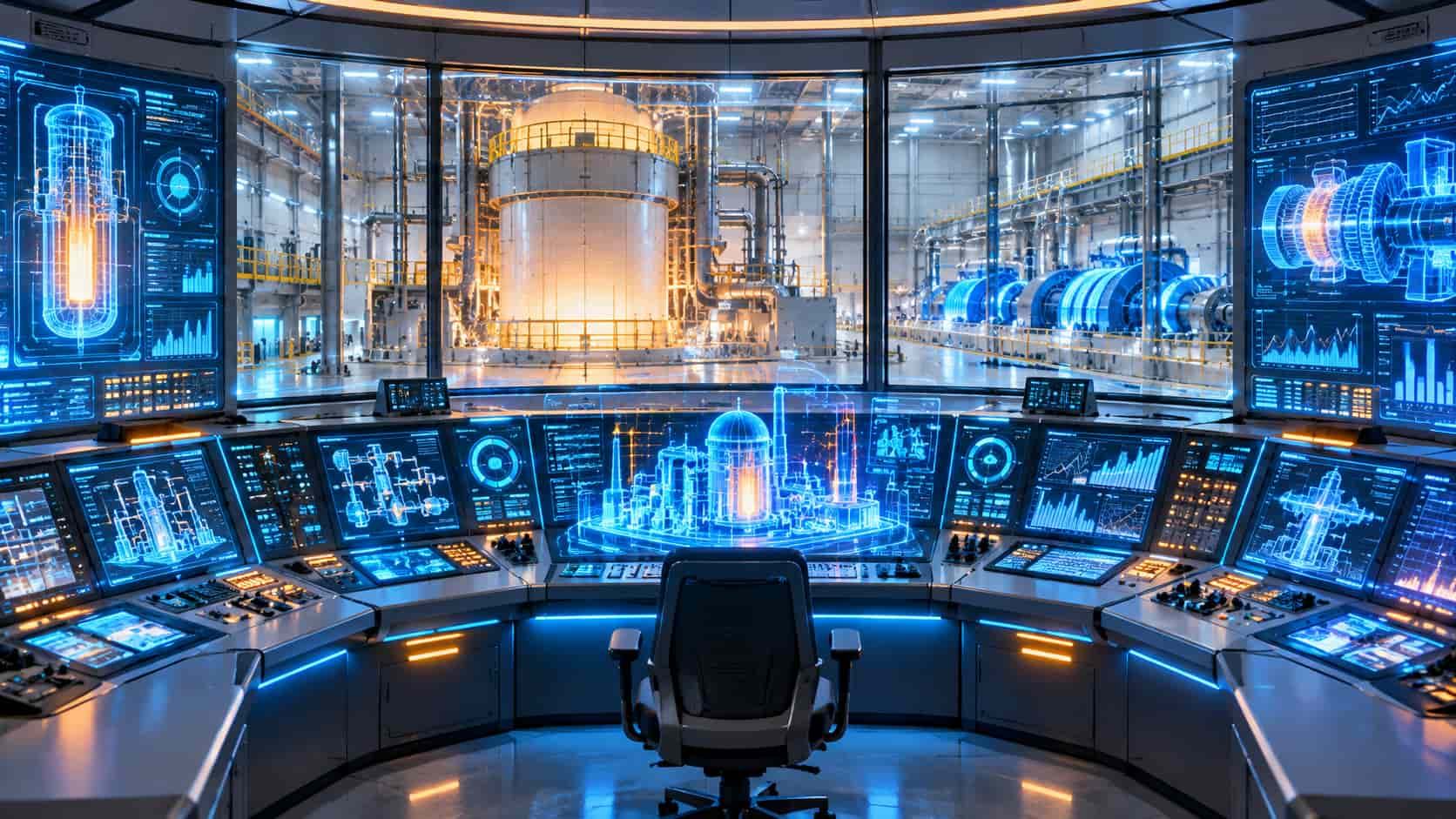
The most striking and symbolic step of the nuclear AI trend came from Microsoft. The company made a 20-year agreement to return the number 1 unit (new name Crane Clean Energy Center) to re-realize the three Mile Island plant, the largest nuclear accident in the U.S. history to make the energy opening of artificial intelligence operations. This reactor, which will provide about 835 megawatt seamless power, will only work for the AI data centers of Microsoft. A technology company, a closed nuclear power plant glaze has been a milestone for its own algorithms, passing on technology history.
Is Sustainability, Is Mecburiyet? Nuclear Waste and Ethics Discussions
The world of technology is marketing these steps as green moves, which are thrown to achieve the goal of "zero carbon". While nuclear energy is working, greenhouse gas is not released into the atmosphere, but thousands of years the question of how to dispose of radioactive nuclear waste. Environmental organizations define that artificial intelligence companies shift this appetite to real renewable energies such as wind and sun, and the funds to the nuclear sector, as "green launder". For the sake of more calculation power, the planet creates a serious ethical discussion that does not take into risk and dispose of long-term safety.
What does the community think?
Developer ecosystem and energy experts are divided into two different camps. Silicone Valley engineers argue that the only barrier in front of reaching General Artificial Intelligence (AGI) is physical energy and is the only realistic way of nuclear energy, including Small Modular Reactors (SMR). Climate scientists in the opposite front emphasize that the increase of efficiency brought by trilyon parameter models, the huge energy they spend, and the risk of nuclear waste they create is justified.
Frequently Asked Questions
Why does AI data centers spend more energy than traditional data centers?
A traditional server stores only data and calls back when requested. Artificial intelligence servers make complex mathematical calculations every second with thousands of GPUs inside. This intense processing power both takes over electricity and requires huge cooling plants to cool systems.
Does technology companies build their own nuclear power plants?
Now for no. Google, Microsoft and Amazon companies like energy companies (Constellation Energy, Talen Energy etc.) are engaged in long-term and billion dollars purchasing agreements. The power plant operates power companies, technology giants guarantee the whole or large part of the electricity produced.
What is Small Modular Reactors?
SMRs are smaller, modular and secure new generation reactors that can be produced in the factory instead of traditional huge nuclear power plants and installed directly into the data center. Technology giants are known to invest billion dollars in this technology to establish completely independent data centers from the network in the future.
Humanity strikes the strict rules of the physical world while forced the limits of digital mind. The development of artificial intelligence is now connected to cooling water capacities, electrical transformers and uranium bars rather than software codes. The definition of "her location and invisible" for cloud computing at the beginning of the Internet was made; but today we see that the cloud prints the foot with nuclear reactors, one of the most heavy and busiest energy infrastructures on the earth.
Writer