



New Step for Artificial Intelligence Regulation in USA
Automatically translated
 Writer
The U.S. Senatosu discusses the risks of creating advanced AI systems and to determine the authority of editing between the federal government and states. Senato Mostnluk Leader John Thune, Senato Trade Committee President Ted Cruz and Democrat Senator Amy Klobuchar’s interviews were re-daying discussions about the future of AI arrangement in the US.
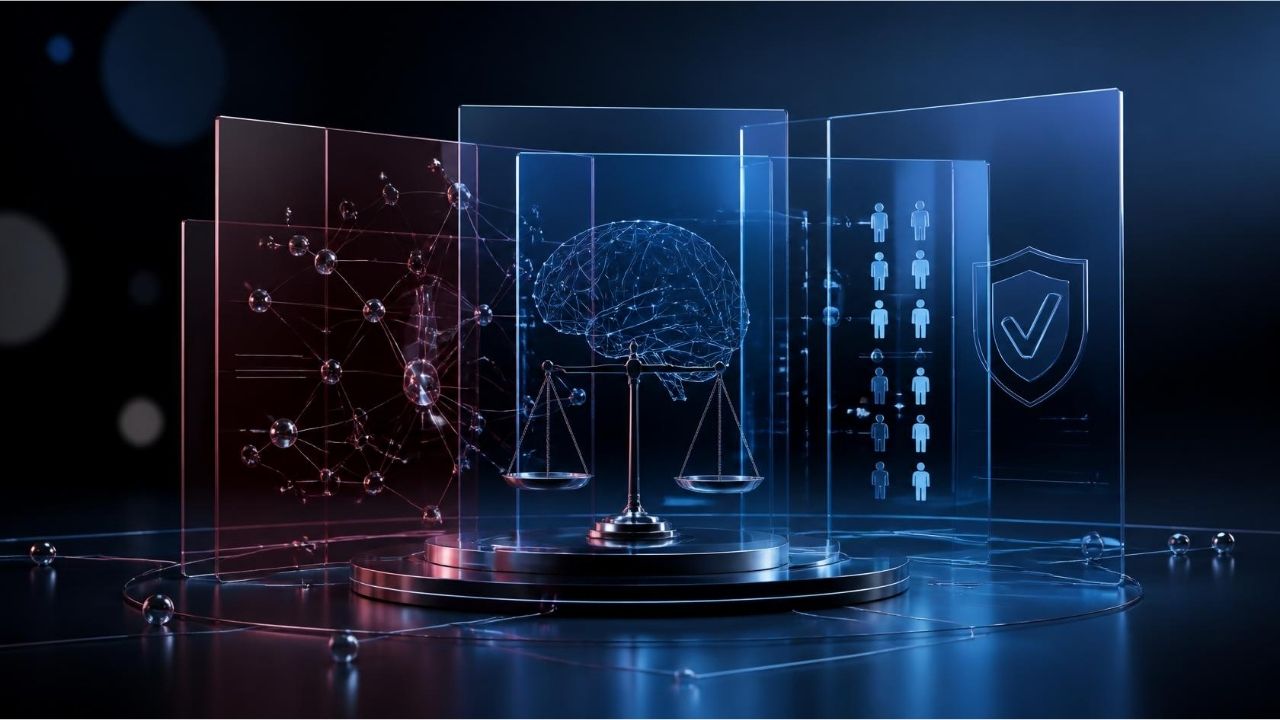
18 September 2026 dated Punchbowl News interviews focus on how the state laws that address the risks of disaster-level, especially the most advanced AI systems can be limited to the federal level. The main issue here is not only to ensure the security of artificial intelligence, but to determine what type of rules of the management level in this field can put.
The result of discussions can affect the security responsibilities of companies that develop artificial intelligence models, the authorities of regulatory institutions and their own laws of the states. However, the driving of negotiations does not mean that a new U.S. AI law is accepted or entered into force of certain obligations.
Why AI Regulation on US?
Artificial intelligence models are no longer available to produce text or answer questions. Advanced systems can write code, analyze software open, support scientific research and perform certain tasks to be limited to human intervention.
These capabilities bring security and audit problems while creating new usage areas. The advanced artificial intelligence systems, especially called frontier AI, pushing technological limits, have become one of the primary agendas of law darkers.
An important size of the discussion in the US can be developed and marketed in which conditions of these systems can be developed. Another size will limit the current or future arrangement of states of the rules that the federal government will be determined.
What Risks Are Advanced Artificial Intelligence Systems?

Artificial intelligence covers security discussions, different possibilities and risk levels. Some risks are caused by the misuse of existing systems, some are related to the results that more skilled models may arise in the future.
Featured risk areas can be ranked as follows:
Cybersecurity:
Advanced models make it easier to identify software open, create attack scenarios or increase the technical capacity of malicious people.
Biological and Chemical Safety:
Artificial intelligence can facilitate the acquisition or misuse of dangerous information in certain research processes.
Human Control:
Demonstrating unexpected behaviors while performing complex tasks of systems or exceeding the specified security limits.
National security:
Artificial intelligence-supported attacks and threats for critical infrastructures.
Accountability:
Identify the responsibility of developers, service providers and users in damages caused by a system.
These risks should not be considered at the same level in every artificial intelligence model. An effective arrangement should be taken into account the real capabilities of their systems, intended for use and measured risks.

What Does John Thune Understand Ted Cruz and Amy Klobuchar’s Interviews?
The negotiations in Senato reflect the search for creating a common framework in the risks that the names with different political approaches can create advanced AI systems.
John Thune is an effective position in determining the legislative agenda as the leader of the Senate majority. Ted Cruz plays a role in the work related to technology policies as the President of Senato Trading Committee. Amy Klobuchar is attending negotiations by representing Democrat wing.
30 July 2026 dated Punchbowl News newsIt was transferred to progress on the bill of a law that will address the risks of advanced artificial intelligence of these names, but from Anthropic and Senato Trade Committee, Maria Cantwell was transferred to slowing down the process of disputes.
Among the elements of the discussed approach in the news, the risks of companies can create advanced models were involved in pre-determining the responsibility and significant increase of talent to authorities. These were informed recommendations on the scope of negotiations; they should not be evaluated as general obligations in force.
Conflict Between State Laws with Federal Regulation
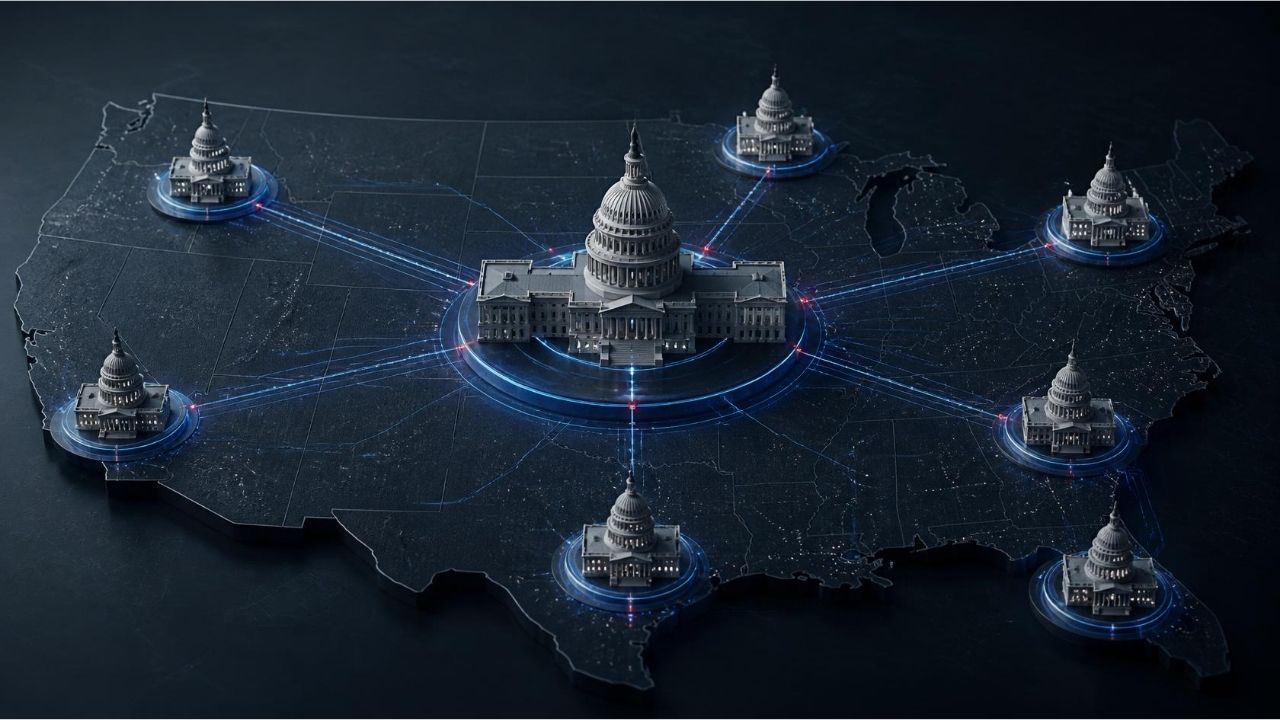
One of the issues in the center of the US AI law discussion will limit and limit the jurisdiction of the state of the rules that the federal government will be determined.
The approach defending the creation of joint standards at the Federal level is aimed at avoiding the fact that companies have to comply with different rules in different states. This approach can create a more predictable harmony framework in terms of artificial intelligence developers operating especially throughout the country.
In response to the limitations of the authorities of states, the protection of consumers and interfering to local risks. In case certain risks of the Federal standards are not sufficiently covered, the narrowing of the possibility of taking additional measures of the states is also a possible concern.
Therefore, the discussion is not limited to obligations to technology companies. It is also related to the limits of authorization sharing and regulatory responsibilities between the federal government and states.
What Can New Artificial Intelligence Regulations Bring to Companies?
One of the possible results of interviews is to create more pronounced security responsibilities for companies that develop the most advanced artificial intelligence models.
Such an arrangement may require companies to monitor their assessment, security risks and create certain procedures against serious events before marketing their models. However, what obligations will be applied, depending on the scope of the final arrangement and the legal text to be accepted.
Safety Tests and Risk Assessment
Measuring whether advanced models meet and meet certain safety thresholds can be one of the basic elements of possible regulations.
The models of the companies may come to the agenda for cyber security, misuse, production of sensitive information and testing in areas such as the effectiveness of human audit. The scope of these tests may vary according to system capabilities and usage areas.
Independent assessments also stand out as a possible control mechanism. However, it is necessary to clearly determine the details, as the tests will be executed by who, which extent the results will be explained and which risk level will prevent the release of the model.
Reporting Serious Security Events
Another possible arrangement area is reported to authorities of serious security events associated with artificial intelligence systems.
For example, if a model significantly facilitates security measures or misuse of a critical software deficit, companies’ event assessment and reporting to required mercies may be asked.
Such a mechanism can help public institutions to assess emerging threats earlier. However, it is important to clearly identify which events will enter the scope of reporting. Otherwise, uncertainty and unnecessary administrative load may occur for companies.
Liability and Transparency of Companies
Depending on the scope of artificial intelligence regulation, companies can document risk management processes, record security assessments and inform about the known limitations of their systems.
This approach can ensure security practices not only depend on companies’ voluntary policies. On the other hand, uncertain or over-wide obligations can create additional costs for particularly small developers and new initiatives.
For this reason, it is important to design the size of the companies, the risk level of the systems they have developed, and the measuring structure that takes into account the fields of activity.
Expands Artificial Intelligence Safety Discussions in USA
Discussions in Senato are part of wider policy discussions on AI security in the US.
7 days Maria Cantwell, a senior Democrat member of Senato Trade, Science and Transport Committee in October 2026, announced a comprehensive governance framework for advanced AI systems. The principles such as open and enforceable security standards, continuous testing, independent audit, transparency and report of serious security events have come out.
Cantwell's frame, It contains the creation of security standards by federal experts, especially NIST and related institutions. The description was also included in the headers such as the protection of children, supporting employees and maintaining human control in decisions that give significant results.
This proposal is not the same editing text with the negotiations held by Thune, Cruz and Klobuchar. Two initiatives represent different approaches on how to ensure the safety of advanced AI systems.
Transition from Volunteer Security Approach to Connector Rules
Artificial intelligence companies have applied different security tests, risk assessments and responsible development principles. However, volunteer applications can vary between companies in terms of scope and transparency.
A binding arrangement can identify common obligations for specific risk-level systems. To be effective for such an approach, the rules should be clear, identify audit mechanisms and determine the results of violations.
On the other hand, the technology is developing rapidly and has a risk of losing the currentness of the closed rules to change. The regulators need to balance between mechanisms that can adapt to technical developments with their security objectives.

How Can U.S. Artificial Intelligence Act Affect Technology Sector?
The effect of a new artificial intelligence arrangement into the technology sector will depend on the scope of the final text and the method of application.
Large AI developers can have more resources to conduct comprehensive security tests and compliance processes. In response to small companies and new initiatives, additional testing and certification costs can be difficult to meet.
The creation of common standards can reduce the need for separate compliance to the regulations of companies in different states. However, it depends on how to associate federal rules with state laws.
Possible Results for Artificial Intelligence Developers
In terms of companies to enter the scope of the regulation, these changes may appear to agenda:
Adding more comprehensive security tests to model development processes.
systematic evaluation of high-risk usage scenarios.
Establish new processes for monitoring and reporting security events.
Increase coordination between law, security and compliance teams.
Providing more weight in model publishing decisions.
The realization of these will depend on what companies and types of models of rules to be accepted.
What Can I Change For Artificial Intelligence-Utilizing Businesses?
The effect of the arrangement can not only be limited to companies that develop basic models. Companies that integrate artificial intelligence systems into products, customer services or in-house processes can also be indirectly affected.
For example, more detailed assessments of the data processing methods, security features and fault scenarios of the companies use. However, the obligations for model developers should not be applied automatically to all artificial intelligence users.
Local work of artificial intelligence tools also part of security and resource management discussions. The most important issue in terms of businesses will be correctly determined by the risk level of the system used.

Why is the Regulation Process in the USA?
The US hosts an important part of leading AI developers and technology companies. The regulations to be accepted in the country may affect not only American companies, international businesses operating in the US market or using technologies of these companies.
However, the regulatory approach in the U.S. is not mandatory to adopt it by other countries. Countries can create different rules in line with data protection, consumer rights, national security and innovation policies.
It is important to follow developments in terms of businesses in Turkey. Companies using US-based AI services can be useful to monitor changes in security and transparency policies of service providers.
To see a different size of the artificial intelligence ecosystem in Turkey Turkish supported AI tools and Turkey's native AI models Home content can also be reviewed. However, a new arrangement in the US does not bring a new legal obligation to companies in Turkey. The obligations in Turkey should be evaluated in the framework of the relevant local legislation and other applicable legal regulations.

The negotiations conducted in the US Senate indicate that the security standards of artificial intelligence arrangement can be shaped around the responsibilities of companies and the authority sharing between the federal government and states.
John Thune revealed that Maria Cantwell’s governance frame, alongside Ted Cruz and Amy Klobuchar’s interviews, as well as how advanced AI systems are discussed.
However, the distinction between the recommendations and the rules that enter into force is protected. The final scope of the U.S. AI law will clarify the future of obligations and state regulations to bring to companies, developments in the process of law.
Frequently Asked Questions
Is a New Artificial Intelligence Act Accepted in the USA?
Discussions in Senato and recommendations that different Senators explain, does not mean that a new federal AI law alone is accepted. The legal situation should be assessed according to the progression and accepted texts in the process of law enforcement of the relevant designs.
What is John Thune’s Role in Artificial Intelligence Regulation?
John Thune is in an effective position in the execution of negotiations as the leader of the Senate majority and carrying the possible arrangement into the legislative agenda. Ted Cruz and Amy Klobuchar are also attending interviews dealing with the risks caused by advanced AI systems.
Can U.S. Artificial Intelligence Act Remove State Regulations?
One of the discussed approaches, the state laws of the federal rules in the specific risk areas of advanced artificial intelligence. What issues this will cover and protect the authorities of the states, depending on the final scope of the arrangement.
How Does Artificial Intelligence Safety Regulations Affect Companies?
New rules can create additional obligations in security tests, risk assessments, event reporting and compliance processes. The size of influence will depend on the risk level and scope of the system developed or used in the operating area of the company.
AI Regulation Slows Artificial Intelligence Development?
It is not possible to give a precise response. Safety assessments and compliance obligations can increase development costs or delay the release of some products. In turn, open standards and common rules can reduce uncertainty. Net effect depends on the design and implementation of the arrangement.
Writer