
Artificial Intelligence Forecasts Antibiotic Resistance in Intensive Care
Automatically translated
 Writer
The scientific research conducted in Iran revealed the potential for predicting the risk of multi-pharmaceutical resistance in surgical intensive care patients of machine learning models. The XGBoost model developed with clinical data of 106 patients presented remarkable results on the use of artificial intelligence in the management of antibiotic resistance forecast and hospital infections.
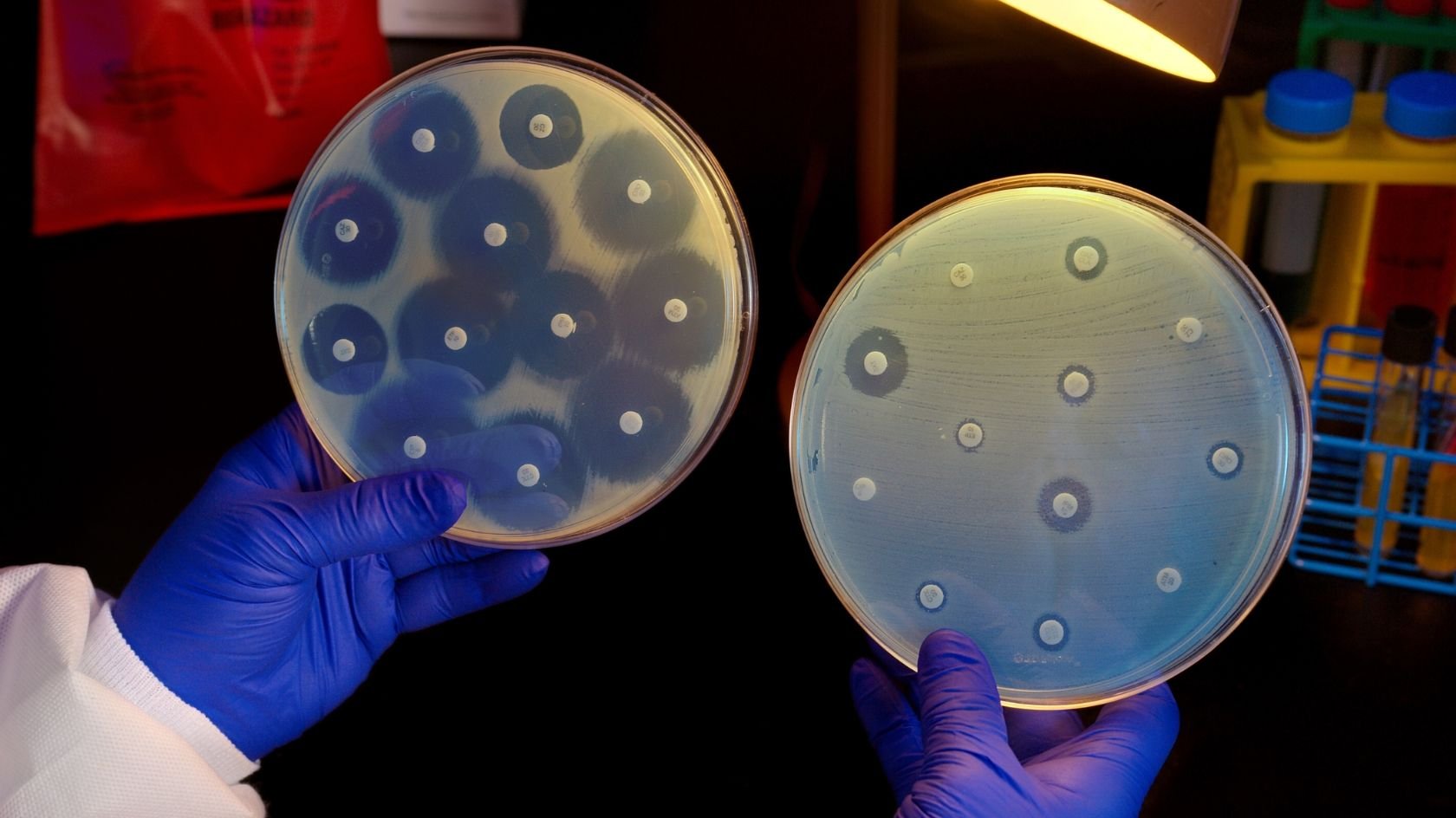
Antibiotic resistance is one of the important health problems that make treatment processes difficult especially in intensive care units. Bacteria with multiple drug resistance can strengthen control of infections by showing resistance to multiple groups of antibiotics. Therefore, early determination of high-risk patients is important for the creation of appropriate treatment strategies.
The developments in the use of artificial intelligence and machine learning technologies in the field of health create new research areas for early evaluation of this problem. Published in Springer Nature scientific researchThe surgical intensive care of machine learning models examines the potential to predict the risk of multi-pharmaceutical resistance in patients.

Research was Performed with Data of 106 Intensive Care Patients
On October 28, 2025, the study published in the UNC Infectious Diseases magazine was conducted in the surgical intensive care unit of Namazi Hospital in the south of Iran. In January 2022-December 2023, the patient's data was retrospectively reviewed after 106 surgery.
Researchers evaluated age, sex, additional diseases, surgical history, antibiotic use, microbiological culture results and clinical findings.
What Microorganisms Are Detected?

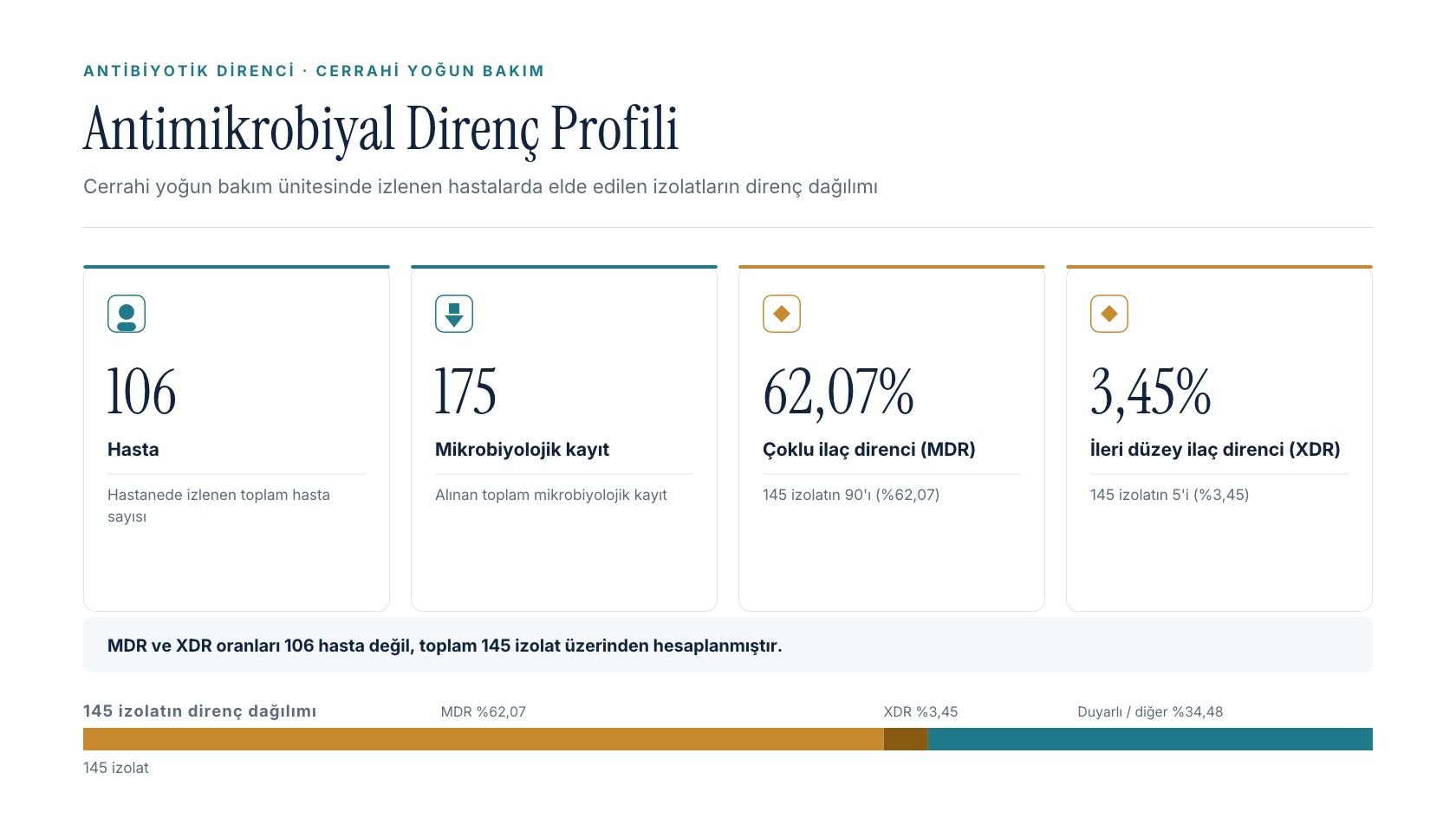
Total 175 microbiological records were evaluated in the study. In 145, positive culture was achieved. Specified microorganisms in positive examples were:
Escherichia coli: 20 percent on the face.
Acinetobacter: On the face 17,24.
Klebsiella: On the face 16,55.
Multiple drug resistance (MDR) in 62,07 percent of the Isolates were determined in 3,45 percent and advanced drug resistance (XDR). Pan-drug resistance (PDR) was not detected.
How Does XGBoost Algorithm Forecast Antibiotic Resistance?
One of the basic components of the research was the machine learning model developed with XGBoost algorithm. XGBoost is an algorithm that makes prediction by combining different decision trees. It aims to improve the performance of the model by considering errors in previous predictions.
The researchers compared XGBoost model with logistic regression method. 80% of the data set were divided into training, 20 percent test purposes. Also five-story cross validation and hyperparameter optimization were applied.
Performance Results of Model
XGBoost model reached 0.786 ROC-AUC value and 70 percent accuracy in test data. The average ROC-AUC value in five-layer cross verification was calculated as 0.896±0.05. Logistics regression model achieved 0.743 test ROC-AUC and 77 percent accuracy.
These results show that the XGBoost model has higher ROC-AUC value in its performance of distinguishing, but the logistic regression in its accuracy measure is out.
What Variables Are The SHAP Analysis?
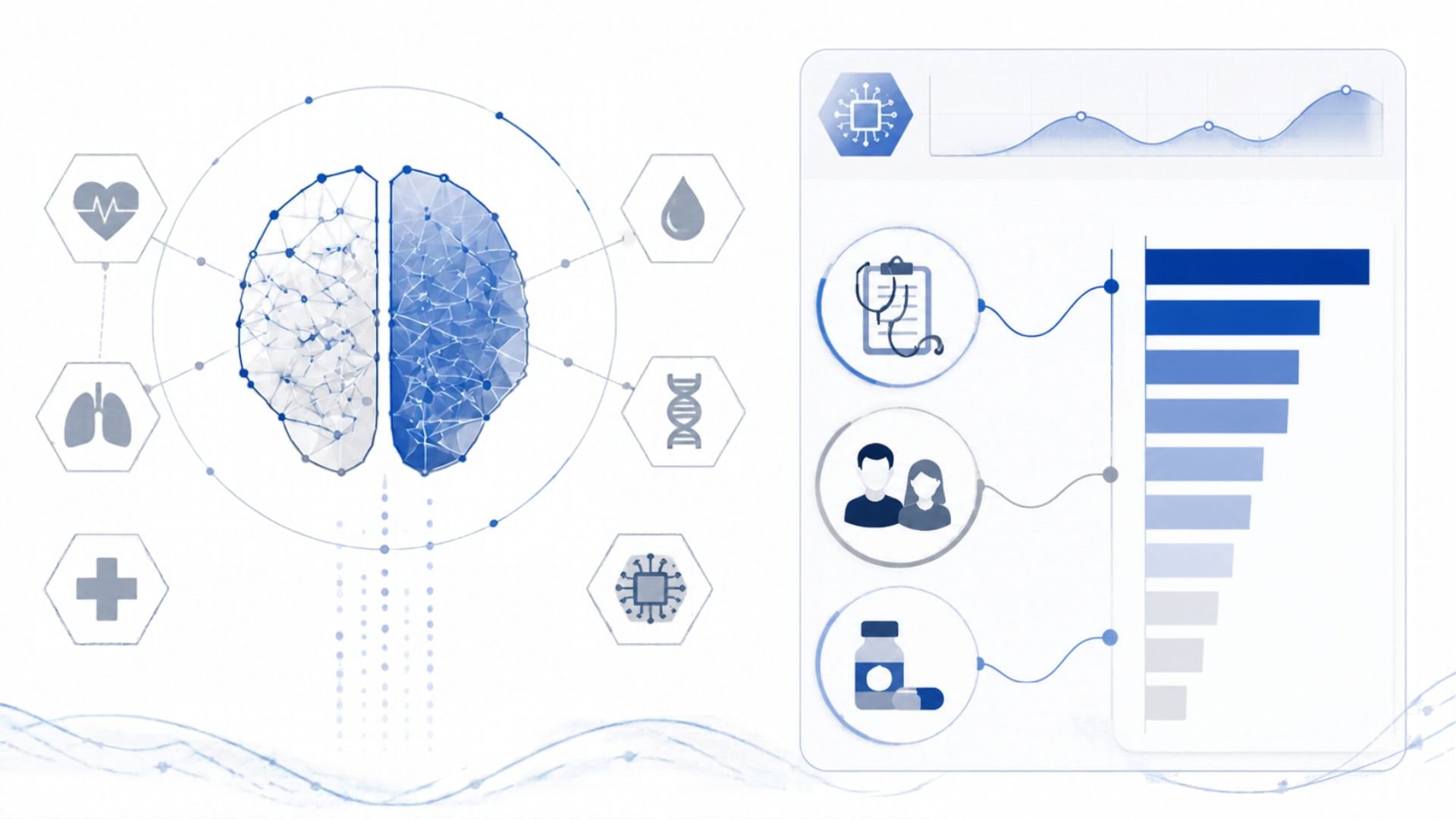
The researchers used SHAP analysis to explain the forecasts of the model. Gram-positive infection indicator, Gram-positive infection indicator, the duration of antibiotic therapy and the age of the patient is among the prominent variables in predictions.
SHAP analysis helps to figure out which variants of the model are affected. However, these variables can not prove to cause direct antibiotic resistance.
How to Use Machine Learning in Health?
Machine learning is researched in terms of evaluation of health practices, large amount of clinical data and determination of complex relationships. Antibiotic resistance prediction is one of these areas of application. Especially in cases where laboratory results are not yet reached, patients can provide available clinical data, risk assessment.
The determination of high-risk patients among the possible areas of this approach is the re-evaluation of antibiotic therapy, priority of microbiological tests and monitoring of hospital infections.
World Health Organization evaluation of antimicrobial resistance This issue is addressed as an important threat in terms of global health. The institution emphasizes the importance of preventing infections and strong laboratory infrastructure in the fight against resistance.

How Can Artificial Intelligence Support Clinical Decisions?
Machine learning models can mark conditions that may be high in the risk of resistance by evaluating the current clinical data of the patient.
These systems can provide support to clinicians in processes such as review of ampiric antibiotic therapy, determination of high-risk patients and priorities of microbiological examinations.
But guesses produced by artificial intelligence are not enough to give the decision of treatment alone. The clinical condition of the patient should be assessed together with the results of culture and antibiogram.
What is the Limitedness of the Research?
While the results of the study are promising, there are some important limitations. First research covers only 106 patients and a single hospital. The data group, which is tested, consists of 22 patients. Therefore, it is not possible to directly generalize the results of the performance obtained directly to the larger groups of patients.
For the second model, external verification was made with independent data obtained from different hospitals. As hospitals can change resistance profiles and antibiotic usage habits, the model needs to be reevaluated in different health systems.
91.5% of hospital death rate reported in the research also attracts attention. However, this rate cannot be included in the general intensive care population of the private patient group in the study.
What steps are important for future research?
Researchers’ approach needs broader and multi-based studies to carry clinical applications. Verifications to be done with data obtained from different hospitals can help evaluate the performance of the model in different patient profiles.
Besides this, the model of molecular resistance markers is important for future research issues such as comparing different machine learning algorithms and integration with clinical decision support systems.
Academicians who are interested in the use of AI tools in scientific research, Artificial intelligence tools that can be used in thesis writing You can also examine the technologies that can be evaluated in academic work processes through content.

The Future of Artificial Intelligence in Antibiotic Resistance Research
Research carries an articulated study nature that shows that artificial intelligence and machine learning methods can be used to assess the risk of resistance in intensive care infections. The results obtained by XGBoost offer a value-oriented approach to research on determining high-risk patients using routine clinical data.
However, not the fact that artificial intelligence models are replaced by culture and antibiyogram tests. The doctor’s assessment of clinical decisions, laboratory results and general condition of the patient is required.
Models to be verified in larger patient groups and different healthcare organizations in the future can contribute to the development of clinical decision support systems in control of antibiotic management and intensive care infections.
Writer