Artificial Intelligence in Agriculture: How to Improve Yield and Quality?
Automatically translated
 Writer
The rapid increase in the population of the world, due to the effects of climate crisis on agriculture and the reduction of natural resources, the use of artificial intelligence in agriculture is no longer a choice, as a necessity, entered our lives. Nowadays, traditional agricultural methods are not enough alone, with increased cost and reduced labor force, the decrease in efficiency is inevitable.
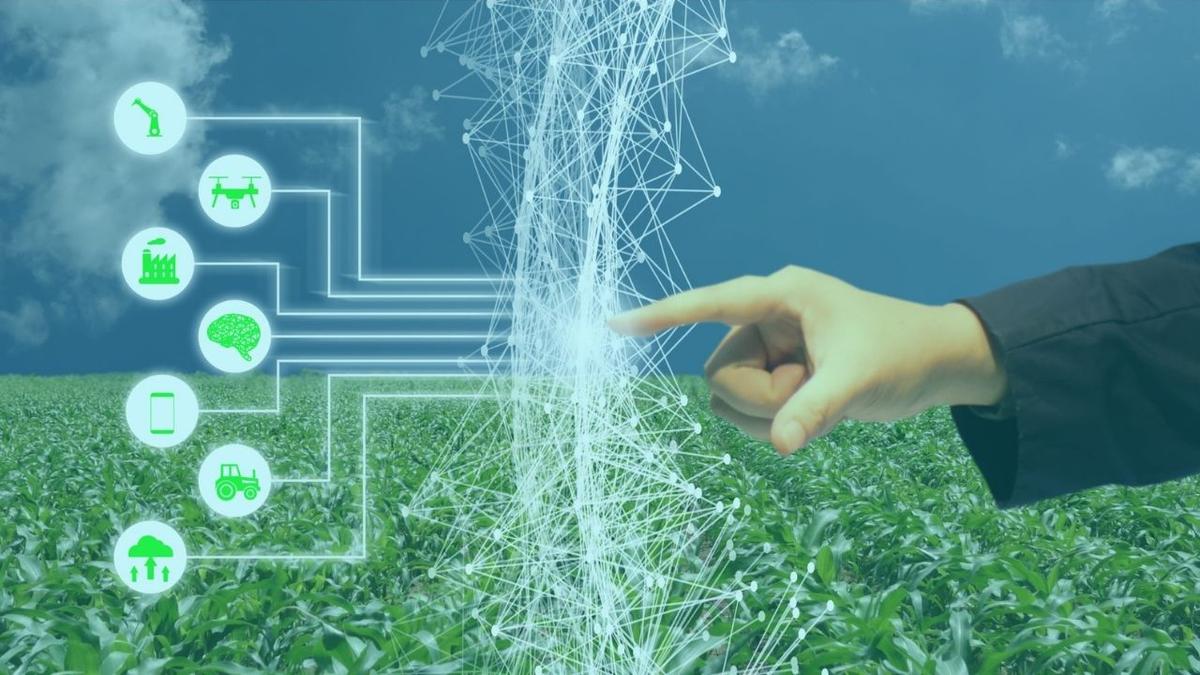
At this point, artificial intelligence; control sensors, drones, data analytics and machine learning together with agriculture is also developing. This conversion from production to consumption aims to increase both quality and efficiency.
Role of Artificial Intelligence in Agriculture
Artificial intelligence in agriculture covers harvest, storage and distribution processes not only in production stage. TUBITAK Science published in Young As emphasized, farmers are now able to manufacture with real-time data thanks to agricultural machinery and sensors.
Basic Advantages
- Less water, fertilizer and pesticide use
- Protection of soil efficiency
- Disease and harmful detection
- Reduce labor costs Tags
- Plus in my data Tags
Precision Agriculture: Efficient Welding Use
Precision agriculture is a method that allows for separate applications for each square of the field using technology. In this model, artificial intelligence is analyzed in real-time status of fields with satellites, sensors and drones. This method provides sustainability in areas where water shortage problems are experienced especially in the near future.
Sample Use Areas
- Determination of time to water the soil with humidity sensors
- Viewing diseases by viewing the leaves of plants
- Identify the amount of fertilization thanks to automations
- GPS supported tractor use for regional planting
Place of Machine Learning in Agriculture
Machine learning is based on analysis of large data stacks. In agriculture, the detection of plant diseases through the photo, yield forecast, according to market prices, the cultivation planning and risk analysis according to climate forecasts is quite useful. For example, farmer makes dron images druging only in the required area by taking advantage of machine learning models. In this way, both the cost is reduced and the increase in quality is expected.
Smart Sensors and Data Acquisition Systems
Smart sensors are the foundation of artificial intelligence in agriculture. As in every field, measurement is not required for agriculture. It can be easily monitored thanks to many data sensors such as soil, air, plant, underground water. Data from these sensors is transferred to digital environment and accelerates the decision process for application, so that the processes of irrigation, fertilization and spraying are automatically completed.
- Soil humidity sensors Home
- pH measuring devices
- Plant temperature and stress sensors Home
- Weather centers Home
Digital Agriculture Eyepiece Drones
Drons monitor agricultural areas. This way makes disease and harmful detection in early stages, followed by the development of plants, used for targeted spraying with mapping and soil analysis. In Turkey, there is an estimated rekolte with drone-supported systems in some pilot areas. This situation is made more efficient in terms of manufacturer and state.
Intelligent Irrigation Systems
Data in digital agriculture is analyzed to be collected in a central system. Farmerscan follow the status of the field even from the phone. Automatic irrigation systems work with signals from sensor. The water may be jealousy, increase or stop when necessary. This convenience that increases efficiency prevents erosion by passing through water waste.
Efficiency and Quality Increase With Digital Agriculture
Artificial intelligence in agriculture makes activities based on data such as excitation-extinguishing. According to the news of Anadolu Agency State support for artificial intelligence-supported agricultural applications in Turkey is increasing every day. Small diameter producers are able to access technology.
In this way, financial planning can be done more accurately while reducing product losses. Thanks to integrated systems with air forecast, it can take precautions against conditions such as frost or flood. On the other hand, these systems are significantly reduced as they automate many things.
Artificial intelligence is increasing not only the number of products in supported agriculture. The quality losses that fruit-sebze producers often live are avoided. In recent years, pesticides and similar substances are detected in early stages. This situation increases sales of products in both domestic market and export.
Sustainable Agriculture and Environmental Effects
It does not increase efficiency to benefit from artificial intelligence in agriculture, but also protects nature. The unconscious use of water resources is solution to problems such as harm and carbon release of pesticides. Reduces the use of chemicals, allowing planting according to soil analysis, while contributing to the protection of biodiversity, it also reduces carbon footprint.
The Future of Agriculture is Shaped with Artificial Intelligence
Artificial intelligence in agricultureSome of the innovations that will provide in the near future can be listed as:
- Full automatic drive tractors
- Harvest machine robots
- Blockchain supported product tracking
- Digital market network
- Genetic analysis in seed breeding
How to Use Artificial Intelligence in Other Countries in Agriculture?
A large number of projects aimed at transformation in agriculture with state and private sector cooperation. Artificial intelligence-based agricultural software is expected to be widespread in Turkey in order to reduce product loss and predict climate risks. In the world, the United States and the Netherlands come to the forefront.
farmers in the US have adopted artificial intelligence in agriculture in a short time. The most common means are GPS devices and drones. In addition, the demand for autonomous tractors and other agricultural vehicles is increasing every day. US to better execute these processes Artificial Intelligence Institute for Durable Agriculture ’in case of activity. While the agriculture of artificial intelligence is highly developed, millions of farmers around the country are predicted to use these technologies.
The Netherlands that we know with Laleler uses artificial intelligence in control of greenhouses that grow these flowers. Thanks to artificial intelligence, it can be applied to climate control. Also known as lale whipping virus (TBV) and used artificial intelligence robots within the scope of the disease that prevents the growth of plants. These robots that walk over the Lale greenhouses with sensitive GPS settings, it makes it easy to determine and destroy diseased flowers
WriterOpenAI AgentKit: Dakikalar İçinde Yapay Zeka Ajanları Üretin


PromptLayer Yapay Zeka Projelerinde Yeni Soluk