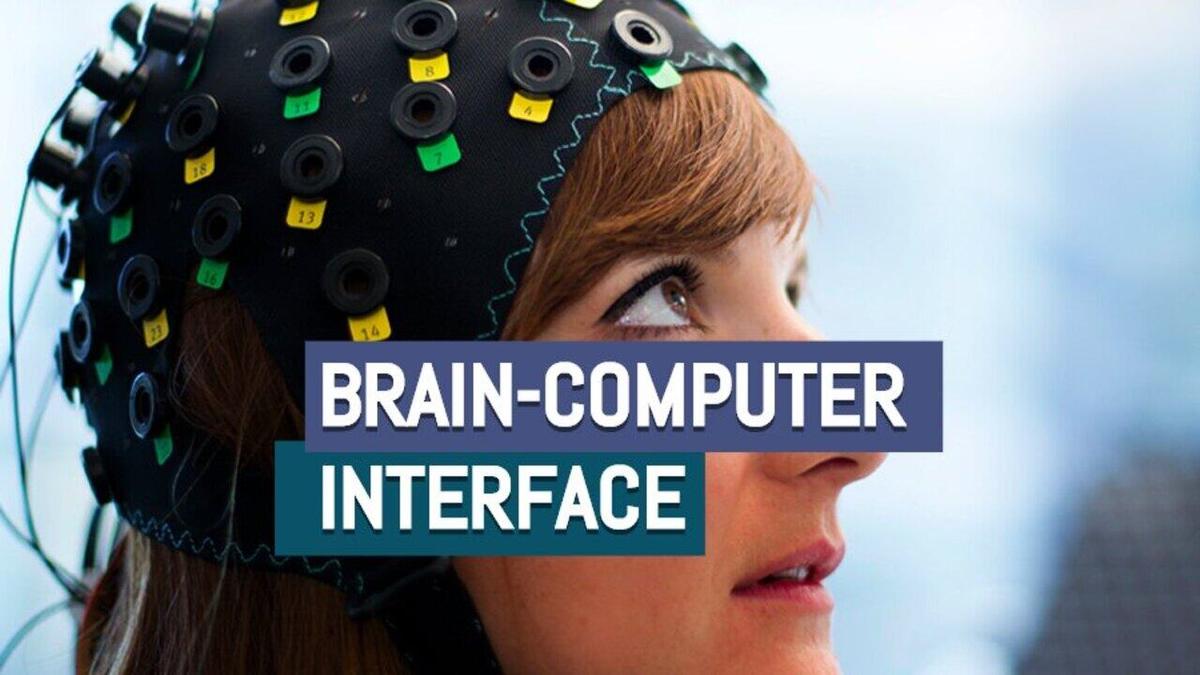
Brain Returns to Thought with Computer Interface
Automatically translated
Science has developed a new AI-based brain computer interface (BCI) that can only turn people into the sound of internal conversations remaining at the thought level in the human brain. This technology brings the paralysis and speech ability to re-contact individuals who have lost, as well as the ethical and social dimension of mind reading technology.
Zihinden Sese Giden Road: Mind Reading Technology
Humanity sought ways to export thoughts throughout history. The article’s invention has made thoughts permanent; telephone and internet were able to communicate with remote distances. Today scientists create the next ring of this chain: to convert thoughts directly into voice.
Stanford, Berkeley and UCSF-based researchers capture electrical signals in the brain, thanks to microchips and artificial intelligence algorithms that comment on them, almost real-time sentences passing through people’s heads a system that can transfer to audio developed.
This system, which is revolutionary for individuals who live with diseases that lost their speech orphanage, especially like paralysis and ALS (Amyotrophic Lateral Sklerosis), captures thoughts known as “inner speech”.
What is Brain Computer Interface (BCI)?
The brain computer interface (Brain Computer Interface) is systems that transfer neurons in the human brain to computers electrical signals. Neurons communicate with each other with electrical impulses called action potential. The simultaneous operation of the neuro in spindles creates our speech, movement and thoughts.
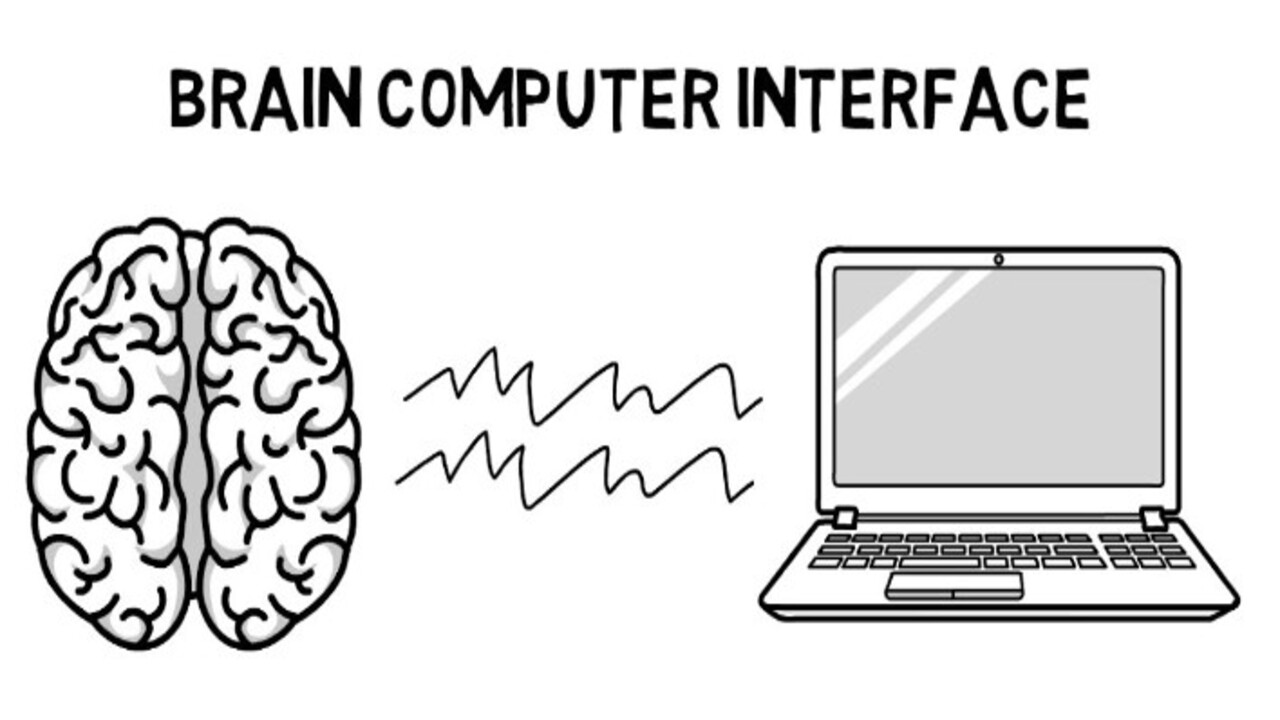
BCI technologies are examined in two main groups:
Non-invasive BCI: It makes measurement outside the skull, EEG (electroensefalography) is the most common method. Secure but data resolution is limited.
Invaziv BCI: The electrode is placed on the brain tissue. With microelectrot arrays, data can be received at one neuron level, is much more sensitive but surgical risk
The sound-converting technology from newly developed thought uses invasive methods to ensure high accuracy. Signals taken from the areas where the brain plans to speak are transformed into words and phrases with artificial intelligence algorithms.
From First Experiments to Today
The foundation of BCI technology was laid in 1970s. During that period, experiments were conducted in mice with electrodes that detect simple motor commands. The first EEG-based trials on human in 1990s were only divided into simple hand movements.
In 2000s, invasive BCI systems have been developed and allowing paralysis patients to control robotic arms. In 2010, it was focused on language and conversation with the development of AI algorithms. In this period, the signals of “inner speech” Home First studies on text and voice conversion started.
Made in 2025 Stanford-UCSF workrepresents the most advanced step in converting audio from thought. This system does not only cast words to text, but it can also produce voice in real time
“Internal Talk” and Role of Fonems
Internal speaking (inner speech) are words and phrases that the person considers himself. For example, when we say “the weather is beautiful” from our head, our brain plans to talk, but the sound wires are not used.
These thought processes appear as electrical signals in speech centers such as motor cortex and Broca region of the brain. Microelectrot arrays transfer these signals to artificial intelligence.
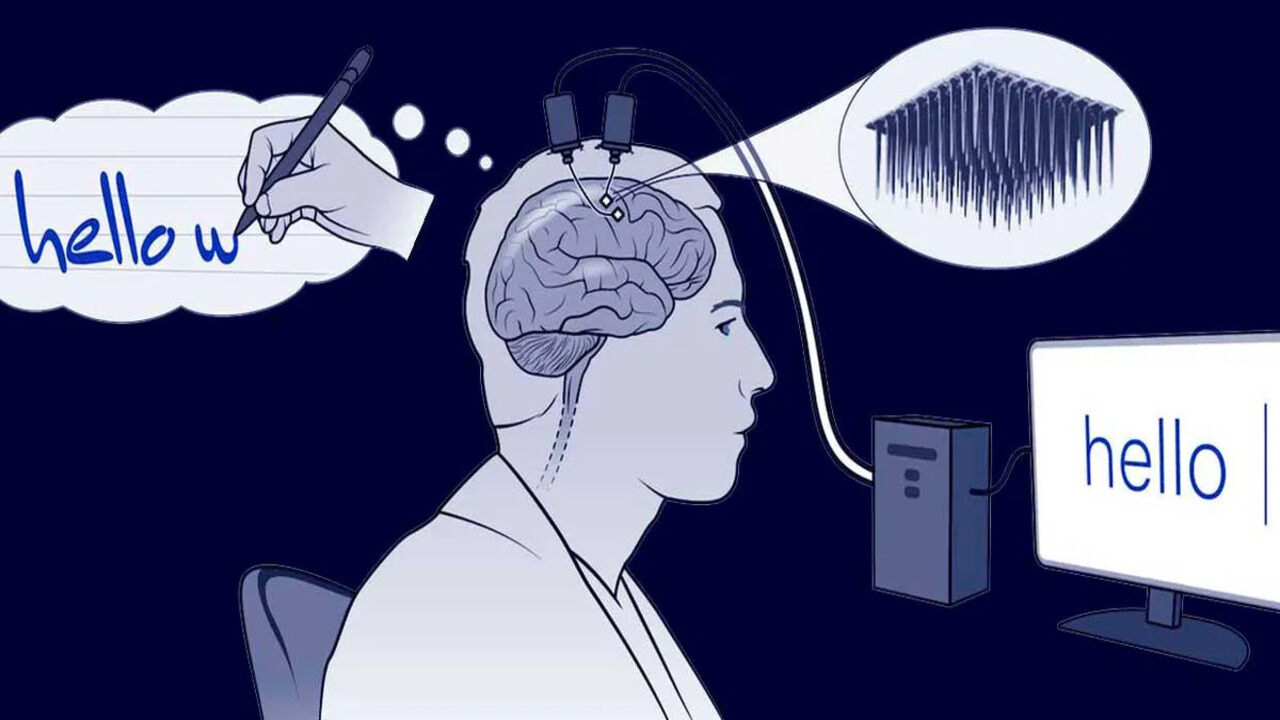
Artificial intelligence algorithms distinguish signals to audio units called fundem. Fonem is the smallest volume of a language and is the basic building stone in word production. Then the words and phrases are created by combining funds. Thanks to this method, the system can produce meaningful speech directly from thought.
Real Time Sound Production With Artificial Intelligence
BCI systems not only produce text but also provide real-time audio production. Artificial intelligence makes it possible for communication to be natural by producing an artificial sound similar to the sound of the patient.
For example, the Berkeley team allowed a paralysis patient to communicate at a distance of 47.5 words per minute. This speed corresponds to one third of the natural speech and the latency is only around 1 second. The method called streaming is used in these systems. So neural signals are instantly processed and sentences are produced in seconds. Thus, the patient can express his thoughts without delay.
Competition Companies and Projects
In the field of BCI many companies and laboratories competition:
Neuralink: Elon Musk’s initiative works on wireless and high resolution implants. It is possible to use computer and phone only thinking of targeted individuals. |
Tags: clinical tests with FDA approved devices. It allows people to control devices without using their fingers or keyboard. |
Core: It explores new areas of applications that measure brain signals related to memory and feeling. |
These companies aim to develop commercial solutions as well as academic research.
Neuroscience Background of Mental Reading Technology
Brain signals appear to produce action potential of neurons. These electrical impulses occur at millisecond level. Interface systems measure these signals, produce comments and meaningful outputs with AI algorithms.
Speech signals are usually manufactured by motor cortex and Broca region. Motor cortex plans muscle movements; Broca region controls the structure and production of the language. During internal speech, these regions become active, but the sound wires are not used. Microelectrot arrays transfer this activity to the system.
Clinical Applications
Although BCI technology is primarily developed for paralysis and ALS patients, it can also be used in different fields:
Speech rehabilitation: The brain recovers the ability of communication in felci or traumatic brain damage. |
Military and security applications: Control systems with quiet commands or quick thought. |
Education and game: Device control with brain signals, development of mental abilities. |
Medical research: Review of neurological diseases and development of treatment strategies. |
About Ethics and Social Discussions
The prevalence of BCI technology brings ethical and social questions:
Privacy: The user can read his thoughts without permission.
Access inequality: Access to technology can only be limited to certain groups.
Free will and privacy: People are open to discuss control over their own mental data.
Medical risks: A risk of infection and nerve damage in invasive BCI requiring brain surgery.
The researchers emphasize that these systems must be restricted by international ethical standards.
What is the Future Vision of Artificial Intelligence from Thought?
BCI technology will enter daily life with fully wireless, portable and miniature implants in the coming years. Brain signals can be used not only for speech, but also in memory, emotions and learning processes.
In the future, people can only control computers and smart devices with thoughts; technology that can re-contact individuals with paralysis may have. However, ethical, privacy and access issues are similar to the decisive nail in the prevalence of technology.
“Think to sound” technology is a revolutionary step for humanity. Felçli and offers the opportunity to re-contact for those who have lost their speech capacity. But at the same time, ethical, legal and social problems also carry on agenda. In the next decade, both technical and social impact of this technology will determine the balance between science and society.
OpenAI: ChatGPT Erotik İçerik Sunmaya Hazırlanıyor


Tasarım Yapay Zeka ile Nasıl Kullanılır?