



ChatGPT Voice Chat: 2026 Multimodal Interaction Guide
Automatically translated
 Writer
In the AI world, text-based interactions have now given way to far more intuitive, fast and biometrically aware human-like experiences. In 2026, ChatGPT voice chat features have gone beyond simple technological novelties and become a core part of global workflows and personal routines. As reliance on keyboards gives way to the fluidity of natural language, digital assistants are no longer just tools that take commands. They are positioned as cognitive partners that can understand fatigue, excitement or urgency in a user's voice. This means information is not only processed but also made accessible anytime and anywhere, without friction, through the most natural human form: speech.
What Is ChatGPT Voice Chat Technology and Its Technical Infrastructure?
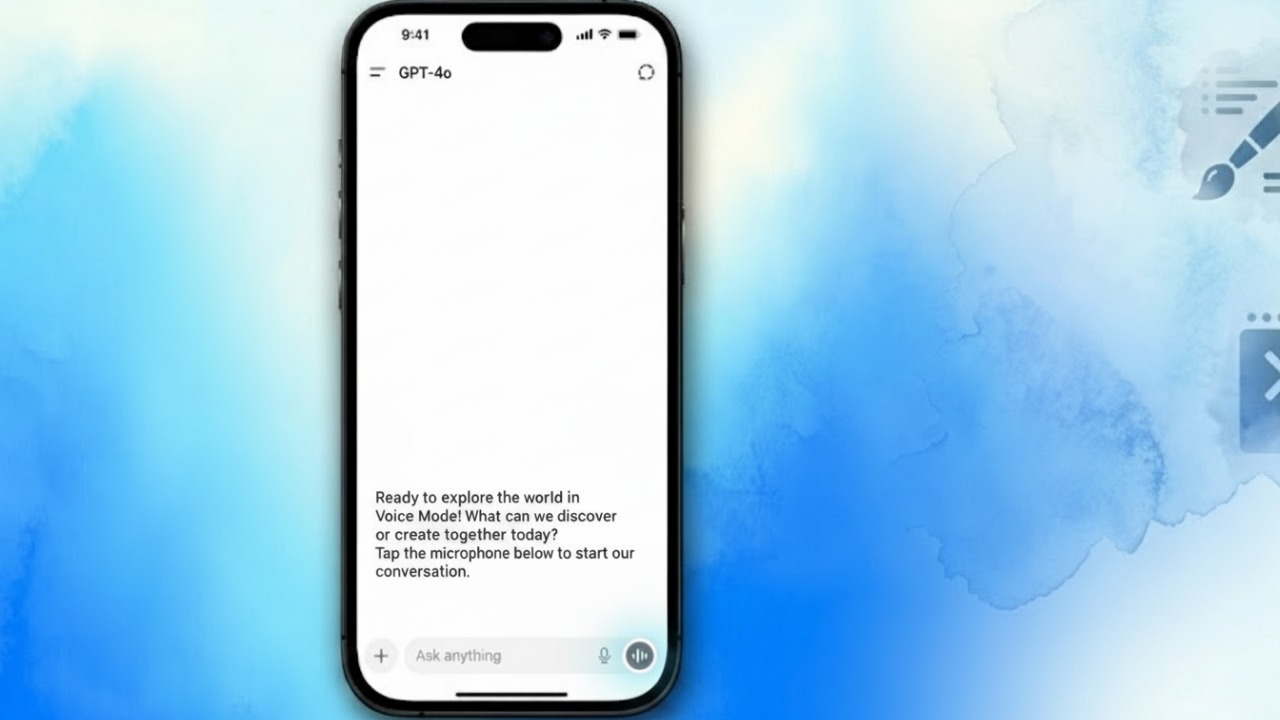
Behind ChatGPT's spoken communication capabilities lies an architecture far beyond traditional text-to-speech (TTS) systems. GPT-4o multimodal voice mode, can process audio data directly as sound waves. This reduces latency to milliseconds, so conversation flows with a natural rhythm, emphasis and even emotional intonation.
By 2026 standards, this technology can analyze every detail, from the user's breathing to their pauses. Low-latency edge servers allow the infrastructure to respond instantly even to complex queries. This structure does not just understand words; it generates responses by grasping context and the speaker's intent. As a result, the interaction moves beyond a mechanical process and becomes a real dialogue.
How Do Voice AI Assistants Improve Work Efficiency in 2026?

In business, time is the most valuable currency. Using ChatGPT as a voice assistant is pushing professionals' multitasking abilities to new heights. You no longer need to be at a screen to take meeting notes, summarize complex reports or dictate emails.
Hands-free Operations: Engineers or surgeons working in the field can ask AI about complex procedures without using their hands.
Strategic Decision Support: During a meeting, you can ask a voice assistant to analyze market data in real time and make data-driven decisions.
Personal Schedule Management: Resolving calendar conflicts and managing reminders with voice commands can increase productivity by up to 40%.
How Do You Do Real-Time Translation and Language Learning with ChatGPT Voice Chat?
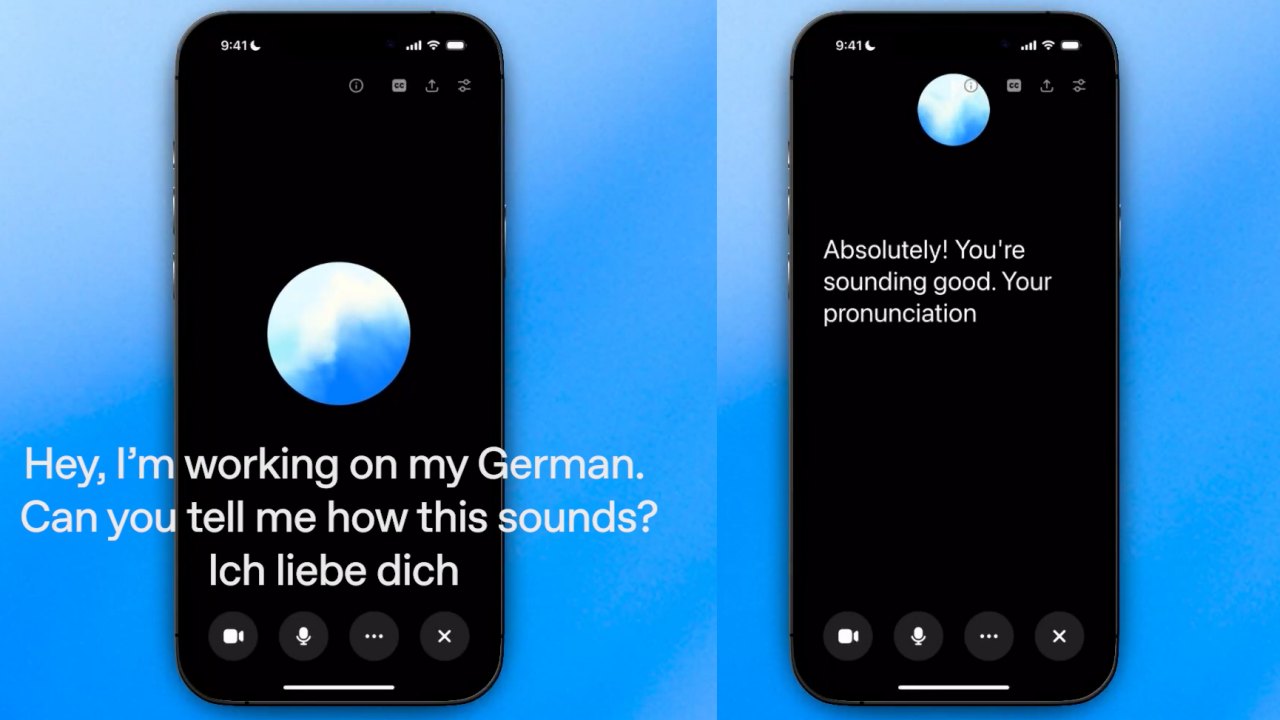
Language barriers are becoming a thing of the past. The 2026 version of ChatGPT's Turkish voice support has improved to the point of recognizing even local dialects and idioms. This has brought AI-powered voice translation much closer to professional interpreter quality.
On overseas trips or in international job interviews, you can use ChatGPT as an interpreter. In conversation mode, when the device is placed on the table, the system detects both languages and translates simultaneously. For language learners, this technology is an excellent practice partner. The AI corrects pronunciation, offers gentle suggestions to improve word usage and speaks at a pace suited to your level.
Multimodal Interaction: How Do Voice, Image and Text Integration Work?
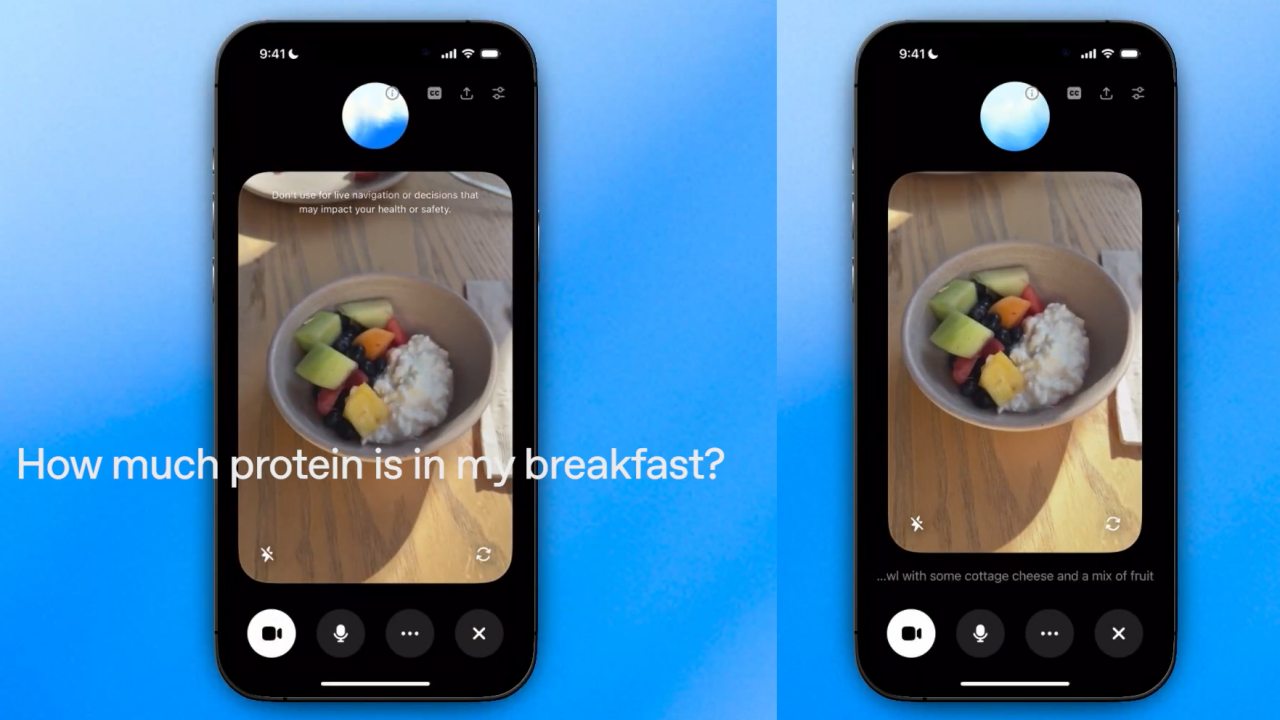
The biggest innovation of 2026 is that this interaction is not limited to voice. Multimodality, means AI perceives the world the way we do. When you turn on your camera in voice mode, ChatGPT can see what you are looking at and talk with you about it.
For example, if you show the ingredients in your kitchen to the camera and ask, "What can I cook with these?", your voice assistant identifies the ingredients, suggests a recipe and guides you step by step while you cook. This integration happens when visual data combines with text context and turns into spoken output. This harmony of voice, image and text turns AI from a passive tool into an active observer.
Technical Tips for Voice Search Optimization (VSO) and GEO Strategies

The growth of voice interaction has also fundamentally changed digital marketing. Users now search on Google or ChatGPT with long, natural sentences instead of short keywords. This is where voice search optimization (VSO) and generative engine optimization (GEO) come into play.
To make your content visible in this new 2026 search ecosystem, the following strategies are recommended:
Question-and-Answer Focus: Give clear answers to direct questions such as "How do you...?" or "What is...?" in your content.
Natural Language Use: Avoid robotic phrasing and write the way people speak.
Local SEO: Most voice searches target nearby or local information. Therefore, emphasize location-based keywords.
Quick Answer Formats: Use structured data so that AI can easily scan your content and deliver it as a spoken answer.
As of 2026, voice AI has moved from a luxury to the standard way of being present in the digital world. In this new era shaped by ChatGPT voice chat features, those who not only consume technology but also build a multimodal collaboration with it will be the winners of the future.
WriterTeknoloji Devi Google Güney Kore'de AI Üssü Kuruyor!


Robotlara Yapay Kas Lifi: Biyonik Protez Teknolojisi


