Skip to content
Back to blog list
Robotlara Yapay Kas Lifi: Biyonik Protez Teknolojisi
Robotics

Artificial Muscle Fiber for Robots: Bionic Prosthetics Technology

Automatically translated
Can Kepenekoğlu
Can KepenekoğluWriter
4 min read
A new artificial muscle fiber can imitate the movement of human muscles. Bionic prosthetics, soft robotics, use in healthcare and industry, and technical and ethical challenges.

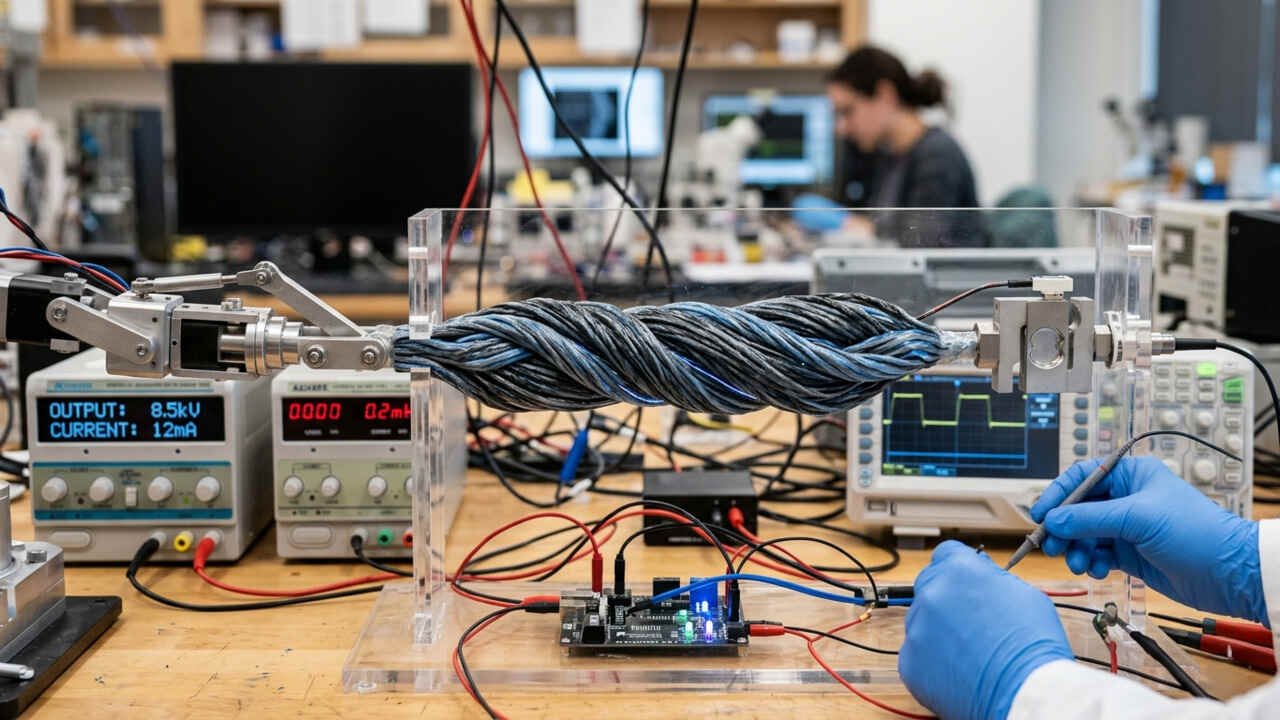
In robotics and bionic technology, a breakthrough has come from researchers at MIT (Massachusetts Institute of Technology). The artificial muscle fiber under development opens a new era for both bionic prosthetic technology and robotic systems. Thanks to this development, it can imitate the natural movements of human muscles, while also surpassing mechanical systems known for their flexibility and strength.
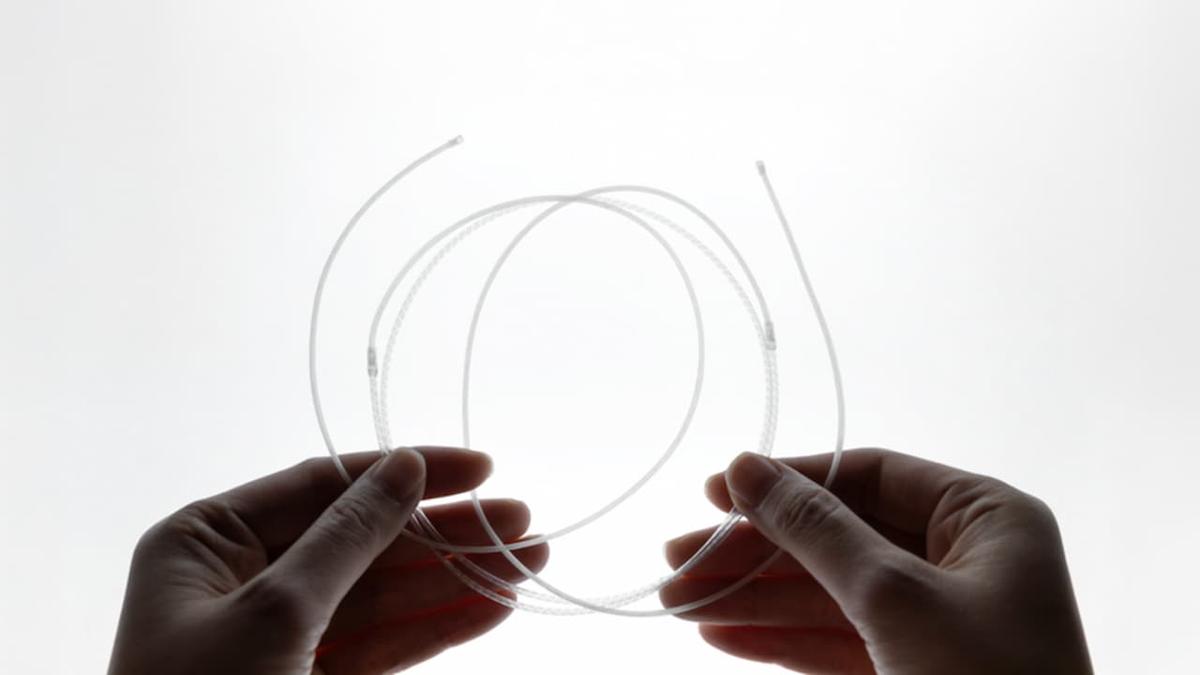
Yapay kas lifi görseli

Through their work, the researchers succeeded in copying the working principles of artificial muscle fibers to develop lighter and more durable bionic prostheses. This technology is considered an important step, especially in wearable joint technology.

What Is an Artificial Muscle Fiber? A Technological Copy of Natural Movement

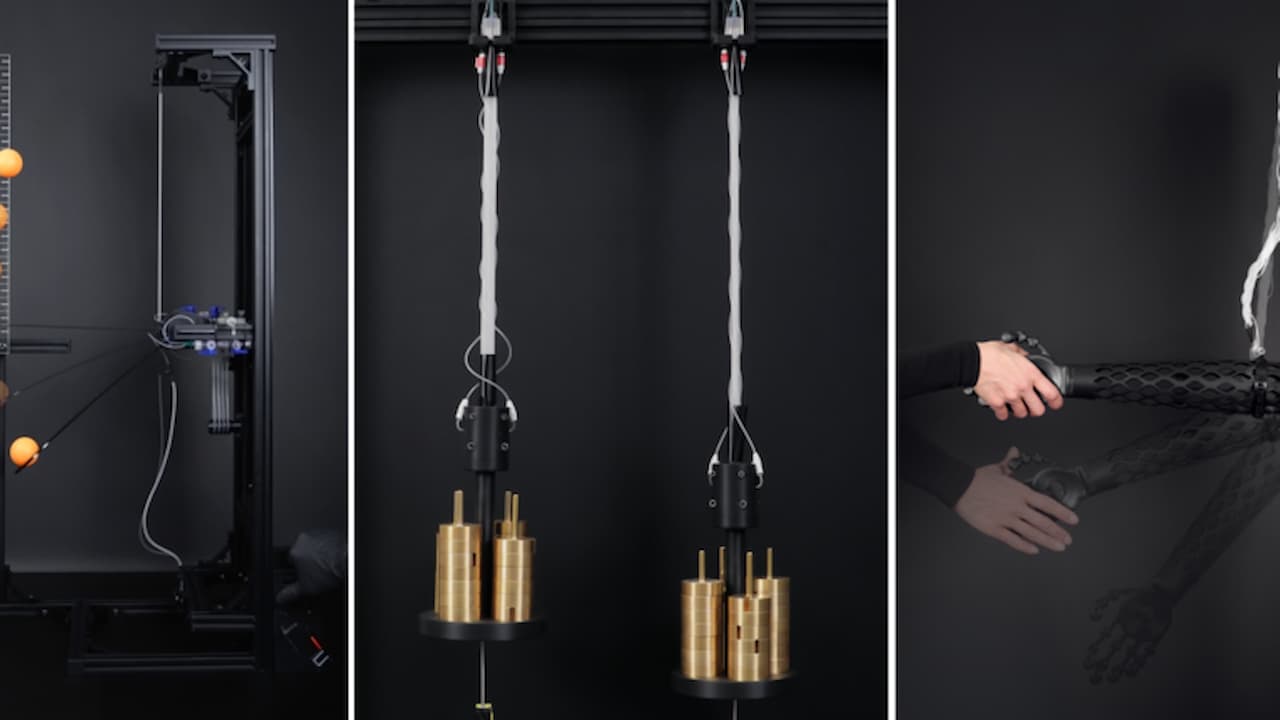
Artificial muscle fiber is a synthetic structure that can contract and relax through electrical and chemical stimulation. The system aims to achieve natural movements by mimicking the working logic of human muscles. The new system combines two technologies. Thanks to electrofluidic nylon muscles built in fiber form and Electrohydrodynamic (EHD) technology, which can generate pressure inside without moving parts or a fluid source, robotics has gained more movement capability than ever before. These electrofluidic muscles can help a person lift heavy loads, and they may also be useful in wearable applications such as assistive devices.

When loaded, the content comes from YouTube servers; YouTube may place cookies on your device and receive information about your visit.
  • Looking at traditional robotic systems and the newly developed artificial muscle fibers:

  • They are rigid and heavy

  • They are limited in precise movements

  • They consume a lot of energy.

  • Artificial muscle fibers, on the other hand, are:

  • Flexible and lightweight

  • Produce more natural movement

  • Energy efficient.

  • The new generation of fibers developed by MIT stand out for their large force increase as well as their robustness. This makes these fibers both portable and wearable.
    biyonik-protez-deney

Bionic Prosthetic Technology: Growing Human-Machine Harmony

Bionic prosthetic technology is on the threshold of a major transformation with artificial muscle fibers. As we mentioned earlier, while classical robotic systems generally offer limited movement capability, newly developed bionic prosthetic technology offers natural and fluid movements. With the integration of the new muscle fibers, users can achieve more precise motion control. They can reach response times similar to those of human muscles, which are very fast. At the same time, comfort increases during long-term use.

This development can be considered revolutionary, especially for arm and leg prostheses. Users can now have an experience that is much closer to natural. In addition, by integrating sensor technologies, bionic prostheses can detect the person's nerve signals and replicate movements very closely.

Soft Robotic Systems: Flexibility and Safety in Focus

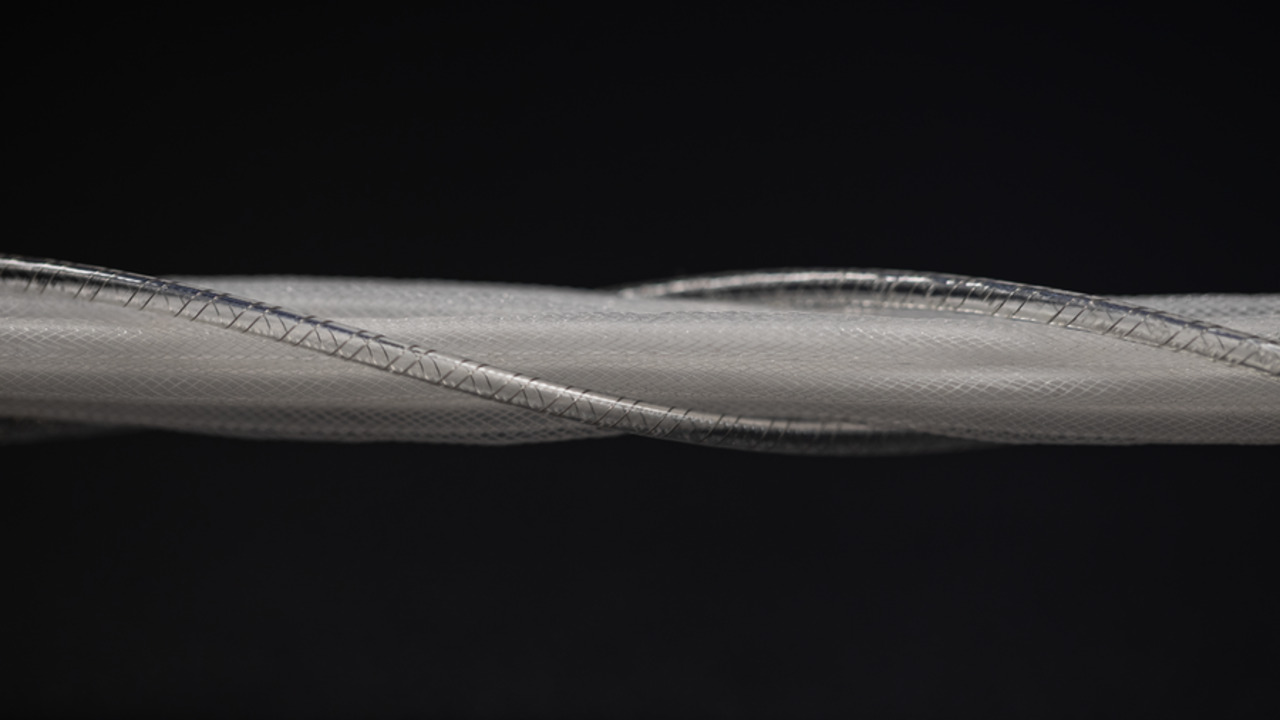
The aim of soft robotic systems is to create more adaptable robotic parts by using flexible materials instead of rigid metal components. Artificial muscle fibers form one of the most critical components of these systems. Thanks to their comfortable range of motion, they move easily in delicate tasks. They are also much more effective and task-oriented in narrow spaces.

This robot technology, used especially in the healthcare sector, can provide significant advantages. Surgical support systems, rehabilitation robots, and care robots are becoming more effective thanks to the flexible artificial muscle fibers being developed. The developed artificial muscle fibers greatly increase the movement capabilities of robots, offering safer and more controlled operation.
Yumuşak robotik sistem

Potential Uses in Healthcare and Industry

Artificial muscle fiber technology also offers major opportunities in healthcare and industry sectors beyond everyday use. Prominent areas include:

Rehabilitation: In physical therapy processes, robots working with artificial muscle fibers can actively assist patients' treatment. In this way, both safe service and successful treatment outcomes can be achieved.

Industrial robots: Thanks to humanoid muscle fibers, more flexible and precise production processes can be adopted. The combination of human limb-like structures with robotic technology offers human-like capability in tasks such as transport and production that already exist.

Military technologies: Wearable joint supports and bionic prosthetic technologies are very suitable for military use. Soldiers can achieve both greater durability and high success rates in demanding tasks thanks to joint supports and bionic prostheses.

Space research: These technologies are seen as ideal for space missions thanks to their low weight and high movement capability. Countries that send people into space have undergone major changes in their astronaut suits over time. Thanks to artificial muscles and prostheses, moving and carrying out tasks in space may become much easier.

When loaded, the content comes from YouTube servers; YouTube may place cookies on your device and receive information about your visit.

Ethical and Technical Challenges

As with every new technology, artificial muscle fibers also bring certain challenges. The most important is that they require long test periods. Since this structure operates with electrical stimulation, the possibility of losing control in any adverse situation is not small. In addition, it must be fully compatible with the human body. Otherwise, it may lead to unwanted outcomes. From a cost perspective, it should be kept in mind that these are quite expensive systems. Production and wider adoption take a very long time, and these systems require substantial financial resources.

In robotics and bionic technology, a breakthrough has come from researchers at MIT (Massachusetts Institute of Technology). The artificial muscle fiber under development opens a new era for both bionic prosthetic technology and robotic systems. Thanks to this development, it can imitate the natural movements of human muscles, while also surpassing mechanical systems known for their flexibility and strength. Through their work, the researchers succeeded in copying the working principles of artificial muscle fibers to develop lighter and more durable bionic prostheses. This technology is considered an important step, especially in wearable joint technology. What Is an Artificial Muscle Fiber? A Technological Copy of Natural Movement Artificial muscle fiber is a synthetic structure that can contract and relax through electrical and chemical stimulation. The system aims to achieve natural movements by mimicking the working logic of human muscles. The new system combines two technologies. Thanks to electrofluidic nylon muscles built in fiber form and Electrohydrodynamic (EHD) technology, which can generate pressure inside without moving parts or a fluid source, robotics has gained more movement capability than ever before. These electrofluidic muscles can help a person lift heavy loads, and they may also be useful in wearable applications such as assistive devices. Looking at traditional robotic systems and the newly developed artificial muscle fibers: They are rigid and heavy They are limited in precise movements They consume a lot of energy. Artificial muscle fibers, on the other hand, are: Flexible and lightweight Produce more natural movement Energy efficient. The new generation of fibers developed by MIT stand out for their large force increase as well as their robustness. This makes these fibers both portable and wearable. Bionic Prosthetic Technology: Growing Human-Machine Harmony Bionic prosthetic technology is on the threshold of a major transformation with artificial muscle fibers. As we mentioned earlier, while classical robotic systems generally offer limited movement capability, newly developed bionic prosthetic technology offers natural and fluid movements. With the integration of the new muscle fibers, users can achieve more precise motion control. They can reach response times similar to those of human muscles, which are very fast. At the same time, comfort increases during long-term use. This development can be considered revolutionary, especially for arm and leg prostheses. Users can now have an experience that is much closer to natural. In addition, by integrating sensor technologies, bionic prostheses can detect the person's nerve signals and replicate movements very closely. Soft Robotic Systems: Flexibility and Safety in Focus The aim of soft robotic systems is to create more adaptable robotic parts by using flexible materials instead of rigid metal components. Artificial muscle fibers form one of the most critical components of these systems. Thanks to their comfortable range of motion, they move easily in delicate tasks. They are also much more effective and task-oriented in narrow spaces. This robot technology, used especially in the healthcare sector, can provide significant advantages. Surgical support systems, rehabilitation robots, and care robots are becoming more effective thanks to the flexible artificial muscle fibers being developed. The developed artificial muscle fibers greatly increase the movement capabilities of robots, offering safer and more controlled operation. Potential Uses in Healthcare and Industry Artificial muscle fiber technology also offers major opportunities in healthcare and industry sectors beyond everyday use. Prominent areas include: Rehabilitation: In physical therapy processes, robots working with artificial muscle fibers can actively assist patients' treatment. In this way, both safe service and successful treatment outcomes can be achieved. Industrial robots: Thanks to humanoid muscle fibers, more flexible and precise production processes can be adopted. The combination of human limb-like structures with robotic technology offers human-like capability in tasks such as transport and production that already exist. Military technologies: Wearable joint supports and bionic prosthetic technologies are very suitable for military use. Soldiers can achieve both greater durability and high success rates in demanding tasks thanks to joint supports and bionic prostheses. Space research: These technologies are seen as ideal for space missions thanks to their low weight and high movement capability. Countries that send people into space have undergone major changes in their astronaut suits over time. Thanks to artificial muscles and prostheses, moving and carrying out tasks in space may become much easier. Ethical and Technical Challenges As with every new technology, artificial muscle fibers also bring certain challenges. The most important is that they require lo

Etiketler:Yapay Kas LifiGiyilebilir Eklem DestekleriBiyonik Protez Teknolojisi
Can Kepenekoğlu
Can KepenekoğluWriter
@CanKepenekoglu

Comments (0)

Log in to comment.

Log in
No comments yet. Be the first to comment!