Skip to content
Back to blog list
İngiltere'de Siber Güvenlik Krizi: PHP Güvenlik Açığı
Cybersecurity

Cyber Security Crisis in England: PHP Security Alet

Automatically translated
Özkan Günalp
Özkan GünalpWriter
4 min read
We review how the critical PHP vulnerability of CVSS 9.2 points left offline in UK than 32 public services.

When one of the invisible basic stones of the Internet is wrapped, the echoes in the digital world are felt in hours not months. Critical to parasitize the UK public infrastructure in recent days of October 2026 PHP vulnerabilityThis fact shots our face with all hardness. In this event that turned into a national security crisis, more than 30 digital services have to be completely isolated from the outside world.

Why did Public Services in the UK Get offline?

The UK government decided to urgently withdraw the plug of 32 different digital public service that citizens often use. A DDoS attack or ransom software behind such an unprecedented downtime lays a critical vulnerability in PHP programming language used in the infrastructure of systems. The authorities chose to protect billions of pounded data by implementing the strategy "front close, then patch" rather than waiting for the attackers leak into the system. This radical decision once again proved how fragile the public digital infrastructure is against open-source dependency.

Dijital ortamda hükümet binalarını simgeleyen yapıların önünde yükselen kırmızı kilitler ve erişim engeli logoları.

Sarsan Threat: What is CVE-2026-109618?

In the center of the subject interruption, cyber security CVE-2026-109618 and CVE-2026-109619 coded in the world, rated by 92 (Critic) CVSS score. This error known as memory tasting allows attackers to run remote code without requiring no authentication. This clear is triggered by sending a malicious HTTP request tailored to the server. The system carries memory when processing this incorrect request and gives the attacker full control authority on the server.

Sunucu anakartı üzerinde kapasitesini aşarak dışarı taşan parlak kırmızı veri akışlarını gösteren bellek taşması tasarımı.

Common Software Components: Is It A Quiet Risk For National Security?

PHP is a huge ecosystem working on the server side of about 75 percent of websites on the internet. If a public institution relies on how much the code he writes, you trust, a crack in such basic components that he uses in his infrastructure is unconscious. The event in the UK shows that national security threats come with no more cross-border missiles, but with zero daylights in widely used software libraries. A single faulty code block can collapse the digital nervous system of a whole country from tax systems to health records in hours.

Kamu altyapısını temsil eden devasa bir dişli sisteminde, tek bir hasarlı kırmızı dişlinin tüm mekanizmayı durdurduğunu gösteren soyut tasarım.

How Does Public Institutions Work Cyber Attack Process?

In this type of wide-diameter explains offensives detect all vulnerable servers open to the internet with automated scanning tools instead of choosing their goals individually. In the UK case, when the PHP servers were detected, bot networks start sending special malicious packages to those servers instantly. When memory is triggered, the attacker opens a "back door" in the system. Then it reaches databases by deleting the network of the institution or encrypts the entire system by distributing ransomware. The main reason for the fact that the government’s 32 service suddenly shut down, it was physically hacking this automatic leaking process.
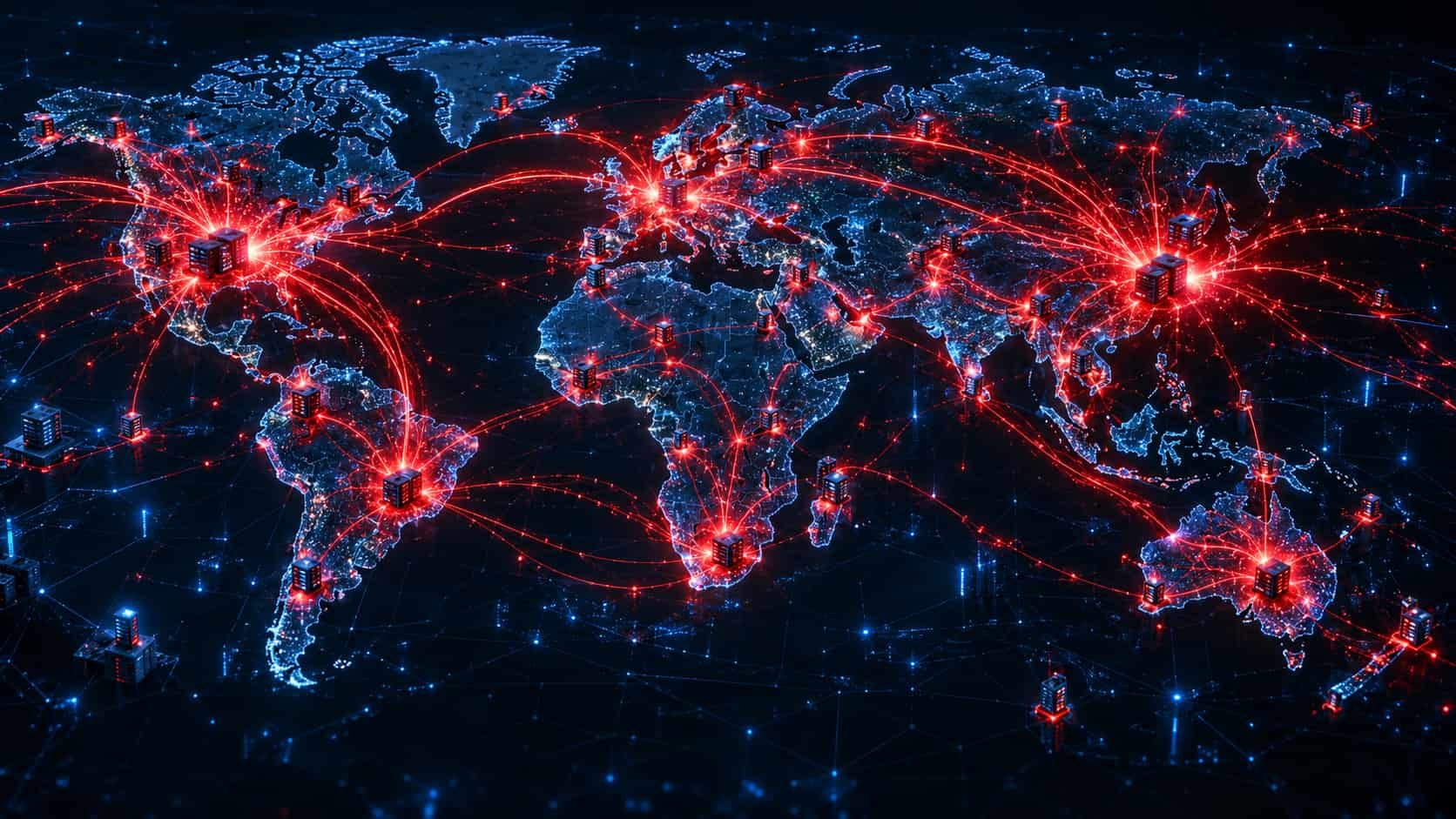
Dünya haritası üzerinde belirli bir merkezden çıkıp kamu ağlarına sızan kırmızı siber saldırı vektörlerini simgeleyen teknolojik görsel.

How to Protect from This Cyber Security Threat?

The first and most exact solution against Critical PHP failure is to upgrade systems to safe versions immediately. But in gigantic and bulky architectures like public institutions, hundreds of applications will instantly update servers that work, often lead to system collapses. Therefore CERT-EU cyber security agencies offer temporary measures until patch test is performed. Disabling open sensitive services from the network (as UK does) or the filters of malicious HTTP requests from the Web App Firewall (WAF). Long-term solution is to continuously control the software supply chain using dependency analysis tools.

Sunucu raflarını saran parlayan mavi kalkanlarla yazılım açıklarını yamayan dijital savunma mekanizmalarını gösteren siber güvenlik konsepti.

What does the community think?

The decision of closing the 32 service of the UK has created an intense discussion in the cybersecurity world. A group of experts evaluate the decision of the government "female" as an extremely bold and in-site move; as even hours in the patch process can lead to irreversible data leaks. Another cut, the modern state infrastructures still push the bulky monolithic structures and the old PHP versions so dependent on. According to experts, every institution that does not pass to microservice architecture and implement the "zero trust" policy was convicted to experience similar crises.

Siber güvenlik önlemleri ve açık kaynak yazılım bağımlılığı üzerine tartışan uzmanları simgeleyen karşılıklı dijital silüetler.

Frequently Asked Questions

PHP security deficit affects end users directly?

The angle itself is on the server side, so it will not be transmitted directly to your computer or phone. However, if the database of e-government, banking or health system you use is addressed because of this clear, your personal data will face the risk of being stolen.

Why do public institutions do not immediately patch?

Large state systems consist of thousands of old and new software that speaks with each other. Update a core component (such as PHP) can stop the operation of other applications. Therefore, corporate patches often have to pass through compatibility tests that last weeks.

Does CVE-2026-109618 deficit exist in every PHP version?

No, this type of critical explains often affects certain ranges of release. The systems that use the software’s most up-to-date, officially supported and patched stable version are protected from this threat.

It is one of the hardest facts of modern technology, which can also trigger a global scale attack of codes that stand up digital services of a country. The UK example has proved that digital transformation does not only end the services to the internet; it was measured with its capacity to protect infrastructure in every second, every new line code. In the future, we enter the new era, rather than the large part of the cyber defense budgets of states, to control the open source software components on their servers.

When one of the invisible basic stones of the Internet is wrapped, the echoes in the digital world are felt in hours not months. Critical to parasitize the UK public infrastructure in recent days of October 2026 PHP vulnerability This fact shots our face with all hardness. In this event that turned into a national security crisis, more than 30 digital services have to be completely isolated from the outside world. Why did Public Services in the UK Get offline? The UK government decided to urgently withdraw the plug of 32 different digital public service that citizens often use. A DDoS attack or ransom software behind such an unprecedented downtime lays a critical vulnerability in PHP programming language used in the infrastructure of systems. The authorities chose to protect billions of pounded data by implementing the strategy "front close, then patch" rather than waiting for the attackers leak into the system. This radical decision once again proved how fragile the public digital infrastructure is against open-source dependency. Sarsan Threat: What is CVE-2026-109618? In the center of the subject interruption, cyber security CVE-2026-109618 and CVE-2026-109619 coded in the world, rated by 92 (Critic) CVSS score. This error known as memory tasting allows attackers to run remote code without requiring no authentication. This clear is triggered by sending a malicious HTTP request tailored to the server. The system carries memory when processing this incorrect request and gives the attacker full control authority on the server. Common Software Components: Is It A Quiet Risk For National Security? PHP is a huge ecosystem working on the server side of about 75 percent of websites on the internet. If a public institution relies on how much the code he writes, you trust, a crack in such basic components that he uses in his infrastructure is unconscious. The event in the UK shows that national security threats come with no more cross-border missiles, but with zero daylights in widely used software libraries. A single faulty code block can collapse the digital nervous system of a whole country from tax systems to health records in hours. How Does Public Institutions Work Cyber Attack Process? In this type of wide-diameter explains offensives detect all vulnerable servers open to the internet with automated scanning tools instead of choosing their goals individually. In the UK case, when the PHP servers were detected, bot networks start sending special malicious packages to those servers instantly. When memory is triggered, the attacker opens a "back door" in the system. Then it reaches databases by deleting the network of the institution or encrypts the entire system by distributing ransomware. The main reason for the fact that the government’s 32 service suddenly shut down, it was physically hacking this automatic leaking process. How to Protect from This Cyber Security Threat? The first and most exact solution against Critical PHP failure is to upgrade systems to safe versions immediately. But in gigantic and bulky architectures like public institutions, hundreds of applications will instantly update servers that work, often lead to system collapses. Therefore CERT-EU cyber security agencies offer temporary measures until patch test is performed. Disabling open sensitive services from the network (as UK does) or the filters of malicious HTTP requests from the Web App Firewall (WAF). Long-term solution is to continuously control the software supply chain using dependency analysis tools. What does the community think? The decision of closing the 32 service of the UK has created an intense discussion in the cybersecurity world. A group of experts evaluate the decision of the government "female" as an extremely bold and in-site move; as even hours in the patch process can lead to irreversible data leaks. Another cut, the modern state infrastructures still push the bulky monolithic structures and the old PHP versions so dependent on. According to experts, every institution that does not pass to microservice architecture and implement the "zero trust" policy was convicted to experience similar crises. Frequently Asked Questions PHP security deficit affects end users directly? The angle itself is on the server side, so it will not be transmitted directly to your computer or phone. However, if the database of e-government, banking or health system you use is addressed because of this clear, your personal data will face the risk of being stolen. Why do public institutions do not immediately patch? Large state systems consist of thousands of old and new software that speaks with each other. Update a core component (such as PHP) can stop the operation of other applications. Therefore, corporate patches often have to pass through compatibility tests that last weeks. Does CVE-2026-109618 deficit exist in every PHP version? No, this type of critical explains often affects certain ranges of release. The systems that use the sof

Etiketler:PHP güvenlik açığıPHP siber saldırıSiber güvenlik tehdidi
Özkan Günalp
Özkan GünalpWriter
@ozkngunalp

Comments (0)

Log in to comment.

Log in
No comments yet. Be the first to comment!