



Gemini AI Glasses Are Here: Google and Samsung's Wearable Push
Automatically translated
 Writer
Gemini AI glasses are finally turning a long-anticipated idea in wearable technology into reality. The new hardware and software ecosystem announced in partnership by Google and Samsung aims to free AI from the limits of smartphone screens and integrate it directly into the physical world. Smart glasses that were once seen as science fiction or lab prototypes are now, as of 2026, combining generative AI models' multimodal capabilities to make a strong entry into the mainstream consumer electronics market. This move will fundamentally change the power balance in Silicon Valley, the operating system wars, and everyday human-computer interaction.

Google Glass, Google's first attempt in wearable tech history, could not hold on even to a niche audience despite its technology being far ahead of its time. Its high cost, socially unaccepted design and, most importantly, its lack of content were the reasons. Today's technology ecosystem, however, has reached a maturity that cannot be compared to that era in terms of hardware capabilities, built-in neural processing units and cloud-based AI architectures. By bringing the software flexibility of the Android XR ecosystem, Google and Samsung promise an "ambient computing" era that frees users from constantly looking at a phone screen.
Google's Smart Glasses Journey and the Changing AI Landscape
The tech giant's smart glasses story rests on more than a decade of history and serious lessons from failure. When Google Glass was first introduced, people wearing data glasses on the street were socially shunned, privacy concerns led to lawsuits, and the device failed to solve a clear consumer problem. At that time, the system was little more than a simple screen that projected notifications onto a small prism. In 2026, the technological foundation is entirely different. Today, the focus is less on the hardware itself and more on the cognitive intelligence behind it: the large language models that power the Gemini AI glasses project.
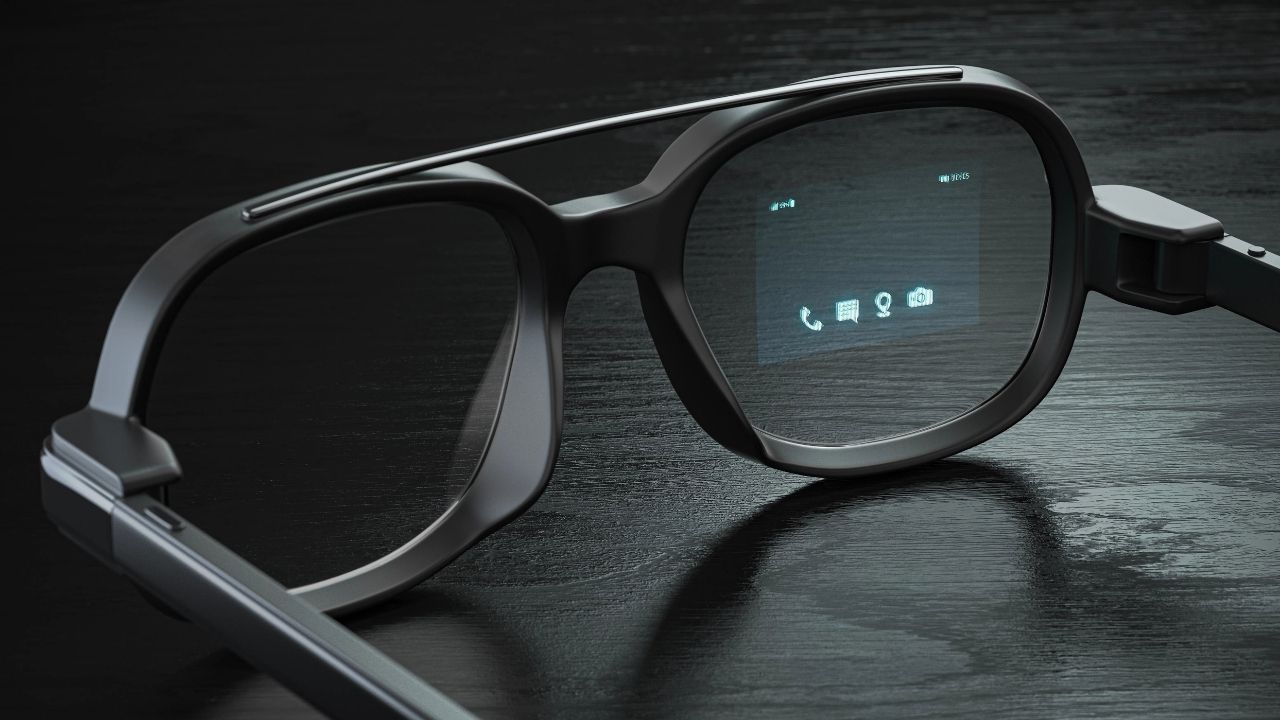
The multimodal stage reached by generative AI has been the biggest catalyst changing the fate of smart glasses. Gemini's ability to process audio, a live camera feed and the user's geographic location at the same time turns the device from a passive display into an active life assistant. Glasses no longer just tell you that an email has arrived. At the moment you look at a building, they can analyze its history, its architectural style and even the menu of a restaurant inside it, and share that with you by voice or on screen. This opens a new era in which technology becomes invisible yet actively supports the user throughout daily life.
What Are Gemini AI Glasses and How Does the Technical Foundation Work?
From a technical standpoint, the new generation Gemini AI glasses architecture draws its power from a hybrid optimization of cloud and on-device AI processors. Ultra-low-power machine learning sensors hidden in the frame continuously scan the user's field of view. The resulting instant visual data is processed in the layer of Google's new Android XR operating system and passed directly to the Gemini model.
The basic principle of the device is to let users access information without losing their context in the physical world. With a classic smartphone, getting information about an object means taking the phone out of your pocket, unlocking it, opening the camera, taking a photo and then searching in a visual search app. With the new Gemini-powered smart glasses, you simply look at the object and ask a question in natural speech. Through its integrated cameras, the system analyzes the object's three-dimensional form, colors, brand or any text on it within seconds, then whispers the answer into your ear through the earphone bridge or displays minimalist graphics on the lens screen.
Ambient Computing and Invisible Technology
This new member of the wearable device market is the most concrete example of the ambient computing approach that has long been theorized in the technology world. Ambient computing describes a model in which computers and screens no longer take up space as masses at the center of our lives, but spread into the environment and become invisible. While the user keeps walking, talking and experiencing the world without being tied to a screen, the AI layer activates when needed. For example, if you call out to your glasses while hurriedly searching for your keys at home, the device's past visual memory records come into play. Because the AI saw the keychain on the table in the split second it entered the camera's angle as you walked through the room, it can tell you exactly which corner to look in. This memory support scenario is the clearest proof that AI is becoming not just a digital assistant but an extension of human perception and memory.
Sector Analysis of Android XR and the Samsung Partnership
For Google to scale its software strength in the hardware market, it has always needed a strong manufacturing partner, as with the Nexus and early Android strategies in the smartphone world. Today, one of the biggest engines behind the Gemini AI glasses move is the strategic partnership with Samsung. Samsung is building the physical body of this project with its global leadership in display panel technology, advanced chipset production capacity and distribution power in the mobile hardware market.
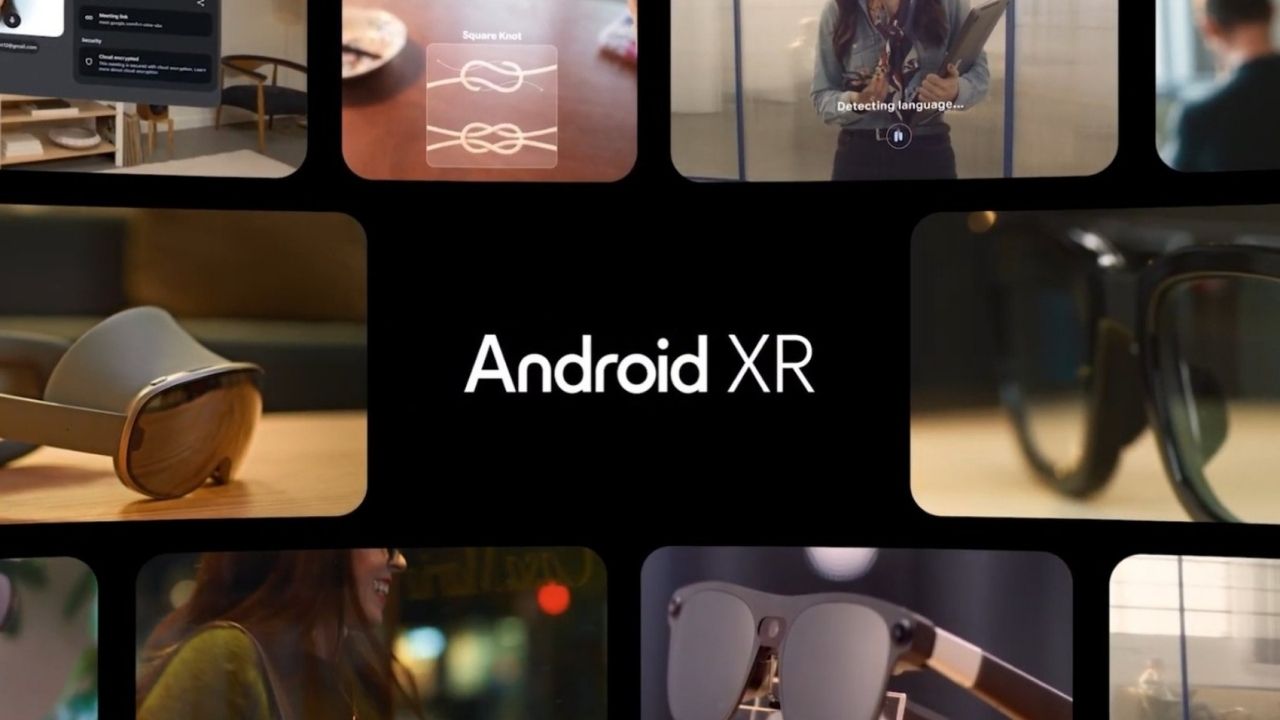
Google, for its part, brings billions of dollars in AI investment to this collaboration, along with a brand-new operating system architecture, Android XR. XR is an umbrella term covering augmented reality, virtual reality and mixed reality technologies. Just as Google turned Android into a global standard by optimizing it for smartphones years ago, it now aims to create a common ecosystem for wearable glasses and headsets with Android XR.
The long-term strategy of this platform is to win over the global software developer community. Millions of Android developers around the world will be able to quickly build apps for smart glasses using development tools they already know. This is expected to create a more flexible, fast-growing and broadly accessible alternative to Apple's closed and very expensive Vision Pro ecosystem. The goal is for the market to gain not just an entertainment-focused consumer tool but a serious productivity platform, combining Samsung's hardware vision with Google's cloud intelligence.
Real-Time Translation and Social Impact
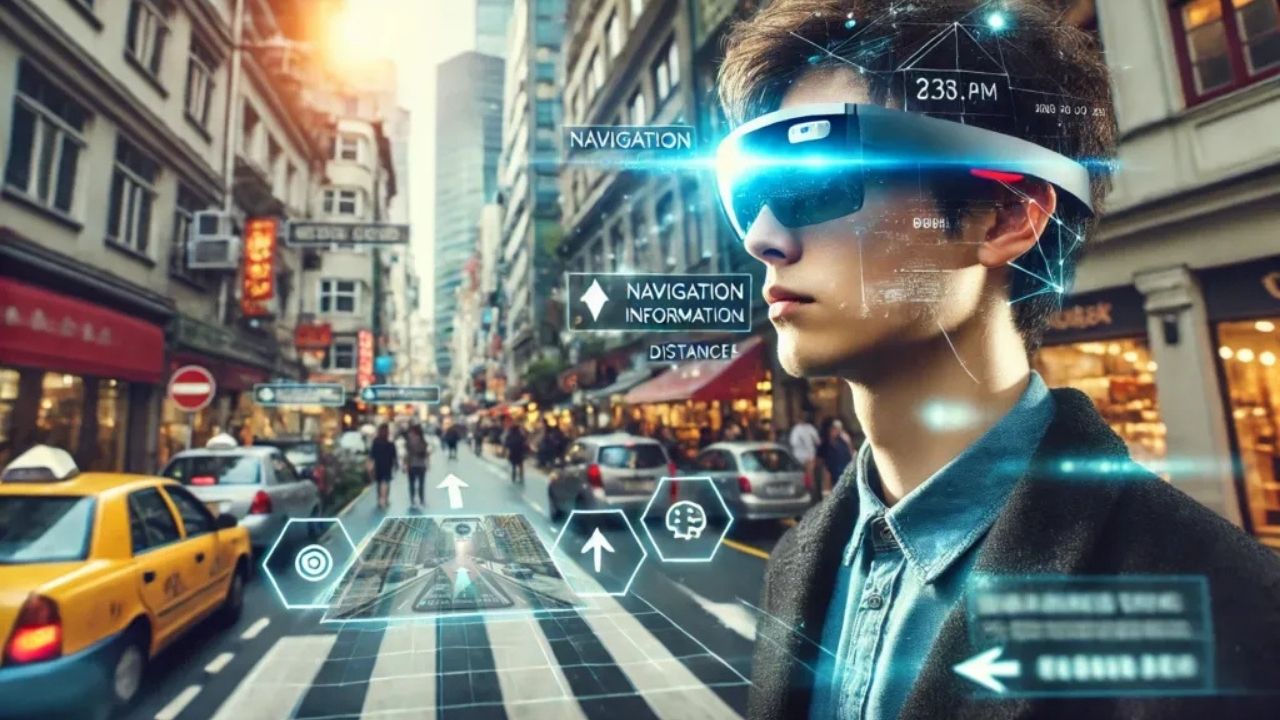
The capability most likely to be talked about, and expected to be the locomotive feature of the new Gemini AI glasses, is real-time multilingual translation. Google's decades-long search database, the Google Translate infrastructure and Gemini's semantic analysis abilities merge into one platform in these glasses. When someone speaks a foreign language in front of you, the device analyzes the sound waves within milliseconds and displays the conversation in your language as subtitles through the smart lenses. In the reverse scenario, it can instantly relay your words to the other person through external sound or a screen.
This technology has the potential to eliminate communication barriers entirely for people traveling in an increasingly globalized world, for Erasmus students studying in different countries, and for professionals working at multinational companies. The awkwardness of smartphone translation apps, such as having to constantly hold the device toward the other person or waiting for the app to load, would become a thing of the past. Conducting this process without losing eye contact and without disrupting the natural flow of human communication could take intercultural interaction to a whole new level.
Looking at Türkiye specifically, it is not hard to predict the revolutionary effects this feature could have on tourism. A local shopkeeper who meets a foreign tourist in Sultanahmet or Cappadocia could communicate flawlessly just by putting on the glasses, without feeling the need to speak the language, and grow their business. In education, the process of learning a foreign language could shift from memorizing grammar theory to a living experience, with instant corrections and practical guidance from AI.

Google AI Glasses vs. Meta Ray-Ban: The Race
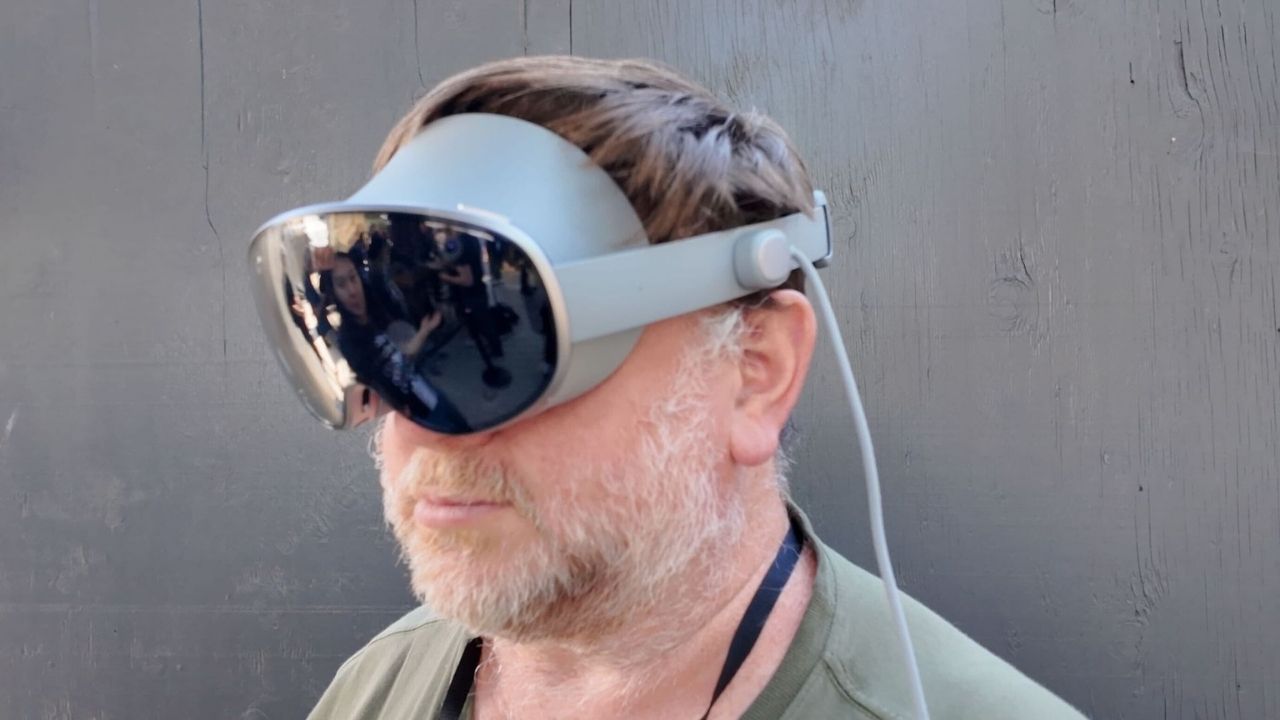
The competition in the wearable AI market is not limited to the Google and Samsung alliance. The current popular player in the industry is Meta, which has achieved early success in the smart glasses market through its partnership with luxury eyewear maker EssilorLuxottica. Meta's smart glasses have won consumer favor with their stylish designs, social media integrations, first-person livestreaming capabilities and basic voice command assistants. However, the Google and Samsung partnership aims to change the rules of the game precisely at this point.
While Meta's approach is largely based on a philosophy of a "camera and social content consumption device," Google is positioning its Gemini AI glasses directly around in-depth information processing, productivity and environmental analysis. With Meta glasses, you can go live for your followers or take photos while walking down a street. With Gemini-powered glasses, however, while walking the same street you can learn which architectural period the historic buildings along the way belong to, filter restaurants whose menus offer only vegan options, or find out whether a business partner whose data matches your agenda is sitting in a café nearby. This deeper contextual intelligence gap clearly shows that competition in the smart glasses market is not just about producing a stylish frame, and that the real battle will take place in the cognitive capacity of AI models.
Hardware Features and Aesthetic Concerns in Design
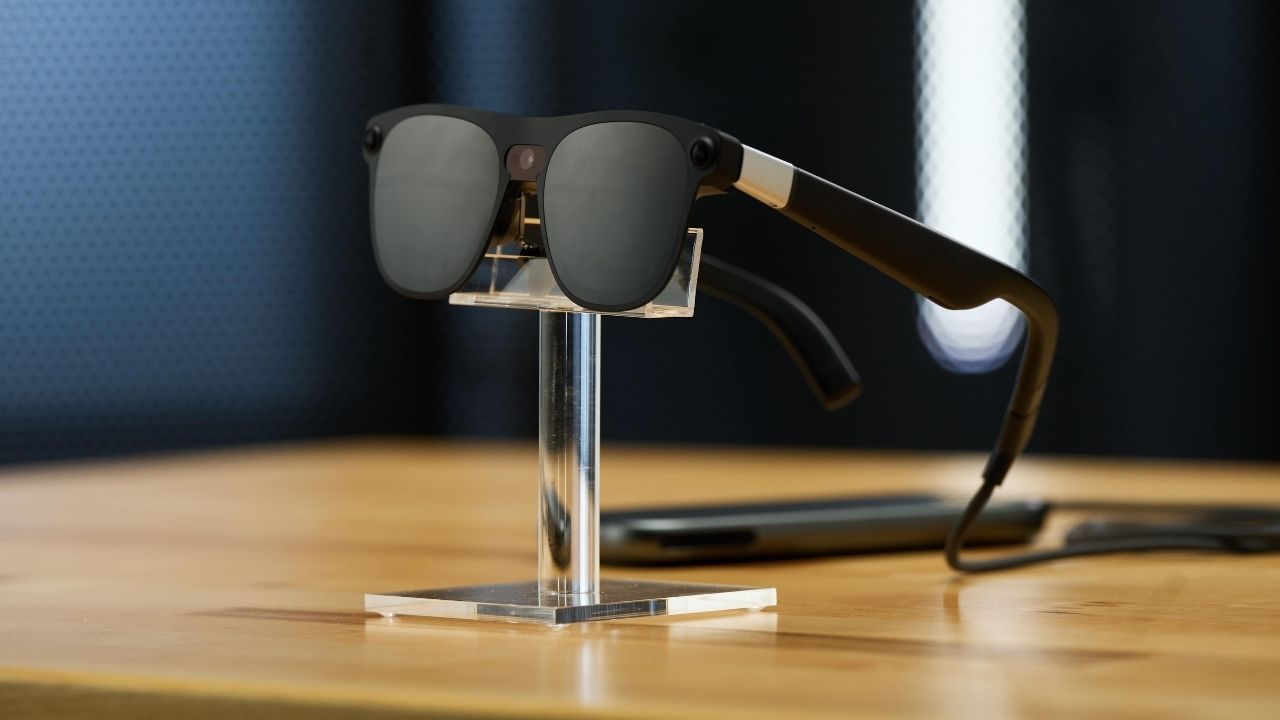
The biggest psychological and physical barrier to smart glasses technologies has always been aesthetics. People do not want an accessory that they will wear on their faces all day and make part of their identity to look crude, heavy or overly "technological." Nearly all past failed smart glasses were rejected in daily life because their designs looked like they had stepped out of a cyberpunk film. Google and Samsung are aware of this and are building their design strategy entirely on the norms of the fashion world. During development, collaborations are underway with global fashion icons, independent eyewear designers and popular optical brands such as Warby Parker and Gentle Monster. The goal is to produce a standard acetate frame that, from the outside, gives no hint that it contains batteries, cameras, optical waveguides and NPU processors, that is light and stylish, and that works with prescription lenses.
Key Functional Capabilities
Beneath the design aesthetics, the hardware is optimized to perform the following core functions flawlessly:
Advanced Voice Gemini Assistant:
Beyond traditional "Hey Google" commands, a voice architecture that can distinguish the user's pauses, hints and background noise and hold dialogues with human-like naturalness.
Smart Navigation Layer:
The ease of finding your way without taking out your phone, on urban walking routes, in complex metro stations or inside shopping malls, thanks to minimalist arrows projected onto the lens.
Camera-Assisted Visual Object Recognition:
A broad AI eye that can identify the brand of a piece of clothing in your wardrobe, look up care guidelines for a plant species on the street, or instantly read the nutritional values and allergen warnings of a product at the supermarket.
Minimalist Notification Management:
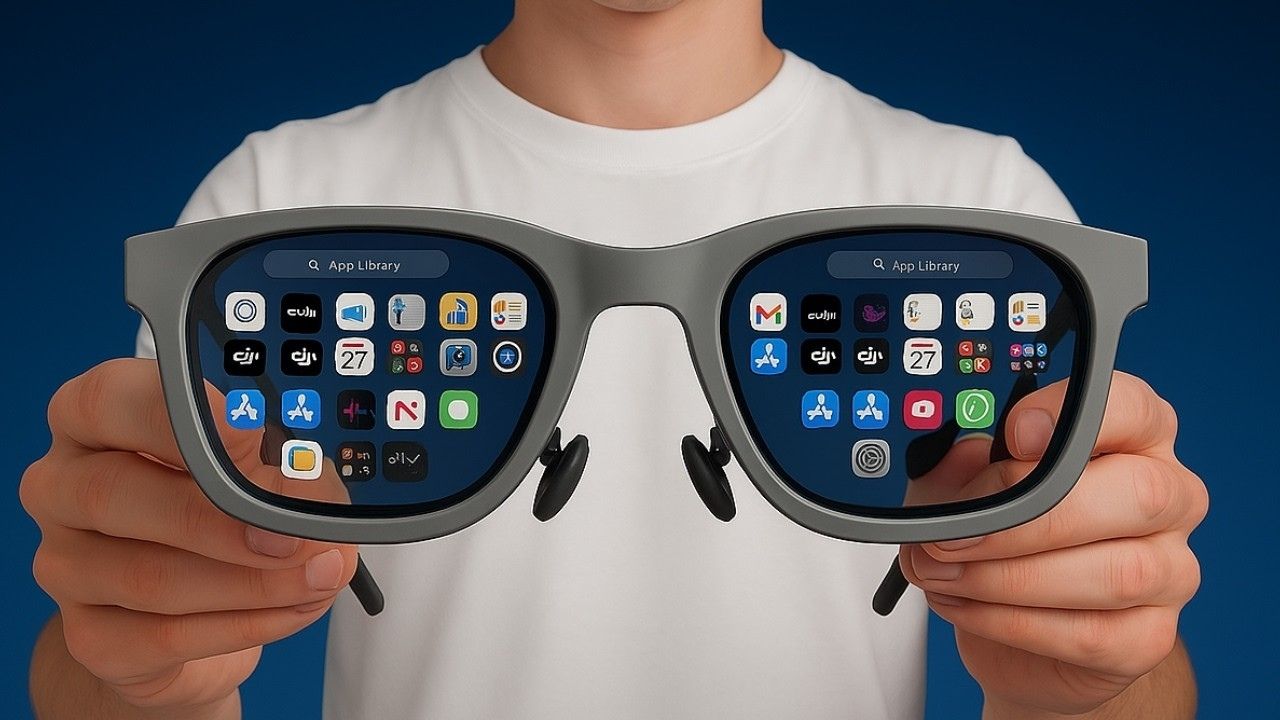
An interface that prevents distraction by using micro-projection technology to show only critical notifications as if floating in the air, without straining the eyes or blocking the field of view.
Release Date, Price Expectations and Outlook for the Turkish Market
While the tech world is watching the official release timeline closely, signals from Google and Samsung indicate that the device has completely moved past its prototype stage. The common view of industry analysts and supply chain reports is that Gemini AI glasses consumer versions will reach shelves in the global market in the last quarter of 2026 or, at the latest, in the first half of 2027. Pricing will initially be parallel to the premium smartphone segment because of the high technology and R&D costs the device contains. Given advanced lens technologies, custom chips and licensing agreements, the product is expected to launch with a price tag aimed at early-adopting tech enthusiasts and professionals, and to spread to mid-range buyers over time as production costs fall.
For the Turkish market, two different dynamics await. The first is the language barrier and localization performance. Gemini's Turkish language capabilities have, with recent updates, reached a remarkable level in both morphological and semantic terms, which means the device should offer Turkish users a very fluent Turkish assistant and local map integration from day one. The second dynamic is economic. Once current exchange rates, taxes on high-tech products and customs costs are added, it seems unlikely that these glasses will be priced within reach of broad segments of the population initially. However, they are likely to quickly become an indispensable work tool for business travelers, software developers, digital content creators and technology professionals.
Is the End of Smartphones Coming?
The big question in the minds of major tech visionaries and hardware makers is this: could these wearable devices one day remove smartphones from our lives entirely? The main reason giants such as Apple, Meta, Google and Samsung are investing billions in wearable technology is that the smartphone market has reached a state of innovation saturation.
However, the complete disappearance of smartphones will not be a revolution that happens overnight. For smart glasses to truly become a primary device, radical leaps in battery technology, the integration of cellular connectivity directly into the glasses, and the full establishment of ethical and legal frameworks for a camera-equipped glasses culture across every segment of society are needed. One thing is certain as of 2026: with the arrival of Gemini AI glasses, AI has stepped out from behind screens, joined us, and begun looking at the world from the same eye level as we do.
Frequently Asked Questions
When exactly will Gemini AI glasses go on sale?
The official launch timeline varies by region, but strong expectations in the industry point to the first commercial versions being sold in the global market in the last months of 2026 or the first quarter of 2027.
Is an internet connection required to use the device?
Many advanced multimodal Gemini features, such as real-time translation, object recognition and in-depth information queries, require an active internet connection because they use Google's cloud infrastructure. However, basic voice commands and some built-in translation packs can work offline.
Can people who wear prescription glasses order this device?
Yes, optical compatibility is one of the key focal points of the design strategy from Google and Samsung. The devices are designed so that they can be fitted with personalized prescription lenses through authorized optical stores.
How is the Android XR operating system different from other systems?
Android XR is a dedicated platform in which Google has completely redesigned its traditional Android architecture for augmented, virtual and mixed reality hardware. It offers a much more advanced foundation than standard mobile operating systems in three-dimensional interface management, spatial audio support and wearable sensor optimization.
WriterOdysseus Nedir? PewDiePie'nin Ücretsiz Yapay Zekası


Anthropic Gizli S-1 Başvurusunu SEC'e Sundu


