Skip to content
Back to blog list
Z Kuşağı Yapay Zekadan Kaygılı, Alfa Kuşağı Daha Umutlu
Tech World

Gen Z Worries About AI, Gen Alpha Is More Optimistic

Automatically translated
Duru Damla Seymen
Duru Damla SeymenWriter
4 min read
Gen Z is anxious about the future of artificial intelligence, while Gen Alpha takes a more hopeful view. Young people's perception of AI and the technology gap between generations.

For generations born and raised on the edges of the digital universe, artificial intelligence (AI) is no longer a futuristic fantasy from the movies; it is a strange dish at the center of the table, whose color and smell change every day. Yet the reactions of those seated at this table reveal how different their ontological bond with the digital world is, and that difference goes beyond age. As industry analyses have recently pointed out, Gen Z feels deep exhaustion and a dystopian anxiety toward AI, while the generation right after them, Gen Alpha, shows a surprisingly more at-peace and hopeful approach to the AI wave.
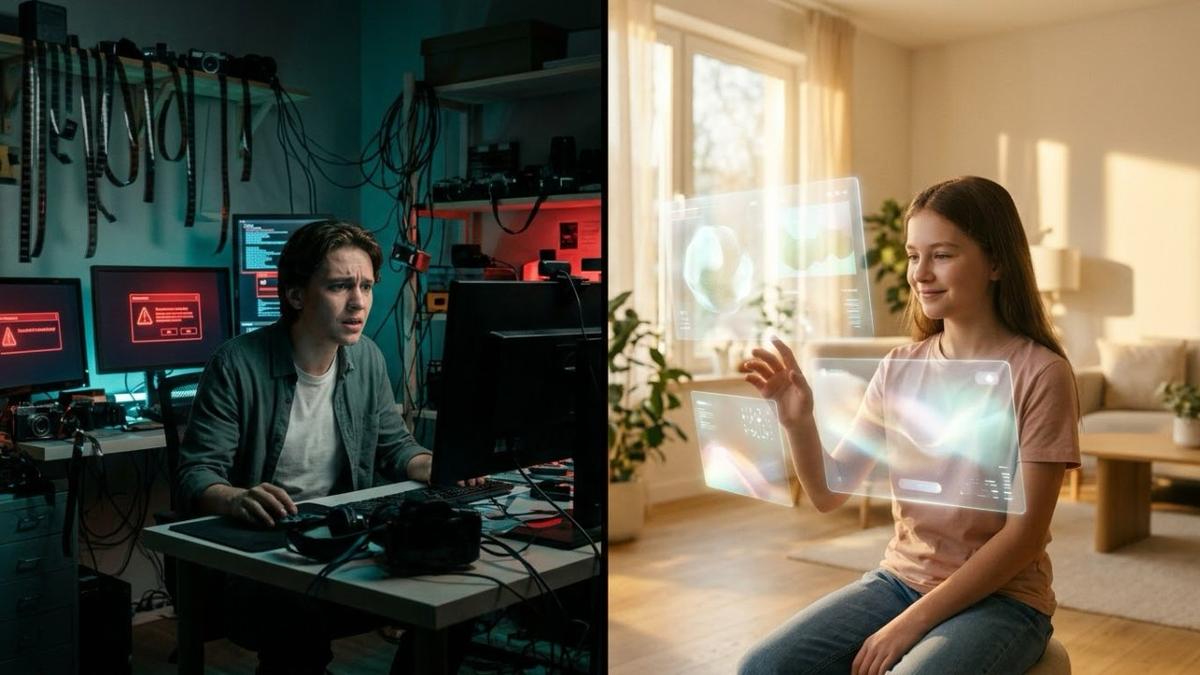
Yapay zeka içerik üretimi dalgası karşısında özgünlük ve mesleki gelecek kaygısı yaşayan Z kuşağı içerik üreticisi.

This sharp divide is not simply a matter of whether a piece of software or a generative model gets accepted. One side has nightmares about the fear of having their means of production taken away and their minds made worthless, while the other side treats this technology as a natural extension of the ecosystem they were born into. So why have young people's perceptions of AI swung to such opposite poles, and what does the equation of artificial intelligence and the future mean along the lines of the technology gap between generations?

Why Is Gen Z Writing "Doomsday Scenarios"?

Looking from the perspective of a content creator in their early twenties, at the threshold of a career or just starting out in the industry, with a degree in RTS (Radio, Television and Cinema), the AI revolution is far from a harmless digital assistant. Gen Z came of age as the last witnesses to the golden age of social media, when the internet was free and human-centered. But when they try to enter working life, what they find is a real contraction in employment and an erosion of aesthetics.

According to current research data and industry reports, more than thirty percent of young people feel direct "exhaustion" or "fear" when they encounter AI-generated content. This is because Gen Z clearly sees that AI is not merely an automation tool that will take their jobs; it is also a process in which the value of human labor and creative aura are being reset through AI integration. From copywriting to video editing, from graphic design to independent film productions, synthetic content produced by writing "prompts" in every field is the greatest blow to this generation's sense of originality. For them, AI is not a technology to be watched with admiration; it is a space of digital exploitation without copyright, where human thought is ground to dust.
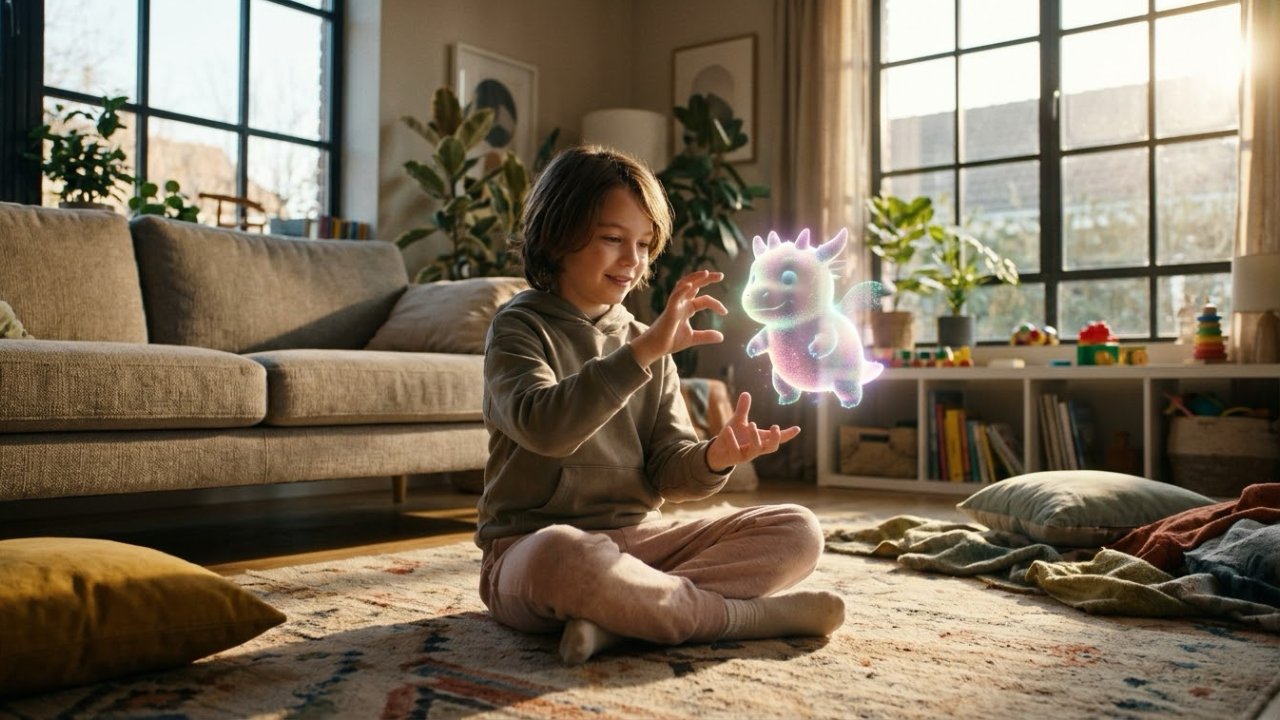
Yapay zekayı günlük yaşamın doğal bir parçası olarak deneyimleyen Alfa kuşağının teknolojiyle uyumlu etkileşimi.

Why Isn't AI a "Bogeyman" for Gen Alpha?

In response to Gen Z's pessimistic and defensive reflex, Gen Alpha, still in childhood and early adolescence, looks at the picture through a completely different lens. One of the most striking findings of the research is that Gen Alpha is not as hostile and angry toward AI content and integrated tools as Gen Z is.

The main reason is less a psychological or sociological adaptation and more a matter of digital native culture. Gen Z experienced the memories of the analog world, the switch to smartphones, and the evolution of the internet firsthand. Gen Alpha, on the other hand, found interactive voice assistants and smart algorithms on their screens as soon as they learned to talk. For them, AI is not an external enemy to be rescued from or resisted; it is an infrastructural element, just like electricity or water. Even if they know its flaws, such as errors, hallucinations, or gaps, because they grew up with these tools, they do not encode AI's existence as an existential threat. For them, it is simply one of the rules of the game.
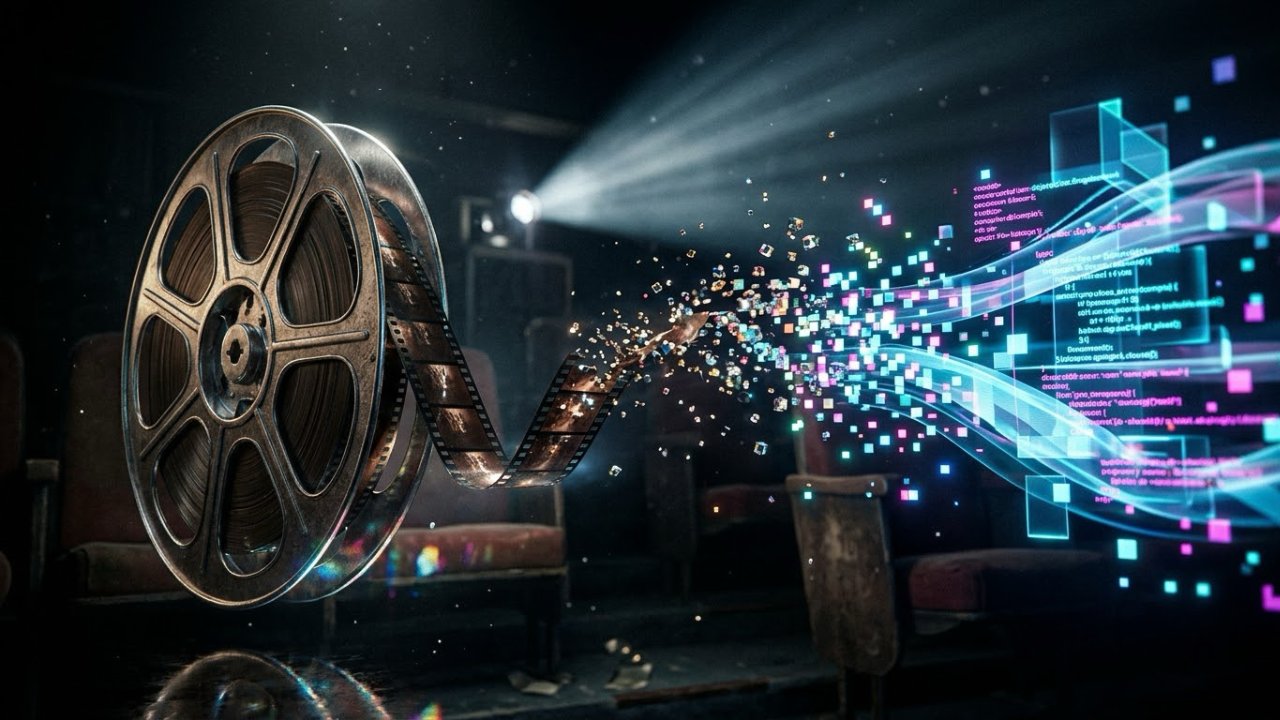
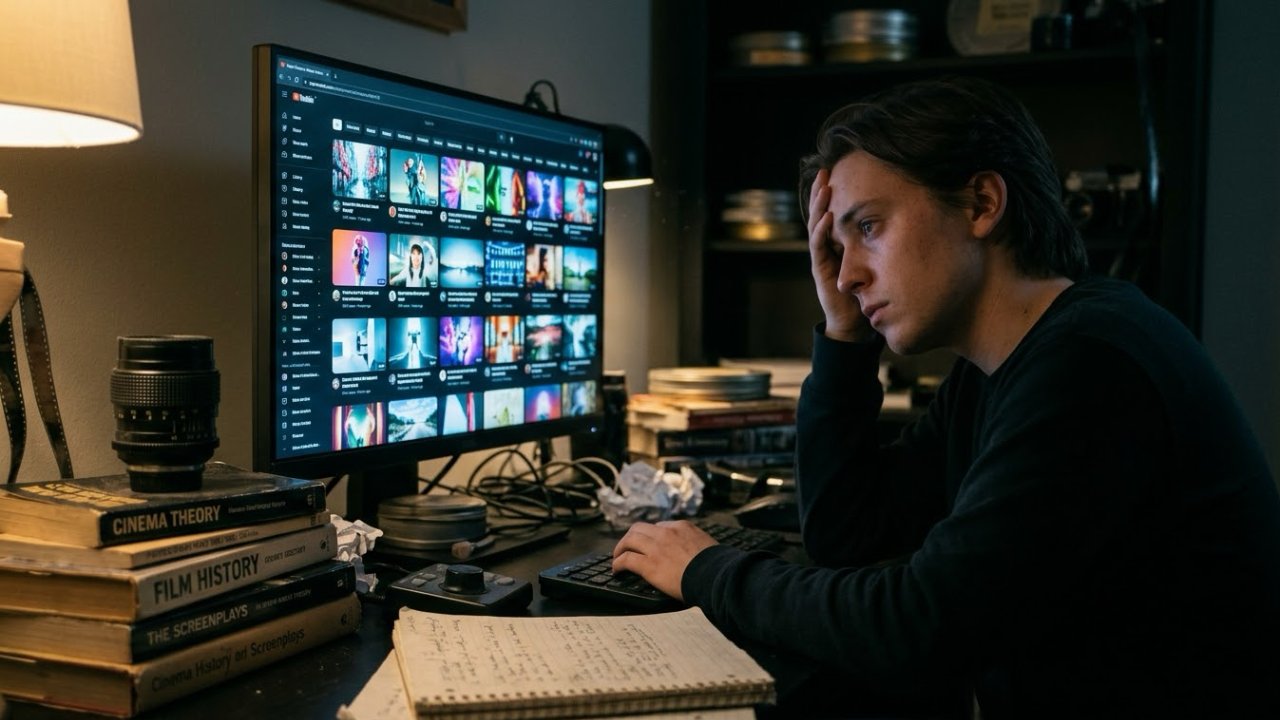
eleneksel sinema estetiği ile yapay zeka tabanlı dijital içerik üretimi arasındaki dönüşümü simgeleyen kavramsal görsel.

Creative Industries and Aesthetic Shifts

This generational conflict is directly shaping the future of the media, film and content production industries. On one side are the flawless but soulless pixels produced by AI; on the other is Gen Z's defense of "imperfect human labor."

For a mind trained in RTS and fed by film history and aesthetic theory, the smoothness of AI videos is not an attraction but means the death of authenticity. Tarkovsky's concept of "sculpting in time" or auteur theory seems to lose its meaning in the face of prompt-based visual pools that AI spits out in seconds. Yet Gen Alpha is developing a visual language consumption habit that is independent of this traditional film grammar. For them, storytelling depends less on the perfection of form and more on the speed of interaction and the dynamics of digital content production.

Analog dünyanın tanığı Z kuşağı ile dijital yerli Alfa kuşağı arasındaki teknoloji algısı farkını simgeleyen köprü metaforu.

Is Compromise Possible in the Digital Ecosystem of the Future?

Today's digital culture, caught between Gen Z's anxieties and Gen Alpha's pragmatic hope, makes it necessary to establish a new ethical balance. AI is neither a passing fad that can be completely rejected nor the absolute executioner of human creativity that Gen Z fears.
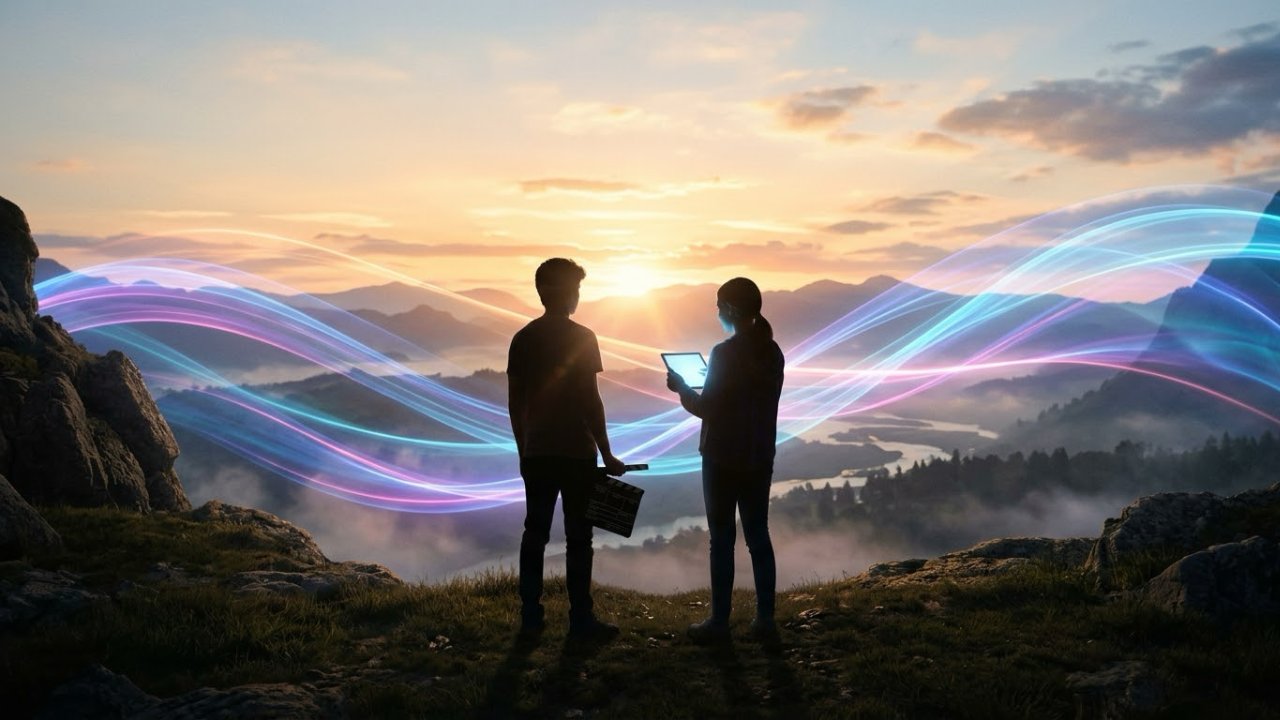
İnsan yaratıcılığı ile yapay zeka teknolojilerinin gelecekte kuracağı etik ve estetik dengeyi temsil eden görsel.

What matters is that, while drawing the boundaries of technology, we do not abandon the protected space of digital copyright ethics. Gen Z's justified anger and resistance are the most important brake mechanism preventing the industry from getting out of control. Gen Alpha's flexible and adaptable nature, if it can steer the tools in the right direction, may open the door to a new era of creation. When we carry out a sharp analysis of differences between generations, we can clearly see that the future digital world will be shaped by the synthesis born from the conflict of these two generations.

For generations born and raised on the edges of the digital universe, artificial intelligence (AI) is no longer a futuristic fantasy from the movies; it is a strange dish at the center of the table, whose color and smell change every day. Yet the reactions of those seated at this table reveal how different their ontological bond with the digital world is, and that difference goes beyond age. As industry analyses have recently pointed out, Gen Z feels deep exhaustion and a dystopian anxiety toward AI, while the generation right after them, Gen Alpha, shows a surprisingly more at-peace and hopeful approach to the AI wave. This sharp divide is not simply a matter of whether a piece of software or a generative model gets accepted. One side has nightmares about the fear of having their means of production taken away and their minds made worthless, while the other side treats this technology as a natural extension of the ecosystem they were born into. So why have young people's perceptions of AI swung to such opposite poles, and what does the equation of artificial intelligence and the future mean along the lines of the technology gap between generations? Why Is Gen Z Writing "Doomsday Scenarios"? Looking from the perspective of a content creator in their early twenties, at the threshold of a career or just starting out in the industry, with a degree in RTS (Radio, Television and Cinema), the AI revolution is far from a harmless digital assistant. Gen Z came of age as the last witnesses to the golden age of social media, when the internet was free and human-centered. But when they try to enter working life, what they find is a real contraction in employment and an erosion of aesthetics. According to current research data and industry reports, more than thirty percent of young people feel direct "exhaustion" or "fear" when they encounter AI-generated content. This is because Gen Z clearly sees that AI is not merely an automation tool that will take their jobs; it is also a process in which the value of human labor and creative aura are being reset through AI integration. From copywriting to video editing, from graphic design to independent film productions , synthetic content produced by writing "prompts" in every field is the greatest blow to this generation's sense of originality. For them, AI is not a technology to be watched with admiration; it is a space of digital exploitation without copyright, where human thought is ground to dust. Why Isn't AI a "Bogeyman" for Gen Alpha? In response to Gen Z's pessimistic and defensive reflex, Gen Alpha, still in childhood and early adolescence, looks at the picture through a completely different lens. One of the most striking findings of the research is that Gen Alpha is not as hostile and angry toward AI content and integrated tools as Gen Z is. The main reason is less a psychological or sociological adaptation and more a matter of digital native culture . Gen Z experienced the memories of the analog world, the switch to smartphones, and the evolution of the internet firsthand. Gen Alpha, on the other hand, found interactive voice assistants and smart algorithms on their screens as soon as they learned to talk. For them, AI is not an external enemy to be rescued from or resisted; it is an infrastructural element, just like electricity or water. Even if they know its flaws, such as errors, hallucinations, or gaps, because they grew up with these tools, they do not encode AI's existence as an existential threat. For them, it is simply one of the rules of the game. Creative Industries and Aesthetic Shifts This generational conflict is directly shaping the future of the media, film and content production industries. On one side are the flawless but soulless pixels produced by AI; on the other is Gen Z's defense of "imperfect human labor." For a mind trained in RTS and fed by film history and aesthetic theory, the smoothness of AI videos is not an attraction but means the death of authenticity. Tarkovsky's concept of "sculpting in time" or auteur theory seems to lose its meaning in the face of prompt-based visual pools that AI spits out in seconds. Yet Gen Alpha is developing a visual language consumption habit that is independent of this traditional film grammar. For them, storytelling depends less on the perfection of form and more on the speed of interaction and the dynamics of digital content production . Is Compromise Possible in the Digital Ecosystem of the Future? Today's digital culture, caught between Gen Z's anxieties and Gen Alpha's pragmatic hope, makes it necessary to establish a new ethical balance . AI is neither a passing fad that can be completely rejected nor the absolute executioner of human creativity that Gen Z fears. What matters is that, while drawing the boundaries of technology, we do not abandon the protected space of digital copyright ethics . Gen Z's justified anger and resistance are the most important brake mechanism preventing the industry from

Etiketler:Z kuşağı yapay zekaAlfa kuşağı yapay zekagençlerin yapay zeka algısıyapay zeka ve gelecekkuşaklar arası teknoloji farkı
Duru Damla Seymen
Duru Damla SeymenWriter
@durudamlaseymen

Comments (0)

Log in to comment.

Log in
No comments yet. Be the first to comment!