




Google Cloud Next '26: AI Agents and Everything Announced
Automatically translated
The AI agents, Vertex AI updates and Agent Builder introduced at Google Cloud Next '26 are redefining the role of artificial intelligence in the enterprise. Autonomous systems are no longer just support tools; they are now direct decision-makers.
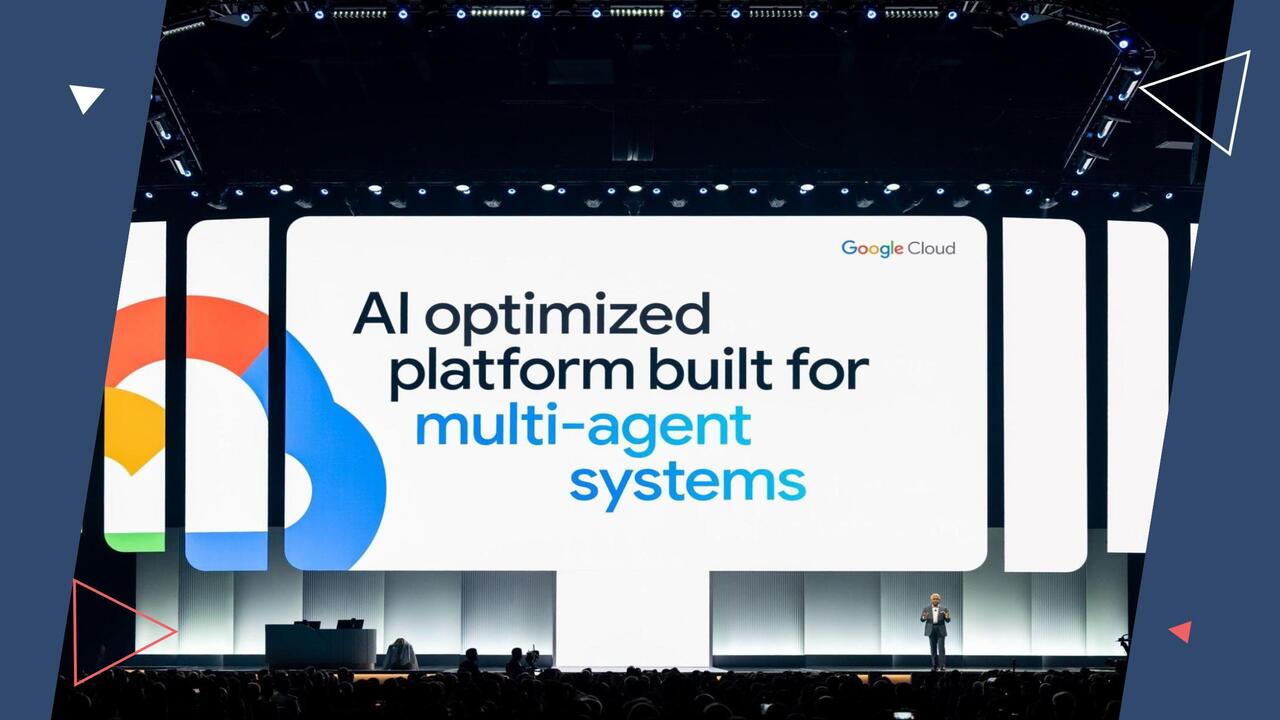
What Is Google Cloud Next '26?
One of the global events Google Cloud holds every year, Google Cloud Next '26 took place April 22–24, 2026 in Las Vegas, USA. Held at the Mandalay Bay Convention Center, the event's packed three-day program made it one of the most important gatherings shaping the future of AI and cloud technologies.
The announcements made at the event showed that AI is moving beyond being a supporting technology and turning into autonomous systems integrated directly into decision-making processes. Google's focus on AI agents, Vertex AI updates and AI Agent Builder tools clearly laid out the company's "agentic AI" vision.
Over the three days, the event featured keynotes, technical sessions and live demos. Senior executives, led by Google and Alphabet CEO Sundar Pichai and Google Cloud CEO Thomas Kurian, explained in detail how AI is being moved into production environments and scaled at the enterprise level.
According to the announcements, AI is no longer just a tool for analyzing data; it is becoming a system that can carry out multi-step tasks independently, communicate with other systems and take action based on context. This approach pushed the concept of "AI agents" to the top of the technology agenda.
AI Agents: The Rise of Autonomous Systems
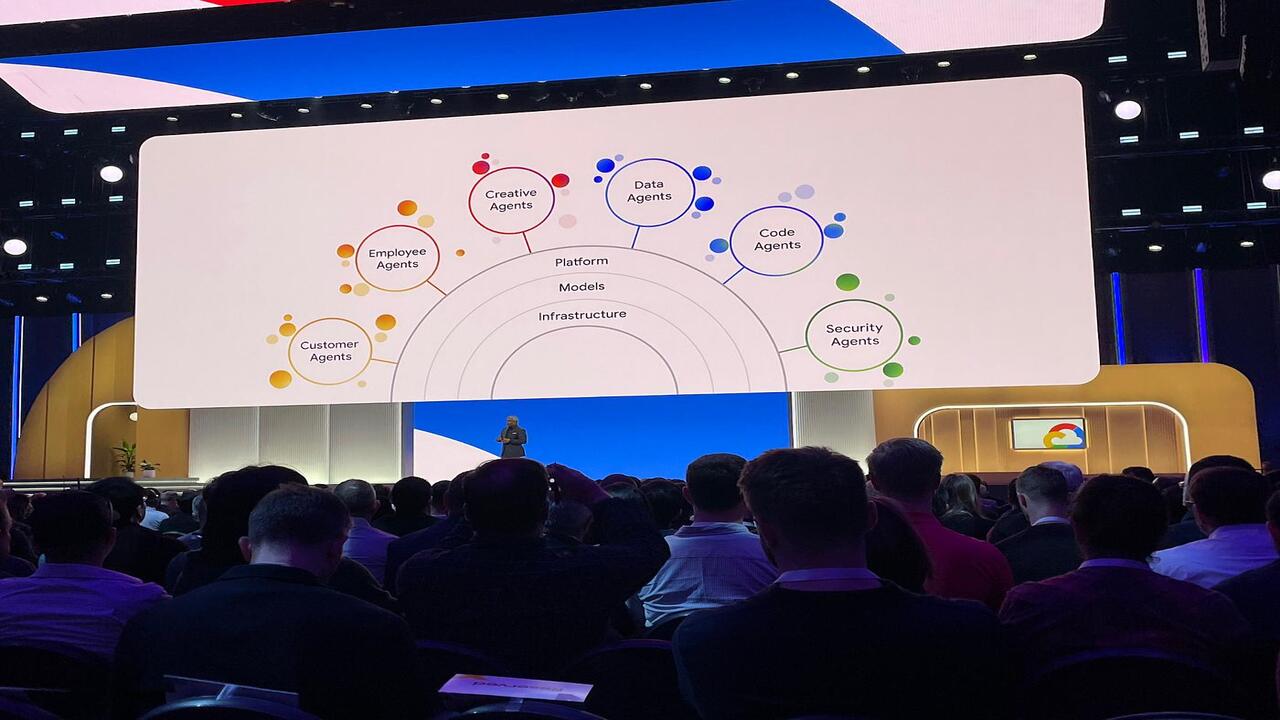
The most notable topic at Google Cloud Next '26 was AI agents. Unlike traditional chatbots, these systems were described not as tools that simply answer questions, but as autonomous digital entities that understand, plan and execute tasks.
The core principle behind AI agents is combining large language models with real-time data streams. This allows agents to analyze not only predefined commands but also dynamically changing situations. In Google's presentations, these systems were shown to complete multi-step tasks on their own and to work in integration with other software when needed.
In customer service, for example, AI agents were described as doing more than answering incoming questions: they analyze a user's historical data to offer personalized solutions and trigger actions in the relevant systems when necessary. Similarly, agents used in e-commerce were said to be able to manage inventory, order tracking and customer communication through a single structure.
On the software development side, it was shown that AI agents can take on code generation, bug analysis and system optimization. This is seen as a shift that could redefine the developer's role.
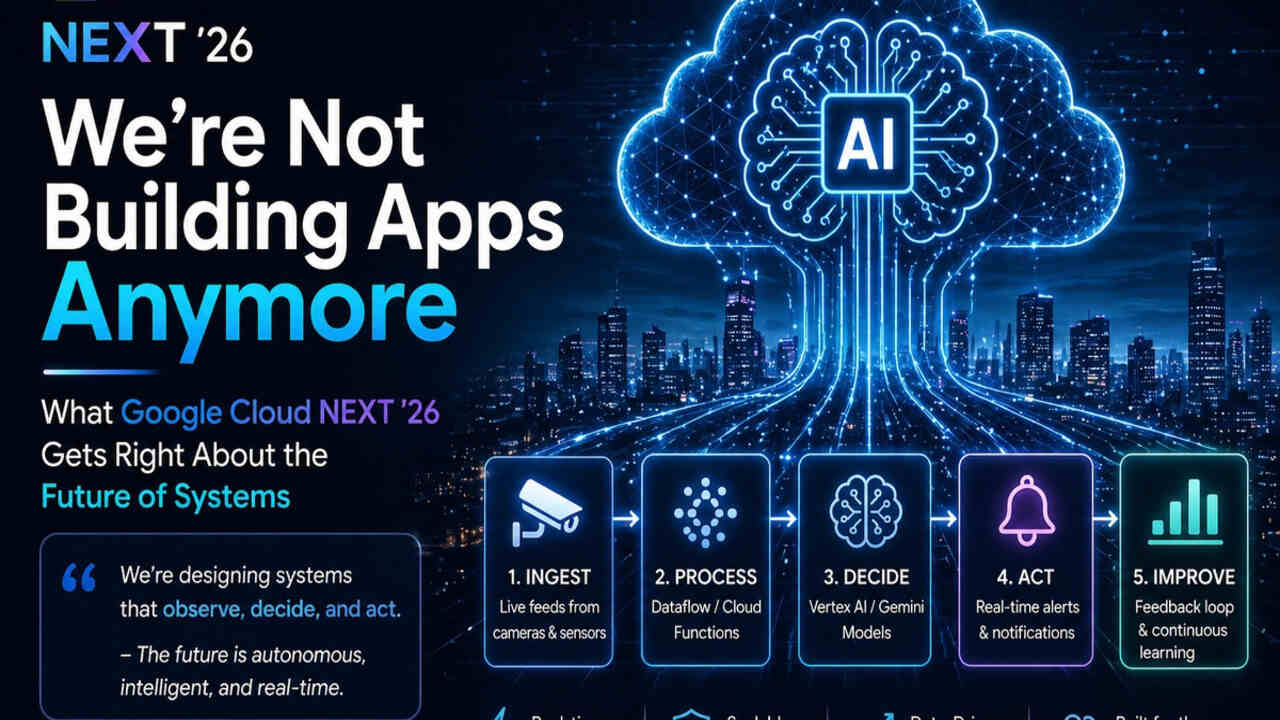
According to the technical framework Google shared, AI agents are not limited to a single task; multiple agents can communicate with each other to manage more complex processes. This multi-agent architecture provides a critical advantage, especially in large-scale enterprise operations.
Vertex AI Updates: An AI Operations Hub
The Vertex AI updates announced at Google Cloud Next '26 significantly expanded the platform's scope. Vertex AI is no longer just a tool for model development and deployment; it is now positioned as an operations hub where AI systems are managed end to end.
With the new updates, Vertex AI was announced to support multi-model management and to integrate with different data sources. This lets organizations control different AI models from a single platform and integrate them into business processes. New MLOps tools added to the platform also make it possible to continuously monitor and optimize model performance. Automatic model updates, low-latency data processing and advanced analytics tools make Vertex AI easier to use at enterprise scale.
One of the most important points is that Vertex AI has been built to work in direct integration with AI agents. Thanks to this integration, model outputs can be turned directly into actions.
AI Agent Builder: How Are AI Agents Built?
AI Agent Builder, introduced by Google, stood out as a platform that lets organizations and developers create their own AI agents. Thanks to its low-code approach, the tool appeals to a broad range of users. Agents built with Agent Builder can access specific data sources, set up API integrations and complete multi-step tasks independently. Users can define these agents' behavior and permission boundaries in detail.
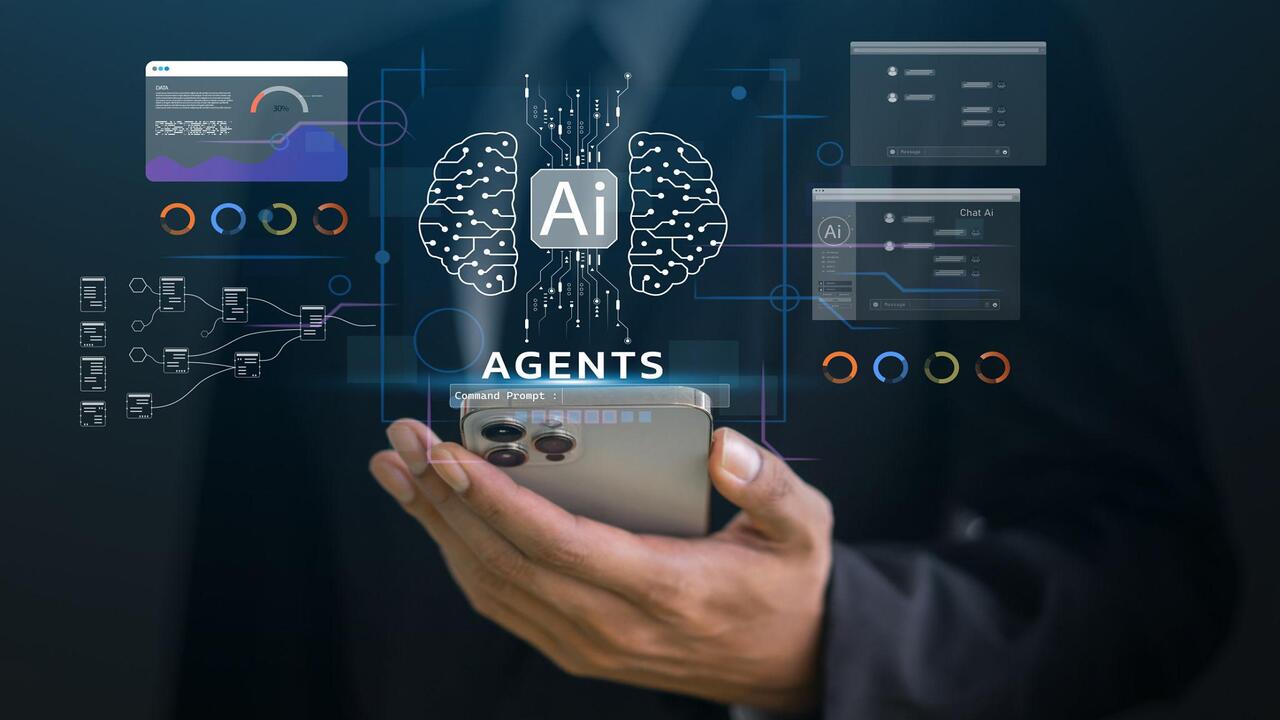
One of the platform's biggest advantages is that security and control mechanisms sit at the core of the system. Organizations can define in advance which data agents can access, which operations they can perform and how they make decisions. This structure makes it possible to use AI agents safely, especially in sectors handling sensitive data such as finance, healthcare and the public sector.
Enterprise Impact: Business Processes Are Being Redefined
The presentations at Google Cloud Next '26 showed that the transformation AI agents will bring to the enterprise is not only technical but also structural. These systems were said to be able to manage certain business processes without human intervention. In terms of operational efficiency, AI agents are said to take over routine tasks, freeing human resources for more strategic work. This is especially critical for large companies looking to cut costs and speed up processes.
There is also a significant shift in decision-making. By analyzing large datasets, AI agents support faster and more accurate decisions, which creates a competitive advantage.
Infrastructure and Performance: Google's Technical Move
Another highlight of the event was infrastructure. Google introduced next-generation TPU and GPU solutions to make AI applications run faster and more efficiently. These hardware advances offer significant benefits, particularly for training large language models and running them in real time. Improvements in energy efficiency and cost optimization were also mentioned.

Google's investments in this area are seen as a critical factor directly affecting the scalability of AI agents.
Security and Ethics: New Standards for AI Systems
As AI agents become more widespread, security and ethics have also come to the fore. Google shared the new control mechanisms and standards it has developed in this area during the event. These systems include components such as data access control, model behavior auditing and real-time monitoring, so how AI agents operate can be continuously audited.
It was also stated that new policies for ethical AI use have been developed and integrated for enterprise customers.
Google Cloud Next '26 clearly showed where AI stands today and where it is headed. Tools like AI agents, Vertex AI updates and Agent Builder show that AI is no longer just a support tool but a system that directly runs business processes.
These developments point to a fundamental change in how business is done in the coming period. As AI-powered autonomous systems spread, companies' competitive strategies are also expected to be reshaped.
From Türkiye's perspective, the effects of this global transformation will be felt much faster in digitally mature sectors such as banking, e-commerce and logistics. Thanks to their strong data infrastructure and regulatory compliance, banks in Türkiye can quickly deploy AI agents in areas like customer service, risk analysis and fraud detection. In e-commerce, AI agents will play a directly revenue-generating role in areas such as dynamic pricing, personalized recommendation systems and operational automation. In logistics, the spread of autonomous decision-making in processes like route optimization, demand forecasting and warehouse management seems inevitable.
That said, Türkiye's chronic shortage of technical talent is one of the critical factors that will determine the pace of this transformation. This is exactly where low-code Agent Builder tools offer local companies an important springboard. Enabling business units to design and deploy their own AI agents without deep engineering teams will both shorten adoption time and spread innovation more widely. With these tools, companies in Türkiye can become not just followers in global competition but leaders in certain niche areas.

In conclusion, this new AI paradigm taking shape globally is less a threat to Türkiye than a serious window of opportunity, if approached the right way. Organizations that quickly experiment with these technologies and integrate them into their business processes, rather than just watching from the sidelines, will gain one of the most decisive competitive advantages in the period ahead.
Klavye Hamallığı Bitti: En İyi Yapay Zeka Dikte Uygulamaları

AI for Good 2026: Küresel Sorunlara Yapay Zeka Çözümleri


