



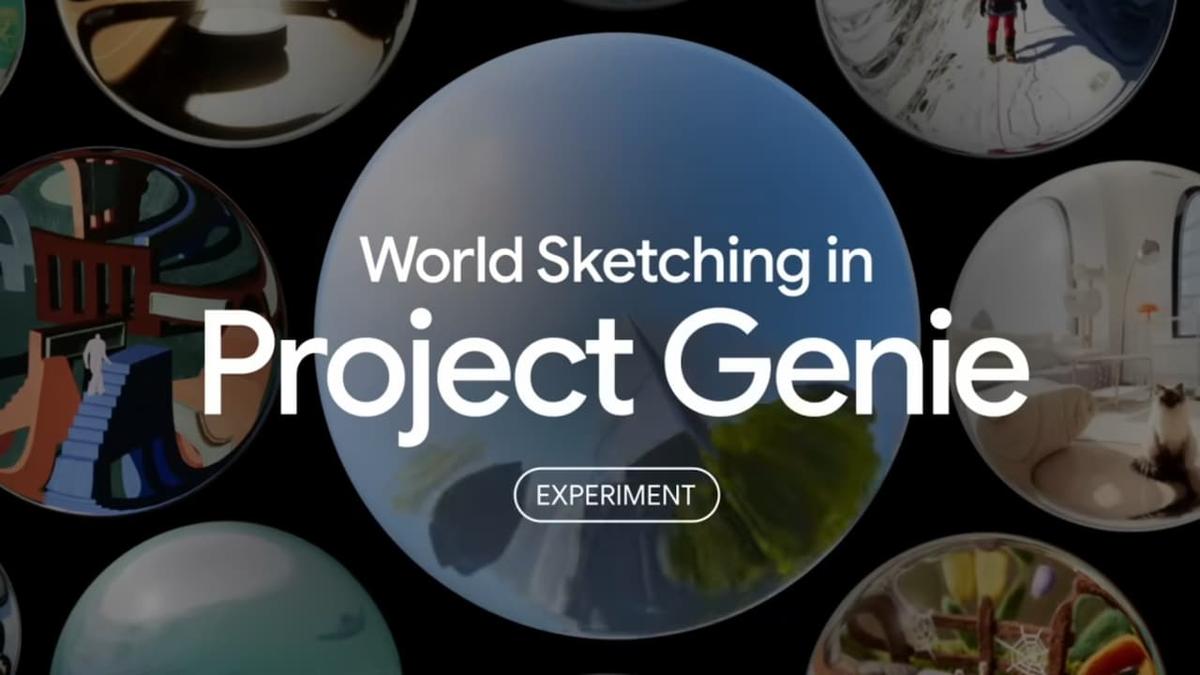
Google Project Genie Explained: How AI Is Changing Game Creation
Automatically translated
 Admin
Project Genie is a "world model" developed by DeepMind, Google’s AI division. Traditionally, making a video game means writing thousands of lines of code, designing characters, defining physics rules, and months of work. Genie skips all of that. It is an AI that can create interactive, playable worlds from just a text prompt or a photo.
Named after the genie from the lamp, this system instantly turns your wishes (in other words, your prompts) into a visual, digital reality.
How Does It Work? How Did the AI Learn to Play Games?
Think about how a child learns about the world. They don’t need someone to teach them physics to understand gravity. It is enough to watch objects fall. Genie was trained in exactly this way.
- 200,000 Hours of Video: Genie was trained by watching more than 200,000 hours of gameplay videos from the internet.
- No Labels, No Code: The most interesting part is this: the AI was never given commands like "This is the jump button" or "If the character falls into water, it dies." By watching videos, Genie figured out on its own how characters move in different situations and what each action leads to (the cause-and-effect relationship).
- It “Predicts” Physics Rules: What happens if a character steps into a gap in a platform game? Genie knows from the videos it has seen that a "fall" should happen. When you move the character, it generates the next frame accordingly within seconds.
The 3 Main Abilities of Project Genie
1. World Sketching
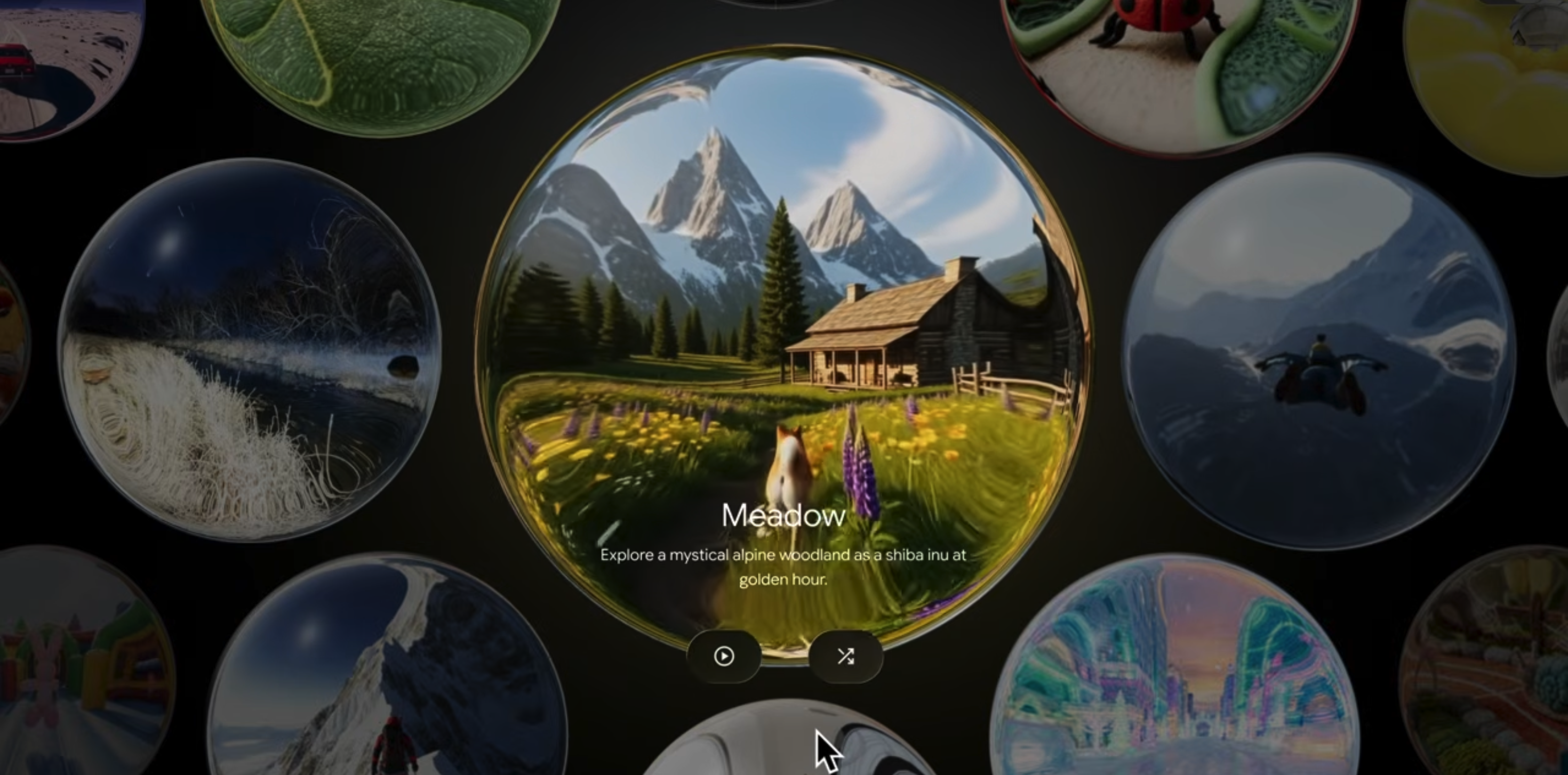
If you draw a simple mountain and river on a sheet of paper and take a photo of it, Genie takes that drawing and turns it into a 3D world you can walk around in. If you prefer, you can simply write "A horror game set in a dark forest."
2. World Exploration
The world created this way is not a static image. You can control your character in real time (with modes such as walking, flying, or driving). As you move forward, the AI keeps generating the road ahead and the surroundings on the fly. In other words, the game has no end; the world takes shape as you walk.
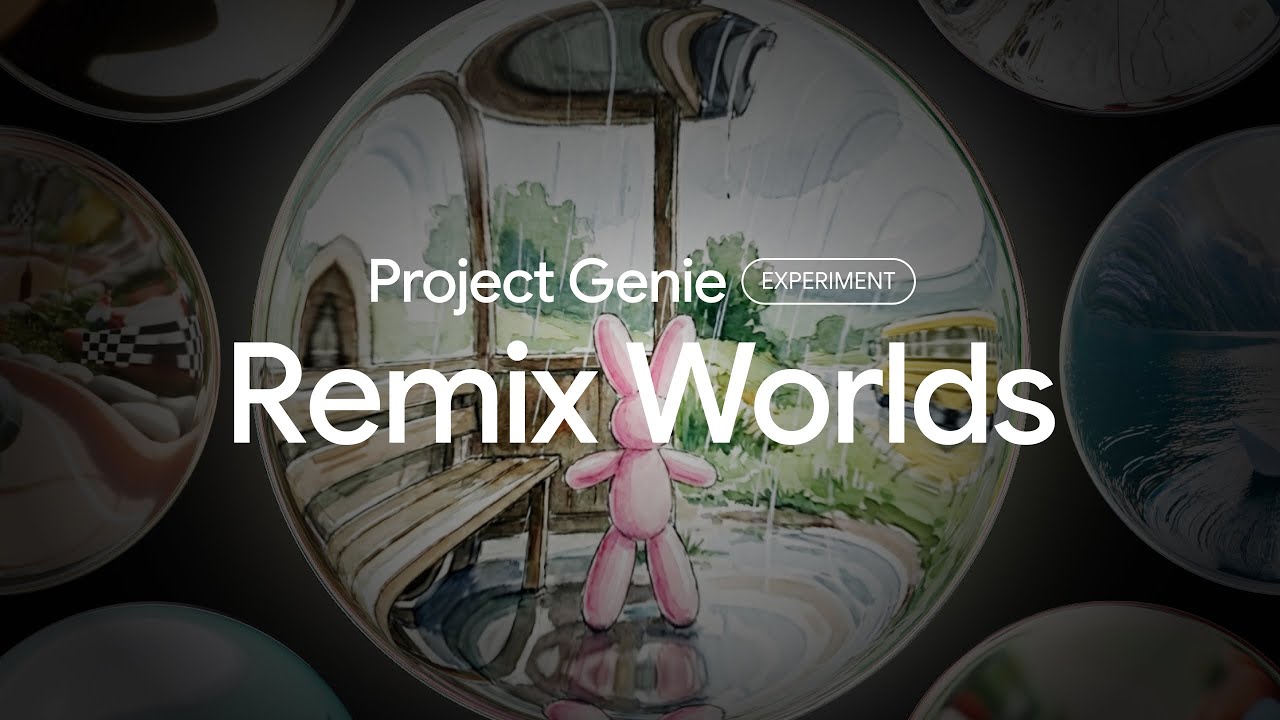
3. World Remixing
If you like a world someone else has created, you can say, "Make this now in a cyberpunk style, with neon lights." You can transform existing worlds into a completely different atmosphere within seconds.
What Lies Ahead for Game Worlds?
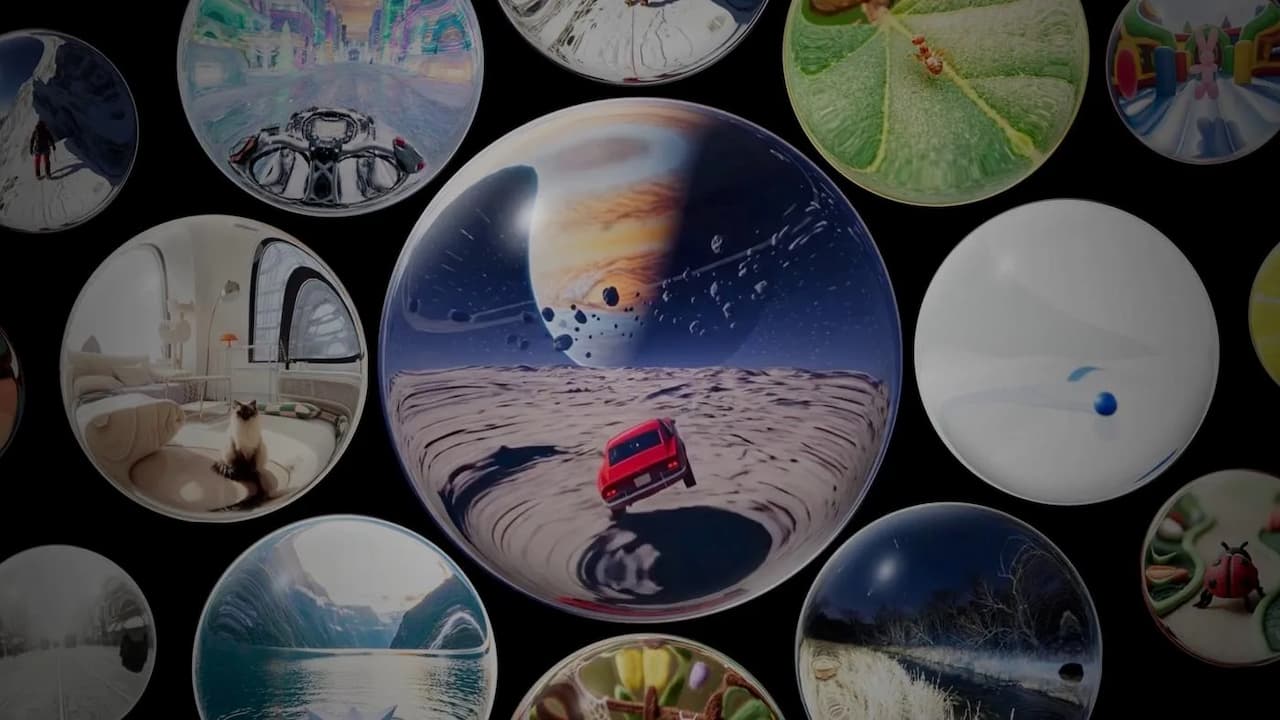
Project Genie is "democratizing" game development. This means that a middle school student with a great game idea, but no coding skills, will be able to build their own world.
- Endless Variety: No two games will be the same. A different adventure will take shape based on the command each player writes.
- Speed for Developers: Professional game studios will be able to sketch months of environment design (mountains, cities, forests) in seconds with Genie, then add their own details on top.
- Education and Simulation: Beyond entertainment, instant worlds could be created for training robots or for students to learn by exploring a historical site.
Usage and Setup Status
At the moment, there is no software (EXE/APP) that individual users can install on their computers. Because Genie requires enormous processing power, it is designed as a cloud-based service:
- Hardware: Instead of local GPUs, it runs on Google’s TPU servers.
- Access: At this stage it is a research project. It is expected to be offered to developers via API later, through Google Cloud Vertex AI or the Gemini ecosystem.
- Flow: The user uploads an image, and the system splits it into pieces with a "tokenizer" and instantly prepares it for streaming.
Use Cases
Google Project Genie shows that AI is not just a tool that writes text or draws pictures. It is becoming an architect capable of building interactive realities. Although it has not yet been fully opened to everyone (it is currently available to select subscribers in the US), this technology will soon merge the idea of "playing a game" with "creating the game in the moment."
"Sim-to-Real" Transfer in Robotics Training
Training robots in the physical world is expensive and risky. Genie can create synthetic training environments for robotic arms or autonomous vehicles.
- Scenario: A robot needs to overcome an obstacle it has never seen before. Genie generates thousands of "obstacle crossing" videos in different variations, allowing the robot to practice these scenarios virtually.
Rapid Prototyping
For game studios, "Level Design" is one of the most costly processes.
- Scenario: A designer uploads a map sketch drawn on a whiteboard to Genie. Genie instantly turns this sketch into a playable 2.5D prototype. The team can test the game’s "flow" (gameplay flow) right away, without writing code for weeks.
Personalized Dynamic Content
In existing games (for example, No Man’s Sky), procedural generation relies on mathematical algorithms and eventually starts to repeat itself.
- Scenario: When a player says inside the game, "Now create a level full of crystal caves for me," Genie produces entirely new pixels and physics rules that stay consistent with the rest of the game.
Technical Limitations
As impressive as it is, Project Genie currently faces some technical barriers:
- Long-Term Memory: The model may "forget" a door you passed through 10 minutes ago or an object you left behind. Because pixels are generated on the fly, it is hard to store persistent world data.
- Computing Cost: Real-time world generation requires enormous GPU power. For now, it is only suitable for cloud-based operation.
- Legal Dimension: The copyright of the game videos used as training data is still a debated issue in the industry.
AdminOpenAI Sora 2: Sosyal Medyayı Ele Geçirdi!


Biyometrik Robot Maya Kimdir ve Nedir?


