




What Is Grok Code Fast 1? Retired: What's Next?
Automatically translated
Grok Code Fast 1 was a fast, low-cost agentic coding model announced by xAI on 28.08.2025. It was retired from both the xAI API and GitHub Copilot on 15.05.2026. For coding tasks, xAI recommends grok-build-0.1 as its replacement and automatically redirects API requests using the old model name to this model.
Last updated: 14.10.2026
Grok Code Fast 1 was an AI company xAI model developed by Elon Musk's company. It was an agentic coding model. Rather than being limited to providing code suggestions, the model was equipped with tool-calling capabilities and the ability to interact with code editors. Its goal was to provide developers with a "fast" and "affordable" assistant. Thanks to its agentic architecture, it could independently complete coding tasks by using reasoning and tool-calling loops to work with tools such as the terminal, grep, and file editing utilities.
When Was Grok Code Fast 1 Developed?
Grok Code Fast 1 was officially announced by xAI on 28.08.2025. Approximately one week before the announcement, the model had been quietly released under the codename "sonic". xAI stated that it monitored feedback from community channels during this period and released several new model versions (checkpoints). With the official announcement, the model became generally available through the xAI API.
xAI says that during development, it used open benchmarking tests such as SWE-Bench, along with human evaluations in which experienced developers rated the model on everyday tasks and automated tests that monitored its behavior.

Which Platforms Supported Grok Code Fast 1?
At launch, xAI offered the model for free on certain partner platforms for a limited time. The launch partners were:
The term "launch partner" refers to platforms that xAI worked with to test the model during development and make it initially available to users. GitHub Copilot removed the model on 15.05.2026. To find out which models are available on the other platforms, you should check their respective model lists.
For example, GitHub Copilot is an AI assistant that provides suggestions in code editors and can execute tasks in agent mode. Grok Code Fast 1 was one of the models available for selection in Copilot for a period of time. In agentic tools such as Cline, the model could independently call tools such as file editing and the terminal to carry out tasks.
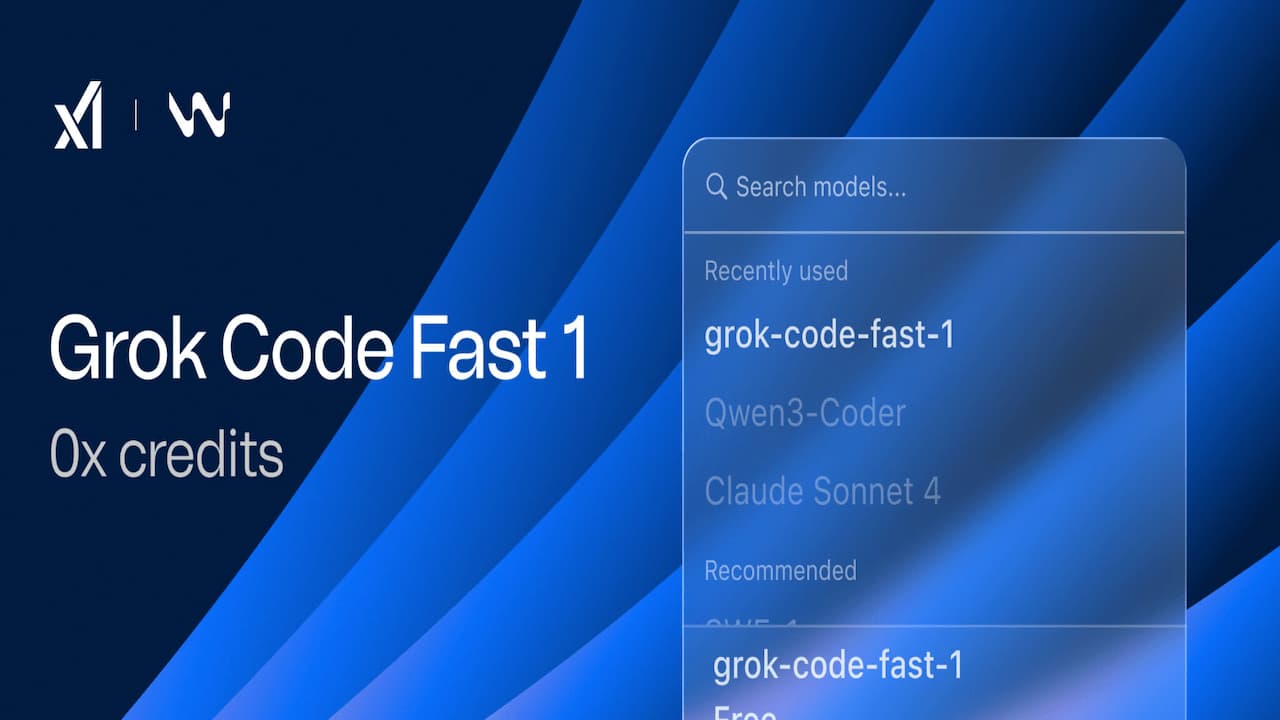
The platforms that supported the model were suitable not only for individual developers but also for software teams and companies. Here, an "agentic workflow" means that AI independently manages multiple tools and steps. This makes it possible to perform tasks such as code generation, editing, and bug fixing within a single workflow.
Why Was This Model Developed?
xAI observed that existing models were too slow in agentic coding workflows, negatively affecting the user experience. Grok Code Fast 1 was developed to address this problem. To make the model more agile and effective:
A new model architecture was built.
A rich pre-training dataset focused on programming was created.
Fine-tuning was performed using carefully selected data containing real-world pull requests and coding tasks.
The model's behavior was optimized through close collaboration with partners such as GitHub Copilot.
According to xAI, the result was a fast and cost-effective model for everyday coding tasks.
Who Developed the Model, and Who Were Its Partners?
The model was developed by xAI, the company led by Elon Musk. Partner platforms played a critical role in testing the model, gathering feedback, and optimizing its performance.
For example, GitHub Chief Product Officer Mario Rodriguez said the following in xAI's announcement:
"In early testing, Grok Code Fast demonstrated both its speed and quality in agentic coding tasks. Equipping developers with powerful tools is a fundamental part of our mission at GitHub Copilot, and this is an exciting new option for our developers." (Translated from English)
xAI states that it worked with its launch partners during the training process to improve the model's behavior on their agentic platforms.
Technical Specifications and Use Cases
The "agentic" feature refers not only to code suggestions but also to the ability to complete tasks independently. This gives the model an advantage when automating routine tasks in large projects.
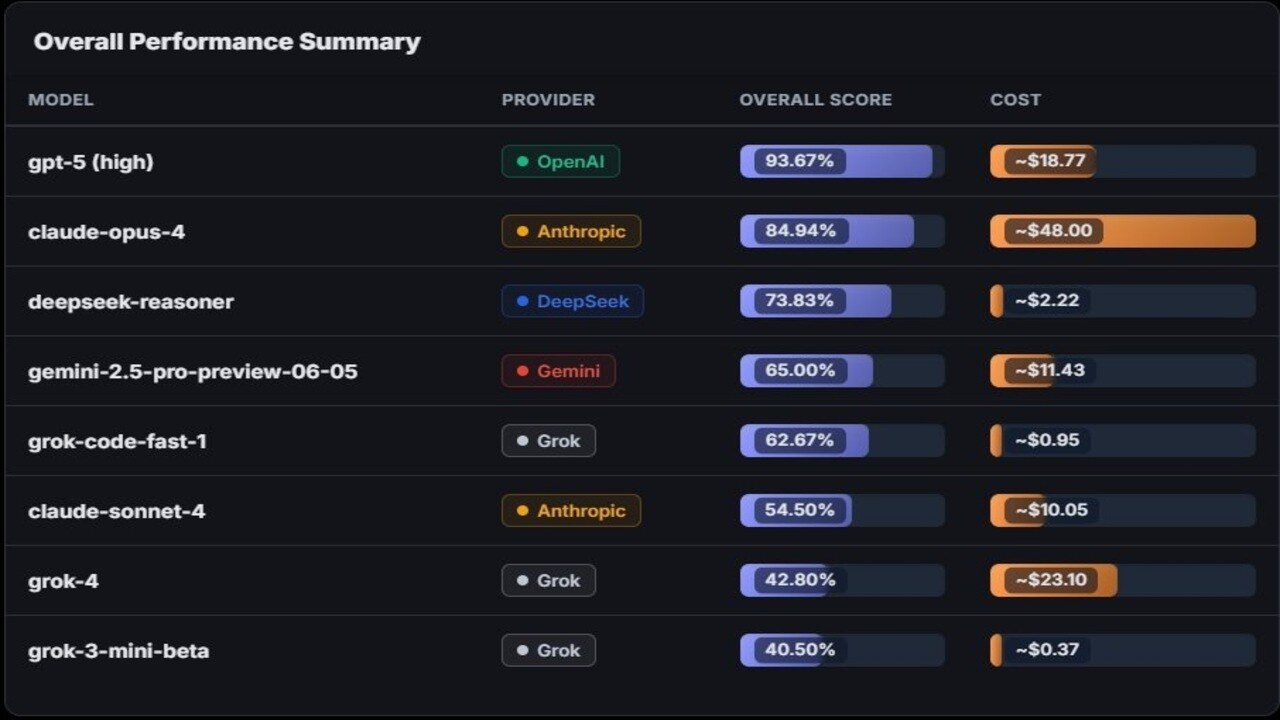
According to xAI, the model was particularly strong in TypeScript, Python, Java, Rust, C++, and Go. At launch, its xAI API pricing was $0.20 per 1 million input tokens, $1.50 per 1 million output tokens, and $0.02 per 1 million input tokens read from the cache. A "token" is the basic unit AI uses to understand and generate text. Since the model has been retired, these prices are no longer valid; you should check xAI's model page for current pricing.
According to xAI, Grok Code Fast 1 scored 70.8% across the full SWE-Bench-Verified test using the company's own internal harness. This was not an independent measurement, and xAI also notes that such benchmarks do not fully reflect the real-world user experience. The company also announced improvements to prompt caching, with cache hit rates regularly exceeding 90% during use with its launch partners.
Real-World Examples of Using Grok Code Fast 1
According to an example shared in xAI's announcement, developer Danny Limanseta built a "Battle Simulator" prototype in less than a day using Grok Code Fast 1 in Cursor. Limanseta explains that because the model responded so quickly, he gave it small, focused tasks instead of one large prompt. He first had it plan major features and then implement them piece by piece.
Similarly, user comments from the Reddit and Hacker News communities also highlight the model's speed and ease of use. Some users noted that Grok was faster than other models they used for routine coding tasks, while others pointed out that it could make minor coding errors in certain situations. This shows that the model still requires human supervision.
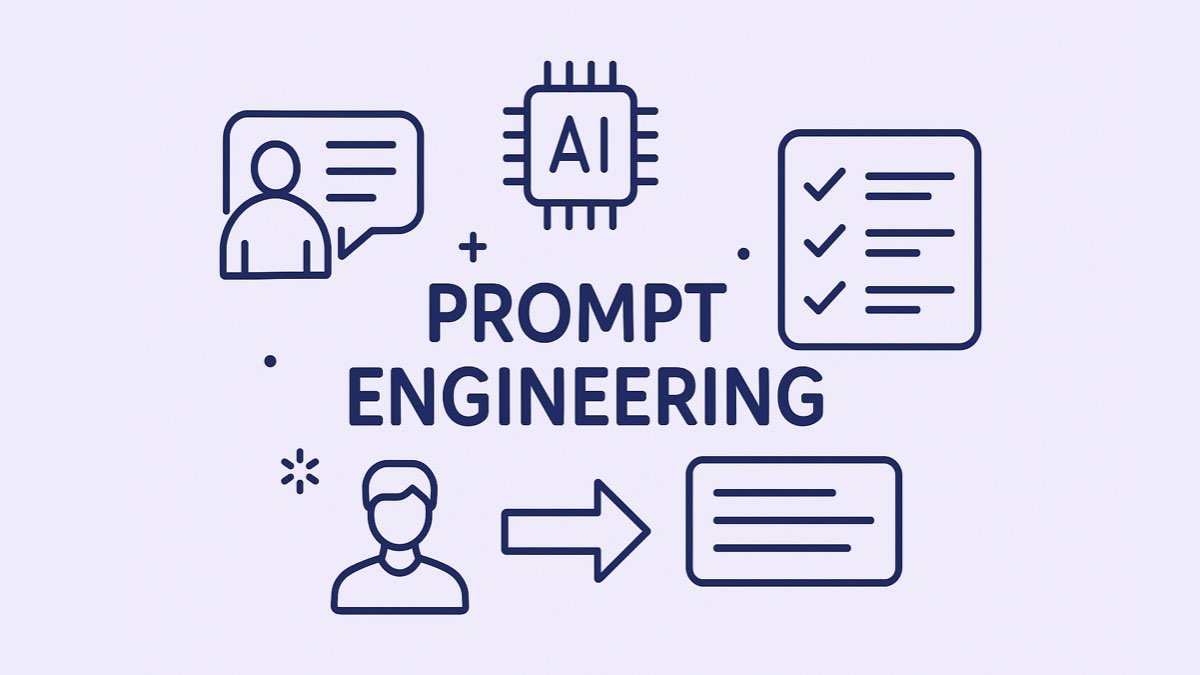
Prompt Engineering and Effective Use
Prompt engineering (the method of expressing tasks clearly and accurately to AI) plays a critical role in using Grok Code Fast 1 effectively. Effective prompt strategies include:
Providing context: Helping the model stay focused by providing information about file paths, project structure, and predefined functions.
Clear task definitions: Giving clear and measurable tasks instead of vague requests.
Rapid iteration: Using the model's fast response generation to refine outputs in small steps.
Agentic tasks: Optimizing the model to independently manage multiple tools and steps.
These methods apply not only to Grok Code Fast 1 but also to its replacement, grok-build-0.1, and other agentic coding models.
Grok Code Fast 1 and GitHub Copilot
Grok Code Fast 1 was one of GitHub Copilot's launch partners' models and was among the models available for selection in Copilot. GitHub removed the model from Copilot on 15.05.2026. The current Copilot model list includes Grok 4.5, Grok 4.6, and Grok 4.7 from xAI.

In short, Grok Code Fast 1 stood out as an agentic coding model focused on speed and low cost. Today, however, it has been replaced by xAI's newer coding model.
The Situation in 2026: Grok Code Fast 1 Has Been Retired
xAI retired Grok Code Fast 1 from its API on 15.05.2026 at 12:00 PM (US Pacific Time). On the same day, several other older models, including grok-4-0709, grok-4-fast, grok-4-1-fast, and grok-3, were also discontinued. Requests using the old model names continue to work: requests made using the name grok-code-fast-1 are automatically redirected to the grok-build-0.1 model. In other words, your code does not break, but a different model and different pricing apply behind the scenes. To avoid unexpected cost differences, xAI recommends explicitly changing the model name.
GitHub Copilot also retired Grok Code Fast 1 on 15.05.2026. If you use Copilot, you will no longer see this model in the model selector.
The new model recommended by xAI, grok-build-0.1, is described by the company as a coding model designed for agentic software development and workflow tasks. According to its model page, it has the same 256,000-token context window as Grok Code Fast 1. It accepts text and image inputs and supports tool calling, structured output, and reasoning. Its pricing is $1.00 per 1 million input tokens, $0.20 per 1 million cached input tokens, and $2.00 per 1 million output tokens (pricing is higher for requests exceeding 200,000 tokens).
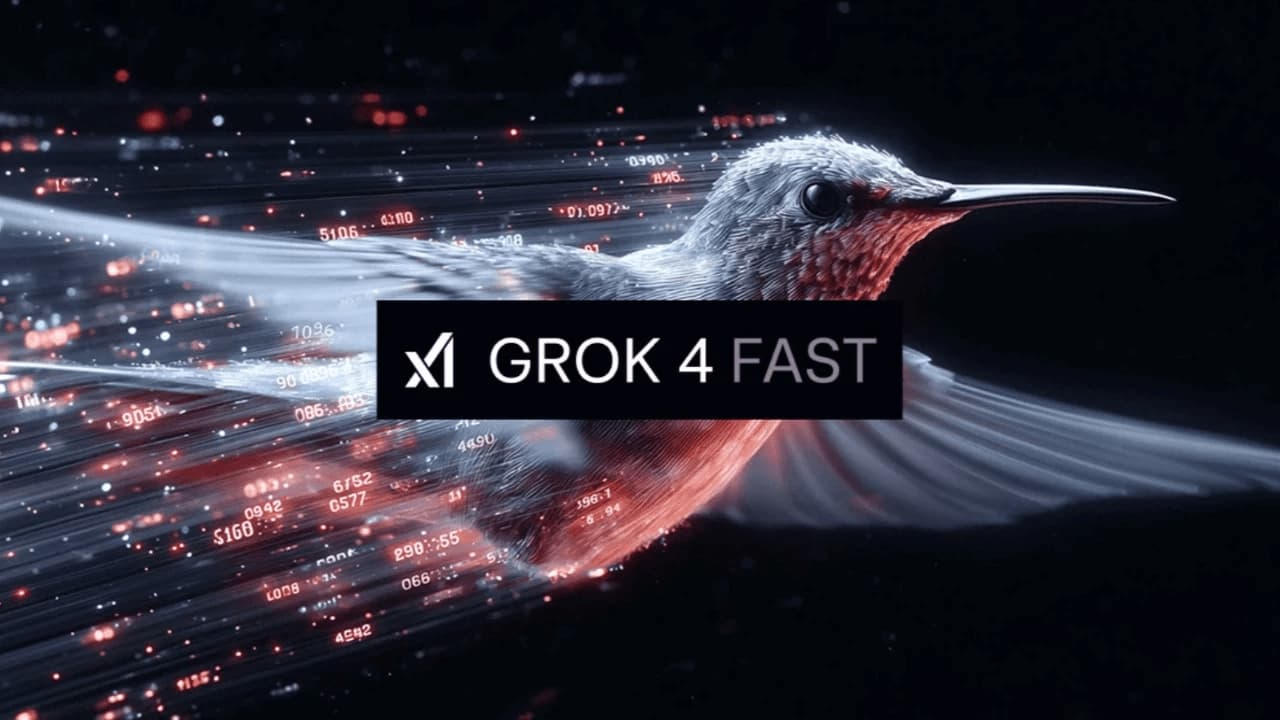
xAI's latest general-purpose model is Grok 4.7, which the company presents as its flagship model for all tasks, including coding. For this reason, Grok Code Fast 1 should no longer be considered an active model, but rather an intermediate step in the evolution of agentic coding models. If you want to compare different coding assistants, check out our guide to AI coding websites and our article explaining why developers prefer Codex and Claude Code.
Grok Code Fast 1 vs. grok-build-0.1: A Comparison
Feature | Grok Code Fast 1 | grok-build-0.1 |
|---|---|---|
Status | Retired on 15.05.2026 | Current model recommended by xAI for coding |
Context window | 256,000 tokens | 256,000 tokens |
Input price (1 million tokens) | $0.20 | $1.00 |
Cached input (1 million tokens) | $0.02 | $0.20 |
Output price (1 million tokens) | $1.50 | $2.00 |
Input type | Text | Text and images |
GitHub Copilot | Removed on 15.05.2026 | Not on the Copilot list; Grok 4.5, 4.6, and 4.7 from xAI are available |
Frequently Asked Questions
Can Grok Code Fast 1 Still Be Used?
No. xAI retired the model on 15.05.2026. API requests submitted using the old model name do not return an error but are redirected to grok-build-0.1. The model is also no longer available in GitHub Copilot.
Which Model Should Replace Grok Code Fast 1?
xAI recommends grok-build-0.1 for coding tasks. If you want a general-purpose model, you can check out xAI's flagship model, Grok 4.7.
Was Grok Code Fast 1 Free?
At launch, it was available for free for a limited time on GitHub Copilot, Cursor, Cline, Roo Code, Kilo Code, opencode, and Windsurf. It was paid on the xAI API: $0.20 per 1 million input tokens and $1.50 per 1 million output tokens.
What Score Did Grok Code Fast 1 Achieve on SWE-Bench?
It scored 70.8% on SWE-Bench-Verified using xAI's own internal harness. This was the company's own measurement, not an independent verification.
Which Programming Languages Was Grok Code Fast 1 Good At?
According to xAI, it was particularly strong in TypeScript, Python, Java, Rust, C++, and Go.
Sevaro Health: Kişiselleştirilmiş Sağlıkta Devrim

İletişim ve Teknoloji Staj İlanları | 30 Mart-5 Nisan 2026


