



Antigravity vs Codex vs Claude Code: Which Is Better?
Automatically translated
 Creator
One of Google's most ambitious moves in AI coding, Antigravity, generated significant excitement in the developer community when it was introduced alongside Gemini 3 on 18.11.2025. Given the progress Gemini models had demonstrated, particularly in reasoning, it was already expected that Google would position itself aggressively not only in the chatbot race but also in software development tools. Antigravity's initial impact was precisely that. Many developers saw it as “Google's answer to Cursor and Codex.”
However, the picture changed in spring 2026. The conversation shifted from model quality to sustainable usage. In March 2026, Google switched Antigravity to a credit-based system, and quota renewal periods for paid plans became weekly; users reported hitting their limits much earlier. In May 2026, Varun Mohan, the director responsible for Antigravity, acknowledged that users were reaching their weekly limits within just a few work sessions, and Google increased Gemini limits on paid plans threefold twice in succession. These fluctuations raised questions about how reliable Antigravity really is in everyday workflows.
Here is the trend currently attracting attention in the developer community: people are looking for the system that works most consistently, not the smartest model. This is precisely why growth on the OpenAI Codex and Claude Code fronts has accelerated, while Antigravity has increasingly come to be viewed as “high-potential but still experimental.”
Antigravity vs Codex vs Claude Code Comparison Table
Google Antigravity | OpenAI Codex | Claude Code | |
|---|---|---|---|
Developer | OpenAI | Anthropic | |
Free usage | Free individual plan, weekly rate limit | Limited availability on ChatGPT Free and Go plans | None |
Paid plans | Google AI Pro and AI Ultra, with additional AI credits available for purchase | ChatGPT Plus, Pro, Business, Enterprise | Claude Pro and Max |
Limit structure | Weekly quota and credit pool | Usage limits that vary by plan | Five-hour session limit and weekly cap |
Where it runs | Desktop app, IDE, CLI, SDK | Desktop app, web, CLI, IDE extension, iOS | Terminal, VS Code and JetBrains, desktop app, web |
Agent mode | Yes, a command center that manages multiple agents | Yes, local and cloud-based task execution | Yes, subagents and parallel sessions |
The information is based on official pages dated 14.10.2026. Since plans and limits change frequently, we recommend checking each tool's pricing page before getting started. For other options, check out our list of 18 AI coding tools.
What Exactly Does Google Antigravity Offer?
Google Antigravity occupies a different position from traditional autocomplete tools. The platform does not simply act as an assistant that completes lines of code; instead, it aims to deliver an AI coding assistant experience built around an agent-based approach. Its goal is to analyze user-assigned tasks, understand repository structures, establish relationships between files, generate terminal actions, and handle multi-step tasks over time.
This approach has actually become central to recent discussions about AI coding tools comparison. That's because the competition has moved beyond the question of “which model writes better code.” The real competition now revolves around which system remains stable during long sessions, which preserves context more effectively, and which disrupts the developer's workflow the least.
One of the first things that made Antigravity stand out was its Gemini-based reasoning architecture. It can deliver particularly strong results in certain tasks involving frontend generation, component organization, and interpreting natural language commands. In fact, many developers found their initial experience quite impressive in short-term usage scenarios. The problem emerges when the product becomes part of the daily development routine.
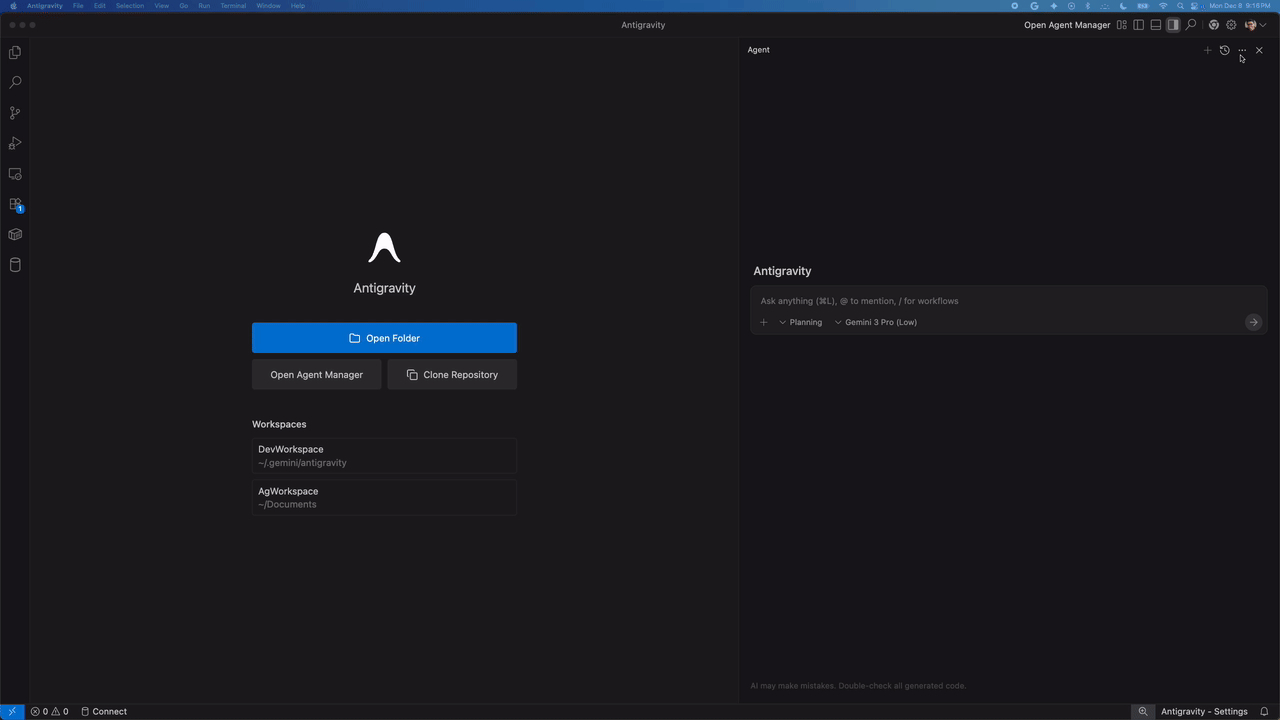
Today, Antigravity is more than just a single editor: it is a product family consisting of a desktop application, a full-featured IDE, a command-line interface (CLI), and an SDK. On 18.06.2026, Google discontinued the individual version of Gemini Code Assist and Google account sign-in for Gemini CLI, directing those users to Antigravity. In other words, Antigravity is now Google's primary coding tool for individual developers. If you want to explore free options in one place, check out our article on free AI coding tools.
Why Did a Week of Usage Drive Developers Away from the Platform?
The positive first impressions usually follow a similar pattern. Antigravity delivers quick results on small and medium-sized tasks. Developers appreciate its ability to understand repository structures, establish context across files, and interpret natural language commands. There are scenarios, particularly in rapid prototyping, where the system feels powerful.
However, the picture starts to change after a few days. The platform appears to apply aggressive throttling, especially in heavy usage scenarios. Sudden slowdowns during lengthy debugging sessions, large codebase analyses, or consecutive agent tasks are among the issues developers complain about most.
The problem here is not simply “hitting a limit.” The real issue is the unpredictability of how those limits behave. Users may work without any problems for hours on some days, only to encounter access restrictions much sooner in another session. This directly undermines trust in the AI coding workflow. For developers who work primarily in the terminal, interruptions mean significant productivity losses. That's because AI coding assistant tools are no longer just recommendation systems; they are used directly as work partners. When a session is interrupted, it is not only the model that loses continuity but also the developer's entire mental context.
Why Are the Hidden Limits in the Free Tier Causing Backlash?
One of the biggest criticisms of Antigravity has been the lack of clarity around its limits. While many users expect a traditional “daily usage allowance,” the system's dynamic throttling behavior can be much more aggressive. Performance drops become particularly noticeable in tasks involving long context windows.
This is not very noticeable in small demo scenarios. However, in real development environments, model behavior starts to change after a few hours of intensive use. Disruptions to session continuity, more aggressive forgetting of previous context, and task delays significantly affect the platform experience.
In AI coding tools, the most critical factor is no longer speed but continuity. That's because developers handle not just dozens of small tasks throughout the day but development sessions that last for hours. This is where Antigravity currently struggles the most. Developers using Cursor, Codex, and Claude Code have become accustomed to uninterrupted workflows. Although Antigravity occasionally delivers strong performance, it cannot maintain the same level of stability.
Why Isn't Google AI Pro Meeting Expectations?
The main reason for upgrading to a paid plan with AI coding tools is usually to escape the pressure of usage limits. However, a significant number of Antigravity users say they experience similar problems even with the Pro plan. Developers with heavy usage patterns can still encounter throttling within just a few hours.
This directly affects trust in the platform. For developers, a paid plan means “guaranteed availability.” If session interruptions still occur at a paid tier, users begin looking for alternative platforms.
With the change in March 2026, quotas on Google AI Pro began renewing weekly instead of in five-hour cycles; once the weekly limit is reached, users need to purchase additional AI credits. Google AI Ultra offers higher limits.
Google's fundamental problem here is actually related to product positioning. The company remains one of the industry's strongest players in terms of model capabilities. The reasoning performance of the Gemini family is certainly not something to underestimate. However, model intelligence alone is not enough to win the AI coding assistant race. Developers now place greater importance on product ergonomics, access reliability, and workflow stability. Today, many startup teams use AI coding tools directly as part of their production infrastructure. Rate-limit-related interruptions are no longer minor inconveniences; they have become operational problems that affect delivery processes.
Why Is the Rate Limit Problem So Critical?
A few minutes of waiting may not create a major problem when using a traditional chatbot. Software development is a completely different story. When a coding workflow is interrupted, developers lose not only time but also focus.
For example, a developer may ask an AI agent to work on dozens of files during a large refactoring operation. They may then ask it to analyze test results and make further code changes. If the system displays a rate-limit warning at precisely that point, the process does not simply stop; the developer has to rebuild their entire mental workflow from scratch.
The exact reason AI coding tools have grown so rapidly over the past two years is that they create a sense of “flow.” Tools such as Cursor and Claude Code, in particular, make developers feel as though they have a second engineer working alongside them. Antigravity, however, is currently criticized for failing to sustain this flow consistently. That's why discussions have recently shifted away from benchmark tables and toward stability. After all, the model with the highest benchmark score does not always deliver the best development experience.
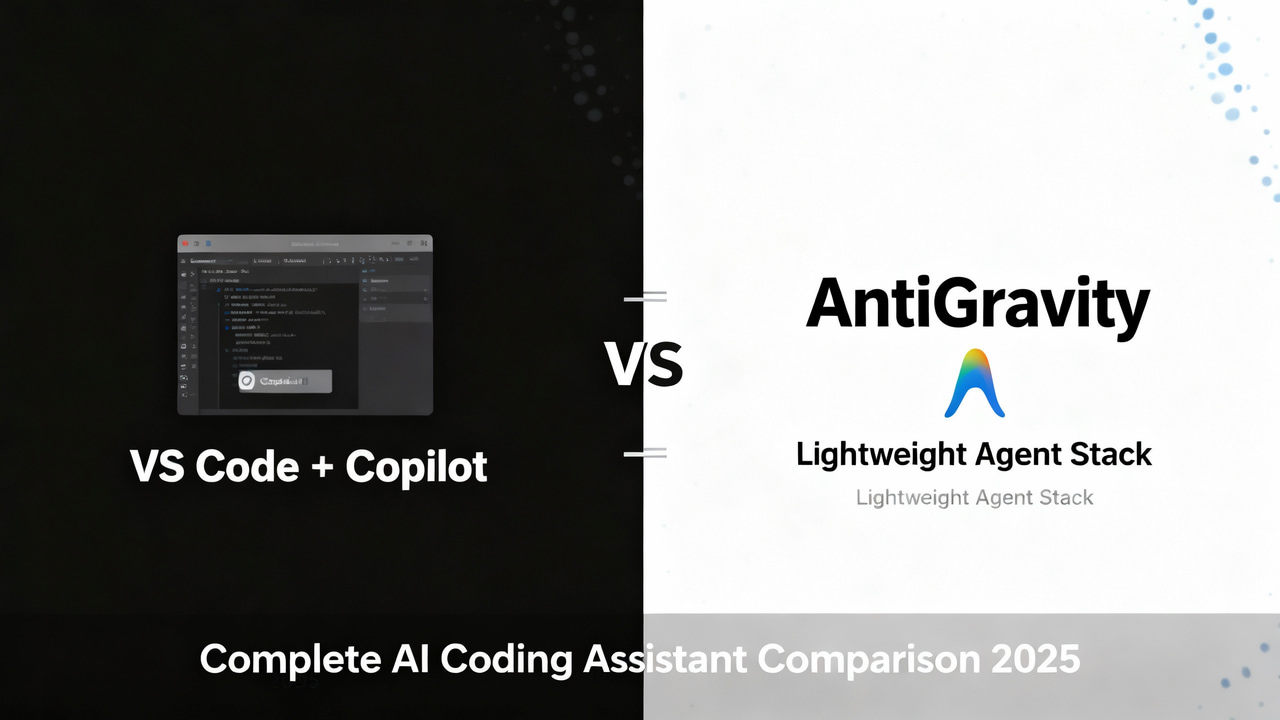
Where Does the Difference Emerge in the Antigravity vs Codex Comparison?
The advantage developers most frequently highlight on the OpenAI Codex side is access reliability. Maintaining session continuity during long tasks and delivering more predictable agent behavior make a significant difference in everyday use.
There is a strong perception that Codex performs more reliably, particularly when analyzing large repositories. Antigravity can produce impressive results at times, but it cannot consistently maintain that level of performance. This consistency is precisely what builds trust among developers. Another important difference emerges in tooling. The Codex ecosystem offers a more mature structure in terms of terminal integration, repository analysis, and external tool usage. Antigravity can still feel like a “preview product” in certain areas.
There is also a difference in access: Codex is available on all ChatGPT plans, including Free and Go; usage limits and features vary by plan. It works through the desktop app, web, CLI, and IDE extension.
Google's advantage here is actually model quality. Gemini models are genuinely strong when it comes to natural language interpretation and reasoning. However, product experience has become just as decisive as model capabilities in the AI coding race. A significant portion of users now want the “tool that causes the fewest problems” rather than the “smartest model.”
Why Is Claude Code Perceived as More Reliable?
Anthropic's Claude Code approach takes a more controlled path. Rather than trying to showcase aggressive features, the platform focuses on remaining stable during long tasks. More consistent context management, especially in large codebases, provides an important advantage for developers.
One of Claude Code's standout strengths is session continuity. Its ability to preserve context more effectively during long conversations strengthens the workflow experience in large projects. This can create a direct productivity advantage, particularly for teams working on backend development.
There are also significant differences in agent behavior. Antigravity can get off to a very fast start on certain tasks but may exhibit throttling as the process continues. Claude Code, on the other hand, behaves more predictably, even if it takes a more controlled approach. That's why stability has become more valuable than speed for many developers.
Claude Code also has its limits. It is not included in the free plan; Pro and Max plans come with a five-hour session limit and a weekly cap. This usage draws from the same pool as Claude's web and mobile applications. In other words, you can still hit a limit in Claude Code during heavy usage; the difference is that the limits are predefined.
Why Is AI Coding Tools Comparison Being Evaluated Differently Now?
Not long ago, AI coding tools were evaluated solely based on the question, “Which model writes better code?” Today, the picture has changed completely. That's because developers no longer use AI tools as second-screen assistants; they use them directly as production partners.
This shift has also transformed the evaluation criteria. Rate-limit policies, session reliability, context management, terminal integration, and behavior during long tasks have all become just as important as benchmark scores.
For example, Antigravity can still be a strong option for short-term prototyping tasks. Its natural language interpretation capabilities can deliver impressive results in certain frontend tasks. However, Codex and Claude Code have started to look more reliable during long development sessions. An uninterrupted workflow is especially important for freelance developers and small startup teams. That's because AI coding assistant tools have now become a direct part of the production pipeline.
How Is the User Experience Affected in Türkiye?
Google has not published separate information about Antigravity's availability and speed in Türkiye. Experiences may vary depending on the account and network connection. The best approach is to check whether your account and region are supported on the official website before installation.
There is no reliable data measuring which tool developers in Türkiye use most frequently. Whatever tool you use, your experience could be valuable to others: you can share it in Masqot's software and AI communities and follow events and hackathons to try the tools together.
What Is Google Missing in the AI Coding Race?
It cannot be said that Google is struggling on the model front. The Gemini family is still regarded as one of the industry's strongest reasoning model families. However, winning the AI coding assistant race is no longer just about building a powerful model.
OpenAI and Anthropic have been investing much more aggressively in developer experience recently. Their productization approach, particularly with Codex and Claude Code, gives developers the feeling that they are using tools they can rely on every day. Antigravity, on the other hand, is perceived as a powerful but still not fully mature system.
In the coming period, model benchmarks may not be the key factor determining Google's success in this field. The real deciding factor will be whether it can offer developers an uninterrupted, stable, and reliable working experience. Because today, most developers are looking for an answer to just one question: “Which AI coding assistant can work alongside me all day without causing problems?”
CreatorTeknoloji ve Kariyer Staj İlanları | 25-31 Mayıs 2026


AI Siber Saldırı Tehdidi Şirketleri Alarmda Tutuyor


