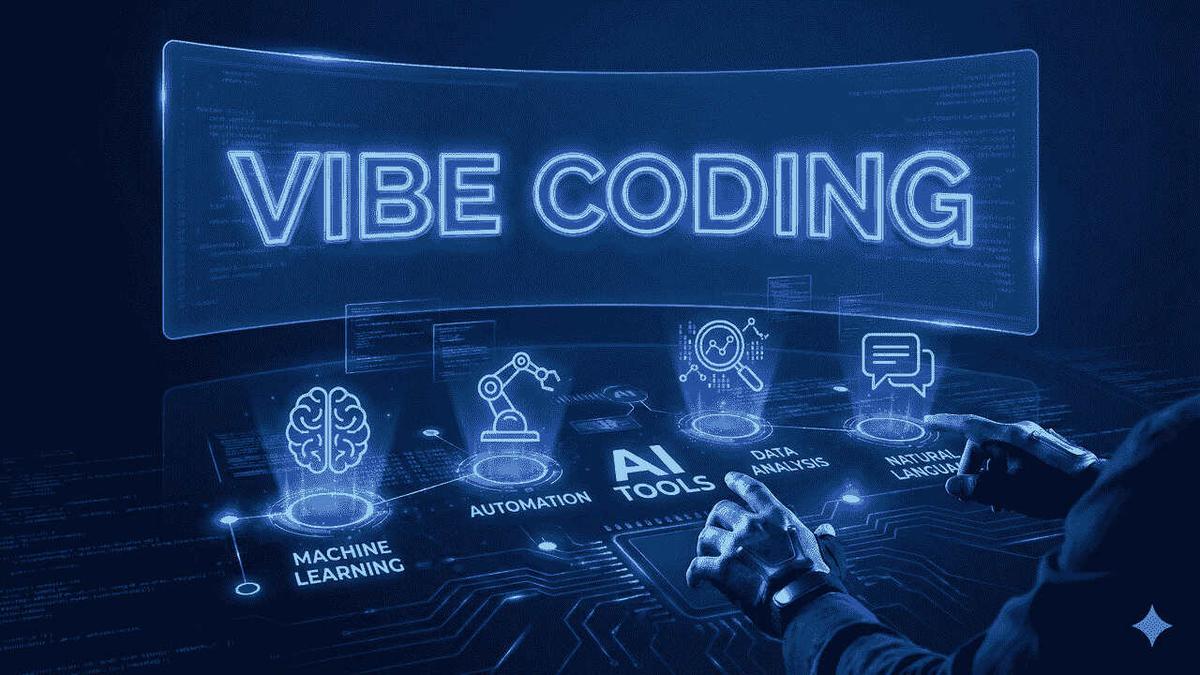
What Is Vibe Coding? The Next Generation of Coding
Automatically translated
 Writer
Software development processes are undergoing a fundamental transformation driven by advances in artificial intelligence. One of the most striking examples of this change is vibe coding, a concept that has become particularly popular among young developers in recent times.
So, what exactly is vibe coding? This approach transforms coding from a purely technical activity into an experience based on users' intentions, workflow context, and creative thinking.
What Is Vibe Coding?
Vibe coding is an approach that uses AI-powered coding tools to analyze users' intentions, styles, and expectations, making code generation more fluid and natural. In other words, it shifts programming processes away from a purely logical framework toward an experience-driven approach. Rather than viewing coding as simply writing code line by line, this model allows AI to generate code by understanding the developer's vibe (context and goals). For this reason, vibe coding can also be described as intent-driven or flow-based coding.
How Does Vibe Coding Work?
We can essentially divide it into three main mechanisms.
1. Intent Detection: The developer enters an input or scenario, and the AI analyzes the underlying intent of the request before taking action. For example:
‘’I want a simple e-commerce product listing page, but with a modern and minimalist design.''
This enables the model to identify both functional objectives and stylistic expectations.
2. Style and Context Alignment: Vibe coding systems learn from users' previously written code and their framework choices within the project's structural context.
This allows the generated code to align with the developer's style, remain compatible with the technologies being used, and integrate seamlessly into the project architecture.
3. Flow-Assisted Code Generation: This model does more than simply generate code; it works in a way that supports the developer's project workflow. For example, it can;
- Provide richer content by suggesting alternative solutions.
- Offer refactoring suggestions.
- Automatically perform error analysis.
- Complete missing components and implementation details.
- Generate documentation.
As a result, coding processes continue seamlessly and intuitively without disrupting the workflow.
Why Is It Called “Vibe”?
For developers and users, coding can seem like a repetitive activity. During these processes, there is an increased risk of losing sight of the context and goals. The vibe coding approach allows the system to adapt to the energy of the workflow. More specifically, the model can recognize language usage, workflow rhythm, overall atmosphere, and technical preferences, enabling it to take a more intuitive approach.
Andrej Karpathy and the Rise of the Trend
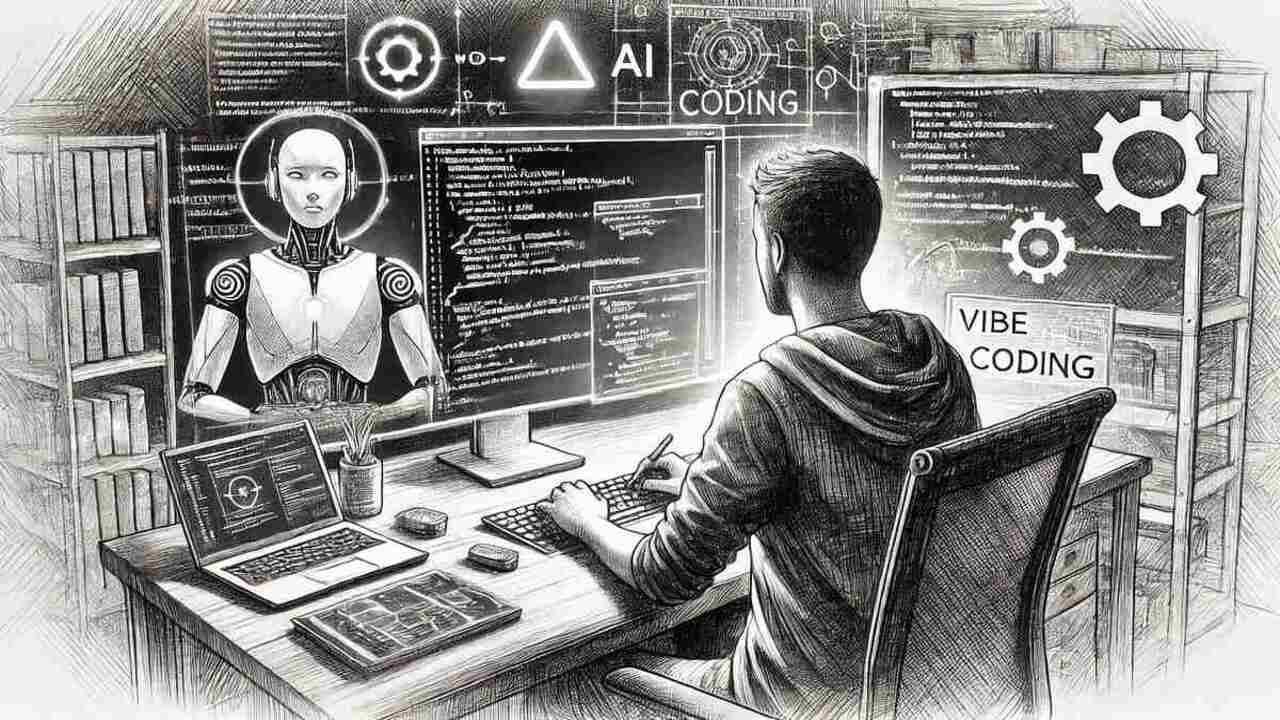
One of the most influential figures behind the spread and popularization of this term is Andrej Karpathy, the former Tesla AI director and one of the respected names in the artificial intelligence world. According to Karpathy's definition, it means moving away from the stressful process in which developers are responsible for every character they type and instead entering into a "dance" with AI. Code editors (such as Cursor or Windsurf) can understand a developer's intentions and generate hundreds of lines of code within seconds. Developers simply contribute to the process by saying things like "Move this button to the right," "Update the database connection this way," or "Try again if an error occurs." Thanks to this process, coding can evolve from a technical necessity into something more creative and fluid.
Advantages of Vibe Coding
- Faster Development: Thanks to workflows driven by natural language, the coding process becomes significantly shorter. It offers considerable convenience and efficiency, especially during prototyping.
- Fewer Errors: Using this model makes it possible to reduce error rates while maintaining consistency in style, standards, and logic. Additionally, automatic correction features can improve the quality of the generated code.
- Creative Solutions: The vibe coding approach can move beyond traditional coding routines and offer developers different and more modern alternatives.
- Shorter Learning Curve: It provides beginners with a system that serves as a guide. This makes complex structures more intuitive and easier to understand.
Who Is It Ideal For?
- Front-end and UI/UX Developers: Since front-end development is a design-oriented discipline, vibe coding speeds up workflows and makes the approach increasingly popular.
- Start-up Teams Building Rapid Prototypes: By accelerating the development process, it provides an effective way to visualize and evaluate initial business ideas.
- Beginner Developers: It makes learning easier by simplifying complex structures and concepts.
- Developers Working on Repetitive Tasks: It simplifies tasks involving repetitive processes, such as CRUD operations, API integrations, and UI components, by shortening context-building workflows.
WriterUzay Tabanlı AI Altyapısı: Google Project Suncatcher


Lenovo'dan Yapay Zeka Destekli Teleprompter Akıllı Gözlük