
How to Change Artificial Intelligence Economic Impact?
Automatically translated
 Writer
Artificial intelligence, perceived only as part of the transformation in the software sector, continues to create rooted changes in all areas of our lives every day. One of these areas is economy. We live a period called the transformationative AI economy era that reshape the structure, measurement format and value understanding of the economy.
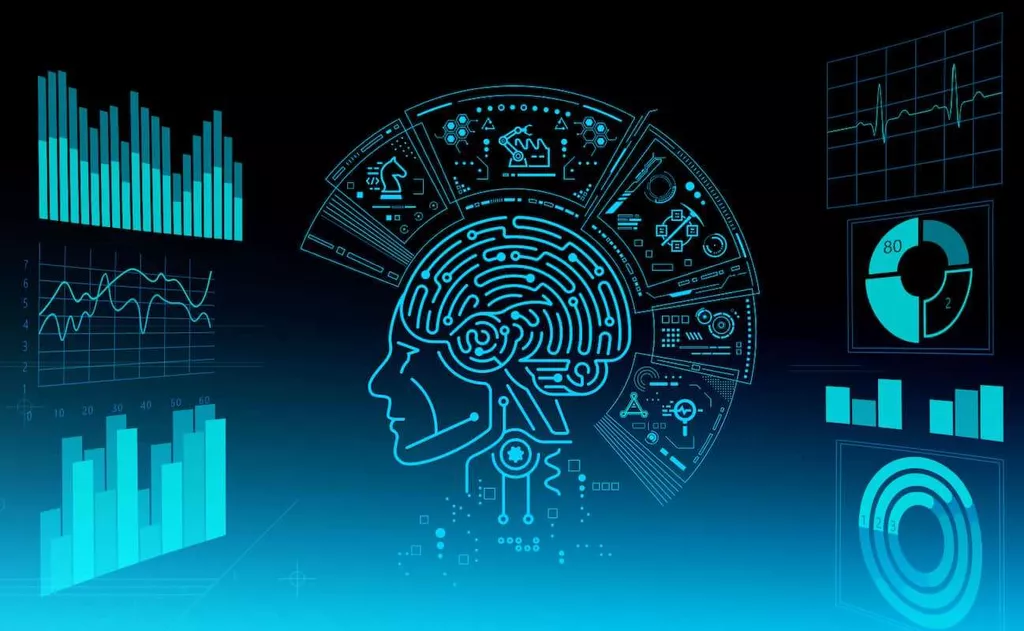
Some researches, Fastest in the economy after the Industrial Revolution conversion While it reveals the potential of the economic impact level of artificial intelligence in the last few years. The economists about this conversion are basically divided into two: defenders that will increase the productivity and well-being of artificial intelligence defend the risks that imbalances can create in the labor market.
Effects of Artificial Intelligence
Artificial intelligence; information processing, language production and data analysis are mainly replaced by human power in many stages. Big language models such as ChatGPT, Claude and Gemini can perform tens of thousands of employees in seconds.
This conversion enables companies to automate business processes and increase productivity per unit. According to McKinsey Global Institute data Artificial intelligence can increase global productivity annual average by 0.8% to 1.3%. This is considered a remarkable leap in terms of artificial intelligence GDPR effect, not only with efficiency increase.
Artificial intelligence tools increase the speed of change while significantly lowering costs in developing new products and services. The discovery of new drugs against deadly diseases, studies in energy efficiency and climate modeling methods are standardized by artificial intelligence.
Tom Cunningham published in Economics and Transformationative AI published on October 2, 2025 As highlighted, this transformation and change experienced with artificial intelligence not only accelerates economic growth; but also causes rooted changes in the nature of growth. With this direction, the transformationative AI economy distinguishes from the classical production economy.
How to Build AI Talents Definition?
One of the most basic problems for economists is to identify the phrase ‘AI capabilities’ accurately. The definition of AI capabilities will not be corrected to measure the effectiveness of artificial intelligence to productivity and GYSH without being made. Because in what tasks of artificial intelligence provide a close performance to the human level and the weight of these tasks in the economic value chain is not clearly known.
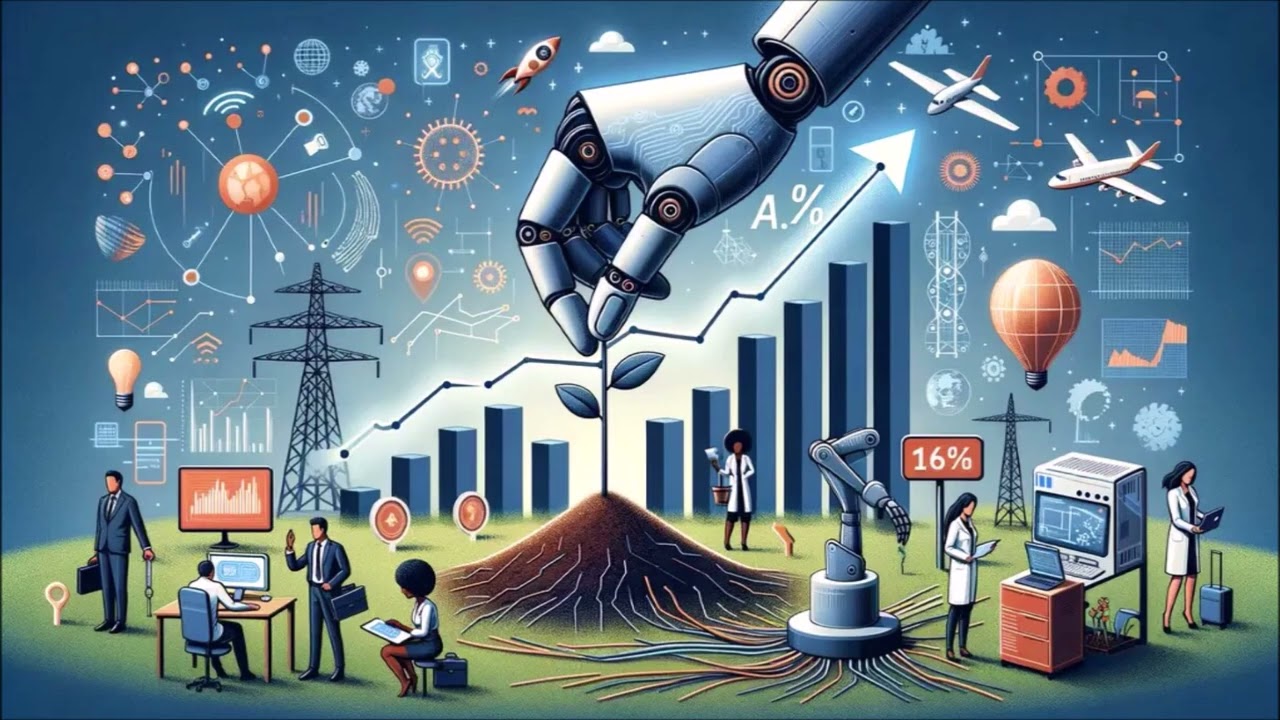
For example, a chatbotun’s customer representative tasks meet 80% accuracy, it directly affects the labor demand in the industry. However, how this effect is reflected in GYSH, it depends on the fee share of tasks, value-added rate and fulfillment in the production chain. That’s why economists have “in AI economic impact analysis”mission-based production models Home”.
GDP Effect of Artificial Intelligence
To see the economic impact of artificial intelligence in concrete, ChatGPT offers important tips in the field of economic research. A large-scale study published in 2025 by NBER and OpenAI revealed that ChatGPT users save an average of 40% of time, reduced error rates by 25% and doubled the decision-making speed. These micro-level efficiency gains can turn into the increase of GDP at macro levels. However, the size of the conversion is directly connected to factors such as the adopted speed of technology, the structure and the flexibility of work force of the sectors.
Economists pay attention to the concept of the concept of “investor coefficient” (fifusion coefficient). So no matter how big the potential of vehicles like ChatGPT, if the prevalence of these vehicles is low, the effect on GYSH remains limited. The economic effect of artificial intelligence is not always fully reflected in official statistics. This is because GSYH has not yet fully adapted to digital economy of measurement system. Like the free version of ChatGPT, many artificial intelligence tools are not included in GSYH calculations, but it is a fact that these tools take water that significantly increase users’ well-being. This situation is “Unlooking growth” defined as.
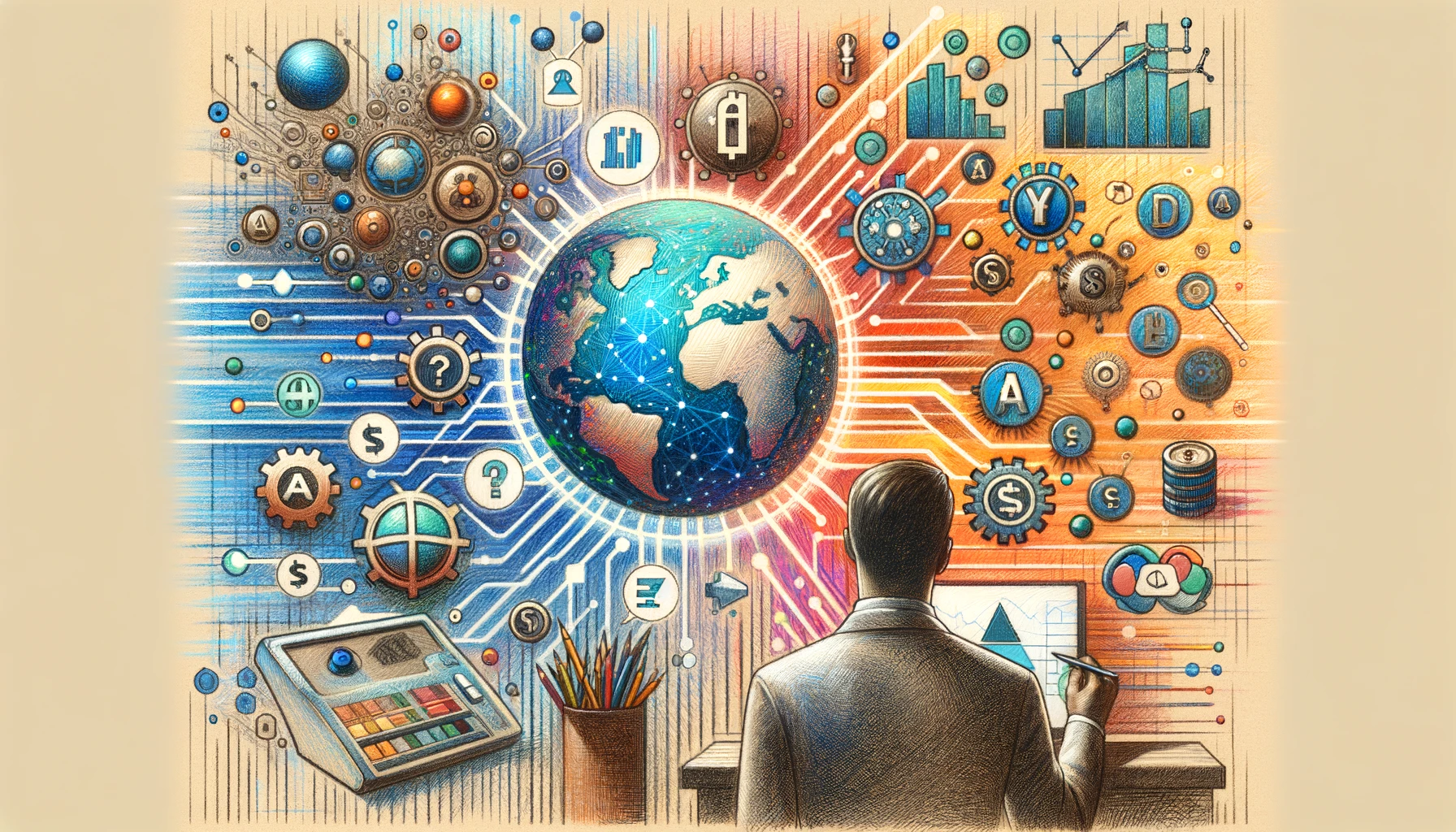
Organizations such as PwC, AI predicts that global economy up to 2030 will contribute over 15 trillion dollars. This approach defends the productivity of the transformational AI economy to accelerate on the historical scale. About Us economists like Daron Acemoğlu He thinks that artificial intelligence will provide limited GDP contribution in the short term and the main difference will be seen in long-term business transformations. According to Acemoglu, the contribution of the "efficiency of the automulation is limited to the creation of new business, the total economic welfare increase remains limited. ”
Three basic policy highlights to manage the economic impact of artificial intelligence:
- National income calculation systems should be updated to include digital well-being and free services, the effect of artificial intelligence on GSYH should be measured more
- Programs that will facilitate transition to new business areas should be created, especially in areas such as coding, data analysis, large-based educational policies should be executed
- It should also be promoted innovation to prevent monopolyization in artificial intelligence infrastructure, facilitate the access to the technology of small-scale initiatives

The next decade will be decisive in terms of the economic impact of artificial intelligence; although the potential to increase productivity is undisputed, this potential will be shaped with national and global decisions in politics, education and ethical. The economy in the future will take a place based on models based on “digital welfare” rather than GSYH of prosperity and human-machine collaboration. In this context, artificial intelligence can be said not only productivity, but also redefined the meaning of the economy.
WriterChain of Thought İzlenebilirliği ve AI Güvenliği Analizi
Datamind-14B: Küçük Boyut, Büyük Performans