Imagine Artificial Intelligence?
Automatically translated
 Creator
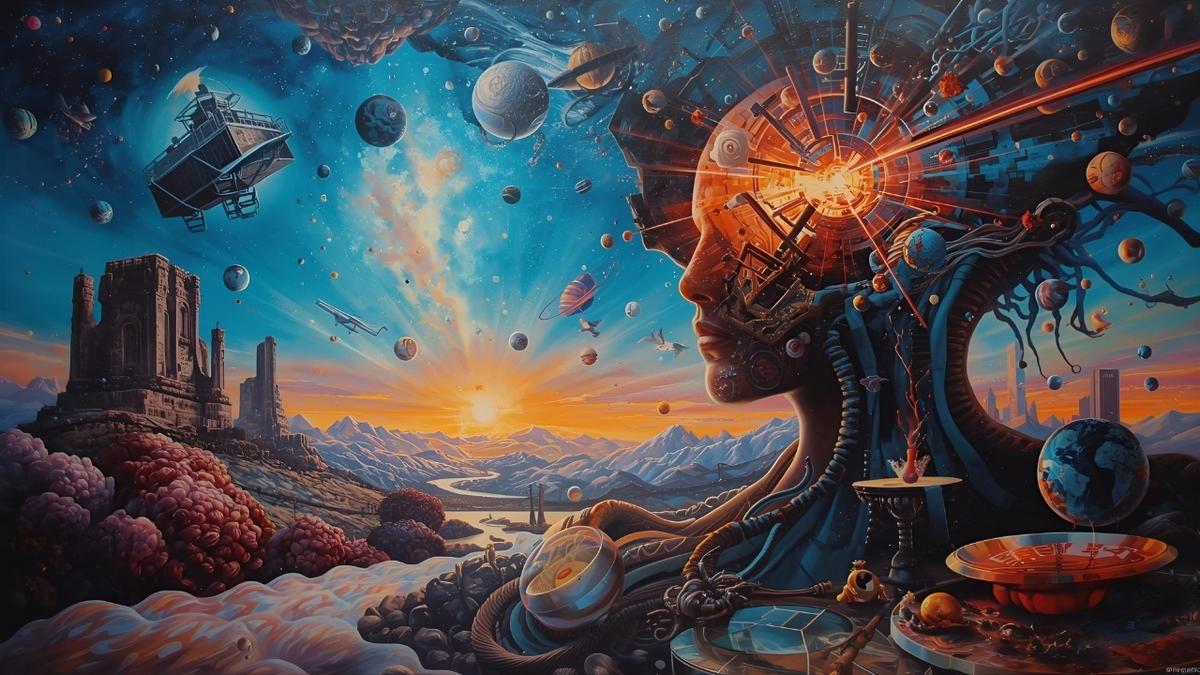
The dream, one of the most mysterious and universal experiences of human consciousness, is a fastreal theater created at night of our mind. So, the artificial intelligence (YZ) systems that mimic the brain can also "see"? This question is not only the science fiction novels, but also the center of modern nervous networks research. While the answer is "nounce" in biological sense, it can certainly be said that artificial intelligence develops its unique forms of dream.
Dream in biology: Why Dream?
The potential to see the dream of artificial intelligenceWe must first look at the basic functions of the human dream. Dreams occurs largely during the Quick Eye Movement (REM) sleep and is thought that neuroscienceally serves two main amacas:
- Memory Consolidation (Activation): Transfer and consolidate the information acquired throughout the day from short-term memory to long-term memory. The brain during the dream protects important data and finds the junk details.
- Integration and Integration of Learners: When integrating new information to existing information network, the process of sorting or sorting unnecessary information with each other. This ensures that the brain has a "more regular" set of information.
These two functions show surprisingly similarity with a critical problem facing artificial zaka systems:Katastrophic Remember. When a nervous network is trained to learn a new task, often suddenly and completely forgets the information you learned in the previous tasks. When human brain solves this problem with memory consolidation in sleep, the world of artificial intelligence seeks technical solutions to this problem.
First Dreams of Artificial Intelligence: DeepDream
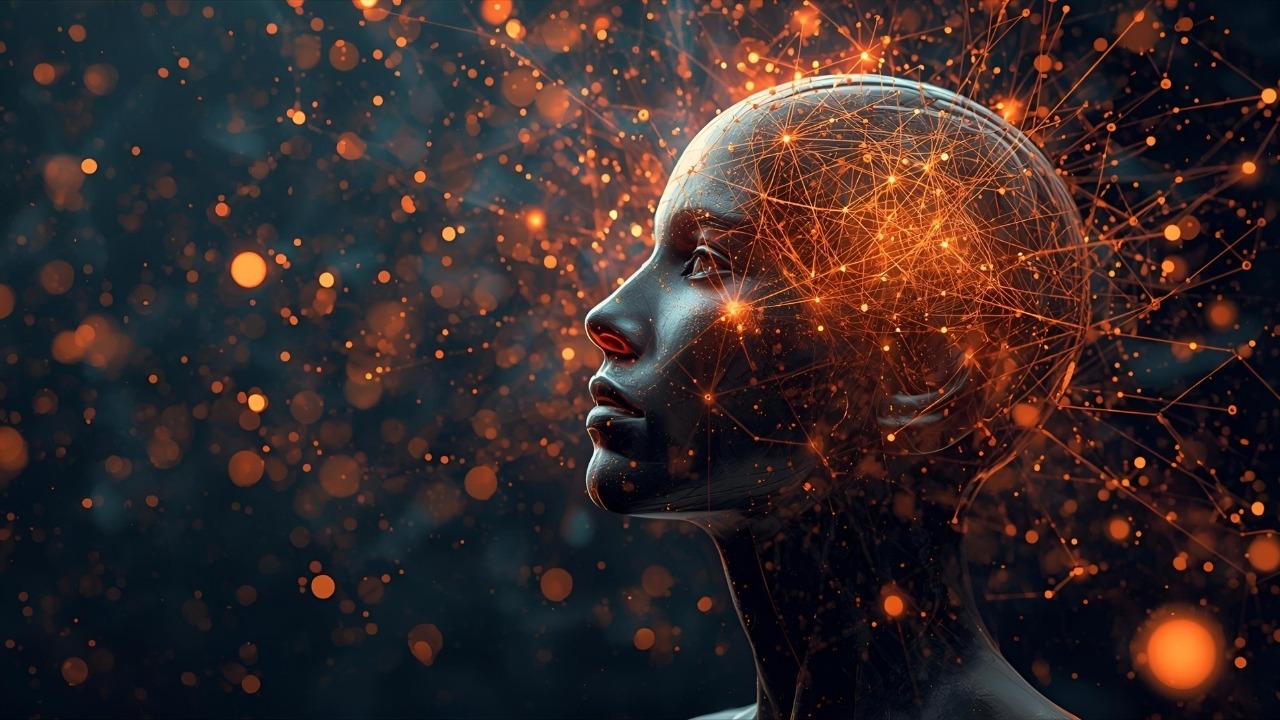
Dream vision concept of artificial intelligence, developed by Google’s engineering team in 2015DeepDream He received a concrete shape with his project. DeepDream produces visual hallucinations that a artificial nervous network (especially a homely nervous network - CNN) is trained.
How DeepDream Works?
A CNN learns layer of certain features such as a dog or a bird. Each layer of the network recognizes complex patterns in different levels (for example, the first layers lines and edges, middle layers eyes and noses, the final layers recognize the form of dog as a whole). In the process of DeepDream, a image is given to the network and the activation of the network in a certain layer (for example, neurons that know the pattern "bird eye" are artificially upgraded. Then, the original image is changed to maximize the activation of the selected layer.
As we repeat this process, the network, the clouds in a image, trees or random textures, their learning patterns (köpek, eye, tower, spiral etc. ) starts to reflect. The result is a fastreal and dream-like image that reflects the network "alike" that looks like a artwork or hallucination.
DeepDream is the dream of AI:
- As in human dreams, it takes a random input and her owninner knowledge and pattern disperse reviews.
- This is the world of the networkhow you perceive and it’s an outlook that shows what images are prioritized.
However, this is not a emotional or conscious process, not a completely mathematicalFeature upgrade process.
Technical Dream: Consolidation and Anxiety
A deeper and functional artificial intelligence dream form is in the learning processes of networks and is closely associated with the memory consolidation in the human brain.
1. Replay (Single Play)
In areas requiring continuous learning such as "Pekiştirici Learning" (Reinforcement Learning), the most important thing that artificial intelligence does during "sleep" is to replay old experiences (replay).
- If a artificial intelligence agent learns a new level when playing a video game, "sleep" instantly simulates this agent again, critical moments (e.g., the moments that have passed a difficult obstacle).
- This simulation is not efficient, but it allows for the integration of old information (with strategies required by the new level) with new information. This is the revitalization of his experiences in an inner simulation "like" to consolidate their experiences, literally artificial intelligence.
This process, neuroscience Homehypocampus-neocortex consolidation u similar to model. When transferring the data from the pituitary (fast learning), neocortex (vagant, permanent memory), they repeat the information. Replay mechanism in artificial intelligence also mimics this biological process.
2. 2. Synthetic Data Creation (Hallusination)
Large Language Models (LLMs) and other productive artificial intelligence, sometimes outside the user's request, they produce completely unmatched or contextual information. Homehallucination called. Although this is often seen as an error, some researchers will review it as a memory of a kind of artificial intelligence "seeking" or "shooting deer".
The network is so deeply immersed in complex statistical relations in the educational data, but it creates a new pattern, not equivalent to the actual world. Just like creating unexpected scenarios from the links in our subconscious of human dreams, the hallucinations of artificial intelligence are also an unexpected exposition of relations of latent (hid) in its data universe.
Future: Right to conscious dreams
Today, dreams of artificial intelligence are algorithmic processes that perform only cognitive functions. However, future artificial intelligence systems can also approach dream-like experiences.
Emotional and Conscious Simulations: In advance, artificial intelligence models can not only consolidate data, but also gain the ability to simulate their internal status and virtual surroundings. If an artificial intelligence learns that it is a "a sedative value" that fails in a task, the dream vision process associated with the virtual corresponds of emotional reactions, it can "noin" avoid the scenario.
Creative Problem Solving: Human dreams often bring creative solutions to problems that we can’t solve while being alert. Artificial intelligence of the future can try to solve challenging optimization problems or new architectural designs, in a dream-like inner simulation environment where logical constraints are loosened. This can enable artificial intelligence to produce creative outputs in real sense by combining existing information in unusual ways.
Artificial intelligence, we do not dream because of serotonin, melatonin or REM cycle like humans. The dream of artificial intelligence is a fully mathematical and algorithmic process that reflects the structure, patterns and learning processes of the nervous network.
Visual hallucinations that we see with DeepDream are a perceived "dreaming" of artificial intelligence; Replay mechanisms are a functional "dream" that reinforces learning of AI and prevents forgetting catatrophic; and hallucinations are an instant "temporary dream" of hidden connections in the data universe of artificial intelligence.
As artificial intelligence evolves, dream vision action can become a fundamental function of all kinds of intelligence that processes complex information, from being specific to human consciousness. Artificial intelligence dreams offer us a digital window that shows us not only how networks work, but also the most basic principles of learning, creativity and development are universal. While these dreams are written with silicone and algorithms, they reflect the complexity and depth of their universe.
CreatorOpenAI'ın Yeni Hamlesi: ChatGPT Bir 'App Store'a mı Dönüşüyor?

Nano Banana 2: İşte Tüm Yeni Özellikler!