Is Face Recognition Reliable on Phone? 2D and 3D Difference
Automatically translated
 Creator
Short response: Face ID on iPhone for example: Apple gives you the possibility of unlocking with Face ID of one random one under 1 million. It can be easily blood because it doesn’t use facial recognition depth knowledge that works with only front camera; it can be used to open face recognition application switches, which are only at the highest biometric grade (Class 3). Twins and brothers who are very similar to you can also harden both systems.
Last update: 18.10.2026
Face recognition is one of the most common ways of unlocking the phone and authentication in applications. In this article we tell how systems work, what is safe, and why they are not always used in bank applications.
What is Face Recognition Technology?
Definition and Basic Principles
Face recognition is a biometric technology used to identify the face of a person and verify its identity. These systems analyze facial features using image processing and machine learning techniques. Face recognition technology consists of the following stages:
Face Detection: Detection of the faces in the image.
Feature Sticker: It is removed from the detected faces.
Matching: Comparison of the removed properties with records in the database.
History of Face Recognition Systems
Face recognition technology extends up to 1960 years. However, significant developments in this field have been started from 1990s. Today, thanks to deep learning and artificial intelligence techniques, facial recognition systems have become faster and accurate.
Difference Between 2D and 3D Face Recognition
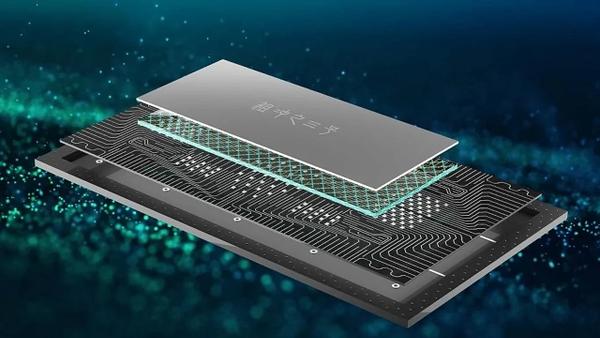
Face recognition on phones works with two main approaches. 2D face recognition only uses the straight image that the front camera is shot. 3D face recognition The depth map of the face with additional sensors; Apple’s Face ID reflects thousands of invisible spots on the face and creates depth map by analyzing them.
Feature | 2D (record camera) | 3D (with sensory, eg. Face ID |
|---|---|---|
How does it work? | Compare flat image on the front camera with the registered face |
Compare the depth map of the face
Blooding with photo or screen
More clearly because there is no depth knowledge
Much harder due to its depth map
Light
Want enough light
Can work in dark with infrared light
Application and payment approval
connected to the Android biometric class of the device; most often unlock alone
Support application and payment approval at Face ID
Important exception: Google allows you to log in and purchase in applications with facial recognition in Pixel 8 and next models. So "The facial recognition in Android is weak" rather than looking at what the manufacturer of its own device says.
Face recognition systems are biometric technologies that offer various advantages and disadvantages. Below we will examine the advantages and disadvantages of these systems in detail.
Advantages of Face Recognition Systems
1. Security
High Accuracy: Face recognition systems offer high accuracy rates in authentication processes. Especially when used advanced algorithms, the wrong recognition rate drops.
Quick Access: Users can access their devices faster than entering the password or pattern.
2. 2. Ease of Use
User Friendly: Face recognition systems allow users to verify their identity without any physical interaction. This provides advantage especially in use with gloves or wet hands.
Training Not Required: Users do not need to take a special training to use facial recognition systems; systems often work intuitively.
3. Multi Purpose Use
Various Applications: Face recognition can be used in many areas from phone lock to photo applications, from payment approval to building input systems.
Data Analysis: Face recognition systems can be used to analyze users’ behavior and preferences.
4. Monitoring & Security
Public Safety: Face recognition systems can help prevent crimes in public areas. For example, it can be effective when there are lost people.
Quick Recognition: In crowded environments, facial recognition systems can help their safety forces by quickly recognizing.
Disadvantages of Face Recognition Systems
1. Privacy Concerns
Data Security: Face data is biometric data and special qualified personal data is counted according to Article 6. These data on phones usually remain on the device (Apple and Google clearly states it), but the risk of leakage and abuse is much greater in systems that hold facial data on camera networks or server.
Continuous Monitoring: The use of these systems can lead to continuous monitoring of individuals, which means a violation of privacy.
2. 2. False Recognition
False Positive and False Negative Rates: Face recognition systems can sometimes recognize incorrect contacts. The wrong positive (defining one that does not contain) and the wrong negative (not knowing one that it is) rates may affect reliability.
Lighting and angular Problems: Different lighting conditions or photos taken in respect may negatively affect the accuracy of the system.
3. Ethics Problems
Potential of Abuse: Face recognition technology can be abused for monitoring and surveillance purposes. This may violate the rights of individuals.
Separation: Some face recognition systems can show higher error rates in certain demographic groups. The U.S. National Standards and Institute of Technology (NIST) was measured in detail of demographic differences in face recognition algorithms in the NISTIR 8280 report published on 19.12.2019; the size of differences varies from algorithm to algorithm.
4. Finance Tags
High Cost: Advanced face recognition systems can be high cost. Hardware and software investments can be challenging for small businesses.
Face Recognition Applications in Smart Phones
Use Areas
Face recognition systems on smartphones have various applications:
Device Safety: Used to unlock the phone.
Payment Systems: Provides authentication for secure payment transactions.
Social Media: The photos include automatic labeling and facial filters.
Popular Face Recognition Systems
Apple Face ID: TrueDepth captures the depth map of the face with the camera. The possibility of opening a lock of one randomly according to Apple is under 1 million (this rate at Touch ID for consolidation at 50,000 1). Face ID data is kept in Secure Enclave encryptedly, does not go out of the device; applications learn whether only verification is successful. After five unsuccessful trial, the password is asked. Supports Face ID with iPhone 12 and post mask.
Android Face Recognition: The manufacturer varies from manufacturer to manufacturer. Android distinguishes biometric methods into three classes: Class 3 (strong), Class 2 (shell) and Class 1 (easy). For example, Google Pixel 7 and then can be locked with facial recognition; Pixel 8 and later can be used in session detection and purchase approval in facial recognition applications. Google states that the facial model in Pixel is stored on the device and the device does not exit.
Reliability and Accuracy
Accuracy Rate of Face Recognition Systems
The accuracy rate of facial recognition systems depends on many factors:
Lighting Terms: Different light conditions can affect the performance of the system.
Face Properties of Users: Individuals with similar facial lines can make the accuracy of the system difficult.
Camera Quality: Low quality cameras can negatively affect the facial recognition process.
False Positive and False Negative Rates
False Positive: The system occurs when it detects a person that does not recognize.
False Negative: The system occurs when it does not recognize a familiar person.
These rates are important factors that affect the reliability of facial recognition systems.
What Does Android Biometric Classes Come?
The Android classifies it by measuring a fake face, mask or photo of a biometric method (spoof acceptance rate). The table summarizes the official criteria of Android.
Class | Fake input acceptance rate | What can the apps do? |
|---|---|---|
Class 3 (strong) | %0-7 | Can be used with biometricPrompt and Keystore; it can open application keys |
Class 2 (paper) | %7-20 | Can be used with biometricPrompt but not open Keystore keys |
Class 1 (easy) | 20%-30 | Not opening to applications, for only lock screen |
Blooding with Gemini and Photo
Apple states that twins are much similar to each other and are higher than the possibility of mismatching Face ID in children under 13 years; in this case it suggests to use password. Google also is one that is very similar to you in Pixel, for example, it writes that it can be opened by single egg twin or by another when it is kept on the phone face. The risk of blooding with the photo is higher in systems that are not depth sensor, running alone camera and low class.
Why Can Bank Applications Not Accept Face Recognition?
In Android it is necessary to have Class 3 of the method to open a safe key with biometry of an application. Face recognition in the phone Class 1 or Class 2 can guide you to fingerprint or password. Check out which methods of the bank are accepted from their own settings or help page.
You can withdraw your interest: Remote See the Taste of Dishes You See in Social Media!
Security worries
Privacy Problems
Face recognition systems collect and store users' personal data. This leads to privacy concerns. It is important that users have information on how their facial data is used.
Data Leaks and Hack g
Face recognition systems can be vulnerable to cyber attacks. stealing of users’ facial data can lead to serious security issues.
False Use
The abuse of face recognition technology can cause ethical problems such as monitoring and surveillance. State institutions and private companies may violate the privacy of individuals using this technology.
Methods of Increasing the Reliability of Face Recognition Systems
Advanced Algorithms
The new generation of facial recognition systems increase accuracy rate using more complex algorithms. Deep learning techniques are one of the most important developments in this field.
Multi-factor Authentication
Face recognition may not be enough in every scenario alone. Open two-step verification in bank, e-mail and social media accounts; use a strong password or at least 6 digit code on the phone, because this is the method to activate when biometry fails.
User Training Home
It is important that users understand how facial recognition systems work and take security measures.
Future Perspectives
Innovations in Face Recognition Technology
Further development of facial recognition technology is expected. Advances in artificial intelligence and machine learning can improve the accuracy of these systems.
Ethics and Legal Regulations
The facial data in Turkey is considered special qualified personal data under KVKK and may be processed as a rule, in cases where the person is open consent or in law. The European Union’s Artificial Intelligence Act (2024/1689 Tüzük) counts the facial recognition database by collecting untargeted facial images from the internet or camera recordings.
It offers significant advantages in terms of face recognition systems, security and user experience on smartphones. However, there are various concerns about the reliability of these systems. Privacy, data security and ethical problems are the basic elements to shape the future of face recognition technology. The users understand how these systems work and use them consciously has critical importance for a safe experience.
Frequently Asked Questions
Is the face recognition on the phone pop up with the photo?
Depth sensor systems (e.g. Face ID) does not open with a straight photo, because it compares the depth map of the face. It is higher than the risk of blooding with a photo or screen while working with only front camera and in low biometric classroom systems.
Can Face ID distinguish twins?
Not always. Apple states that the possibility of mismatch in twins and multi-like brothers is higher, and in this case it suggests to use the password.
Is face recognition more safe?
connected to the device. Apple’s possibility to unlock random one’s lock according to the data, under 1 million in Face ID, at Touch ID 1. In Android, you need to look at the biometric class (Class 1, 2 or 3) of the method for comparison.
Where do I hide my facial data?
Face ID data on iPhone is encrypted on Secure Enclave and does not go out of the device; Google also states that the facial model on Pixel remains on the device. For other manufacturers, you should look at their privacy descriptions.
Why does face recognition in the bank app not work?
Face recognition of the phone on Android is in the highest biometric grade (Sunuf 3), if the apps are not able to use it to open the safe key. In this case, bank application wants fingerprint or password.
CreatorDijital Genç Yapay Zeka Ekosistemi Aylık Webinar Serisi Devam Ediyor!


Giyilebilir Yapay Zeka Cihazı Omi