FREE Python Courses: The Top 10 Python Courses from freeCodeCamp
Automatically translated
 Writer
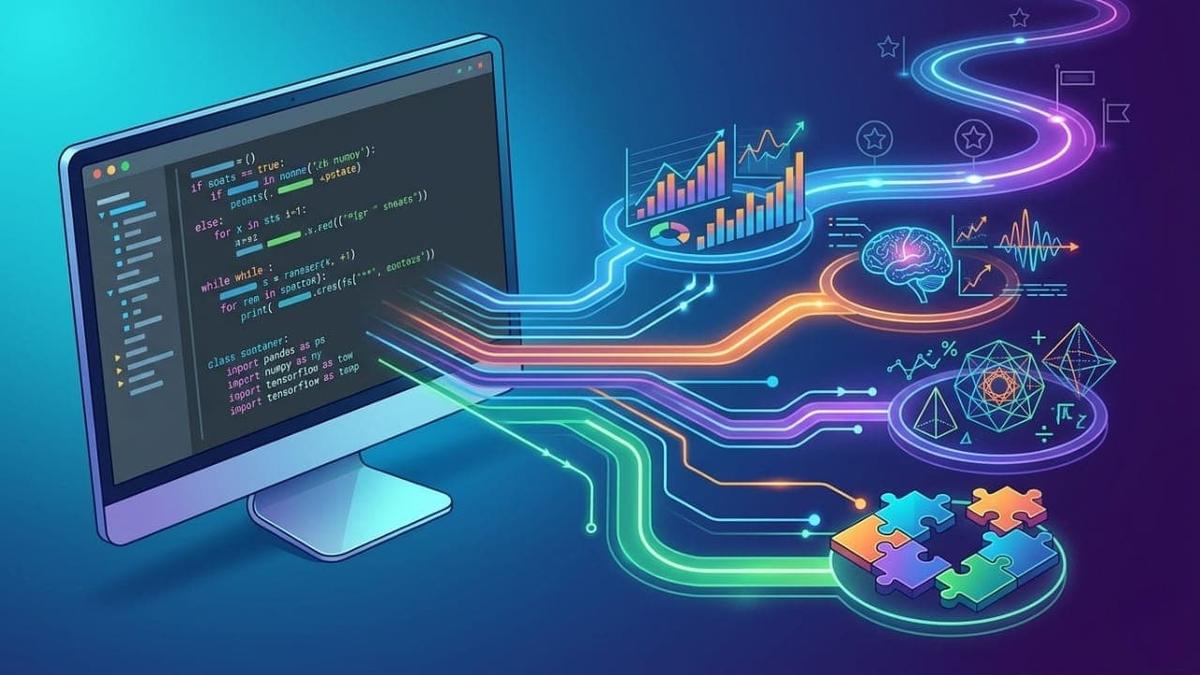
The language of the digital world is no longer made up only of spoken words but also of lines of code. At this point, the search for a free Python course is more than a technical learning process; it is a journey that opens the door to analytical thinking. FreeCodeCamp’s official website and YouTube lessons offer a comprehensive learning experience from beginner to advanced level.
1.Learn Python – Full Course for Beginners
This course is designed for people who are starting programming from scratch. Throughout the course, the basic syntax of Python is covered systematically.
In this course:
Variables and data types
Integer, float, string and boolean structures
Conditional statements (if-else blocks)
Loops (for and while)
Creating functions and using parameters
List and dictionary data structures
The lessons include theoretical explanations along with live coding examples.
Especially for those looking for Python lessons from scratch, it helps the basic logic settle in. By the end of the course, students can build mini projects such as a simple calculator or a word counter. This helps the basic logic settle and the concepts learned become reinforced.
2.Python for Everybody – Full University Course
It is a comprehensive program prepared at university level. This course does not only teach syntax; it also develops algorithmic thinking.
Content details:
In-depth analysis of data structures
File reading and writing operations
String manipulation
Simple data analysis applications
Problem-solving techniques
This course is one of the most academic among the FreeCodeCamp Python courses.
Its long duration requires a disciplined learning process, but in the end it gives you a strong foundation. For example, you can build an application that counts word frequencies in a text file or takes input from the user and analyzes it.
3.Scientific Computing with Python – Certification Course
This course focuses on the scientific and mathematical side of Python. It systematically develops programming logic.
In the course content:
Functional programming approach
Creating modular structures
Complex data manipulation
Basic algorithm design
Mathematical operation applications
This course treats software development not only as a technical activity but also as an intellectual discipline.
This curriculum, which combines theory with practice, holds an important place among academically oriented Python learning resources. For example, you can develop algorithms that perform statistical calculations and hypothesis tests on complex data sets, or create a comprehensive research project that simulates a physical event, such as population growth or heat distribution, through a simple mathematical model.
4.Data Analysis with Python – Full Course
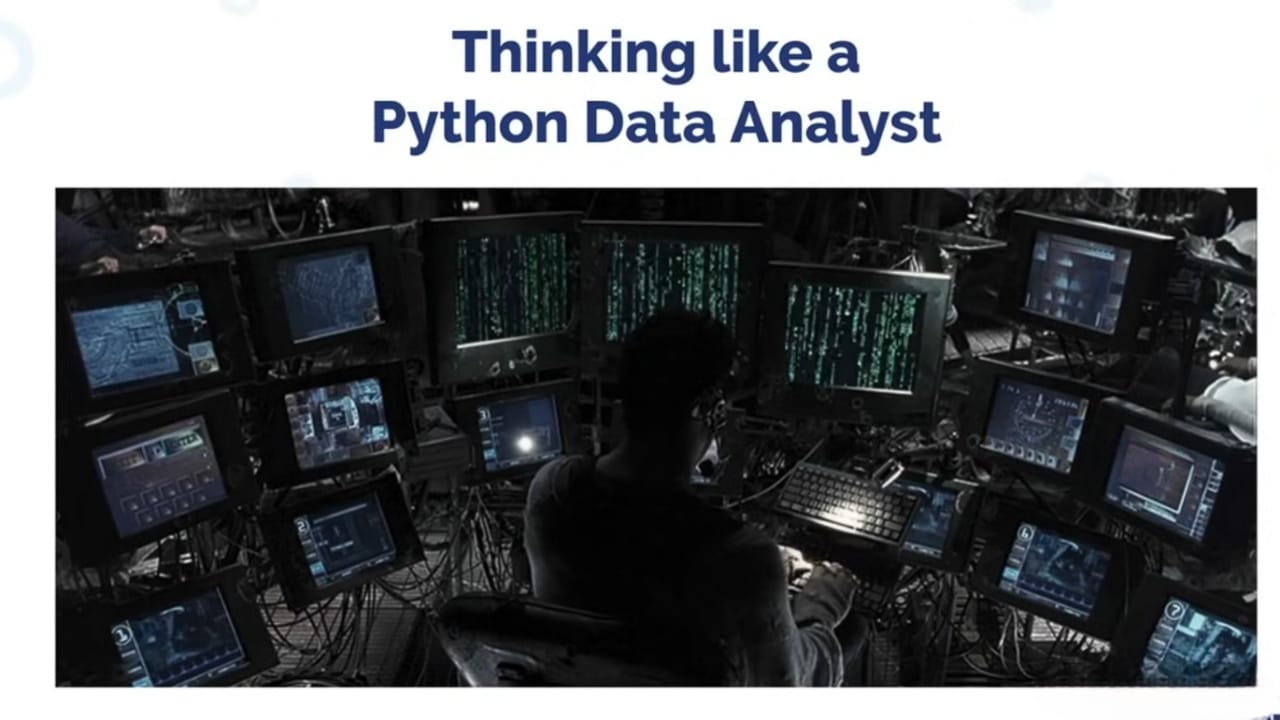
For people living in the data age, the data analysis side of Python is critically important. This course is prepared for those who want to move into data science.
Comprehensive content topics:
NumPy for numerical operations
Creating data frames (DataFrame) with Pandas
Data cleaning and missing data analysis
Filtering and data transformation
Basic data visualization
When this course is completed, the student reaches a level where they can analyze real data sets.
This course blends theoretical knowledge with practical application, making it a strong bridge for participants moving into data science. For example, a student who completes the course can use Python libraries to analyze the massive sales data of an e-commerce site with advanced charts, creating visualizations that support strategic decisions, or clean the missing and erroneous data in a messy CSV file with professional techniques and turn it into meaningful business reports.
5.Machine Learning with Python – Full Course
Machine learning is one of the most popular and academically rich use areas of Python, thanks to its ability to analyze complex data structures. While teaching the basic modeling techniques under supervised and unsupervised learning, this course aims to build a solid foundation in statistical inference and model evaluation metrics.
Content:
Regression models
Classification algorithms
Model training and testing processes
Preparing data sets
Simple artificial intelligence applications
This course can be described as a critical stage for those who want to take their Python knowledge to an advanced level. For example, you can develop a simple spam email classifier or a prediction model.
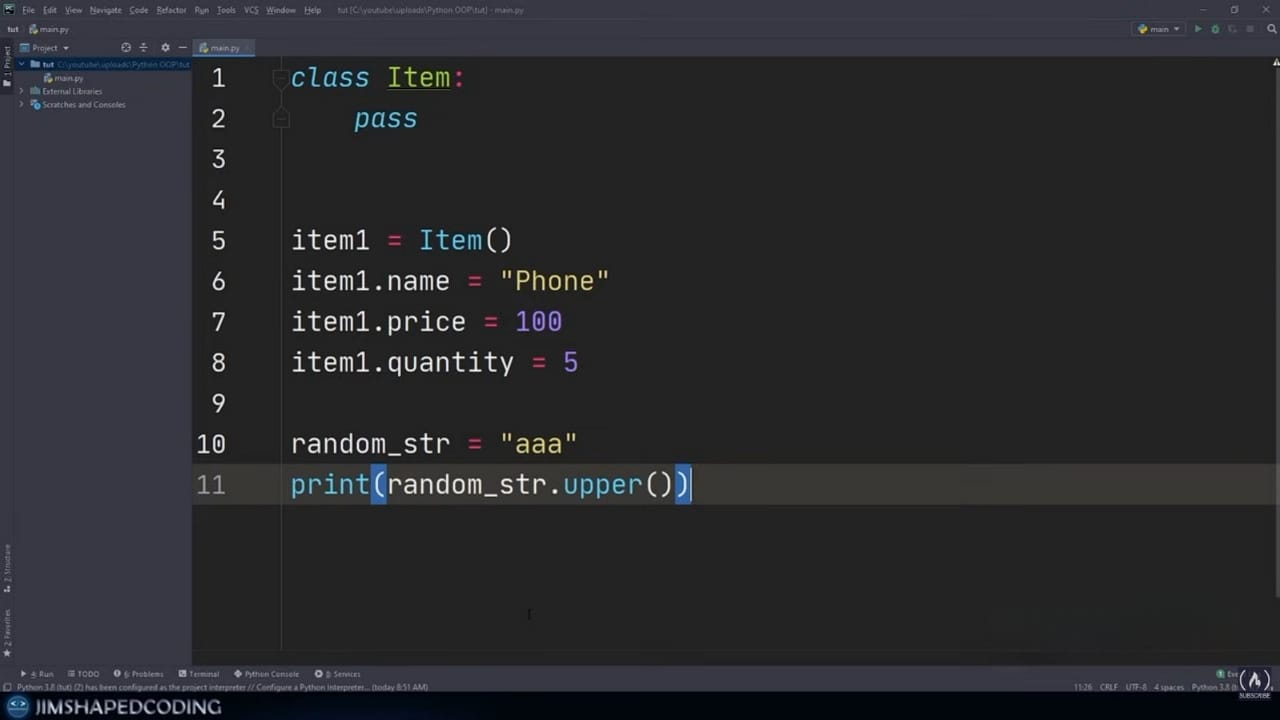
6.Python Object Oriented Programming (OOP)
Object-oriented programming is the foundation of software architecture.
In this course:
Class structure
Creating objects
Inheritance
Polymorphism
Encapsulation
concepts are covered in detail.
For those who want to write sustainable, modular and testable code in large projects, these principles are indispensable. For example, students can design a complex bank account management system using inheritance and polymorphism, or build an extensible game character system in which characters with different abilities and classes interact with each other.
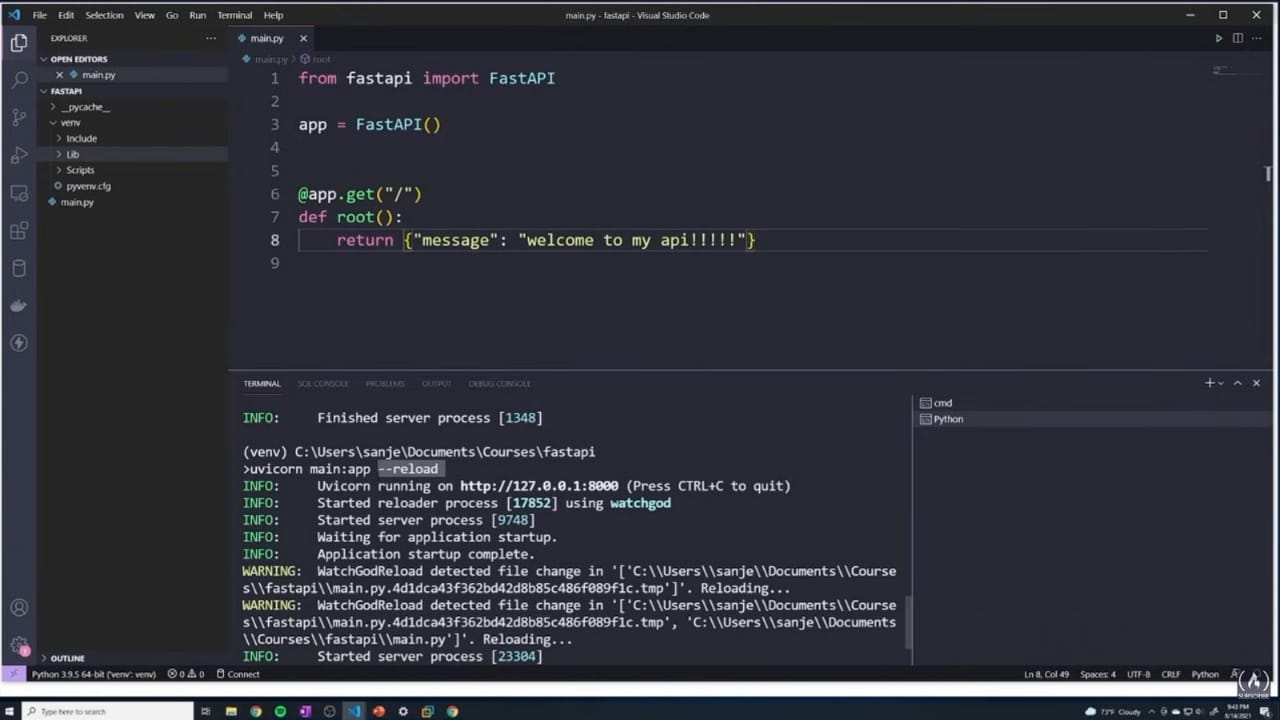
7.Python API Development Course
This course is designed for those who want to get started with backend development.
REST API logic
HTTP methods
JSON data structure
Client-server relationship
This skill, which forms the basis of modern application development processes, is an important step for those who want to move into web development. For example, you can build a flexible web service designed according to RESTful architecture principles, which securely receives user data through endpoints and returns JSON-formatted responses that frontend applications can consume, creating a professional infrastructure
8.Web Scraping with Python
It teaches how to extract data from the internet programmatically.
Requests library
Using BeautifulSoup
HTML parsing
Collecting and saving data
For those who want to hand over repetitive tasks to digital assistants, this course stands out as a very valuable one for people working in data analysis and automation. For example, a student can complete a process that would take hours manually within seconds, automatically pulling hundreds of current headlines from a news site and saving them to a structured CSV file, or build an advanced scraper tool that tracks prices by scanning web pages at regular intervals and sends notifications on critical changes.
9.Django Full Course for Beginners
It explains the process of building a full web application with Django, Python's powerful web framework.
Model-View-Template structure
Database connection
User authentication
Project deployment
It can be considered a comprehensive course for full-fledged web development.
For example, you can take a strong step into software development by building a blog platform with comments and likes where students can share knowledge with each other, or a comprehensive e-commerce site that includes product management, cart operations and secure payment integrations.
10. Flask Course – Python Web Development
Web application development with Flask, a more minimal and flexible framework, is taught.
Routing system
Template usage
Form handling
Building simple APIs
For those who want to learn backend logic through a simple structure, this course is ideal. For example, a student can build a web application with a user registration system or a simple blog structure.
Taken together, these courses form a cohesive learning chain, with each step supporting the one before it, from basic programming logic to advanced machine learning algorithms. When freeCodeCamp’s wide-ranging YouTube lessons and its interactive official website are followed in sync, a democratic learning process becomes possible: theoretical knowledge is reinforced through practical projects, and the depth of academic level is made understandable to everyone by breaking down technical barriers. It should be remembered that learning Python is like a marathon that requires patience and consistency; starting this long journey with the right methodology and quality resources means being halfway there before the race has even begun.
WriterJanitor AI Nedir, Türkçe Kullanılır mı? JanitorLLM

Grok Türkiye Vakası: Yapay Zeka Etiği ve Hukuki Gelecek