LLM Pair Programming: Free Google-Backed Course 2026
Automatically translated
 Admin
In 2026, AI is no longer a luxury in software development. It has become a standard part of the developer toolkit. Writing code has moved away from staring at a single screen and debugging for hours, and has turned into a dynamic dialogue with a "smart navigator." Offered in collaboration with Google and DeepLearning.AI, this short course is one of the most strategic stops for anyone who wants to understand the mechanics of this shift.

Focusing on the principles of LLM pair programming, this program offers a modern engineering perspective under the guidance of Laurence Moroney. It is not just about having AI write code. It offers a proven path for developers at every level who want to improve existing complex structures and manage technical debt.
What Is LLM Pair Programming and How Does It Improve Developer Productivity?
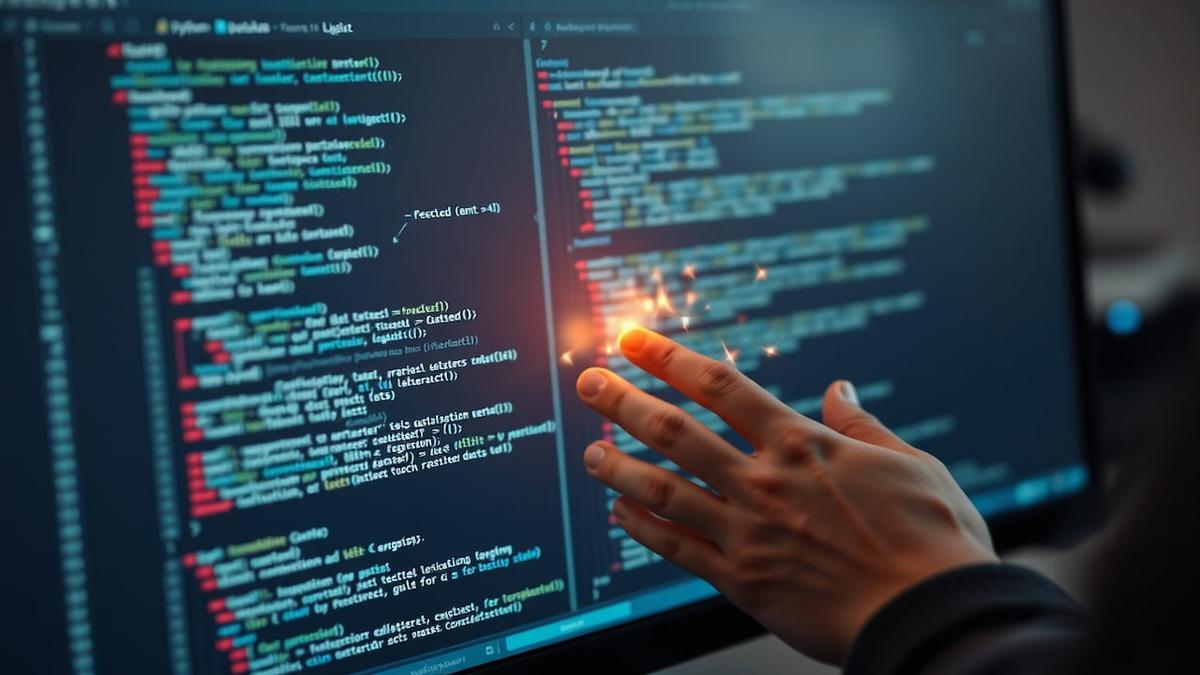
In traditional pair programming, one developer writes the code (driver) while the other observes and guides (navigator). In the LLM pair programming model, AI takes the navigator's seat. A Large Language Model examines the code you write in real time, catches potential errors, and suggests optimizations.
The productivity gain from this approach is about more than speed. AI takes on routine, repetitive, and mentally draining tasks, so you can focus your energy on problem solving and system design. For an engineer in 2026, productivity does not mean writing more lines. It means designing higher-quality, more sustainable systems.
What Does the Course Led by Laurence Moroney and Google Cover?
Taught by Laurence Moroney, one of Google's experienced figures, this course has a dense curriculum of about one hour. Its content has become a classic, showing with practical examples where AI fits in different stages of the software lifecycle. The clear, results-focused style Laurence Moroney is known for makes even complex concepts easy to absorb.
The core skills the course offers are:
Code Simplification: Making existing complex structures easier to read.
Debugging: Using an LLM to detect bugs and fix them quickly.
Test Scenarios: Designing unit tests with AI assistance.
Refactoring: Improving code architecture without breaking its functionality.
How to Gain Hands-On Project Experience with Free PaLM API Access
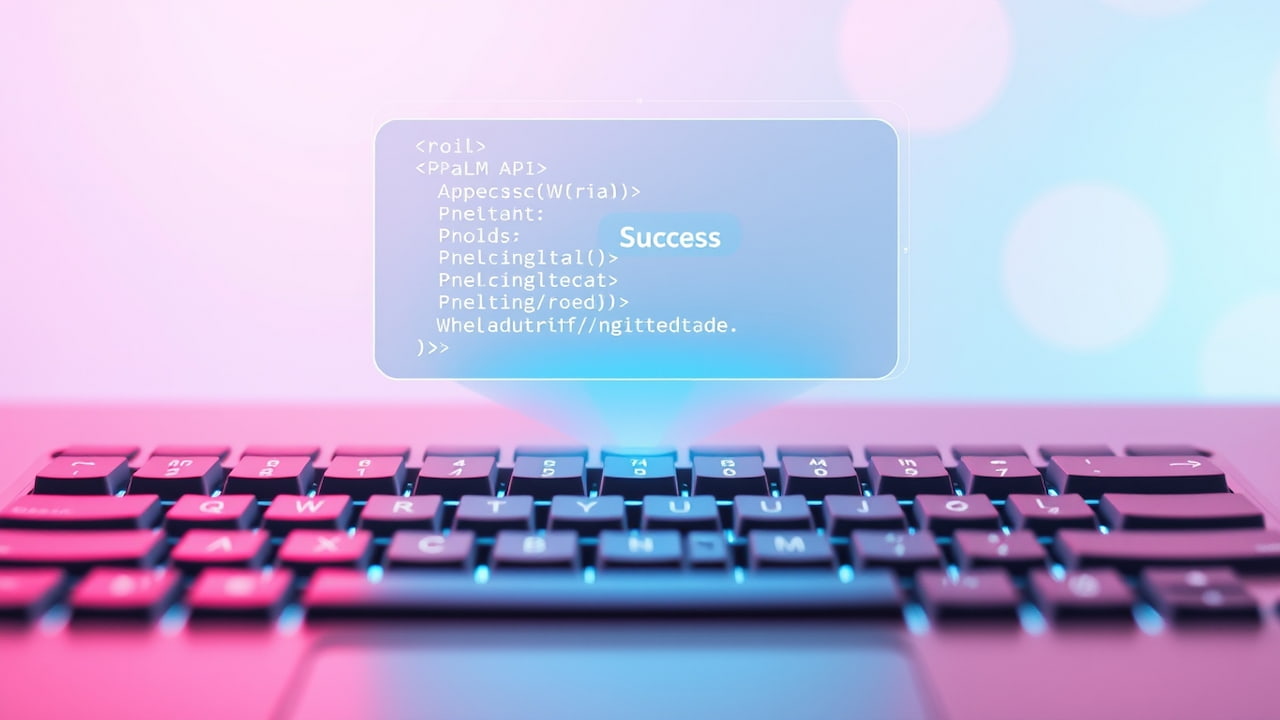
One of the things that makes this course valuable is that it gives participants direct access to Google's powerful infrastructure. Participants can use free access to the Google PaLM API to test what they learn in real time. Interacting with the model through the API gives you a much deeper learning experience than watching videos alone.
While gaining practical experience, the most critical skills are asking the AI the right questions (prompting) and verifying its outputs. The course stresses that a developer should never copy code from AI directly and should always verify it as a final reviewer. In 2026, expertise lies in turning the draft an AI produces into a polished product.
Transformation in Software Processes: Traditional vs. AI-Assisted Approach
Task Area | Traditional Approach | LLM Pair Programming |
Writing Code | Manual, fully reference-driven | Fast scaffolding and structure creation |
Error Detection | Manual tests and log analysis | Instant analysis and fix suggestions |
Documentation | Often neglected chore | Autonomous explanation generation by analyzing code |
Technical Debt | Cleanup burden that builds over time | Code refactoring with AI and continuous simplification |
How to Reduce Technical Debt with AI-Assisted Code Documentation
Technical debt, the biggest hidden enemy of software teams, often grows from poorly documented or complex code blocks. Technical debt reduction methods for 2026 guides point to this as one of the areas where AI is strongest. An LLM can analyze an entire project in seconds and produce clean documentation that explains what the code does.
When documenting code with AI, you can ask the model not only to add comments but also to create technical guides that explain the logical flow of the code. This dramatically shortens the onboarding time for a developer who joins the project later. Well-documented code is one of the biggest investments in a project's long-term sustainability.
How to Get Into AI Pair Programming with Python Knowledge
You do not need to be an advanced AI expert to take this course. Basic Python skills are enough to get started with Python AI pair programming. The course uses Python as a bridge and teaches participants how to guide AI through simple scripts.
Throughout the course, 6 lessons and 4 different code examples simulate real scenarios a developer may face in daily work. The foundation of this process is treating the interaction with AI as a conversation and refining your prompts continuously to reach the best result. In the software world of 2026, those who gain collaboration skills and sound judgment stand out more than those who only know languages.
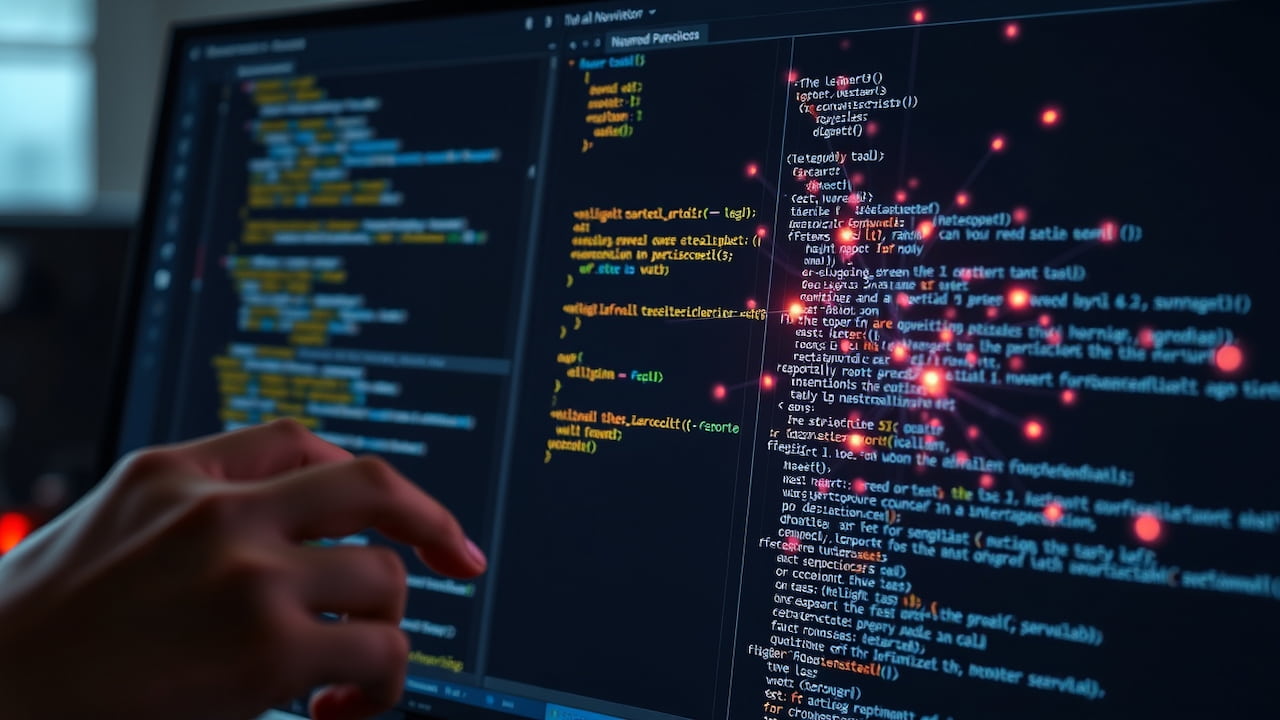
The Navigator's Seat in the Future of Software
The discipline of LLM pair programming moves software engineering beyond writing code toward a more strategic level of process management. This Google-backed course gives you a chance to learn in depth one of the most powerful methods available to developers in the competitive environment of 2026. Remember, though, that final responsibility always rests with a human, and every line AI produces should pass through an engineer's logical filter.
This course, which every developer who wants to use their time efficiently should check out, still offers one of the most valid roadmaps for cleaning up technical debt and writing cleaner code.
AdminSentetik İnsan Çağı: 20 Bin Dolara Evde Robot Yardımcı

Teknoloji Devi Google Güney Kore'de AI Üssü Kuruyor!