The Synthetic Human Era: A $20,000 Home Robot Butler
Automatically translated
Synthetic human technology is preparing to enter homes with robot butler models priced at around $20,000. Powered by a human-like muscle system, these robots have the potential to transform everyday life.

The Synthetic Human Era: The Home Robot Assistant Period Begins
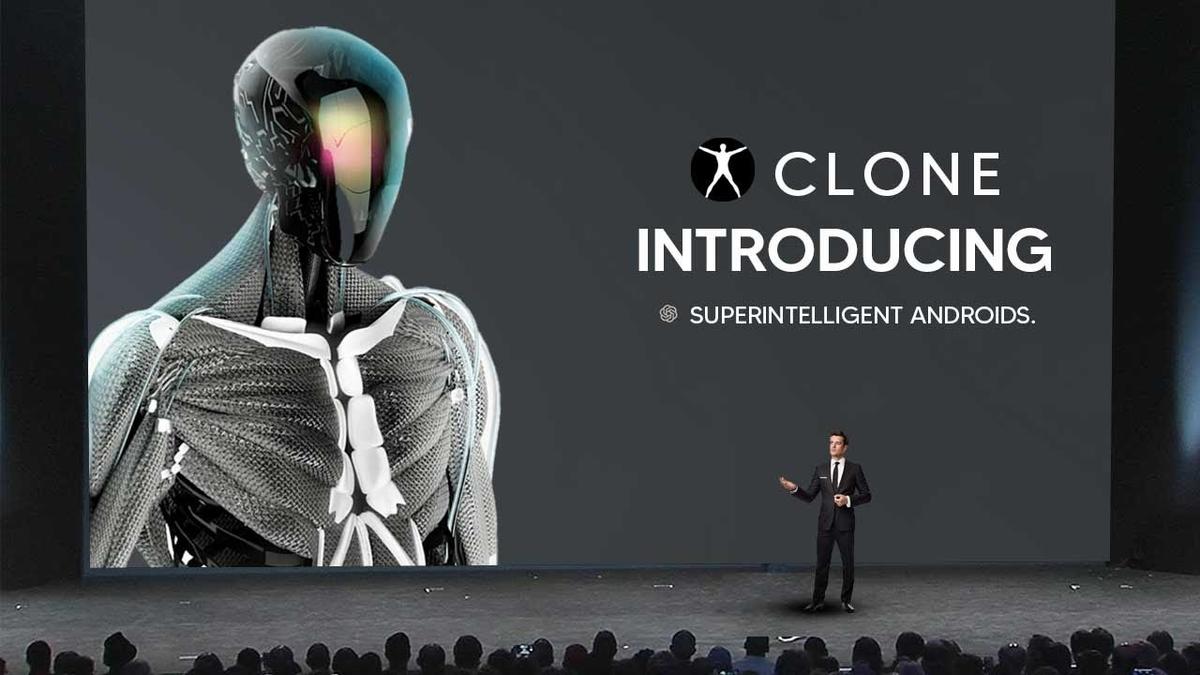
The concept of the synthetic human has long been central to science fiction, and its real-world feasibility was widely considered debatable. However, recent advances in robotics, artificial intelligence, and biomechanics have laid the groundwork for this concept to become a concrete reality. In particular, the humanoid robot systems developed by Clone Robotics stand out as some of the most striking examples of this transformation.
A video shared by the company on the social media platform X shows how far synthetic human technology has come.
x.com/clonerobotics/status/2041662745138098603
The footage shows the robot making fluid and natural movements, made possible by Myofiber muscle technology that imitates the human muscular system. This suggests that robots are moving beyond being purely mechanical tools and becoming systems that can mimic biological movement.
Clone Alpha Features: Limited Production, Broad Capability
According to official information shared by Clone Robotics, the Clone Alpha model is being developed under a production plan limited to just 279 units. Offered under the "Reserve" label, the model falls into the category of musculoskeletal androids designed for home use.
This limited production approach indicates that the product is not yet ready for the mass market and that an early access and testing-focused distribution strategy has been adopted.
One of the most notable aspects of Clone Alpha is its training platform, called "Telekinesis." The system is described as a learning infrastructure that allows users to teach the robot new skills. This approach suggests that the robot is evolving from a device that only performs pre-programmed tasks into a system that can adapt to its user.
Reviewing the pre-installed skills, it appears that basic household tasks are largely covered. The ability of Clone Alpha to memorize the layout of a home and its rooms, recognize kitchen inventory, and plan tasks using this data points to the system's level of environmental awareness.
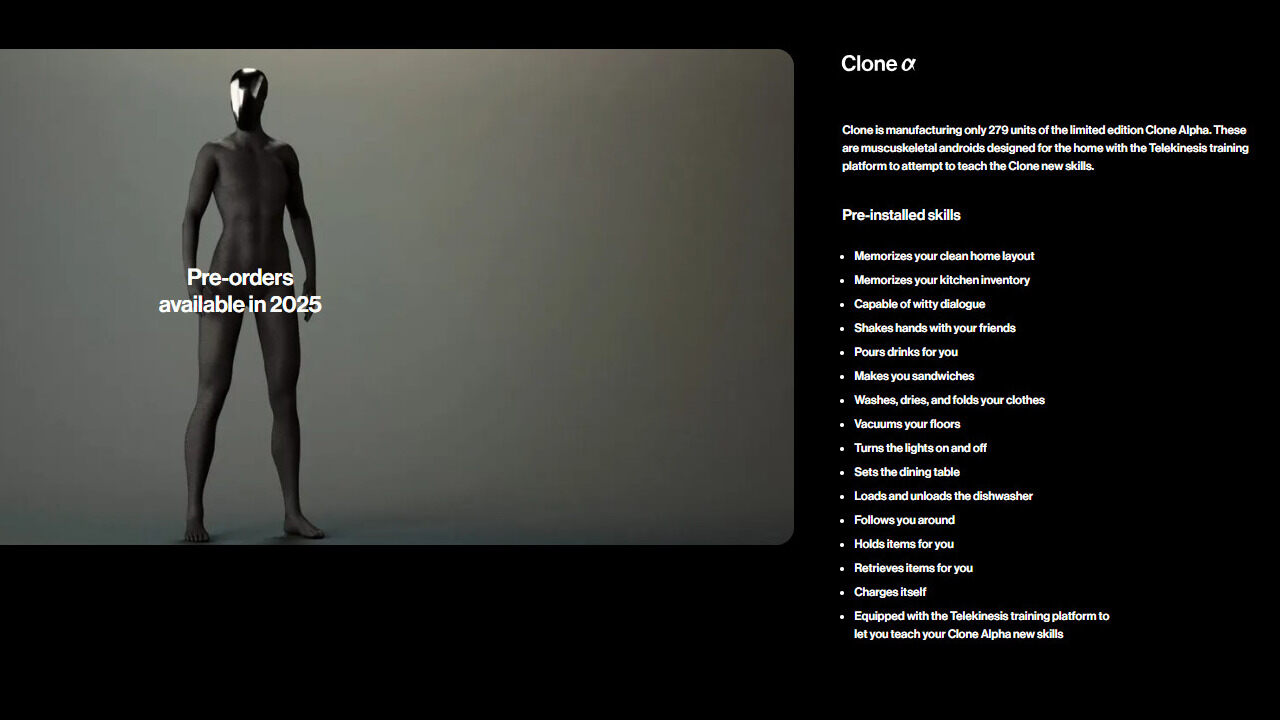
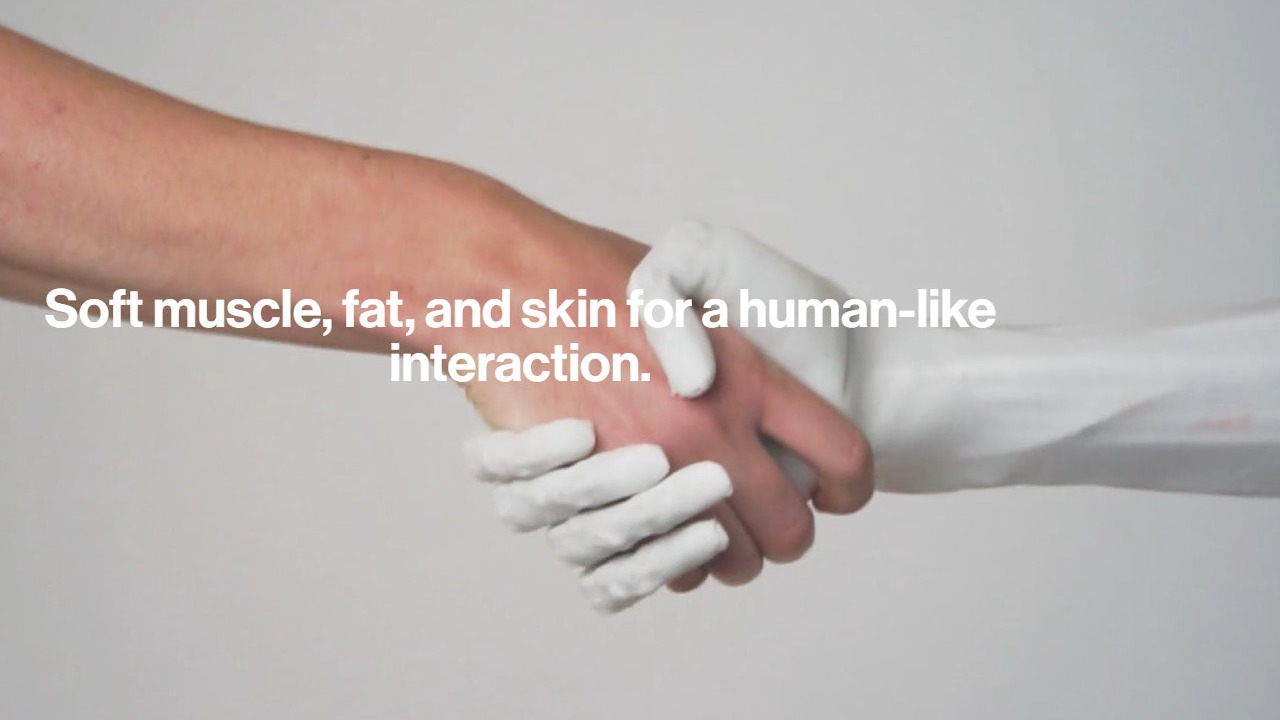
At the same time, the robot appears to be equipped with features focused on social interaction, not just function. Abilities such as holding a simple conversation with the user, shaking hands with guests, and mimicking everyday social gestures point to the behavioral dimension of the synthetic human concept.
On the operational side, Clone Alpha is said to be capable of many household functions, including serving drinks, preparing sandwiches, managing the washing, drying, and folding of laundry, cleaning with a vacuum cleaner, and loading and unloading the dishwasher.
Additionally, the robot's ability to follow the user, carry objects, and fetch items as needed are key features that turn it from a passive device into an active assistant. The autonomous charging feature suggests the device is designed for continuous use.
Hand and Movement Capability: Human-Like Manipulation
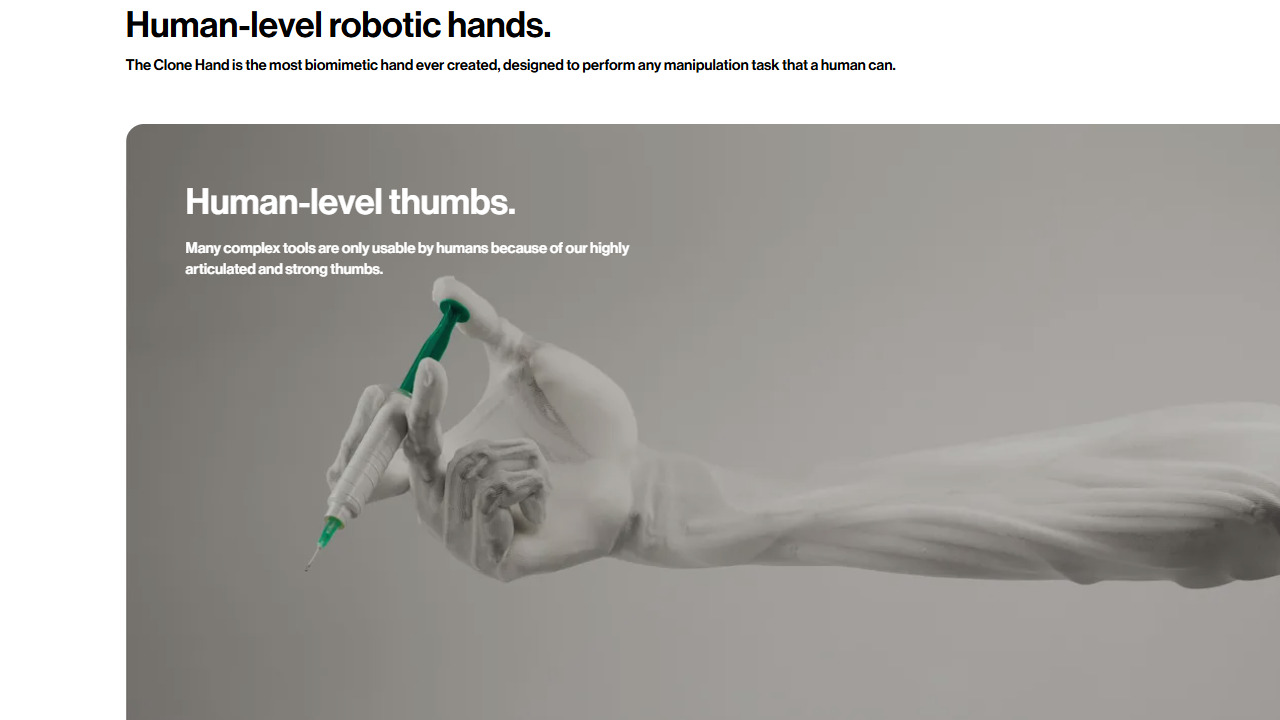
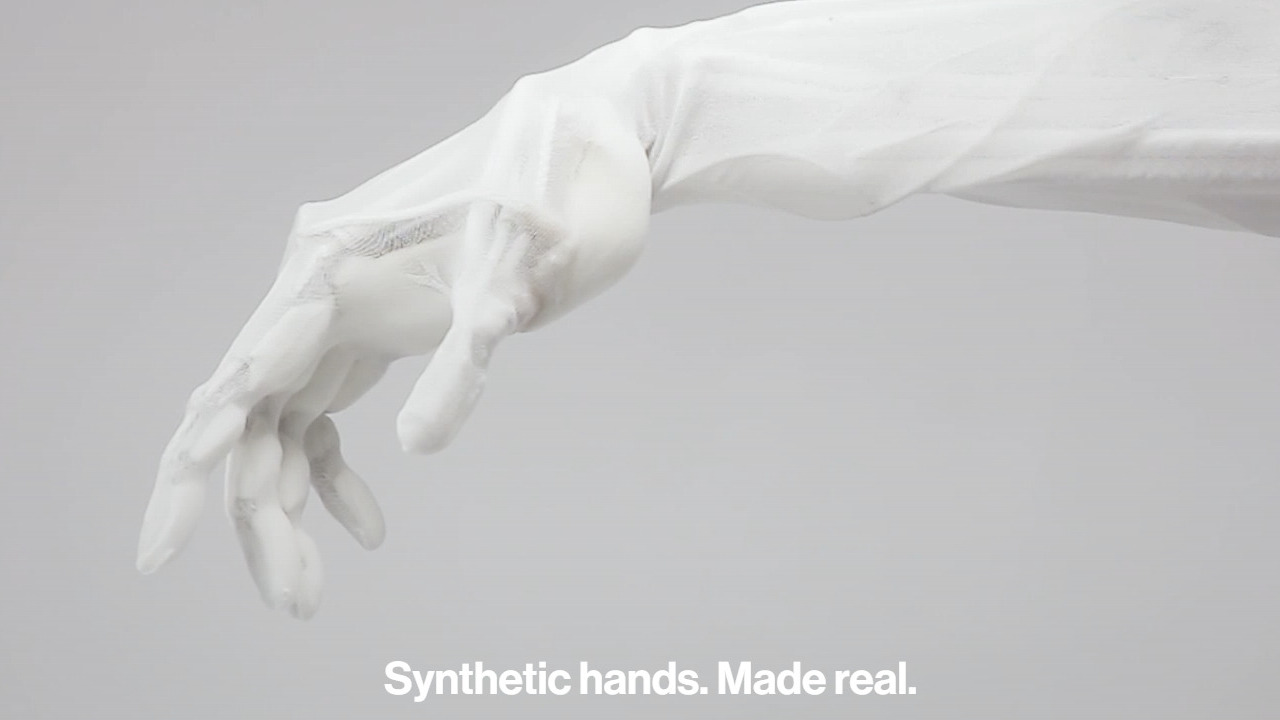
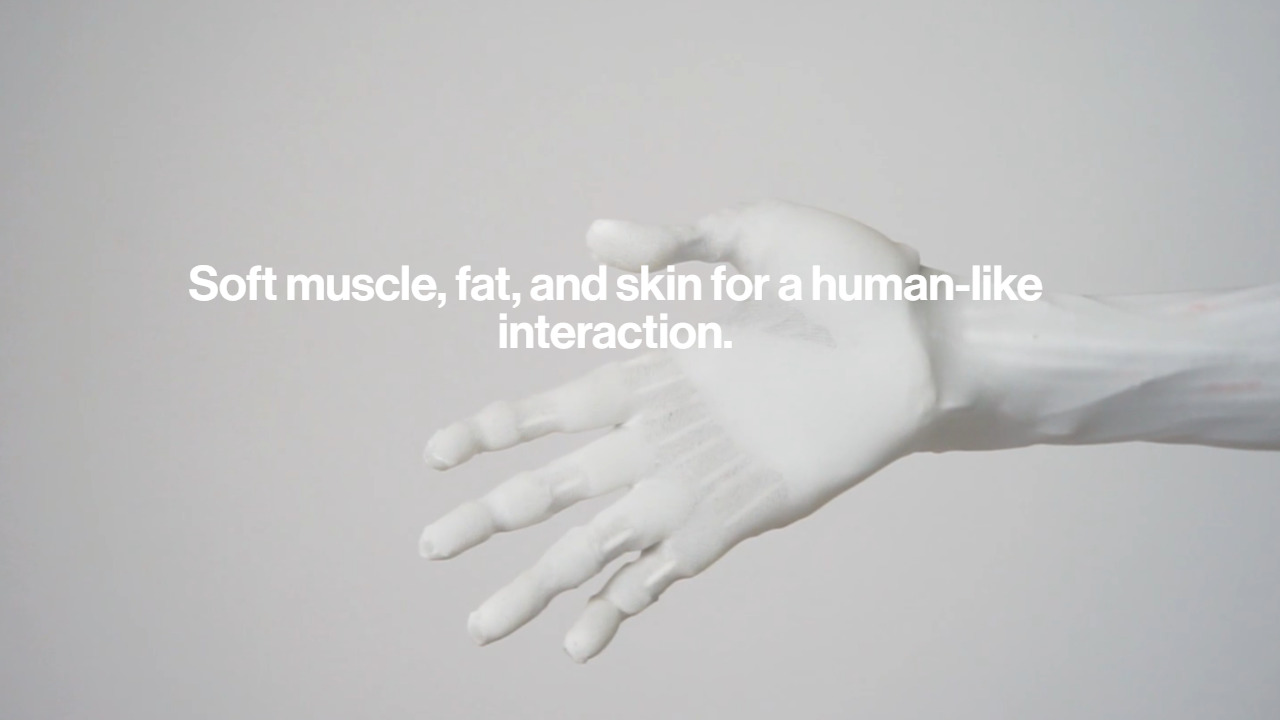
In the images and promotional materials shared by Clone Robotics, the robot's hand structure and movement capability are especially emphasized. The hand models developed appear to have multi-axis movement similar to a human hand.
This structure suggests that the robot's capacity to grasp objects, perform precise movements, and carry out tasks requiring fine motor skills has been increased. This hand mechanism, combined with the muscle-based movement system, allows the robot to handle not only tasks requiring brute force but also detail-oriented work.
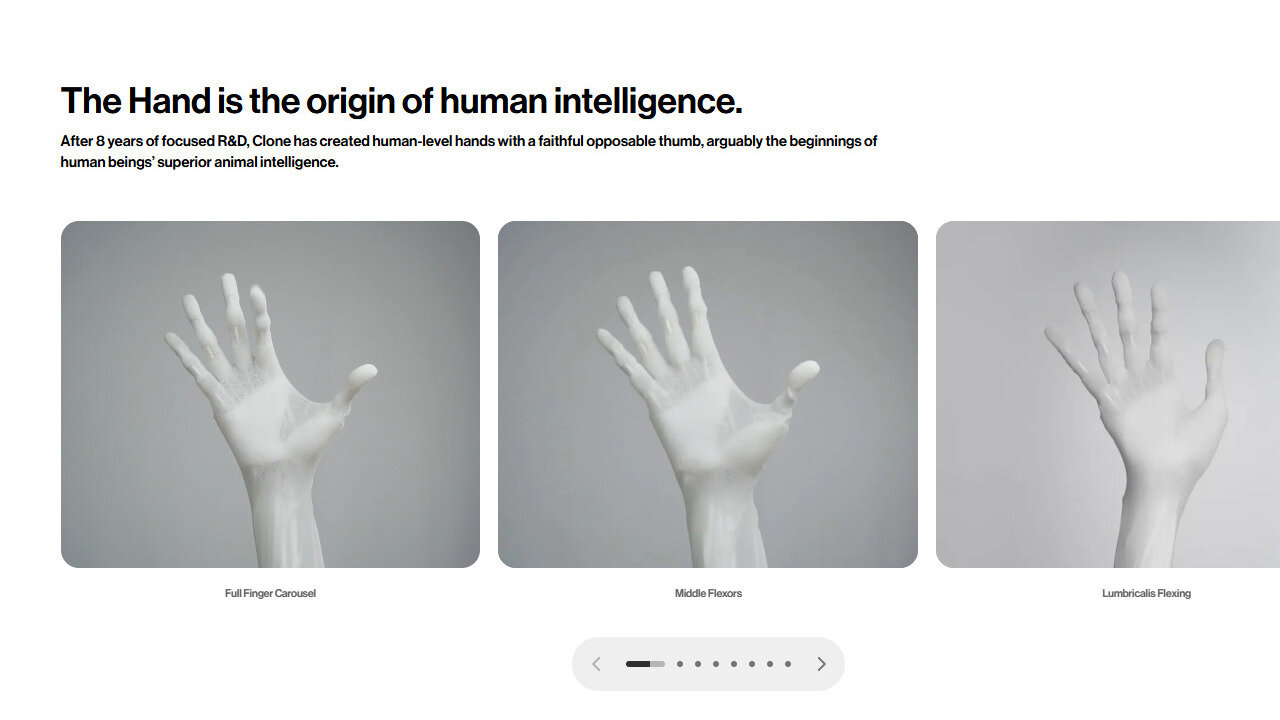
This development suggests that the "manipulation problem," one of the most critical thresholds for synthetic human technology, is beginning to be overcome. This is because for humanoid robots to be effective in the real world, they must not only be able to move but also interact meaningfully with their surroundings.
The Robot Butler Concept: Luxury or the New Normal?
The robot butler concept was once regarded mainly as a luxury and hard-to-access technology. However, recent developments show that this perception is changing rapidly. These systems, planned to be offered with a price tag of around $20,000, are positioned as a home technology aimed at the upper-middle income group.
The core functions of these robots include house cleaning, simple meal preparation, organizing items, and managing daily routines. However, the most notable point is that these systems are not only task-oriented but also have adaptive learning capabilities. These AI-powered structures are expected to become more efficient over time by analyzing user habits.

In this context, robot butler systems fall into the category of "learning assistants," unlike classic home appliances. This indicates that synthetic human technology brings not only a physical but also a cognitive transformation.
Myofiber Muscle Technology: The Anatomy of Synthetic Muscles
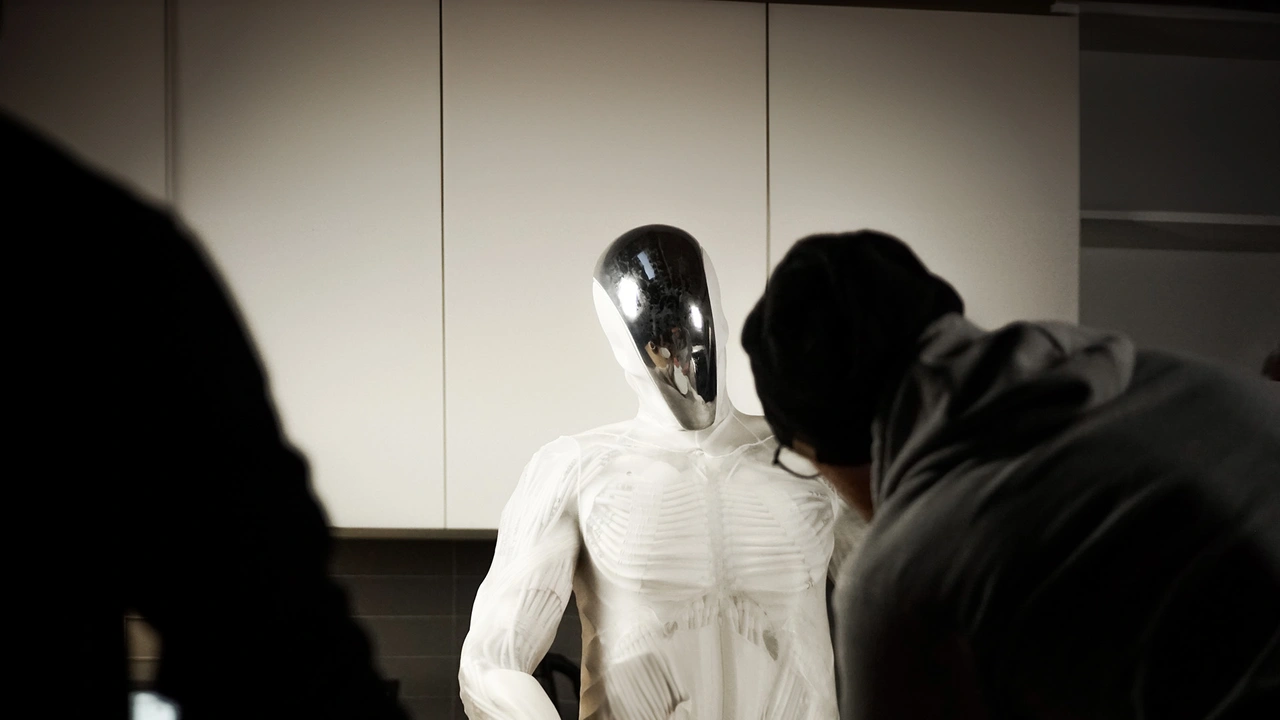
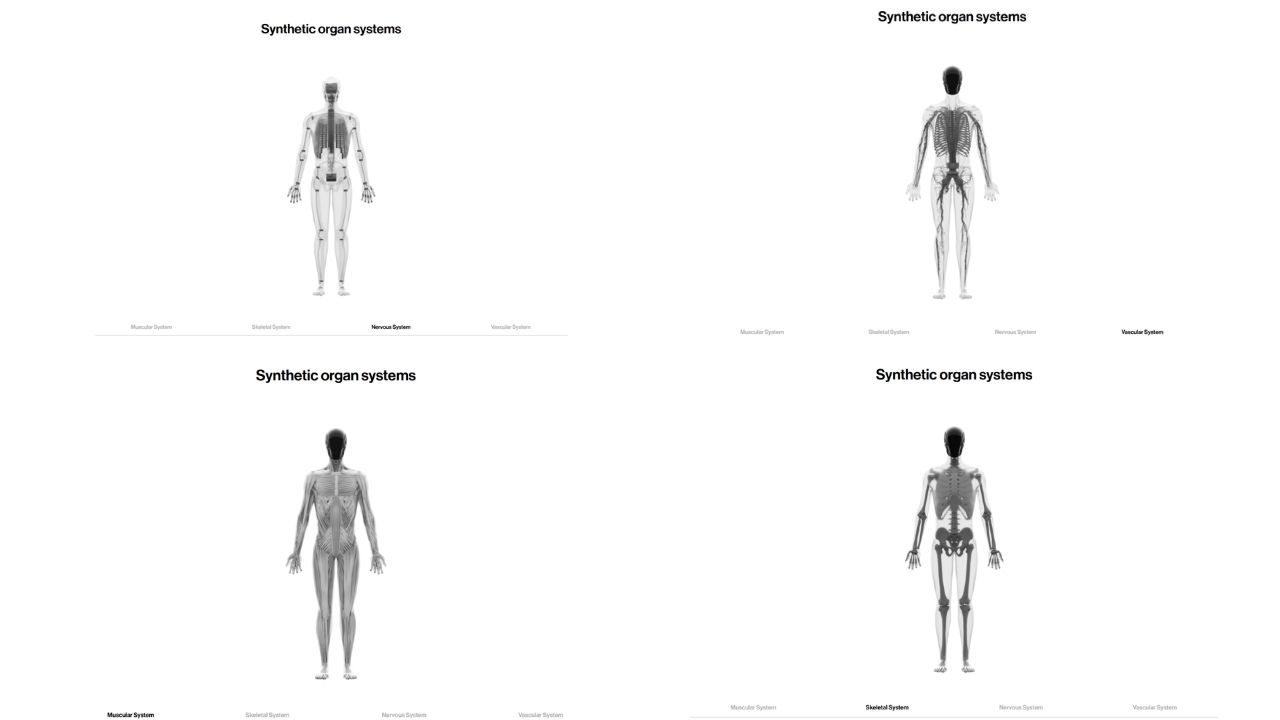
The Myofiber muscle system, one of the most critical components of synthetic human technology, is regarded as a revolutionary development in robotics. This technology consists of specialized fibers that imitate the working principle of human muscles.
While motors used in classic robot systems typically produce stiff and mechanical movements, the Myofiber muscle structure offers more flexible and organic movement. This makes robot movements smoother, more natural, and more "human-like."
Another important advantage of this system is energy efficiency. Compared with traditional motor systems, the Myofiber muscle structure consumes less energy, allowing robots to stay active for longer. Moreover, the modular nature of this muscle structure simplifies maintenance and repair processes.
Technical information and images shared by Clone Robotics suggest that this system is not only theoretical but also practically applicable.
The Development Process of Synthetic Human Technology
The concept of the synthetic human first emerged through biomimetic engineering research. The main goal in this field is to integrate biological systems found in nature into engineering solutions.
The first humanoid robots developed in the early 2000s could not reach wide audiences due to their limited mobility and high costs. However, advances in artificial intelligence algorithms, cheaper sensor technologies, and progress in materials science have accelerated the transformation in this field.
Today, synthetic human systems are no longer just machines that can move; they have become complex structures that can sense their environment, make decisions, and learn. This transformation has allowed robotic technology to move from industrial applications into personal living spaces.
Home Use Scenarios: A Realistic Future?
One of the most debated aspects of synthetic human technology is its home use scenarios. How robot butler systems will play a role in daily life will directly affect how quickly this technology is adopted.
Anticipated use cases include elderly care, support for people with disabilities, assisting with child care, and automating household chores. Especially in countries with aging populations, the need for such technologies is growing steadily.
At the same time, these systems must be evaluated in terms of security, data privacy, and ethical use. How such devices integrated into homes process and store user data is an important topic of discussion.
What Does a $20,000 Investment Mean?
A price tag of around $20,000 shows that this technology has not yet reached a wide audience. However, looking at the history of technology, similar products have tended to become cheaper and more widespread over time.
For example, the first personal computers and smartphones were also initially launched as high-cost products. However, as production costs fell and demand grew, these products reached mass audiences.
A similar process is expected to apply to synthetic human technology. This suggests that robot butler systems could become more accessible within the next 10 to 15 years.
Competition and the Technology Race
Synthetic human technology is not limited to Clone Robotics alone. Many technology companies and research laboratories around the world are working on similar systems.
In particular, companies based in the United States, Japan, and South Korea are investing heavily in humanoid robot technologies. This competitive environment accelerates innovation while also helping to reduce costs.
For example, the "Neo" robot, developed by Norway-based 1X, targets the direct consumer market at a price of around $20,000. The robot is said to be capable of basic household tasks such as loading dishes, folding laundry, and watering plants.
In this context, synthetic human technology may become one of the most competitive areas of the technology sector in the coming years.
Ethical Debates and Social Impact
The spread of synthetic human technology brings with it many ethical debates. The presence of human-like robots in everyday life raises new questions about human-robot relationships.
The potential of these systems to form emotional bonds is seen as both an opportunity and a risk, particularly for people who live alone. Their effects on the labor market are also an important topic of discussion.
If robots replace individuals working in the domestic services sector, economic and social balances could shift. For this reason, the development of this technology should be addressed not only from a technical perspective but also from a sociological one.
How Close Is Synthetic Human Technology to Reality?
Synthetic human technology has moved beyond being a theoretical concept and has become a reality that can be assessed through concrete products. Robot butler systems and Myofiber muscle technology are among the most important indicators of this transformation.
Although these systems have not yet reached widespread use, current developments show that the technology is advancing rapidly. It seems likely that in the coming years, synthetic human systems will become an integral part of everyday life.
This process is seen as a harbinger of not only technological but also social transformation.
OpenAI Anthropic Savaşı: İhanet, Sızıntı ve Halka Arz!

LLM ile Eşli Programlama: Google Destekli Ücretsiz Kurs 2026