Skip to content
Back to blog list
OpenAI Anthropic Savaşı: İhanet, Sızıntı ve Halka Arz!
AI Tools

OpenAI vs Anthropic: Betrayal, Leaks and the IPO Race

Automatically translated
Can Kepenekoğlu
Can KepenekoğluWriter
4 min read
The rivalry between OpenAI and Anthropic is intensifying across investment, infrastructure and distribution channels. We summarize the 2026 developments and the IPO agenda.

In the AI tools arena, 2026 has become a strategic and financial battleground. The OpenAI vs Anthropic rivalry is among the most visible of these competitions. This struggle, played out in full view, is being fought through investment, infrastructure and distribution channels. The rivalry is expected to intensify in the second half of the year. Alongside this, the OpenAI vs Anthropic battle could also drive increased demand for AI infrastructure technologies.

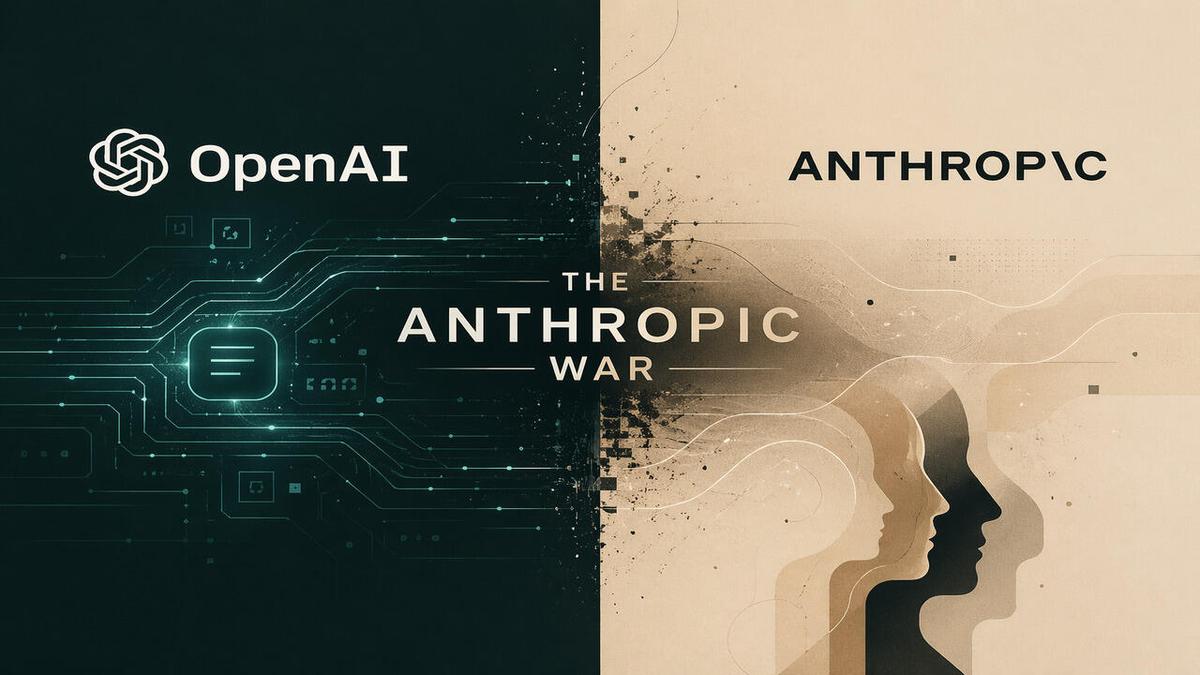
Yapay zeka şirketleri halka arz olurken rekabet kızışıyor.

The OpenAI and Anthropic Rivalry: From Model War to Ecosystem War

The competition, which in past years centered on large language models (LLMs), now extends across a much broader field. OpenAI stands out with its large user base and strong API support. Anthropic, on the other hand, is carving out a place in the enterprise market with its safety-focused approach. Alongside the technical infrastructure battles, the agreement with the Pentagon following the recent US-Iran war has also had an effect. As is well known, Anthropic did not back down on its ethical usage limits, so it failed to reach an outcome in its talks with the Pentagon and was, in a sense, sidelined. This led to Anthropic being viewed as a "supply chain risk" in defense projects.

The core dynamics of this rivalry include:

Model accuracy and reasoning capability

Safety and ethical AI approaches

Ease of API access

Enterprise integration capability

These factors matter. Anthropic's Claude models stand out for their low hallucination rates and safe outputs. OpenAI offers a wide range of uses and flexible solutions. In this way, the OpenAI-Anthropic battle is turning into a platform contest.

AI IPOs in 2026: Major Companies Prepare for the Stock Market

One of the most critical agenda items this year is the IPO plans of AI companies. High growth rates in the sector have greatly increased investor interest. In particular, the potential IPO scenario, OpenAI's restructuring and investment strategies, and AI startups reaching a mature level form the foundation of this process. The process of going public will test not only companies' financial strength but also their transparency, sustainability and regulatory compliance. In light of developments such as the OpenAI vs Anthropic battle, after 2026, AI and technology companies may begin to turn into a kind of financial institution, shedding their current label. In fact, we have already started to see some signs of this transformation.
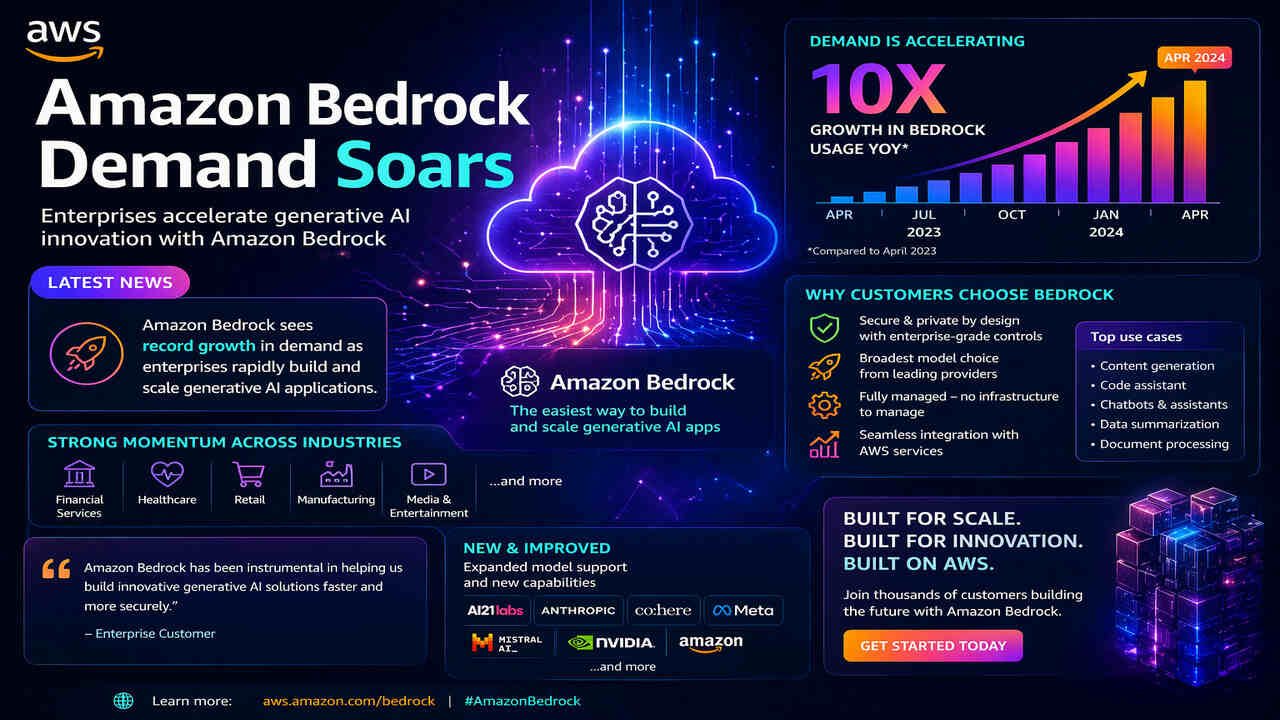
Amazon bedrock yapay zeka aracı ile ben de yarıştayım dedi.

Amazon Bedrock Demand Surges: The Enterprise AI Race Heats Up

As interest in cloud-based AI solutions grows rapidly, the Bedrock platform set up by Amazon is attracting strong attention from enterprise users. Amazon Bedrock brings different AI models together on a single platform. It also allows companies to develop their own AI solutions. Having models from both OpenAI and Anthropic-like providers on this platform increases the scale of competition and gives users more choice. Bedrock's advantages include:

  • Multi-model support

  • Flexible API integration

  • Enterprise data security

  • Scalable infrastructure.

Looking at its general features, it would not be wrong to say it looks like any other AI tool. However, model developments such as Bedrock bring benefits to users in the race for competition. The key point here is not only technical, but also being able to stand out in accessibility, simple use and distribution.

The Microsoft–OpenAI Tension: Is There a Crack in the Strategic Partnership?

OpenAI-Anthropic battle is one more dimension of the AI struggle, along with the relationship and restrictions between Microsoft and OpenAI. The two companies, long-time strategic partners, have been discussed recently because of some restrictions. The situation described as the Microsoft OpenAI restriction includes changes in API access, model usage limits and sharing of enterprise customers, among other distinctions.

On the other hand, Microsoft's desire to focus on its own AI solutions, and OpenAI's implication that its close ties with Microsoft could pose a risk during the IPO process, have led to cracks in the partnership. Looking at the current situation, despite disagreements and various technical and financial differences, the two companies are maintaining their commitment. However, because of these developments, the AI sector believes such tensions will increase in the future and competition will intensify.
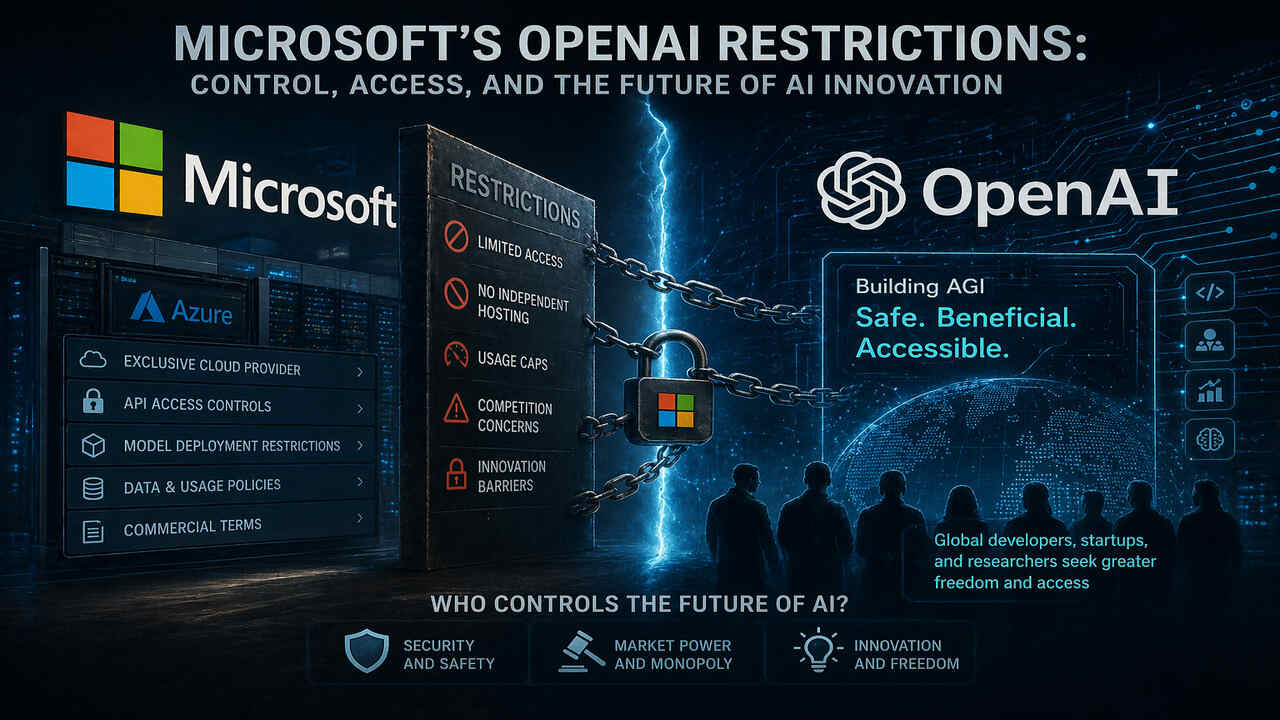
Open AI ve Microsoft aralarında anlaşmazlık yaşasa da ortaklık devam ediyor.

The Balance of Power in the AI Ecosystem Is Shifting

Looking at the overall strategies as of 2026, the OpenAI-Anthropic battle and the Microsoft OpenAI restriction situations may look negative for the future of AI, but from a competitive standpoint they can be viewed positively. This is because every competitive environment has a high chance of producing positive returns for users. While OpenAI and Anthropic compete on the model side, giants like Microsoft and Amazon are controlling the game on the infrastructure side. Thanks to this structure, a multi-layered competitive environment is emerging.

Today, there are companies entering leadership races not in a single area with a single firm, but across different areas. Developments such as the 2026 AI IPO, Amazon Bedrock demand and the Microsoft OpenAI restriction show that the sector is maturing rapidly. It appears that AI wars will be decisive not only technologically, but also for economics, strategy and global balances of power.

In the AI tools arena, 2026 has become a strategic and financial battleground. The OpenAI vs Anthropic rivalry is among the most visible of these competitions. This struggle, played out in full view, is being fought through investment, infrastructure and distribution channels. The rivalry is expected to intensify in the second half of the year. Alongside this, the OpenAI vs Anthropic battle could also drive increased demand for AI infrastructure technologies. The OpenAI and Anthropic Rivalry: From Model War to Ecosystem War The competition, which in past years centered on large language models (LLMs), now extends across a much broader field. OpenAI stands out with its large user base and strong API support. Anthropic, on the other hand, is carving out a place in the enterprise market with its safety-focused approach. Alongside the technical infrastructure battles, the agreement with the Pentagon following the recent US-Iran war has also had an effect. As is well known, Anthropic did not back down on its ethical usage limits, so it failed to reach an outcome in its talks with the Pentagon and was, in a sense, sidelined. This led to Anthropic being viewed as a "supply chain risk" in defense projects. The core dynamics of this rivalry include: Model accuracy and reasoning capability Safety and ethical AI approaches Ease of API access Enterprise integration capability These factors matter. Anthropic's Claude models stand out for their low hallucination rates and safe outputs. OpenAI offers a wide range of uses and flexible solutions. In this way, the OpenAI-Anthropic battle is turning into a platform contest. AI IPOs in 2026: Major Companies Prepare for the Stock Market One of the most critical agenda items this year is the IPO plans of AI companies. High growth rates in the sector have greatly increased investor interest. In particular, the potential IPO scenario, OpenAI's restructuring and investment strategies, and AI startups reaching a mature level form the foundation of this process. The process of going public will test not only companies' financial strength but also their transparency, sustainability and regulatory compliance. In light of developments such as the OpenAI vs Anthropic battle, after 2026, AI and technology companies may begin to turn into a kind of financial institution, shedding their current label. In fact, we have already started to see some signs of this transformation. Amazon Bedrock Demand Surges: The Enterprise AI Race Heats Up As interest in cloud-based AI solutions grows rapidly, the Bedrock platform set up by Amazon is attracting strong attention from enterprise users. Amazon Bedrock brings different AI models together on a single platform. It also allows companies to develop their own AI solutions. Having models from both OpenAI and Anthropic-like providers on this platform increases the scale of competition and gives users more choice. Bedrock's advantages include: Multi-model support Flexible API integration Enterprise data security Scalable infrastructure. Looking at its general features, it would not be wrong to say it looks like any other AI tool. However, model developments such as Bedrock bring benefits to users in the race for competition. The key point here is not only technical, but also being able to stand out in accessibility, simple use and distribution. The Microsoft–OpenAI Tension: Is There a Crack in the Strategic Partnership? OpenAI-Anthropic battle is one more dimension of the AI struggle, along with the relationship and restrictions between Microsoft and OpenAI. The two companies, long-time strategic partners, have been discussed recently because of some restrictions. The situation described as the Microsoft OpenAI restriction includes changes in API access, model usage limits and sharing of enterprise customers, among other distinctions. On the other hand, Microsoft's desire to focus on its own AI solutions, and OpenAI's implication that its close ties with Microsoft could pose a risk during the IPO process, have led to cracks in the partnership. Looking at the current situation, despite disagreements and various technical and financial differences, the two companies are maintaining their commitment. However, because of these developments, the AI sector believes such tensions will increase in the future and competition will intensify. The Balance of Power in the AI Ecosystem Is Shifting Looking at the overall strategies as of 2026, the OpenAI-Anthropic battle and the Microsoft OpenAI restriction situations may look negative for the future of AI, but from a competitive standpoint they can be viewed positively. This is because every competitive environment has a high chance of producing positive returns for users. While OpenAI and Anthropic compete on the model side, giants like Microsoft and Amazon are controlling the game on the infrastructure side. Thanks to this structure, a multi-layered competitive environment is emerging. Today, there are companies enter

Etiketler:OpenAI Anthropic savaşıMicrosoft OpenAI kısıtlaması
Can Kepenekoğlu
Can KepenekoğluWriter
@CanKepenekoglu

Comments (0)

Log in to comment.

Log in
No comments yet. Be the first to comment!